





 Portuguese
  English
  Spanish
  6 min of reading
  5 comments


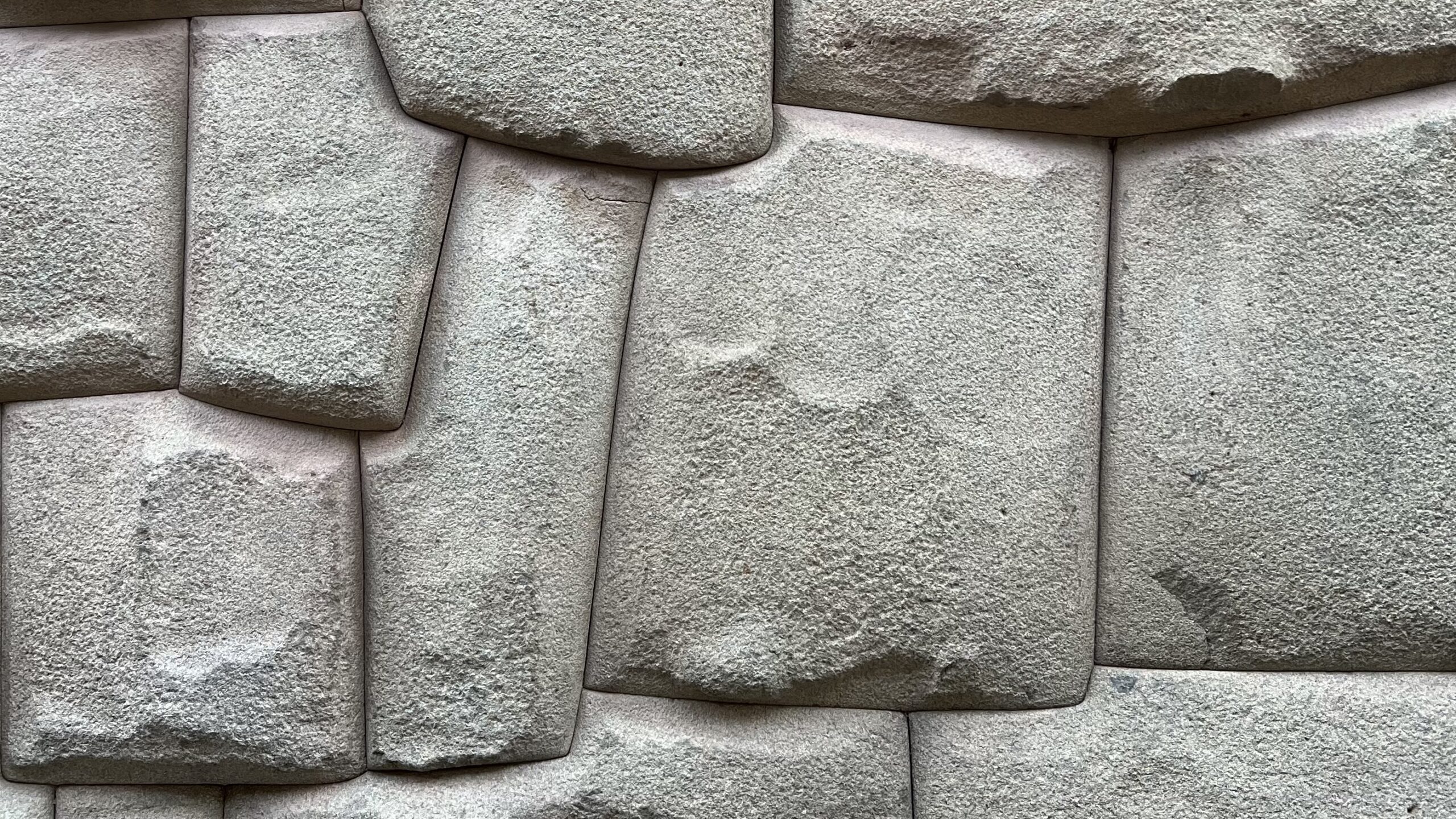


The Structures Built by the Peoples of South America Over 500 Years Ago Continue to Surprise Experts in Engineering and Archaeology. With Precise Cuts in Solid Stones, Mortar-Free Joints, and Water Infrastructure Works That Remain Operational, the Incas Established a Technical Legacy That Defies Time, Earthquakes, and Modern Technologies.
Inca edifices, such as those found in Machu Picchu and Sacsayhuamán, were built with geometrically shaped stone blocks fitted together with such precision that a razor blade cannot pass between them. This technique, known as polygonal masonry, eliminated the need for mortar and ensured extremely high seismic resistance, adapting to the earth’s natural movement.
The choice of location was also strategic. The Incas built in elevated areas, with stable soils conducive to drainage, utilizing the terrain to their advantage. Stairs, terraces, and channels were integrated into the environment, preserving the integrity of structures on sloped grounds and subjected to extreme climatic variations.
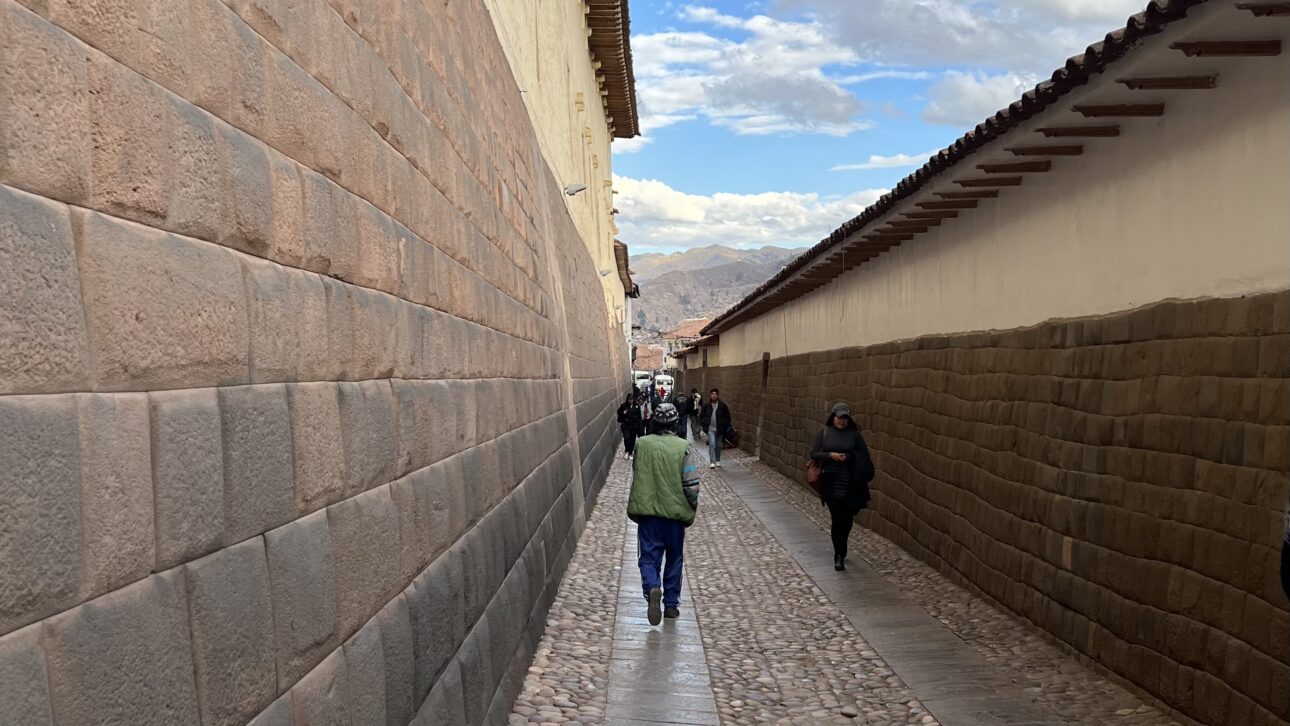
Additionally, the foundations of the structures were excavated deeply, reinforcing the base and ensuring resistance even in earthquake-prone areas. Inca engineering thus demonstrated a deep knowledge of geotechnics and structural behavior — without relying on iron or concrete.
-
Friends have been building a small “town” for 30 years to grow old together, with compact houses, a common area, nature surrounding it, and a collective life project designed for friendship, coexistence, and simplicity.

-
This small town in Germany created its own currency 24 years ago, today it circulates millions per year, is accepted in over 300 stores, and the German government allowed all of this to happen under one condition.

-
Curitiba is shrinking and is expected to lose 97,000 residents by 2050, while inland cities in Paraná such as Sarandi, Araucária, and Toledo are experiencing accelerated growth that is changing the entire state’s map.

-
Tourists were poisoned on Everest in a million-dollar fraud scheme involving helicopters that diverted over $19 million and shocked international authorities.


Hydraulic Engineering and Large-Scale Agriculture
Another remarkable feat was the irrigation system, which included distribution channels, aqueducts, reservoirs, and springs that precisely captured and redirected water. These structures supplied agricultural fields in arid and mountainous regions, promoting large-scale harvests in one of the most hostile terrains in Latin America.
The hydraulic techniques allowed water to travel long distances, with controlled slopes to prevent erosion. The use of reservoirs regulated supply even during dry periods, ensuring year-round productivity and food stability for millions of people in the Inca Empire.
Water conservation was a priority. Natural filtration systems were integrated into the channels, using stones and sand to remove impurities. In cities like Tipón, channels built in the 15th century are still operational today.
Tools Used by the Incas in Construction
The Inca tools were simple yet effective. Among the most commonly used were:
- Stone and Copper Hammers
- Bronze Chisels
- Strings and Plumb Bobs for Alignment
- Wooden Levers for Block Transport
- Sand and Water for Polishing Stones
- Earthen Ramps for Raising Pieces
Even without the use of wheels in heavy construction, the Incas moved tons of materials with intelligence and collective effort.

Construction That Took Decades and Required Millimetric Precision, Collective Strength, and Mastery of Andean Terrain
The construction of Inca temples like the Temple of the Sun in Ollantaytambo could take several decades to complete, even mobilizing hundreds of specialized workers.
The stones used could weigh more than 50 tons and needed to be extracted, transported over long distances, and sculpted with rudimentary tools such as stone hammers and bronze chisels.
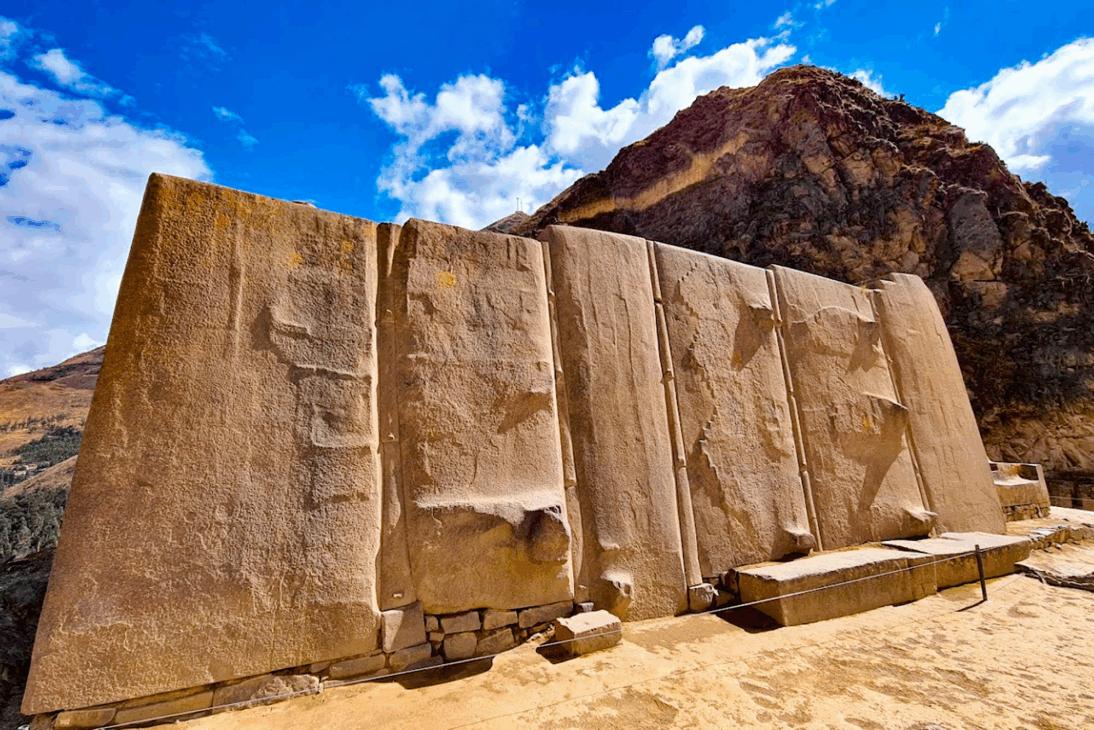
In addition to physical strength, the work demanded refined technical knowledge. Each block was shaped to fit perfectly with the previous one, without the use of mortar.
The complexity increased with the need to align the structures to astronomical events, such as solstices, requiring meticulous planning. All of this meant that the construction of a temple like that of Ollantaytambo extended across generations.
Work at Over 3,000 Meters Altitude Required Physical Endurance and the Traditional Use of Coca Leaves to Withstand Extreme Effort
A large part of Inca construction was carried out at altitudes above 3,000 meters, where oxygen is scarce and fatigue sets in quickly.
To endure long working hours in the mountains, workers used coca leaves, chewed throughout the day to reduce exhaustion, combat the “sickness of altitude” often called soroche, and maintain focus on demanding tasks.
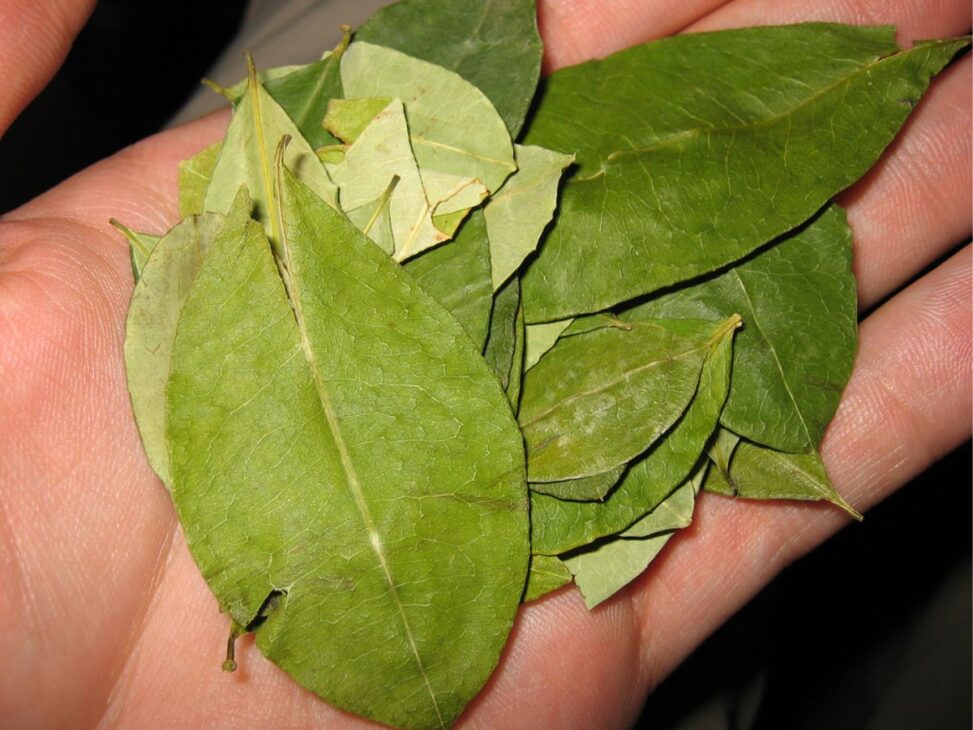
The use of coca was part of an ancestral knowledge passed down through generations. It not only increased physical endurance but also helped in thermal regulation and appetite suppression during long shifts.
In such an inhospitable environment, a combination of physical preparation, climatic adaptation, and botanical knowledge was essential for the realization of monumental works that still challenge modern engineering.
The Legacy of Pachacútec, the Great Leader Who Expanded the Empire and Shaped the Cultural Identity of the Andean People to This Day
Pachacútec, considered the most important ruler in Inca history, was responsible for transforming a small agricultural community into the largest empire of pre-Columbian South America.
His reign, which began around 1438, marked the start of territorial expansion, political reorganization, and the construction of emblematic cities like Machu Picchu and Ollantaytambo. In addition to being a military strategist, Pachacútec was a visionary in engineering, religion, and administration.
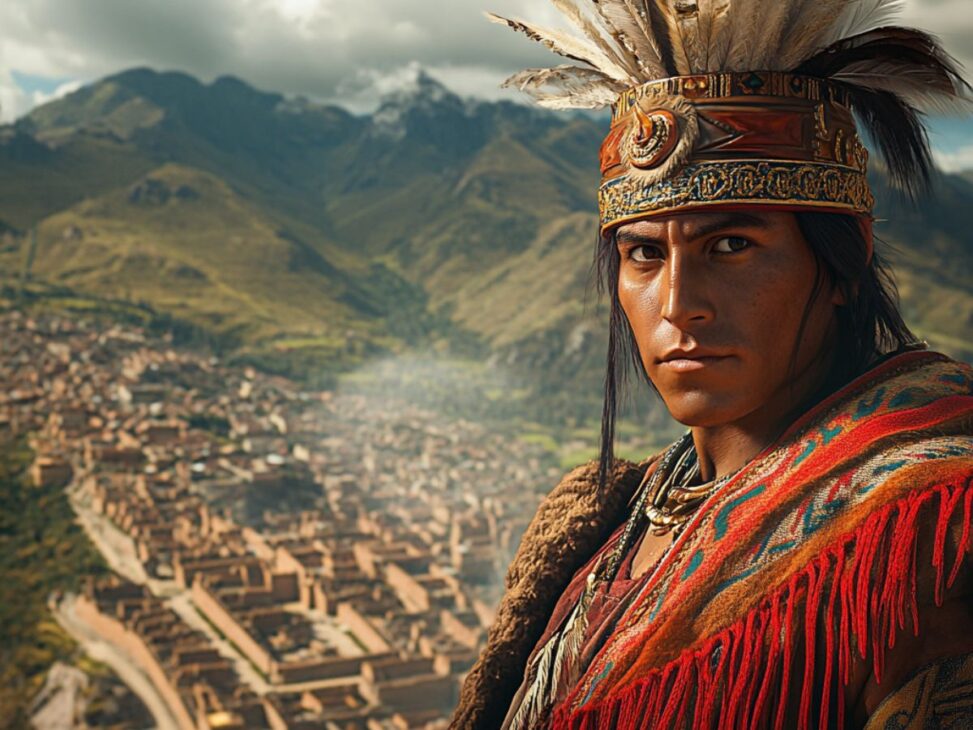
Today, his figure is revered in Peru and among Quechua peoples as a symbol of wisdom, leadership, and cultural resistance. Monuments in his honor are present in various cities, and his memory is revived as an expression of indigenous pride and connection to the land.
Pachacútec is recognized not only as a head of state but as a civilizational icon who left profound marks on Andean identity.
Resistance to the Invader: Survival Strategies and the Escape to Secret Cities Like Machu Picchu
With the arrival of Spanish conquerors in the mid-16th century, the Inca Empire faced its greatest threat. Despite European military advances, Inca leaders adopted resistance and retreat tactics, utilizing their vast knowledge of Andean territory to their advantage.
Many routes were concealed, cities were strategically abandoned, and the jungle was used as a natural shield against the invaders.
According to historians, Machu Picchu is thought to have served as a strategic refuge for fleeing Inca elites. Isolated by mountains and hidden by dense vegetation, the city remained unknown to the Spanish throughout the colonization period.
This choice demonstrates not only tactical intelligence but also cultural preservation in the face of imminent destruction — a final attempt to protect the lineage, knowledge, and sacred symbols of a millennia-old civilization.
From Hidden Refuge to World Wonder: The Rediscovery of Machu Picchu and Its Consecration as a Symbol of the Inca Legacy
After centuries forgotten among the mountains and forests of the Andes, Machu Picchu was rediscovered in 1911 by American explorer Hiram Bingham.
Guided by local inhabitants, Bingham found the ruins covered by vegetation and initiated the first archaeological records and excavations, revealing to the world a city that had remained intact since the Inca escape. The discovery reinforced the hypothesis that this location served as a strategic refuge against the Spanish conquerors.
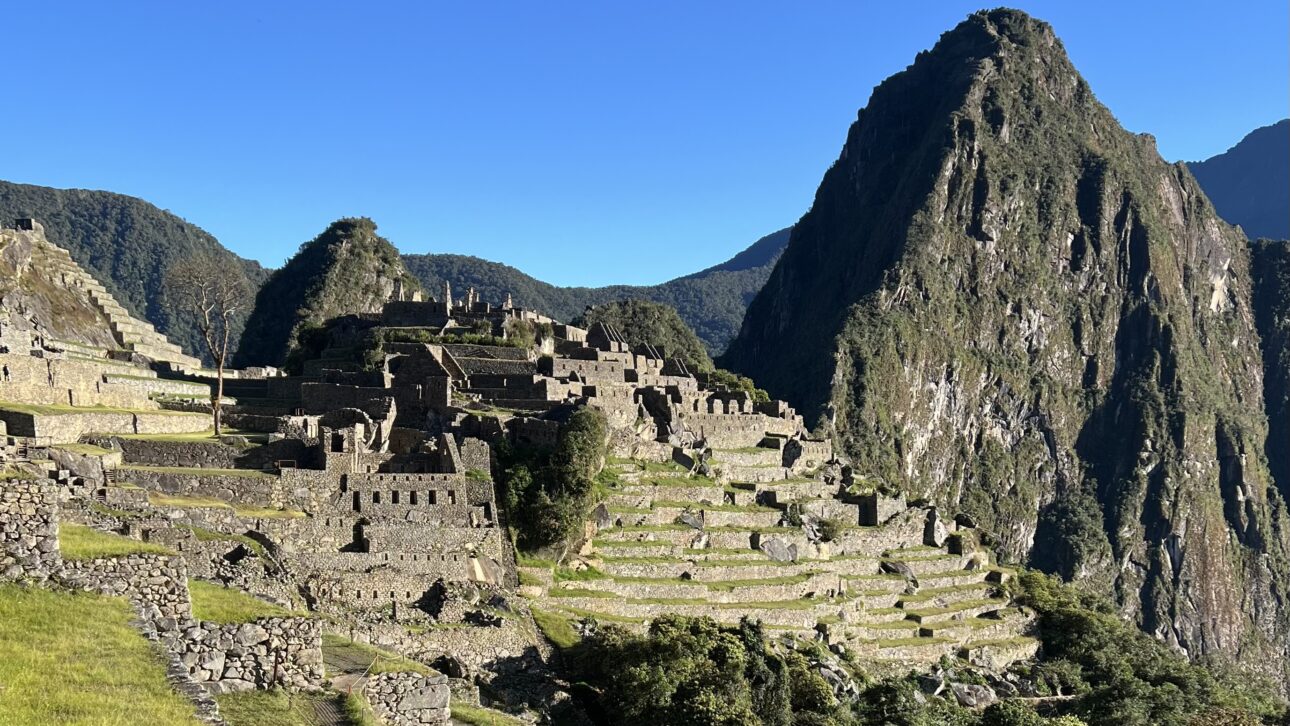
Since then, Machu Picchu has become one of the most visited archaeological sites on the planet, a UNESCO World Heritage Site, and a source of pride for the Peruvian people.
More than just a tourist attraction, the city represents the genius of a civilization that masterfully understood engineering, astronomy, and geography with ancient wisdom. Today, its ruins continue to inspire studies and evoke global admiration for Andean cultural heritage.
The information was compiled from publications from the National Geographic website, the History channel, and specialized articles on South American archaeology, as well as historical records preserved by Peruvian scholars. As highlighted in studies from the University of Cusco, the durability of Inca works remains a subject of analysis in contemporary engineering schools.









Os estudos demonstra que esses povos já estavam em declínio quando chegou os europeus, reafirmando que conhecimento não é sabedoria, ao sacrificar guerreiros aos deuses de forma cada vez maior, tirou do povo a genética necessária ao enfrentamento ao um povo invasor, que acabou sendo subjugado por poucos soudados vindos de navio, em uma travessia que muitos morriam na viagem, isso só reforça a máxima se quer paz preparece para guerra. Deixou um legado arquitetônico para humanidade, e deixou na história a certeza que um povo não pode matar seus campeões para tentar agradar ninguém, e que a genética de um guerreiro tem que ser valorizada e não destruída.
Acho q a humanidade perdeu grande oportunidade de desenvolvimento ao atacar e devastar o império INCA, a cobiça dos espanhóis por riquezas destruíram tudo q viam pela frente. De lá para cá a humanidade passou por um período de estagnação, ainda hoje com tanta tecnologia não conseguimos superar os Incas e outros grandes feitores do passado, a humanidade emburreceu, fomos direcionados para o controle global por gente poderosa q não quer o desenvolvimento da humanidade.
Os Soldados da Amazônia. Aprendem com os Índios sobre plantas medicinais. E muitas outras coisas. Ganhamos com conhecimento tecnológico e perdemos a humanização. Não adianta as pessoas gritarem em Leis. Elas só servem em benefício próprio. Nunca o povo foi tão escravisado