





 English
  Francês
  Alemão
  Italiano
  Japonês
  Norueguês
  Portuguese
  Spanish
  3 min of reading


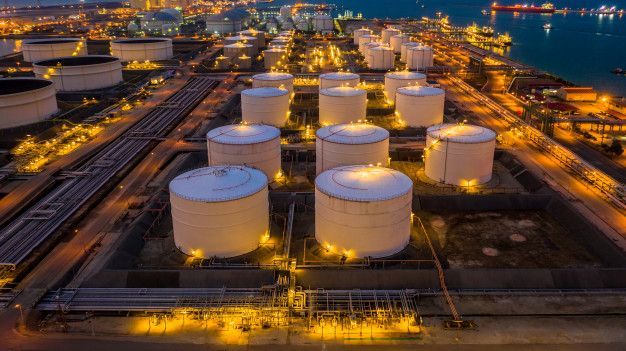
Amid all this global oil crisis due to the war between the world’s largest producer, Saudi Arabia, and Russia, not to mention the pandemic that strangled the economy of the entire planet, the world is currently swimming in oil, and with each passing day, storage locations are being depleted even further. China: The World’s Largest Importer Takes Advantage of 60% Oil Drop to Buy Cheaper Barrels and Ensure Its Stocks
Read Also
- Recruitment and Selection for Safety Technician to Work in Rio de Janeiro
- Construction Works in Rio de Janeiro Demand Higher Education Vacancies in Civil Engineering
- Offshore Selection Process URGENT with Resume Registration Until April 6 in Oil Multinational
Places like Trieste in Italy and the United Arab Emirates are becoming increasingly overloaded; currently, off the coast of Texas and Scotland, more than 80 massive oil tankers containing an average of 300 million liters each are anchored with nowhere to go, which corresponds to a twenty-five percent increase.
-
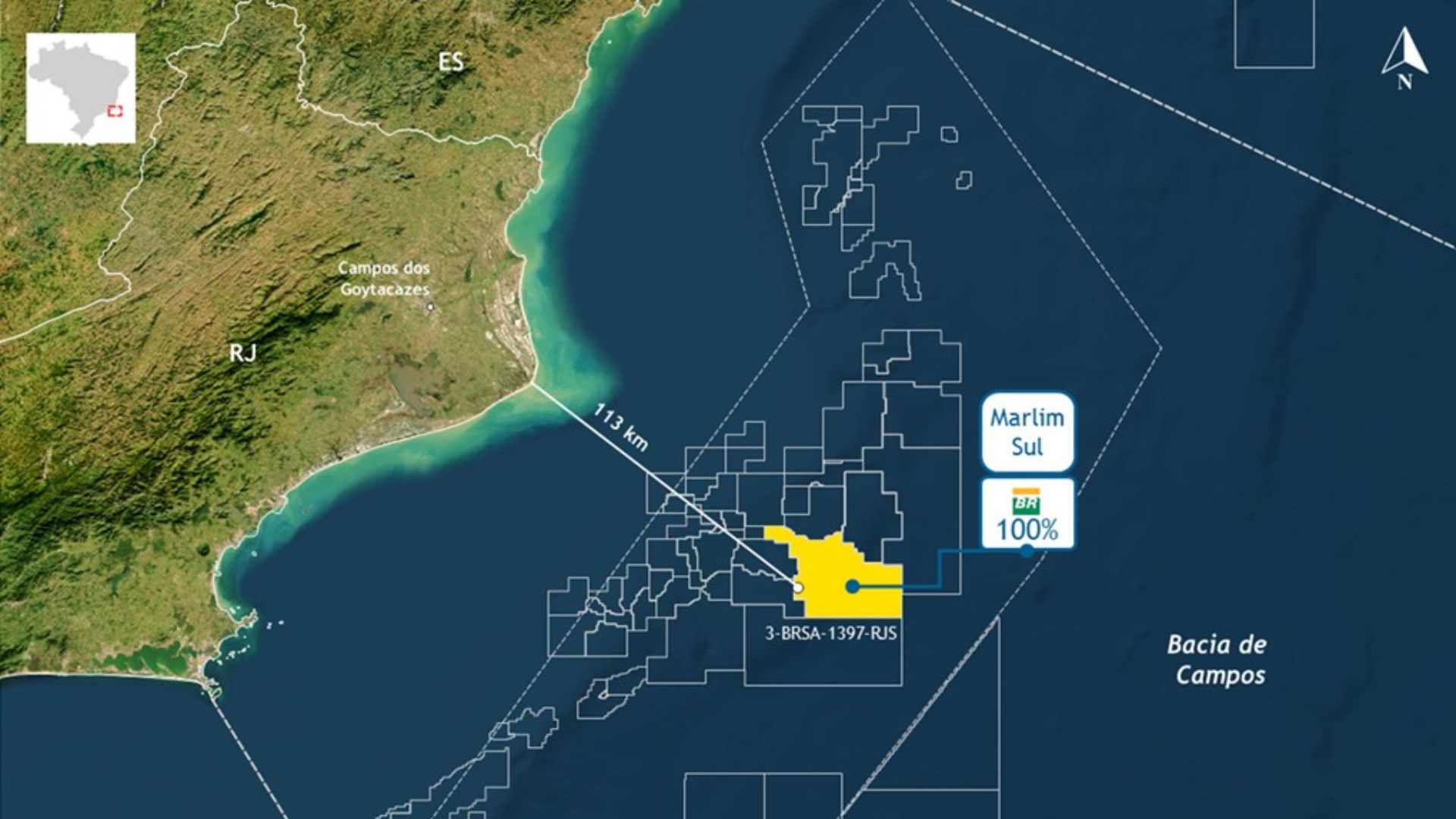
Petrobras announces new oil discovery in the pre-salt of the Campos Basin and reinforces Brazil’s prominence with high-quality reserves that can increase production and energy revenues.
-
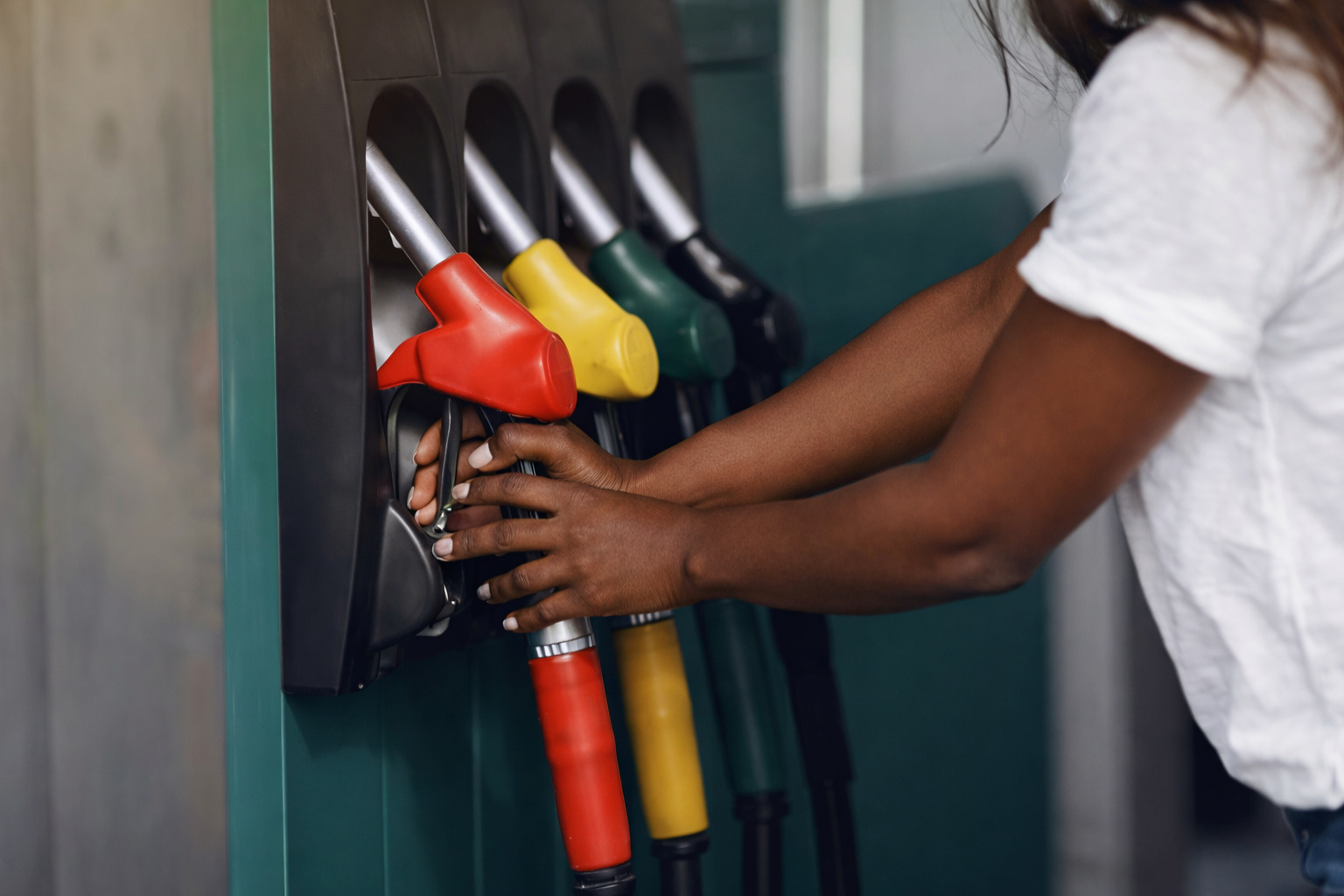
Alert in the fuel market: Analysts and a former director of ANP warn that oil prices may worsen in the coming months due to global instability.
-
Ocyan brings executives and digital solutions to Macaé Energy 2026 and highlights offshore expansion with Nexio and a new base in Macaé.

-
Petrobras advances 4.6% with rising oil prices and the dollar, reigniting the debate on macro risks, pricing policy, and fiscal impact in Brazil.

According to data provided by Rystad Energy, Canada has already reached 75 percent of its oil storage capacity, and as a measure, producers will have to cut production by 11 percent.
As a consequence of the pandemic, factories and airlines have reduced their activities to almost zero, significantly restricting oil consumption, making storage space increasingly scarce, and driving prices down even further.
Consumers have been the only beneficiaries of this disparity where supply is significantly exceeding oil demand, which has been lowering gasoline prices.
Yet, despite this scenario, Saudi Arabia remains determined to move forward and increase its oil production.
According to the partner of the market research firm Kayrros, “For the first time in history, we are facing the possibility of the market testing the limits of storage capacity in the near future.”
But as a popular saying goes, “While some cry, others sell handkerchiefs,” and that is how it works in the oil world as well; companies that provide services for storing unwanted fuels are thriving.
The current scenario is favorable for those looking to buy oil at lower prices, store it, and wait for the day when the product will be worth more. Today, a barrel of West Texas Intermediate crude oil is being traded at around twenty-five dollars, 6 dollars less than in August of last year.
According to the analyst from the market intelligence firm Genscape, Hillary Stevenson, “knowing how much oil is stored in the world is crucial information to understand the state of the oil market,” Hillary warns that “capacity is finite, with a limit to the safety net.”
Recently, a company specialized in calculating how much oil is on ships and tank concentrations, Kpler, detected ten million idle barrels of oil in storage facilities; this corresponds to 10 percent of global daily consumption.
According to data analyzed by Kpler, there is still capacity in the world to store 750 million barrels; “the oil storage space in the world will never run out,” operators will build more tanks as market incentives are high.









Seja o primeiro a reagir!