






 Portuguese
  Spanish


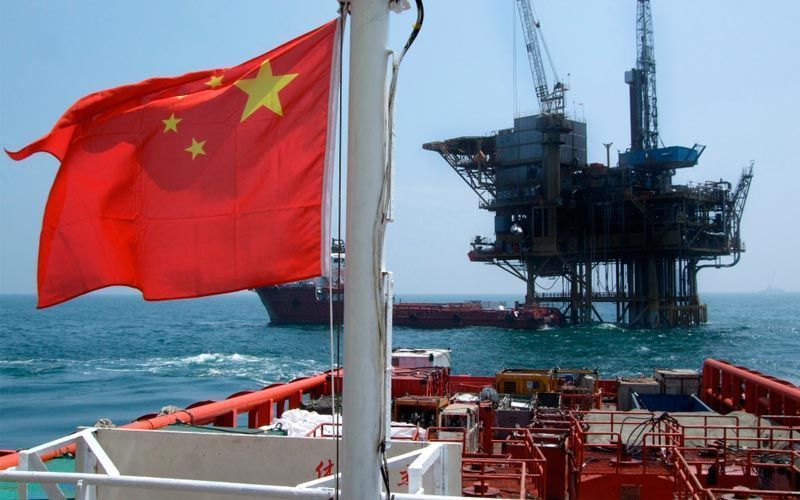

Amid the collapse of oil prices, China is taking advantage of the 60 percent drop this year to buy cheaper barrels and secure its emergency reserves. Amid all this turmoil in the oil market following a statement from U.S. President Donald Trump, Petrobras’ shares surged more than 10%.
Read Also
- Faetec and Cecierj open 600 slots in free online vocational courses
- Coca-Cola hires 39 professionals for positions of helper, assistant, technician, driver, assistant, and more
- Offshore contracts from global oil and gas company Technip demand job openings for Macaé and Rio de Janeiro
In addition to state reserves, China can also utilize commercial oil stocks for storage and encourage companies to refuel their own tanks.
-
Brazil’s ANP Opens 86 New Oil Blocks in the Equatorial Margin, Expanding the Amazon River Mouth Frontier

-
OPEC+ Boosts Oil Supply by 188,000 Barrels per Day in July 2026, Leading to Price Drop from $112 to $89 per Barrel in Under Two Months

-
TotalEnergies Signs 20-Year Deal to Purchase 2 Million Tons of LNG from Alaska, Boosting Project Viability
-
Turkey Deploys Çağrı Bey Drilling Ship to Explore New Oil Frontier Off Somalia’s Coast


The Chinese government initially aims to maintain state stocks equivalent to 90 days of net imports, which could be extended to 180 days by including commercial oil reserves.
For better understanding, according to Bloomberg, ninety days of net oil imports is equivalent to about 900 million barrels.
So far, the state reserves of the Chinese government are unknown, as Beijing uses a different method to calculate net oil imports, but according to industry analysts, the volume calculated over the year could equate to the purchase of 80 million to 100 million barrels.
Oil specialists argue that the purchase volume is too low to compensate for the demand destruction caused by lockdowns to contain the coronavirus.
Coincidence or not, in March of this year, U.S. President Donald Trump proposed buying almost the same volume for U.S. reserves, a measure to assist struggling producers, but the plan did not go well.
Amid the economic recovery due to the pandemic, the Chinese government is also planning to announce the fourth batch of strategic reserves. The expansion project has the twin advantage of creating larger emergency reserves and stimulating opportunities in the construction sector.


