





 Portuguese
  English
  Spanish
  3 min of reading
  0 comments


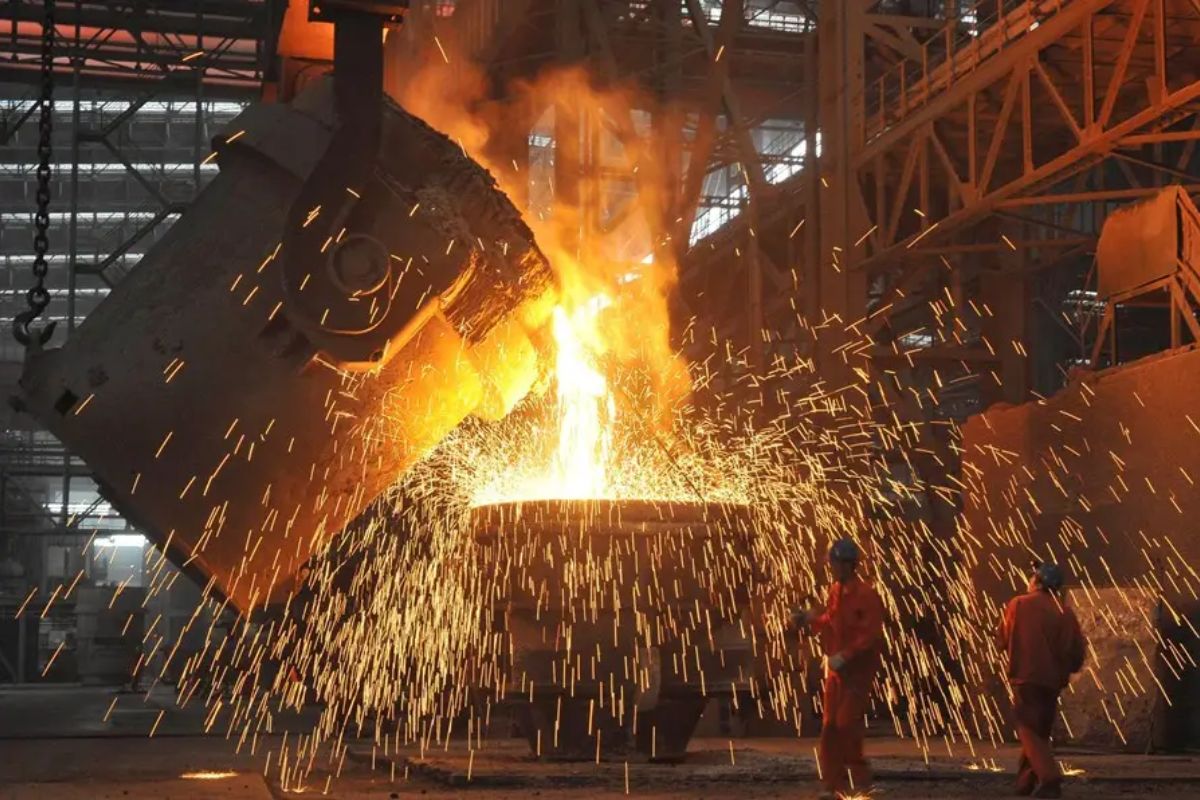
Project Will Be Completed by 2029 and Marks the Steelmaker’s Bet on Energy Efficiency and Industrial Competitiveness
Usiminas announced an investment of R$ 1.7 billion in the modernization of battery 4 of Coking Plant 2, located at the Ipatinga (MG) mill. The project will be carried out between 2026 and 2029, with the refurbished unit expected to come online at the end of the period.
The announcement comes amid a challenging scenario for the steel sector. Despite a 62% drop in net profit in the second quarter of 2025 compared to the previous quarter, Usiminas managed to reverse the loss recorded in 2024 and improved its capital structure. The reconstruction of the coking plant is considered strategic to increase energy efficiency, reduce environmental impacts, and ensure self-sufficiency in coke production, an input that is essential in steelmaking.
Where Will the Usiminas Investment Be Made?
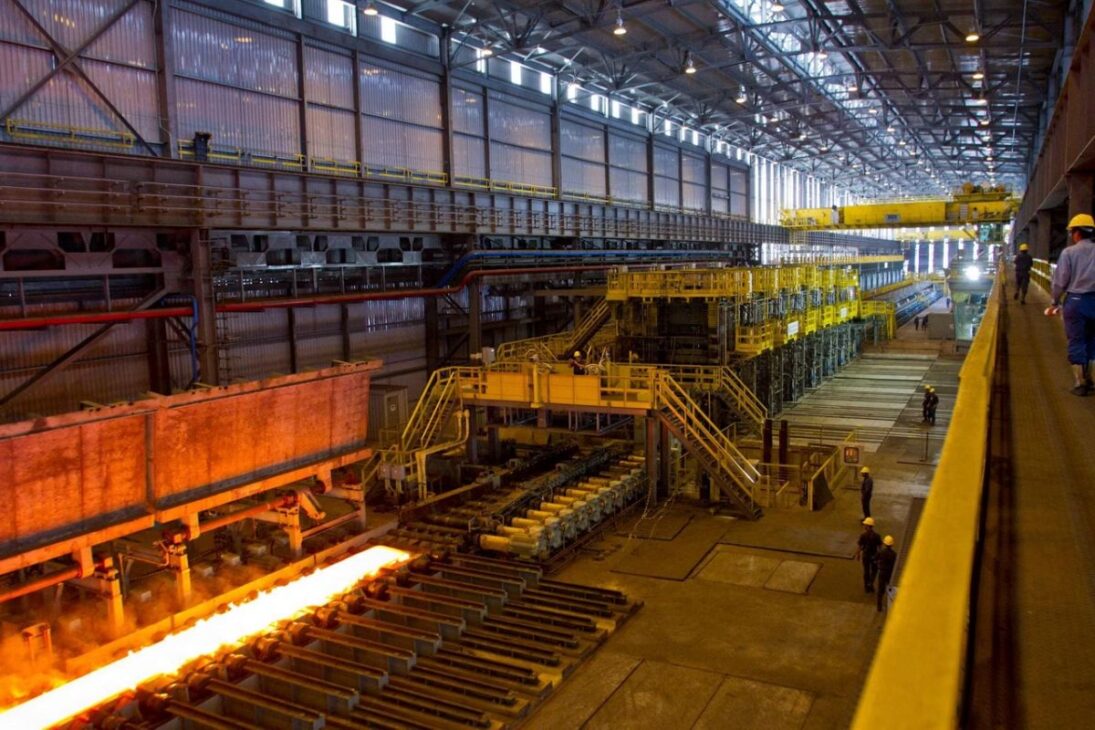
The project will be executed at the Usiminas mill in Ipatinga, in the mining valley of Aço. Battery 4 of Coking Plant 2 will be partially reconstructed and modernized. For 2026, R$ 80 million is expected, with more robust contributions occurring in the following years up to 2029. According to the company, the plan is part of a long-term industrial revitalization agenda, aligned with sustainability and productivity.
-
Brazilian city bets on the business environment to generate jobs and attract investments in the energy sector — secretary reveals strategy at Macaé Energy 2026.
-
50 viaducts, 4 tunnels, 28 bridges, and 40 kilometers of bike paths: BR-262 in Espírito Santo will receive 8.6 billion reais for the largest engineering project in the state’s history, inspired by the Immigrant Highway in São Paulo.

-
Brazil produces too much clean energy and doesn’t know what to do with it: over 20% of solar and wind capacity was wasted in 2025 while investors flee and 509 renewable generation projects were abandoned in the last year.

-
Piauí will produce a new fuel that replaces diesel without needing to change anything in the truck’s engine and reduces pollutant gas emissions by half: truck drivers from all over the Northeast are already celebrating the news that will arrive later this decade.

What Is the Impact of Modernization?
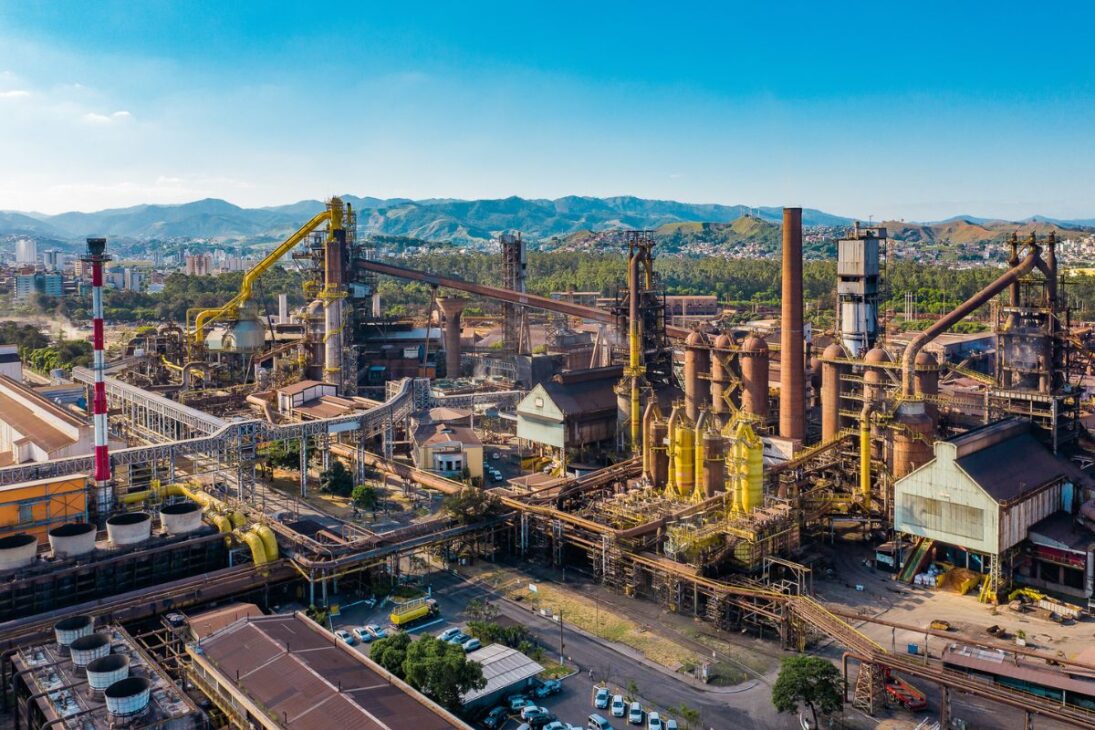
The coking plant is responsible for producing metallurgical coke from coal, used in the reduction of iron ore in blast furnaces. An efficient and modern structure at this stage reduces emissions, improves thermal efficiency, and ensures greater environmental control. The new coking plant will also be adapted to regulatory requirements and is expected to optimize energy consumption, according to the company’s management.
In the current context, Usiminas has faced difficulties in the domestic market, especially due to competition with imported steel. In the second quarter of 2025, the volume of domestic sales fell by 2.9% and the adjusted Ebitda of the steel sector dropped by 46%. The company calls for agility in anti-dumping investigations and demands concrete measures against unfair import practices.
How Is Usiminas’ Financial Health?
Despite the decline in margins, the company improved its cash flow, closing the quarter with R$ 281 million positive, compared to outflows recorded in the previous period. Net debt was reduced by 24%, falling to R$ 1.05 billion, and financial leverage dropped to 0.50x. President Marcelo Chara highlighted the technical capacity and solidity of the company, even amid a scenario of currency pressure and excess imports.
In the mining sector, the group also recorded progress in production and sales volume, with 2.5 million tons sold in the quarter. The Musa unit (Mining Usiminas) accounted for an Ebitda of R$ 115 million, even with a decline compared to previous quarters.
Do you think this type of investment is sufficient to protect the national industry? Can the modernization of coking plants reverse the impact of external competition? Leave your opinion in the comments; your perspective helps deepen the debate on the future of steelmaking in Brazil.





Seja o primeiro a reagir!