





 Portuguese
  English
  Spanish
 5 min of reading
  2 comments


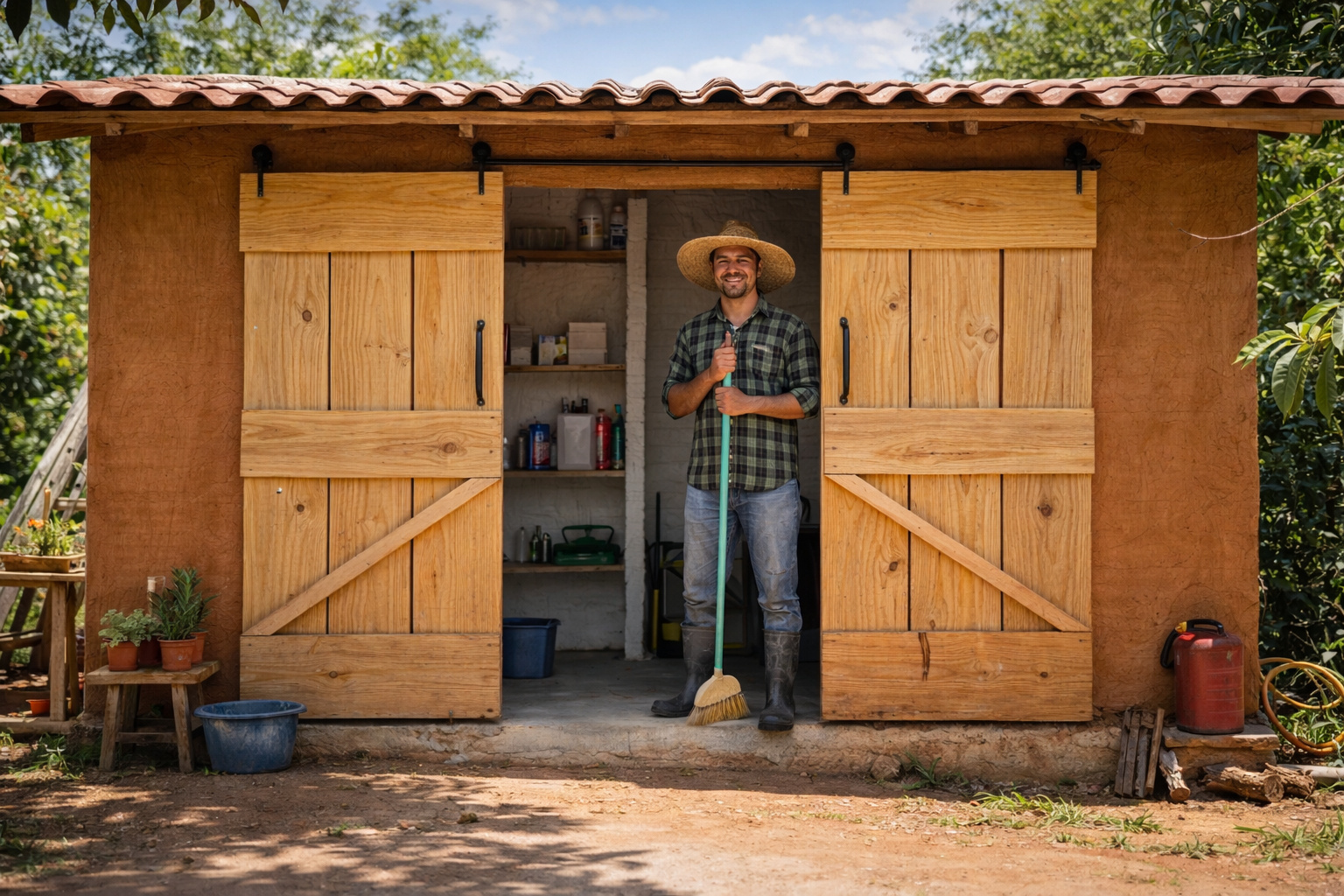


The Lean Construction of a Small 7 m² House Built Without Professional Experience in the Area Reveals How Information, Financial Planning, and Simple Choices Allow for the Creation of Functional Spaces Even with a Reduced Budget
Building a house from scratch is often associated with high costs, long timelines, and the need for specialized labor. However, the experience of a researcher who decided to build a small structure of just 7 m² by himself, investing R$ 5,800, shows that this scenario can be different when there is planning, access to information, and a willingness to learn.
The information was initially shared in a personal account on social media, where the author, Davi Moura, details all the steps of the construction and the decisions that allowed costs to stay well below the average values practiced in the civil construction market.
Even without being a bricklayer, carpenter, plumber, or electrician, he claims to have learned a bit from each area over time. According to the researcher, the process did not start with a house but with smaller projects, such as building a rabbit hutch and later a small house for chickens. This gradual learning was crucial to taking on bigger challenges with more confidence.
-
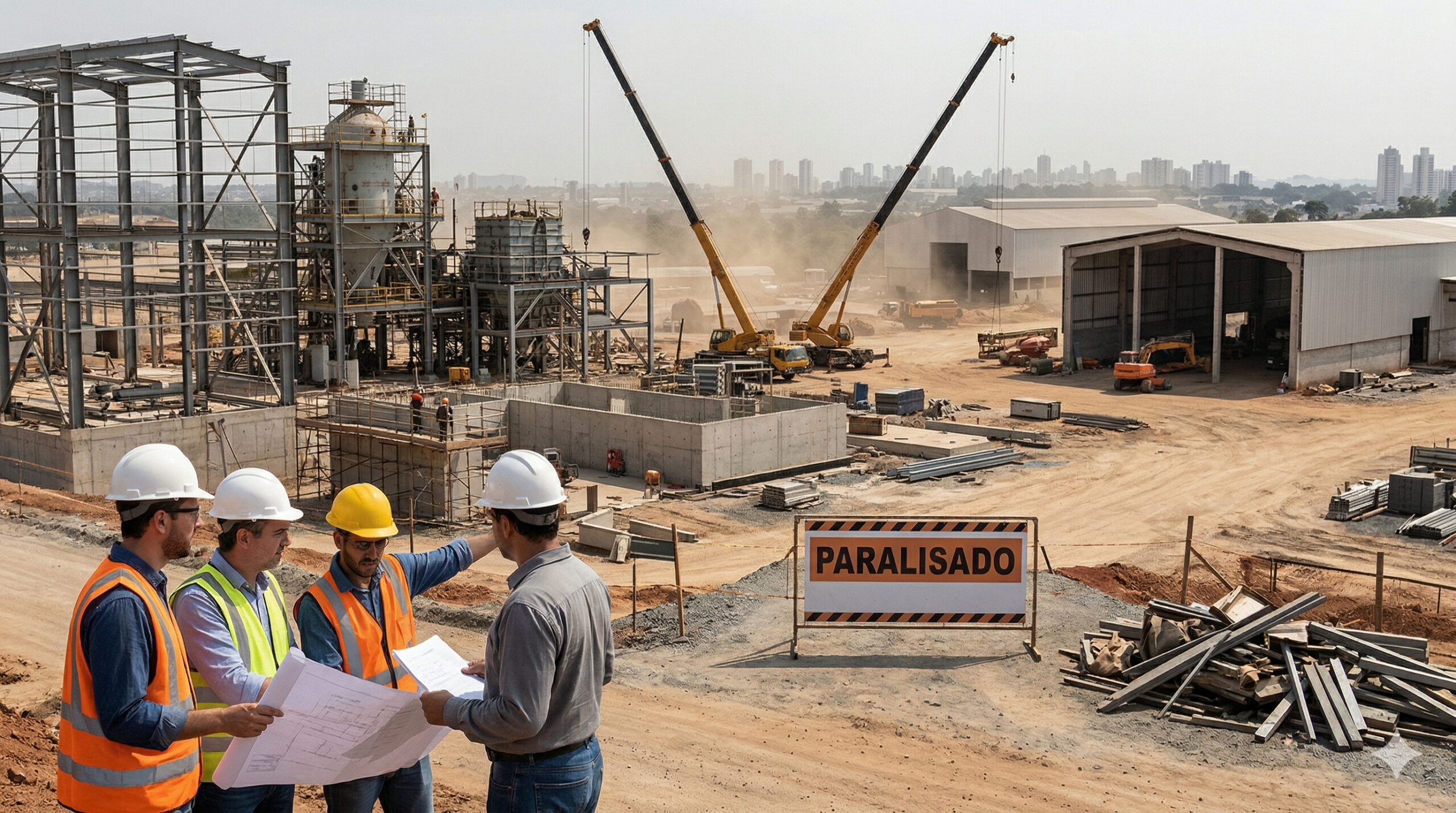
The lack of welders, electricians, and operators becomes a structural threat in 2025, with the construction industry and manufacturing already suffering from delays, cost pressures, and labor shortages in Brazil.
-
Brazil and Paraguay are just 46 meters away from a historic union on the bioceanic bridge that promises to revolutionize trade between the Atlantic and the Pacific.

-
With 55 km over the sea, a cost of US$ 20 billion, and enough steel to build 60 Eiffel Towers, China’s largest project has connected Hong Kong, Zhuhai, and Macau in a colossal bridge that defies the logic of engineering.

-
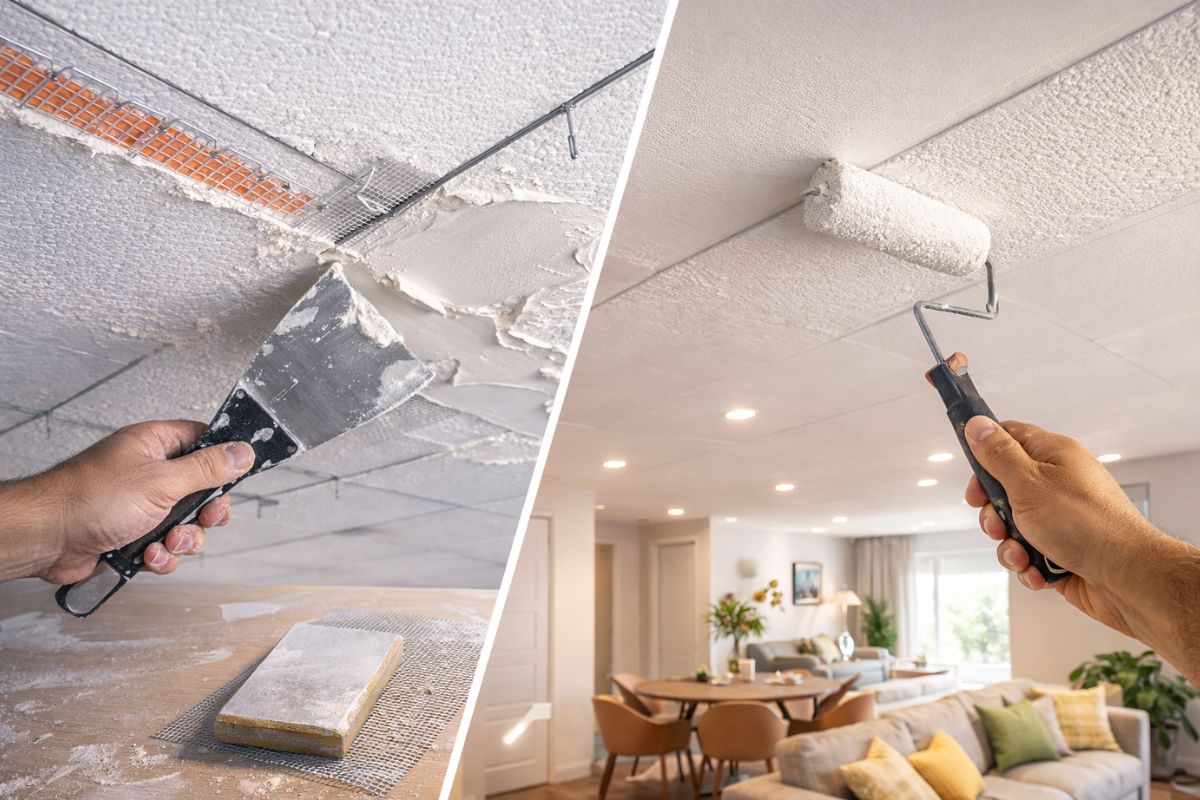
A trick with joint compound transforms a Styrofoam ceiling into a plaster-like ceiling: leveled panels, wires and mesh at the joints, sand, paint, and change the environment while spending little today.

How the 7 m² Construction Was Planned from the Start

The small property, nicknamed “celeirinho” because of the door style, was designed to meet the practical needs of the farm where it is located. The space serves as a tool storage, a place to store feed, various materials, and also as a laundry, combining multiple functions in a reduced area.
To make the project feasible, the materials chosen were simple and easily accessible in the market: ceramic blocks, sand, cement, pine and eucalyptus wood, and Portuguese roof tiles. This choice was decisive in keeping the total cost at R$ 5,800, even during a period of rising prices for inputs like cement, iron, and wood.
Another important point was the decision not to invest in finishes considered superfluous for a rustic space. The walls received only roughcasting and lime paint, which was deemed sufficient for a construction aimed at organization and daily work on the farm.
Burnt Cement Floor and Thermal Comfort
One of the highlights of the project is the burnt cement floor, chosen for both its low cost and durability. The researcher himself reports having taught the step-by-step of this type of floor on his social media, reinforcing the educational character of the project.
Besides being cheaper than porcelain tiles or rectified floors, burnt cement offers thermal comfort, keeping the internal environment cooler even on hot days. In external temperatures close to 33 °C to 34 °C, the interior of the construction remained visibly more pleasant, according to the report.
The choice of flooring also aligns with the rustic proposal of the space, avoiding expensive materials in an environment where functionality is a priority.
Internal Organization and Maximum Use of Space


Despite its small size, the interior of the house was planned to make use of every available inch. Four long shelves, about 2.10 meters long and 30 centimeters deep were installed to store water jugs, tools, suitcases, and storage boxes.
The transparency of the storage boxes facilitates quick identification of stored items, reducing the time spent searching for tools, electrical parts, screws, plumbing materials, and maintenance items. This level of organization was pointed out as essential to making daily routines lighter and more efficient.
According to the researcher, only 7 m² were enough to store dozens of items, in addition to accommodating a washing machine, a tank, and a space reserved for laundry products.
Solar Energy as a Temporary Solution
While the final connection to the electrical grid is not yet completed, the celeirinho already boasts a solar panel installed on the roof, connected to a battery. This system is sufficient to power basic appliances like the tank and the washing machine, ensuring immediate functionality in the space.
The internal electrical installation has already been prepared, with conduits and a circuit breaker box positioned. The bigger challenge lies in the need to dig a trench to bring electricity from the pole to the construction, something common in rural areas that requires time and physical effort.
Financial Planning and Costs of the Construction

Even though it is a small construction, the author emphasizes that costs can add up quickly when there is no financial control. Cement, wood, and iron represent significant expenses, especially in periods of high inflation in the construction sector.
For this reason, the researcher emphasizes that financial planning was an essential part of the project. He states that he prepared in advance by saving money and investing before starting the construction, avoiding surprises throughout the process.
According to him, this type of preparation allows for improvements on the farm in a sustainable manner, without compromising the family budget.
A Small Space with Multiple Possibilities

Throughout the account, the researcher also reflects on the use of space and mentions examples of cities around the world where people live in even smaller areas, with 3 m² or 4 m². For him, with some adaptations, like the inclusion of a bathroom, it would be technically possible to transform the space into a compact dwelling.
Located in a farm of 1,800 m², the construction reinforces the idea of utilizing every corner of the land. The celeirinho adds to other productive areas, such as mango, guava, coffee, banana, and grape orchards, creating a planned and functional environment.
In the end, the researcher emphasizes that learning to do, organize, and plan transforms not only the physical space but also the relationship with work and money. The small 7 m² house thus becomes a practical example of how simplicity, information, and organization can yield concrete results.








Coisa ****, vai dormir na rua, vai cozinhar na rua, vai fazer as necessidades na rua, casa para que .
Parabéns Davi, pelo empreendimento!