





 Portuguese
  English
  Spanish
  4 min of reading
  1 comment


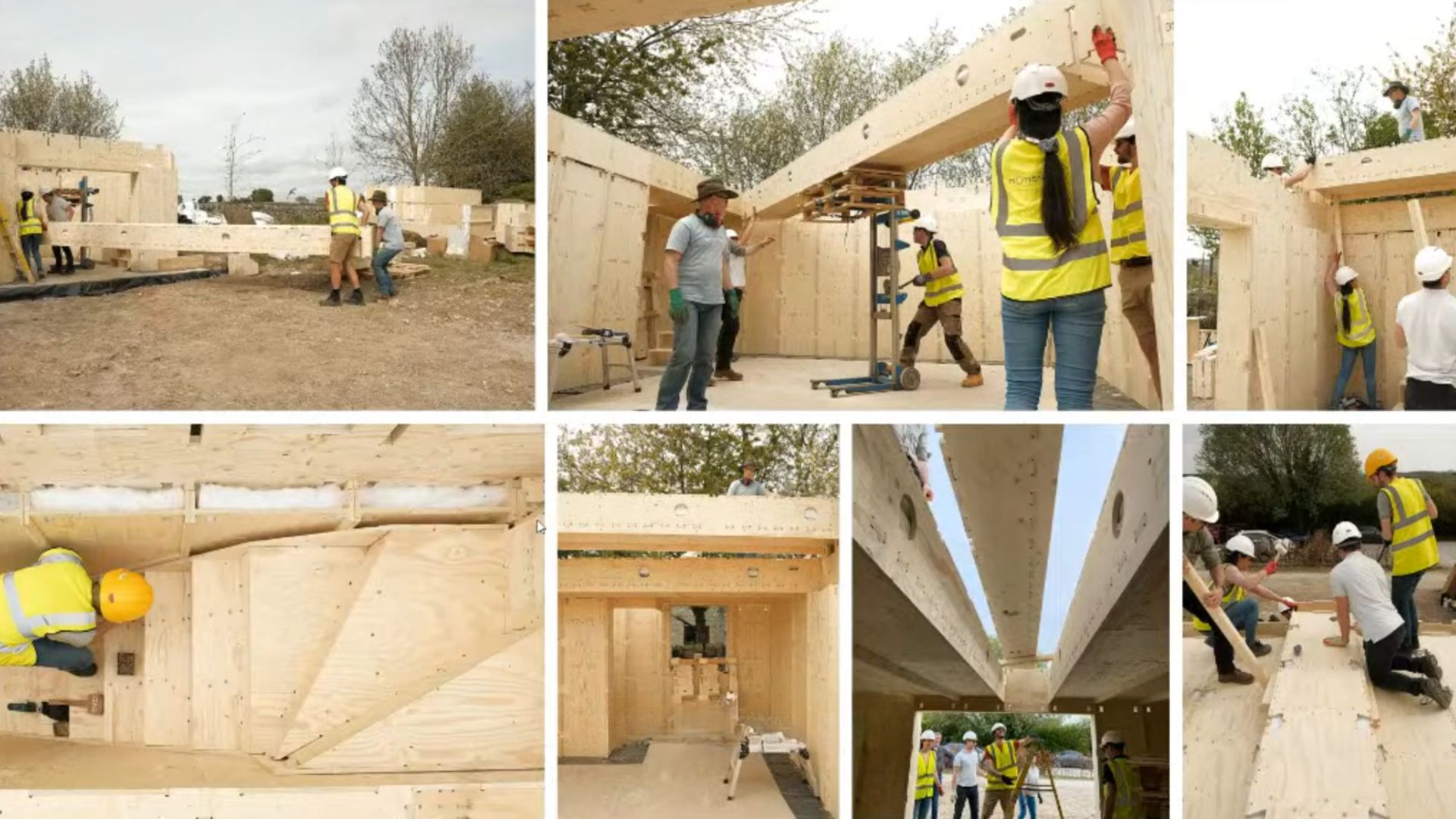


Modular Construction With Digital Files and CNC Cutting Proposes Quick Assembly of the Structure, Reduces Improvisation on Site and Invests in Local Manufacturing With Open Documentation, While Maintaining Technical Requirements, Safety Standards and Traditional Stages Such as Foundation and Installations.
A house that dispenses with bricks and mortar and uses pieces cut by CNC machines can have its structure assembled in a few hours, according to the proposal of WikiHouse, a platform that brings together digital files and technical guidelines for local manufacturing of structural components in wood.
The system starts from the conversion of the architectural project into files compatible with CNC routers, which are responsible for precisely cutting structural sheets and generating numbered pieces organized for sequential assembly according to the documentation provided by the initiative.
According to WikiHouse itself, when the manufacturing stage occurs according to technical specifications, the structural set can be quickly erected on site, as the panels arrive ready for fitting and fastening, reducing improvised interventions during execution.
-
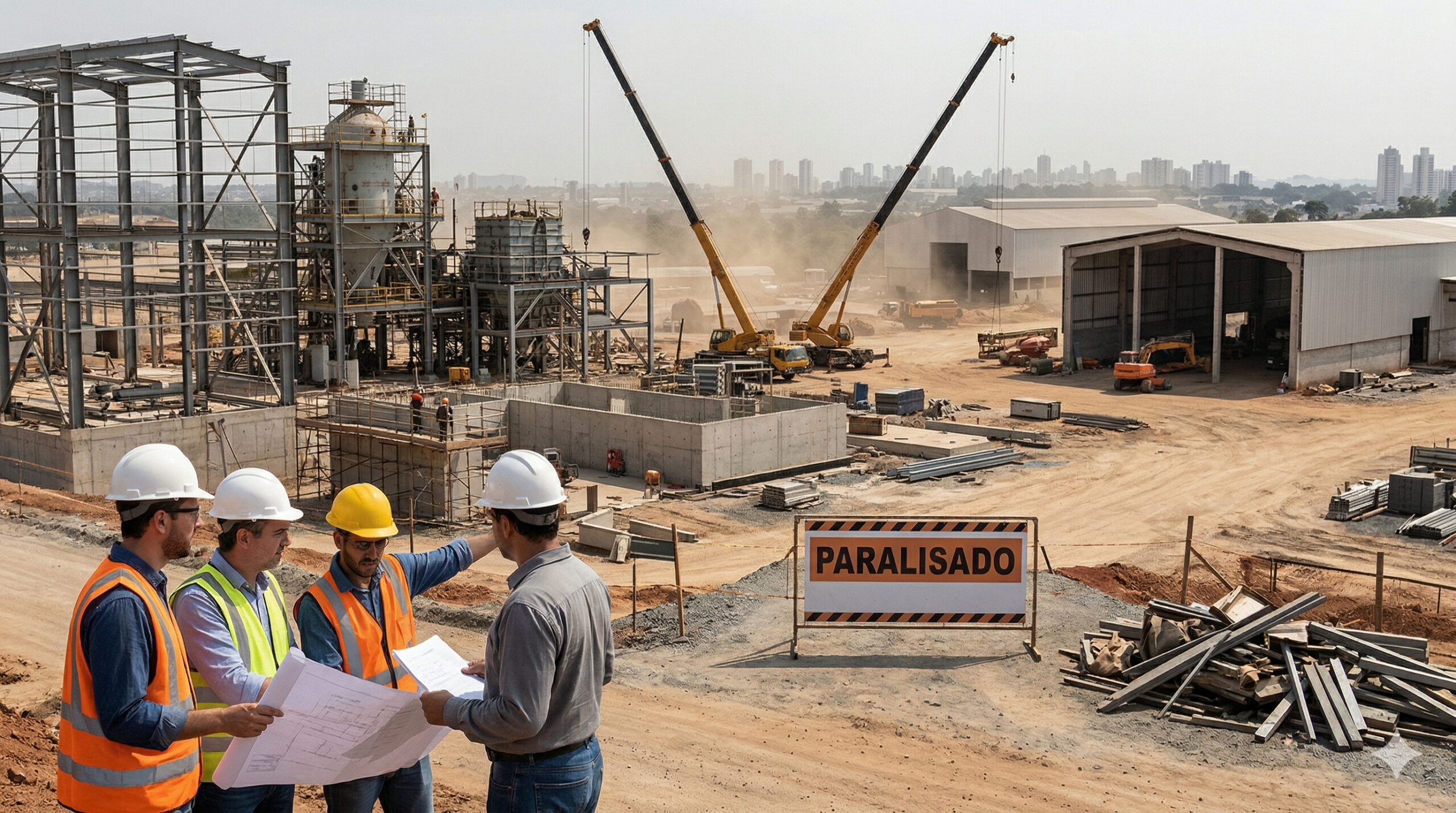
The lack of welders, electricians, and operators becomes a structural threat in 2025, with the construction industry and manufacturing already suffering from delays, cost pressures, and labor shortages in Brazil.
-
Brazil and Paraguay are just 46 meters away from a historic union on the bioceanic bridge that promises to revolutionize trade between the Atlantic and the Pacific.

-
With 55 km over the sea, a cost of US$ 20 billion, and enough steel to build 60 Eiffel Towers, China’s largest project has connected Hong Kong, Zhuhai, and Macau in a colossal bridge that defies the logic of engineering.

-
A trick with joint compound transforms a Styrofoam ceiling into a plaster-like ceiling: leveled panels, wires and mesh at the joints, sand, paint, and change the environment while spending little today.

From Digital File to Construction Site
Before any piece is assembled, the process requires compatibility between architecture, structure, and installations, as well as preparation of the cutting files, a stage considered central to avoid fitting errors and misalignments that compromise the final performance.
In this model, most of the heavy work is concentrated in the manufacturing phase, while the construction site functions as an assembly space, using common tools and reduced teams, as long as the base is leveled and ready to receive the structure.

Although the publicity often highlights the speed of assembly, the platform itself clarifies that the completion of the house involves additional stages, such as roofing, frames, waterproofing and execution of electrical and hydraulic installations, which still require specialized labor.
In addition, the total construction time depends on factors such as logistics, availability of materials, compliance with local regulations and project complexity, with no standard timeframe applicable to all situations or countries.
Open Source Construction and Local Manufacturing
The term “open source”, associated with WikiHouse since its inception, refers to the public sharing of documentation and files, allowing workshops equipped with CNC to manufacture components based on common technical guidelines, without relying on a single manufacturer.
Created in the UK in the early 2010s, the project was developed by members of the architecture studio 00 and collaborators, aiming to apply principles of collaboration and standardization, already established in technology, to the construction sector.
Over the years, different structural versions have been made available on the platform, including the system called Wren, described by WikiHouse itself as the first widely used generation, with dozens of houses built in various countries.
The organization reports that this initial version no longer receives active support, highlighting the continuous evolution of the system and the need for technical updates for new projects that use the methodology.
Engineering, Foundation and Technical Standards
Despite the proposal for constructive simplification, the method does not eliminate legal requirements or technical responsibilities, as each project must meet the safety standards, structural performance, and fire prevention regulations in effect at the deployment site.
The foundation remains a decisive element, as it is responsible for transferring loads to the ground and ensuring stability, needing to be dimensioned according to specific geotechnical characteristics and applicable municipal or state legislation.

WikiHouse advises builders to seek qualified professionals to review calculations and adjust the project to climatic and regulatory conditions, reinforcing that the opening of files does not replace the need for qualified technical supervision.
Without this care, any misalignment, imprecise cuts, or out-of-sequence assembly can generate rework and affect structural performance and sealing, according to manufacturing and assembly guides published by the platform itself.
Thermal, Acoustic Performance and Moisture Protection
In lightweight constructions based on structural wood panels, thermal and acoustic comfort depends on the complete composition of walls, including insulation layers, barriers against wind and moisture, and proper treatment of installation passages.
Experts in industrialized systems often point out that the structural material, in isolation, does not determine the final performance, which results from the integration of design, correct execution of joints, and application of seals compatible with the climate of the region.
Durability is also associated with protection against water, especially at transitions between foundation and structure, where inadequate construction details can facilitate infiltration or prolonged contact with rising moisture.
For this reason, the method recommends paying attention to eaves, gutters, edge sealing, and proper drainage, elements that directly influence the building’s lifespan and the necessary maintenance over time.
Reduction of Waste and Predictability in Construction
Another argument often associated with the system is the possibility of reducing material waste, as digital cutting allows for better planning of the utilization of sheets and sending to the construction site only the necessary components.
According to analyses on industrialized construction, the predictability of standardized pieces tends to reduce improvised adjustments and the amount of debris, although the actual environmental impact depends on the origin of inputs, transportation, and the building’s durability.
The clear visualization of the assembly process, with flat pieces transforming into panels and habitable volumes, contributes to public understanding of the method, but does not alter the technical requirements related to safety and regulatory compliance.
In practice, the feasibility of the model depends on the articulation between compatible design, precise manufacturing, assembly according to specifications, and full compliance with local rules, factors that determine whether structural speed translates into a building suitable for regular use.








Qual é exatamente o material????