





 Portuguese
  English
  Spanish
  4 min of reading
  0 comments



Lawmakers Vote on Bill That Creates Management Committee and Defines How the New Consumption Taxes Will Be Collected, Consolidating the New Rules of the Tax Reform That Will Enter Testing Phase in 2026
The Senate is preparing for a vote considered decisive: next Wednesday, lawmakers are expected to analyze the second part of the regulation of the tax reform. The expectation is that the plenary will decide on the Complementary Law Project (PLP) 108/2024, which establishes the new rules of the tax reform aimed at the collection and distribution of consumption taxes.
According to Jornal de Brasília, the text creates a Management Committee responsible for administering the IBS (Tax on Goods and Services), which will replace state and municipal taxes, and the CBS (Contribution on Goods and Services), under federal jurisdiction. These two taxes will become the backbone of consumption taxation starting in 2027, with a transition phase already anticipated for 2026.
What Is at Stake in the Senate
The proposal to be considered by the senators defines how the Union, states, and municipalities will share the revenue from the new taxes.
-
Larger than entire cities in Brazil: BYD is building a 4.6 km² complex in Bahia with a capacity for 600,000 vehicles per year, but the discovery of 163 workers in conditions analogous to slavery has shaken the entire project.

-
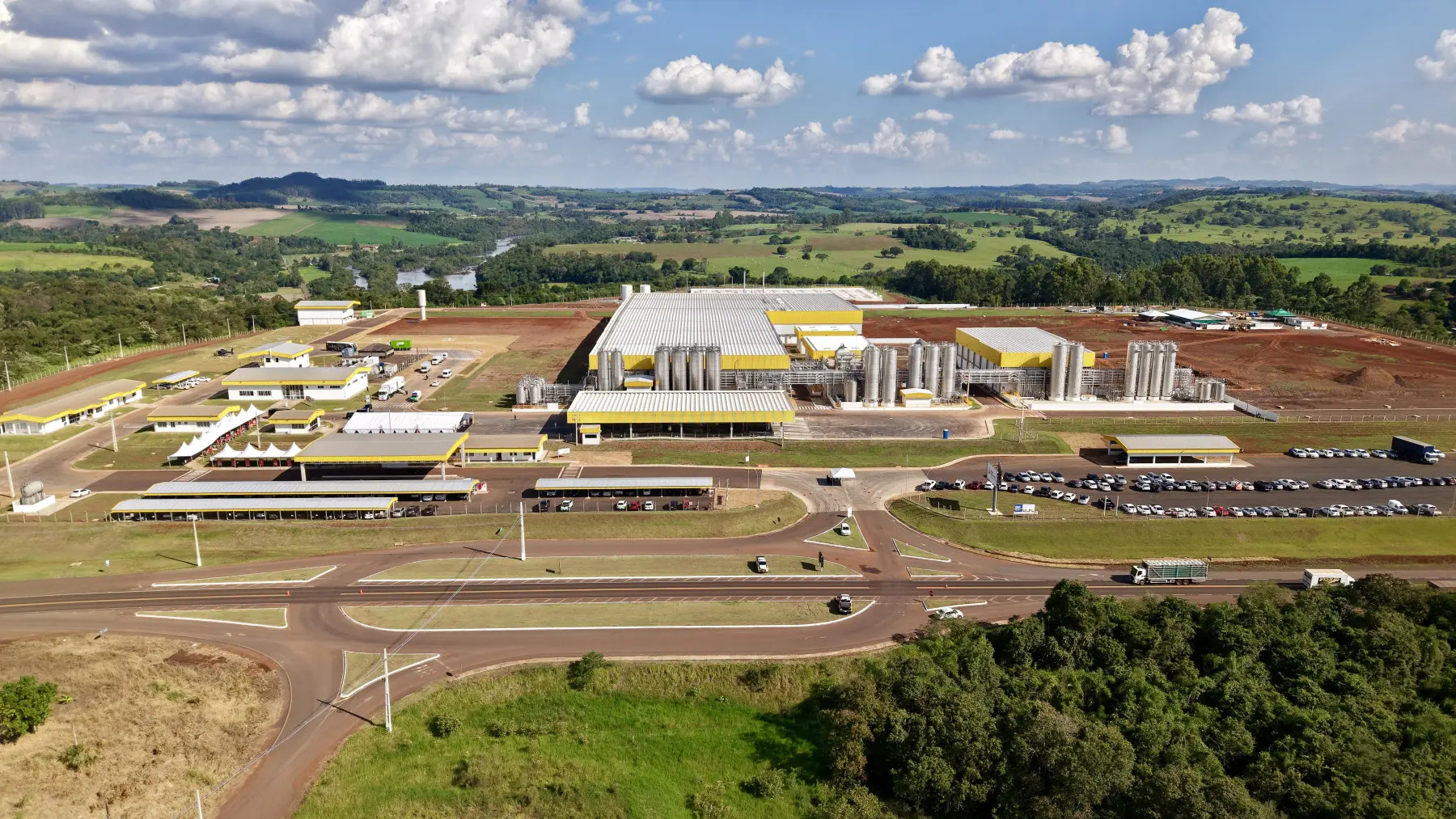
With an investment of R$ 612 million, a capacity to process 1.2 million liters of milk per day, Piracanjuba inaugurates a mega cheese factory that increases national production, reduces dependence on imports, and repositions Brazil on the global dairy map.
-
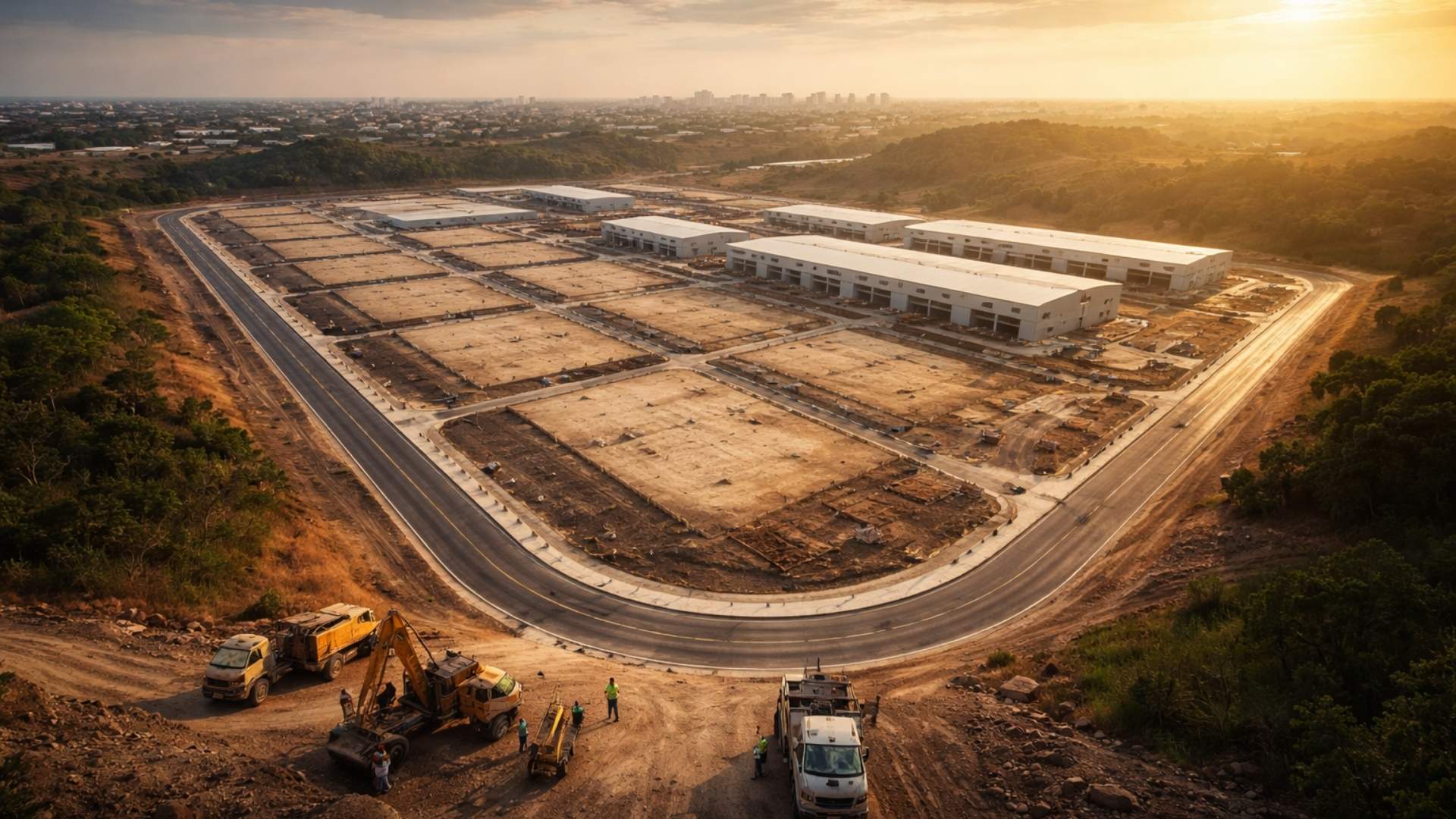
Brazilian city gains industrial hub for 85 companies that is equivalent to 55 football fields.
-
Peugeot and Citroën factory in Argentina cuts production by half and opens a layoff program for more than 2,000 employees after Brazil drastically reduced purchases of Argentine vehicles.


The creation of the Management Committee is seen as a crucial step to ensure federative balance and reduce legal disputes between entities.
The centralization of management promises to simplify collection, but also raises concerns about loss of state autonomy.
Jornal de Brasília highlights that the approval of PLP 108/2024 does not conclude the regulation of the reform but paves the structural foundation that will provide security to the system.
If approved, the text will return to the Chamber of Deputies for final analysis.
Transition and Impact on Consumption
The new rules of the tax reform will be implemented gradually.
In 2026, there will be a testing period during which the IBS and CBS will be collected on an experimental basis.
Starting in 2027, the new model will come into full effect, replacing the current fragmented tax system on consumption.
Experts point out that unification tends to simplify the taxpayer’s life and reduce the so-called fiscal war.
However, there are also doubts about how specific sectors of the economy, such as services and e-commerce, will adapt to the new rates and transfer rules.
Parallel with the Tariff Hike
Before facing the vote on Wednesday, senators are expected to review on Tuesday PLP 168/2025, which seeks to enable measures to assist companies impacted by the recent tariff hike in the United States.
Although it is a distinct agenda, the proximity between the two projects highlights the economic weight of the deliberations this week.
According to Jornal de Brasília, the text regarding the tariff hike provides for up to R$ 5 billion in tax exemptions through the Reintegra program and authorizes the Union to bolster guarantor funds with up to R$ 4.5 billion.
This context shows how the decisions made by the Senate this week will have direct effects both in the short and long term on national economic policy.
Government Expectation and Next Steps
The federal government bets on the approval of the new rules of the tax reform as a sign of stability and modernization of the tax system.
At the same time, it faces pressures from sectors that fear an increase in the tax burden or loss of competitiveness.
According to Jornal de Brasília, if the project advances, the next phase will be the implementation of the Management Committee, which will need to structure unified collection systems and prepare for the transition phase.
The expectation is that the new tax architecture will be one of the main economic legacies of the current legislature.
The vote scheduled for Wednesday is more than a legislative step: it represents the chance for Brazil to take a definitive step towards a simpler and more uniform system of consumption tax collection.
If, on the one hand, centralization promises to reduce bureaucracy, on the other hand, it opens discussions about federative autonomy and sectoral impacts.
And you, do you believe the new rules of the tax reform will actually simplify taxpayers’ lives or do you fear that they will bring new complexities and hidden costs? Leave your opinion in the comments — we want to hear from those who experience these effects daily.









Seja o primeiro a reagir!