





 Portuguese
  English
  Spanish
  3 min of reading
  0 comments


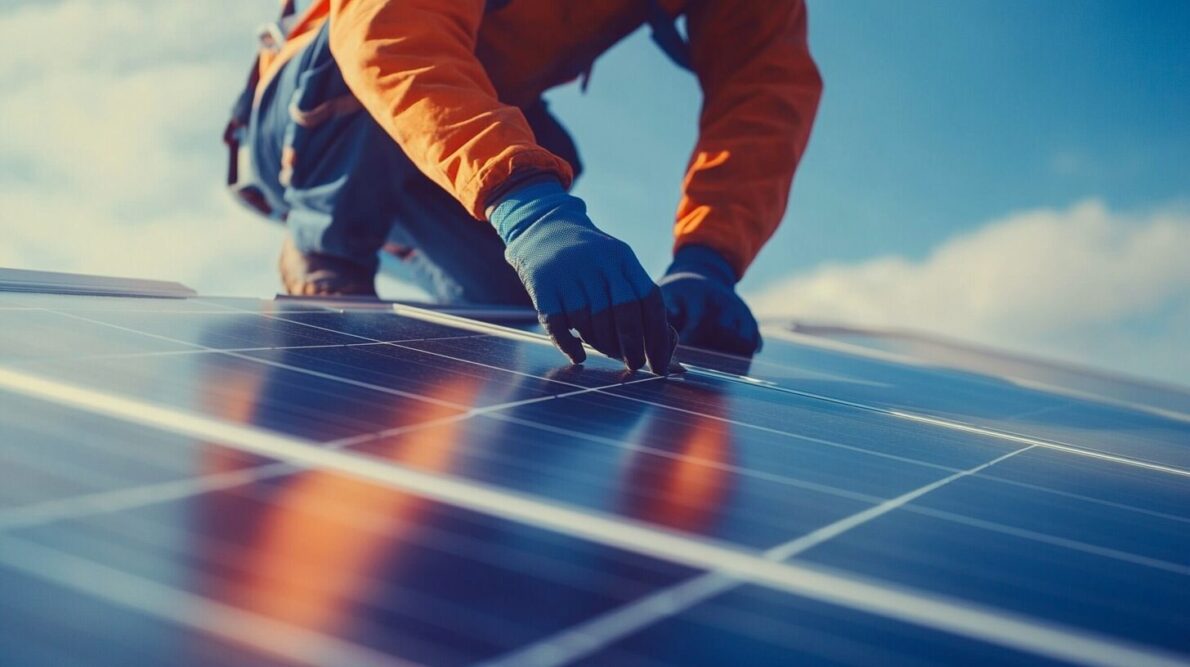
Senate Approves New Law Changing Solar Energy Rules in Brazil and Extending Deadlines for Microgeneration and Distributed Generation Projects!
The recent approval of an amendment in the Senate has brought relief to small producers of solar energy in Brazil. The change extends the deadline for the connection of new projects to the electrical grid from 12 to 30 months, facilitating the fulfillment of requirements and unlocking bureaucracies that hindered the sector’s advancement, according to the website Terra.
With this measure, the Senate aims to strengthen the legal framework of micro and distributed generation, ensuring that the growth of solar energy in Brazil continues without so many barriers.
What Changes with the New Rule for Solar Energy
The Federal Senate recently approved the Amendment 45 to PL 528/2020, which alters the Law 14.300/2022, also known as the Legal Framework for Microgeneration and Distributed Generation. This amendment brings significant changes, especially regarding the deadline for small producers of solar energy to connect their systems to the electrical grid.
-
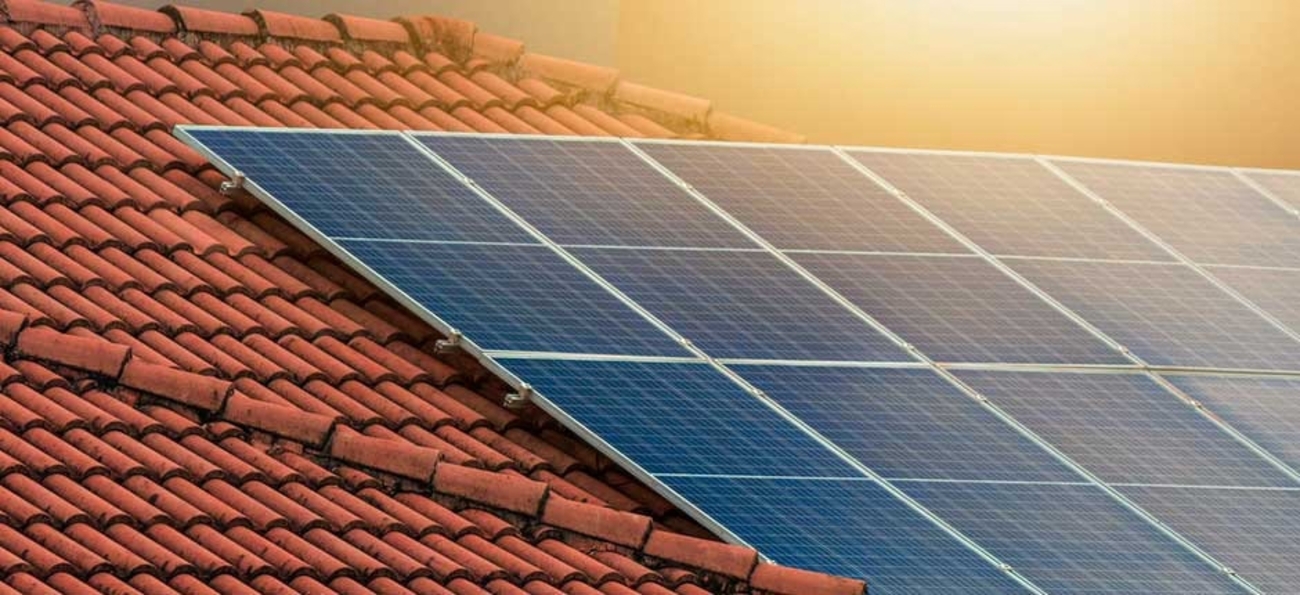
Roraima bets on the sun to escape high tariffs: Amid the energy crisis and price hikes, solar energy is growing in Roraima and transforming consumption in the North region.
-
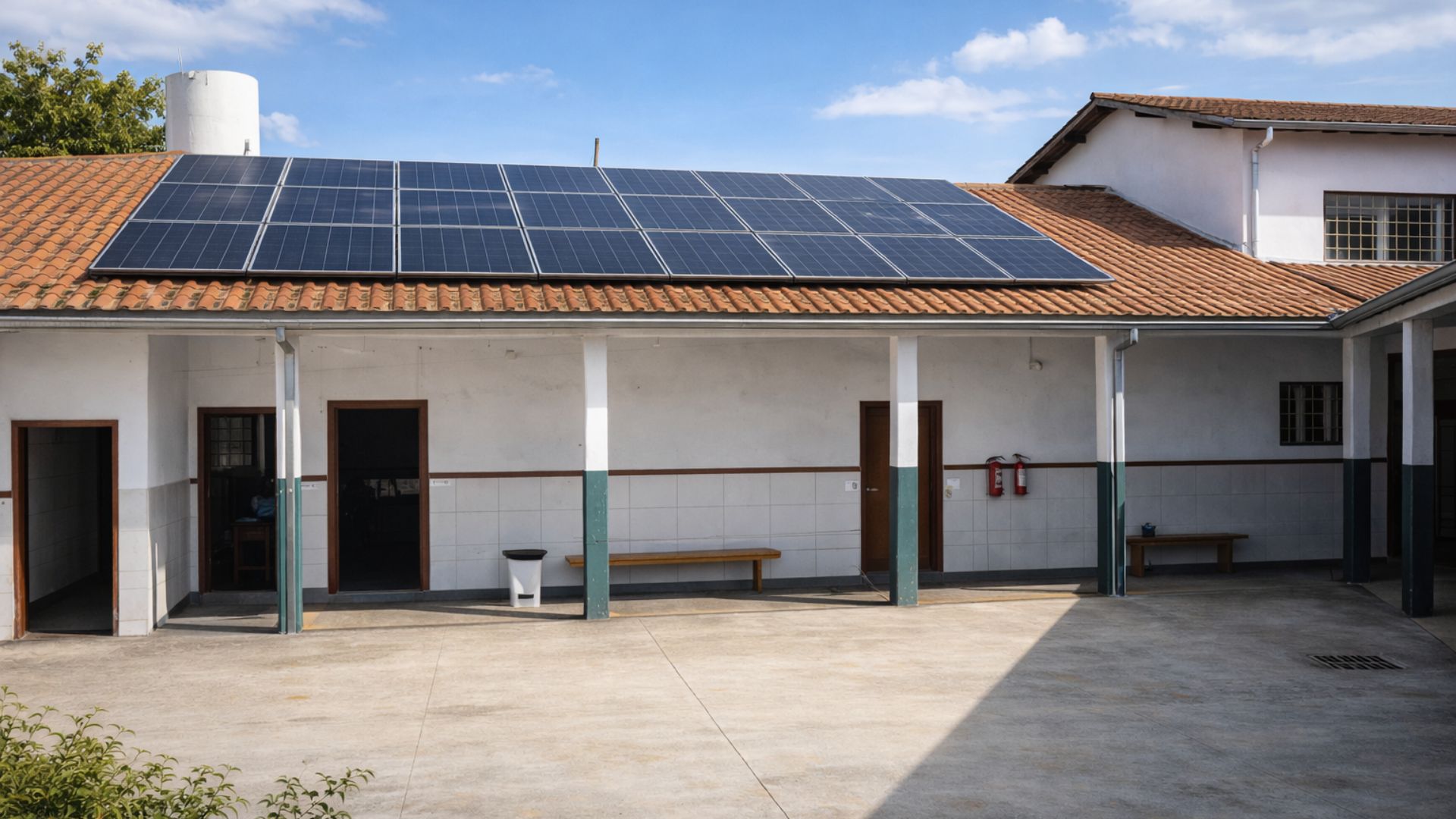
Copel boosts solar energy in Paraná and brings innovation to public schools, promoting savings on electricity bills, energy efficiency, and a direct impact on the quality of education.
-
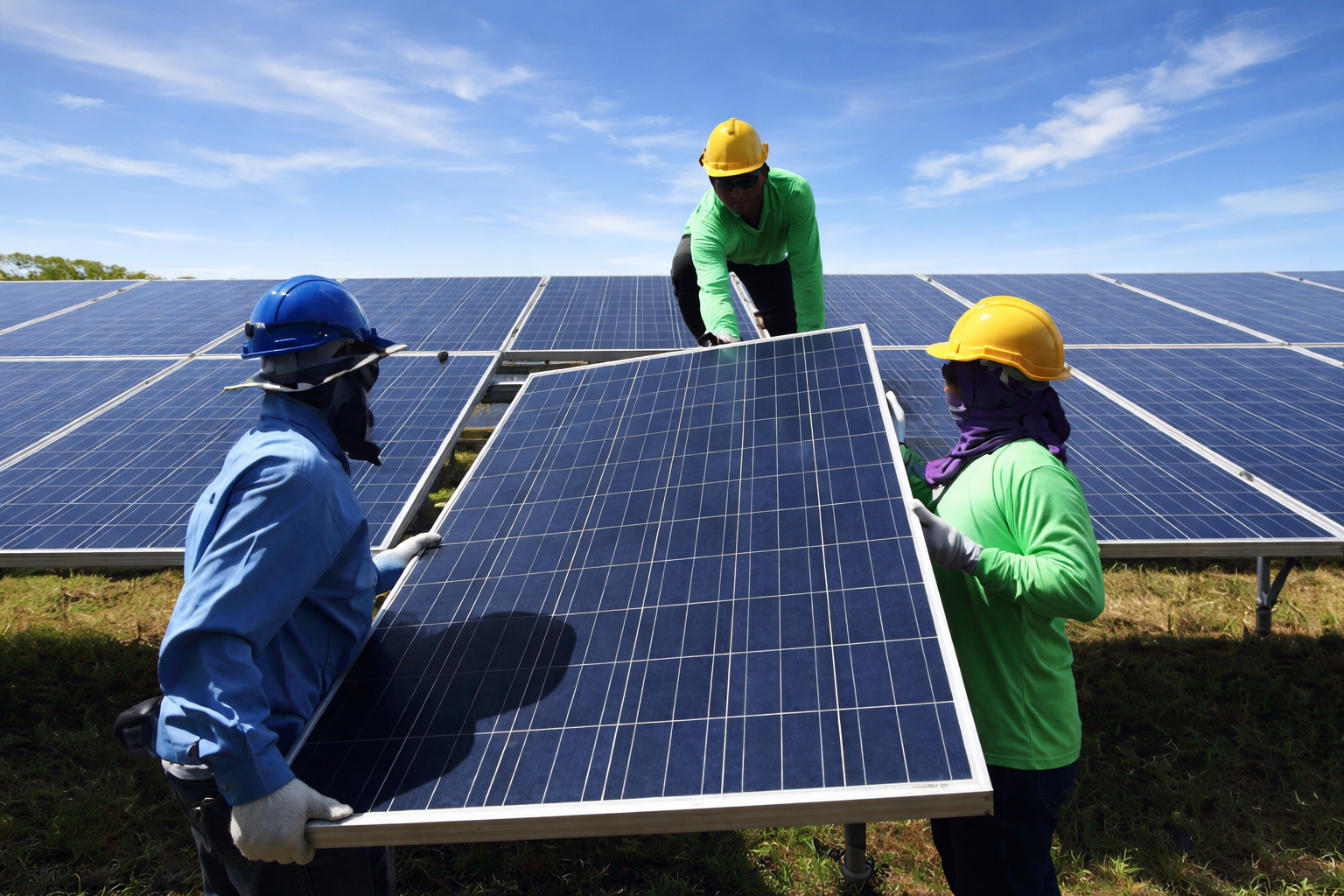
Brazil reaches historic milestone in solar energy: Sector surpasses 2 million accumulated green jobs and generates billions in the national economy even under market pressure.
-
Minas Gerais takes the lead in renewable energy: State surpasses historic mark of 14 GW in solar energy generation in MG and consolidates dominance in the Brazilian electric sector.
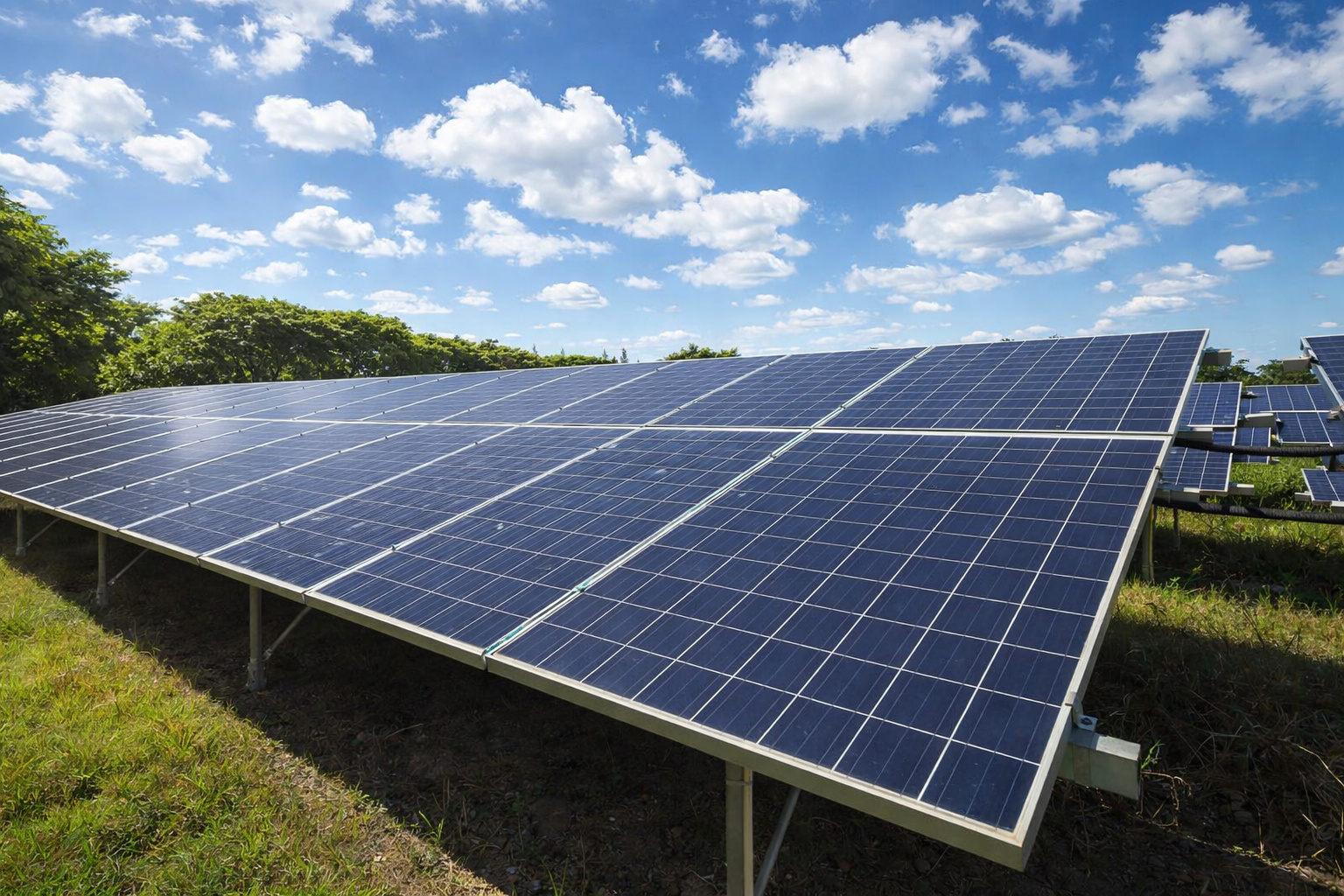

Until now, the law stipulated that producers who had already obtained project approval from the power company had to complete the entire project execution within 12 months. However, due to regulatory, environmental, and land use hurdles, many entrepreneurs considered this deadline too short to handle all stages. Now, with the approved amendment, the deadline has been extended to 30 months, providing more breathing room for producers.
Relief for Solar Energy Producers
Those who were already racing against the clock to meet all the requirements of distributors and regulatory agencies can breathe a sigh of relief. The new rule not only extends the deadline but also provides security for projects that were already underway, avoiding the risk of many entrepreneurs losing their right to connect to the grid due to delays in the schedule.
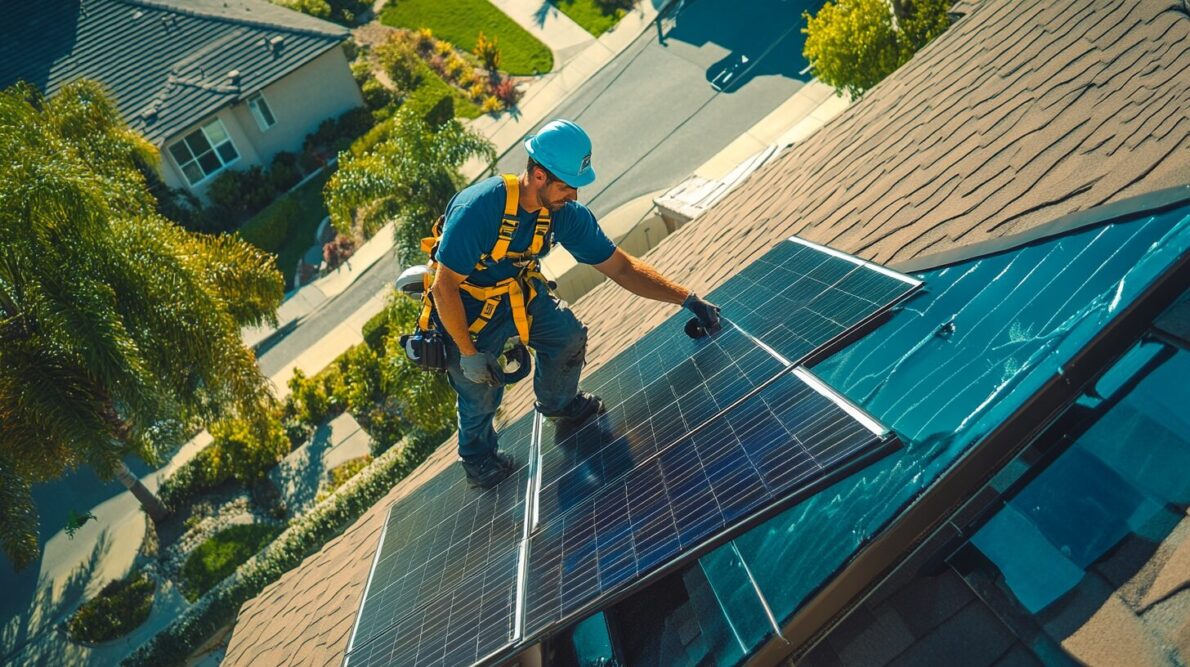
It is important to emphasize that this change does not open a new window for creating projects or granting benefits, but rather provides more time for those already approved to be completed. In other words, it is a measure that not only does not financially impact public policies, but also does not create new demands on the system.
Bureaucracy Still a Challenge
Even with the deadline extension, bureaucratic challenges continue to be an obstacle for the growth of solar energy in Brazil. In addition to technical issues involved in project execution, producers still need to deal with a series of hurdles related to environmental licensing, land use, and public agency regulations, such as the National Electric Energy Agency (ANEEL).
With the new rule, it is expected that the licensing and connection stages can be completed in a more fluid manner, minimizing delays and ensuring that Brazil continues to advance toward a cleaner and more sustainable energy matrix.
Next Steps: Chamber of Deputies
Now that the amendment has been approved in the Senate, the text goes to the Chamber of Deputies, where it will be voted on next week. If approved, the new law will take effect immediately, benefiting small and medium solar energy producers who are still in the process of executing their projects.
For those already working in the sector, the expectation is that the final approval will bring even more legal security and predictability, encouraging the sustainable growth of solar energy in Brazil. After all, “the more sun, the better,” and now with more time, the future of solar energy looks brighter than ever.
“senate”, “law”, “rule”, “energy”, “solar energy”








Seja o primeiro a reagir!