Portuguese
  Spanish


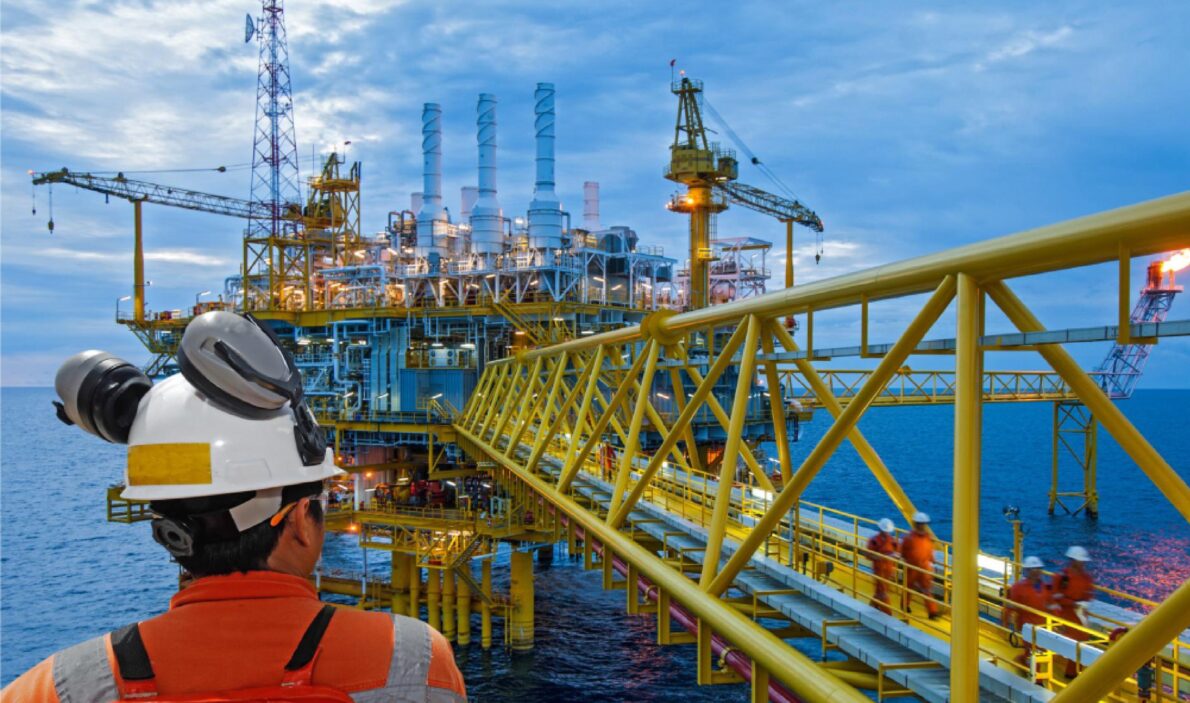

Learn More About The Oil Engineering Professional, Salary, Requirements, Challenges, And More!
With the growing global energy demand, oil engineers play a vital role on offshore platforms, designing and overseeing the extraction of oil and gas. This promising career offers technical challenges, high salaries, and global opportunities, making it one of the most attractive in the energy industry, according to the site Engenharia 360.
Challenges And Opportunities For Oil Engineers In Offshore Environments
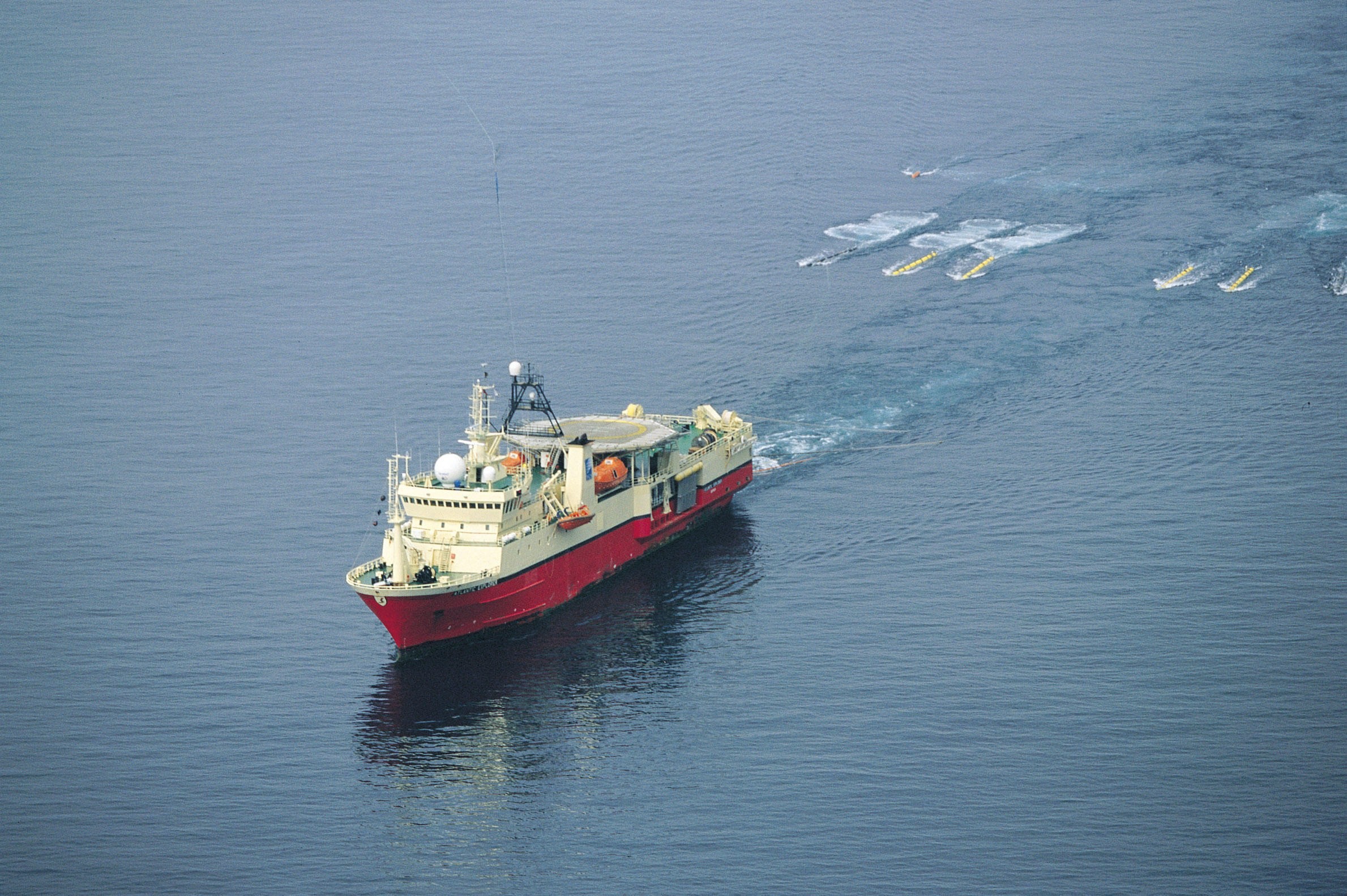
Oil engineers are highly qualified professionals who work both onshore and on offshore platforms. Their main role involves creating efficient methods for oil and gas extraction, utilizing advanced technologies such as computational simulations and data analysis. Additionally, they monitor production, identify failures, and implement improvements to maximize efficiency and ensure operational safety.
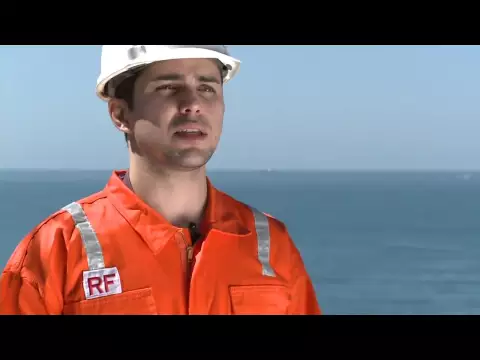

Working on offshore platforms is particularly challenging due to the remote environment and adverse conditions. Operations in these structures are essential for ensuring the continuous production of oil and gas, especially in regions with inaccessible reserves on land. Practically speaking, the routine of an oil engineer involves the supervision of the entire drilling, production, and equipment maintenance process in extremely controlled environments, where safety is a top priority.
-
Qantas and Airbus Invest in Company Aiming to Convert Unsorted Household Trash into Jet Fuel

-
Brazil’s ANP Opens 86 New Oil Blocks in the Equatorial Margin, Expanding the Amazon River Mouth Frontier

-
OPEC+ Boosts Oil Supply by 188,000 Barrels per Day in July 2026, Leading to Price Drop from $112 to $89 per Barrel in Under Two Months

-
TotalEnergies Signs 20-Year Deal to Purchase 2 Million Tons of LNG from Alaska, Boosting Project Viability

Benefits Of A Career In The Offshore Industry
Choosing a career in oil engineering offers significant advantages. The average salary of an oil engineer in Brazil is attractive, with amounts that can exceed R$ 15,000.00 monthly, depending on the professional’s experience and qualifications. Furthermore, the potential for growth within the field is broad, with opportunities for taking on leadership positions or managing complex projects.
Another benefit is the stimulating work environment. Oil engineers are constantly involved in challenging projects that require innovation and creative solutions to maximize the safe and sustainable production of oil and gas. Additionally, this career allows professionals to work in different parts of the world, as offshore operations occur in various regions, such as the North Sea, the Gulf of Mexico, and the Brazilian coast.
Challenges And Risks Of Offshore Work
Despite the advantages, working on offshore platforms also brings risks and challenges. Oil engineers need to deal with extreme weather conditionss, such as storms and strong winds. Prolonged isolation and close living with other professionals can also be taxing, requiring adaptability and resilience.
Safety is a constant concern. Operations involve the handling of heavy equipment and the presence of flammable materials, making it essential to follow strict safety protocols. Additionally, the environmental impact of offshore activities is a factor that requires heightened attention, as oil spills can cause irreversible damage to the marine ecosystem.