





 Portuguese
  English
  Spanish
 3 min of reading


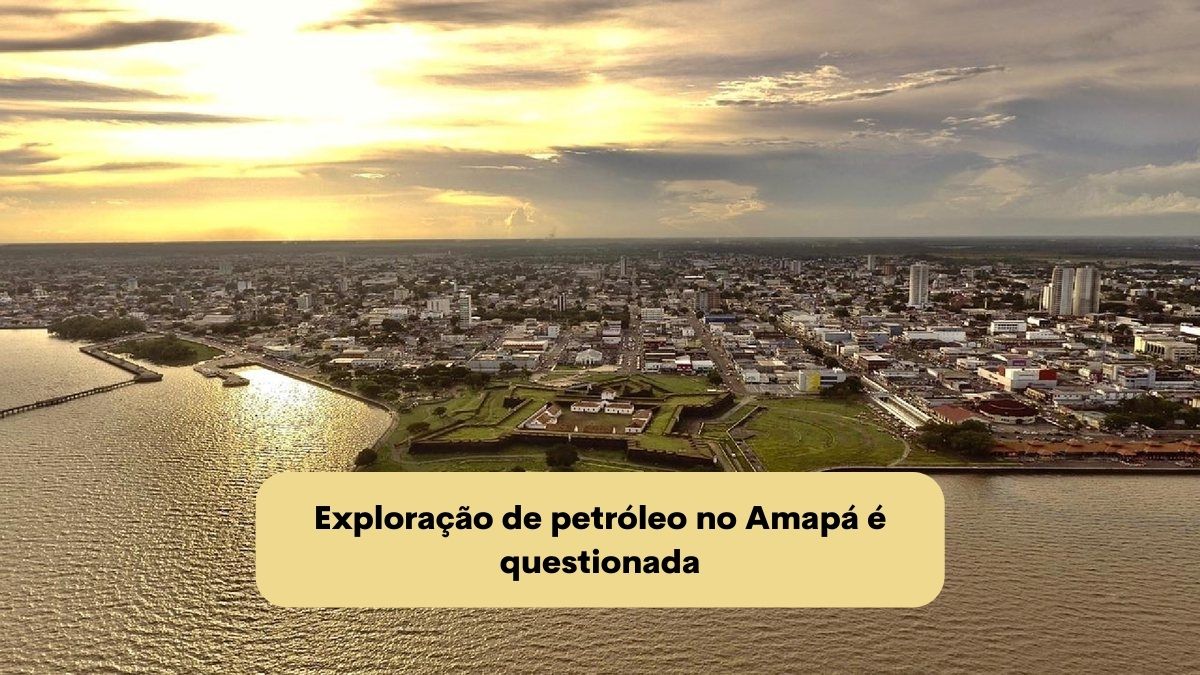
Petrobras Still Faces Challenges to Explore Oil and Gas in Amapá. Company Awaits Authorization for 10 Years
Senator Lucas Barreto, from the PSD of Amapá, questions the prohibition of oil and gas exploration in the pre-salt area off the coast of the state, while Petrobras has authorization to explore near the corals on the northeastern coast. The lawmaker advocates for immediate authorization to prospect for oil and explore gas, arguing that the state needs to install a large gas thermal power plant in Oiapoque and a liquefied petroleum gas processing facility for nitrogen production for agriculture.
However, institutions like Greenpeace point out that oil and gas exploration in Amapá poses risks to biodiversity and the local nature. The region is rich in natural resources and hosts various animal and plant species, along with important marine ecosystems. The exploration of these resources could cause irreparable damage to the area, such as air and water pollution, oil spills, and other forms of contamination. Learn more!
Understand More About Oil and Gas Exploration on the Coast of Amapá with the Video Below


Amapá is a National Highlight in Oil and Gas Production, but Resources Still Cannot Be Exploited
The state of Amapá is known for its abundance of natural resources, including oil and gas. These resources are located in the pre-salt layer off the state’s coast. However, it is the subject of disputes between environmentalists and businessmen. Furthermore, Petrobras may explore the region.
-
Petrobras evaluates suspension of sales to distributors and considers canceling the cooking gas auction following guidelines from the Federal Government.
-
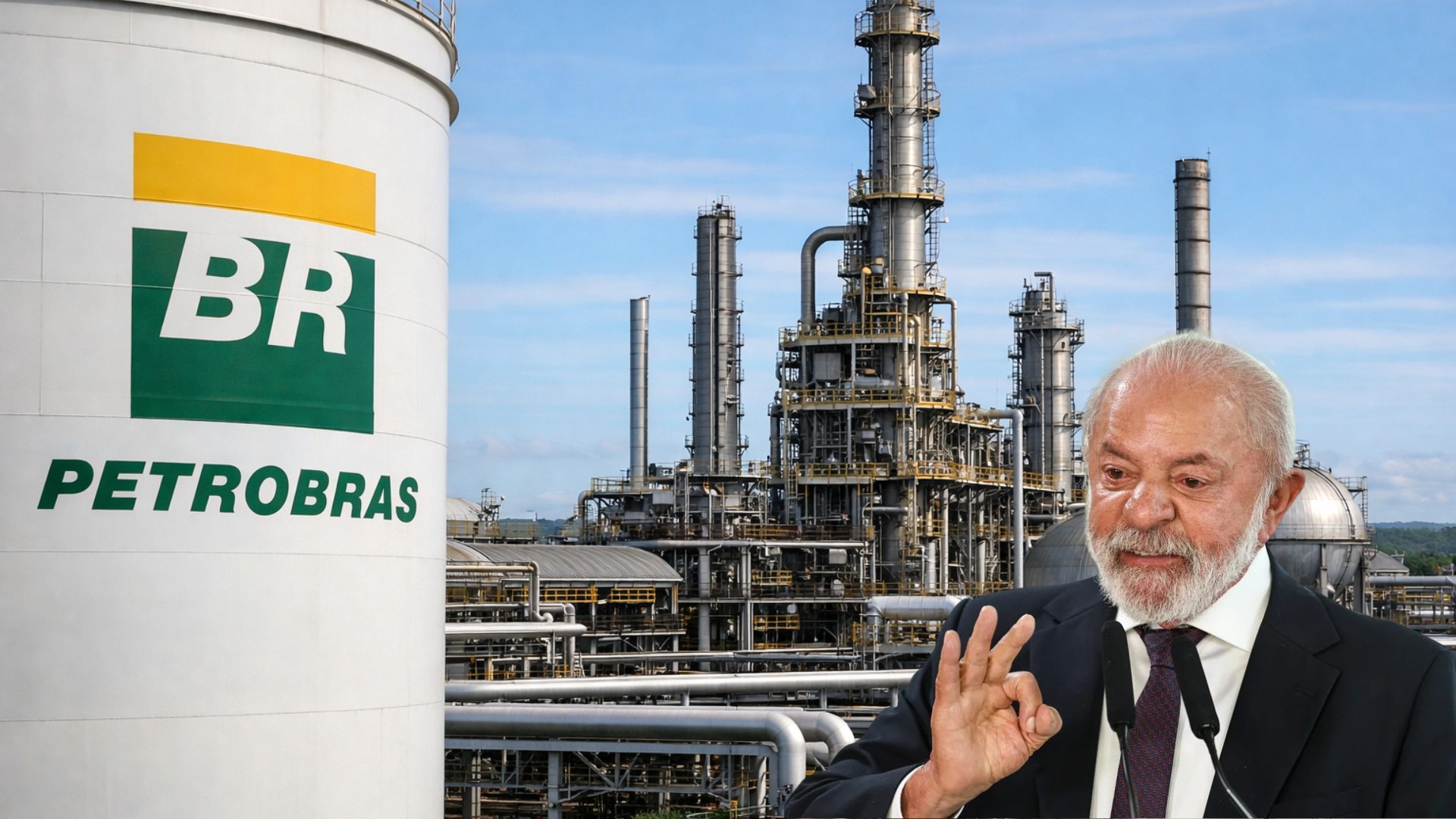
Lula reveals a masterstroke by Petrobras to undo a deal made by Bolsonaro, which involves the return of an important refinery that currently produces less than half of what was expected and makes Brazil dependent on international diesel.
-
A study confirms that the natural gas sector will reduce greenhouse gas emissions in Brazil by 0.5% and accelerate the energy transition by 2026.

-
Petrobras implements a severe adjustment and confirms a 55% increase in the price of aviation kerosene with a proposal for installment payments for the companies.


Despite being a region rich in oil and gas, the exploration of these resources is still limited in Amapá. This is partly due to a lack of investment in the sector and also to environmental restrictions aimed at protecting the region’s biodiversity.
Moreover, oil and gas exploration in Amapá remains a contentious issue. On one hand, the exploration of these resources could boost the local economy and create jobs for the population. On the other hand, the exploration could have negative impacts on the environment, jeopardizing marine ecosystems and the region’s biodiversity.
It is important that the debate surrounding oil and gas exploration in Amapá is conducted in a transparent and democratic manner, considering all perspectives involved. It is necessary to find a balance between economic development and environmental preservation to ensure a sustainable future for the state and the entire country.
National Petroleum Agency Estimates Billions of Barrels in the Region
According to estimates, the Amapá region has significant reserves of oil and gas. In fact, a report from the National Petroleum Agency (ANP) estimates that there may be up to 3.5 billion barrels of oil in the region.
This potential for oil and gas extraction could provide a significant boost to the economy of the region and the entire country with Petrobras’s exploration. However, it is essential to ensure safety and sustainability for exploration and production activities. That is, without harming the environment or local communities.
Exploration Should Be Conducted Rationally to Avoid Greater Harm
Therefore, it is essential to have a responsible and transparent debate around oil and gas exploration in Amapá, considering the environmental and social impacts of the activity. A balance must be found between economic development and environmental preservation to ensure a sustainable future for the state and the entire country.
Additionally, strict safety measures must be adopted by Petrobras to minimize the risks of accidents and ensure the protection of biodiversity and local ecosystems. This includes implementing effective contingency plans in the event of oil spills or other forms of contamination.








Seja o primeiro a reagir!