





 Portuguese
  English
  Spanish
  5 min of reading
  32 comments





The Oil-Bathed Timing Belt, Component That Replaced the Old Dry Belts in Models Like Chevrolet Onix, Tracker and Montana, Has Been Seen as a Promising Technological Innovation.
However, with reports of problems and high maintenance costs, the reputation of the part has been tarnished. Now, General Motors (GM) is making a big bet to change this narrative: the automaker announced an extended warranty for an impressive 240,000 kilometers, with no time limit.
With this measure, Chevrolet is trying to turn a point of criticism into a symbol of trust and durability.
According to information obtained by the magazine Quatro Rodas and confirmed by General Motors Brazil, the new warranty applies to vehicles manufactured from 2020, whether they are new or used.
-
A 250cc motorcycle that can reach 560 km with a 14-liter tank, features disc brakes on both wheels and is among the most well-known in Brazil.
-
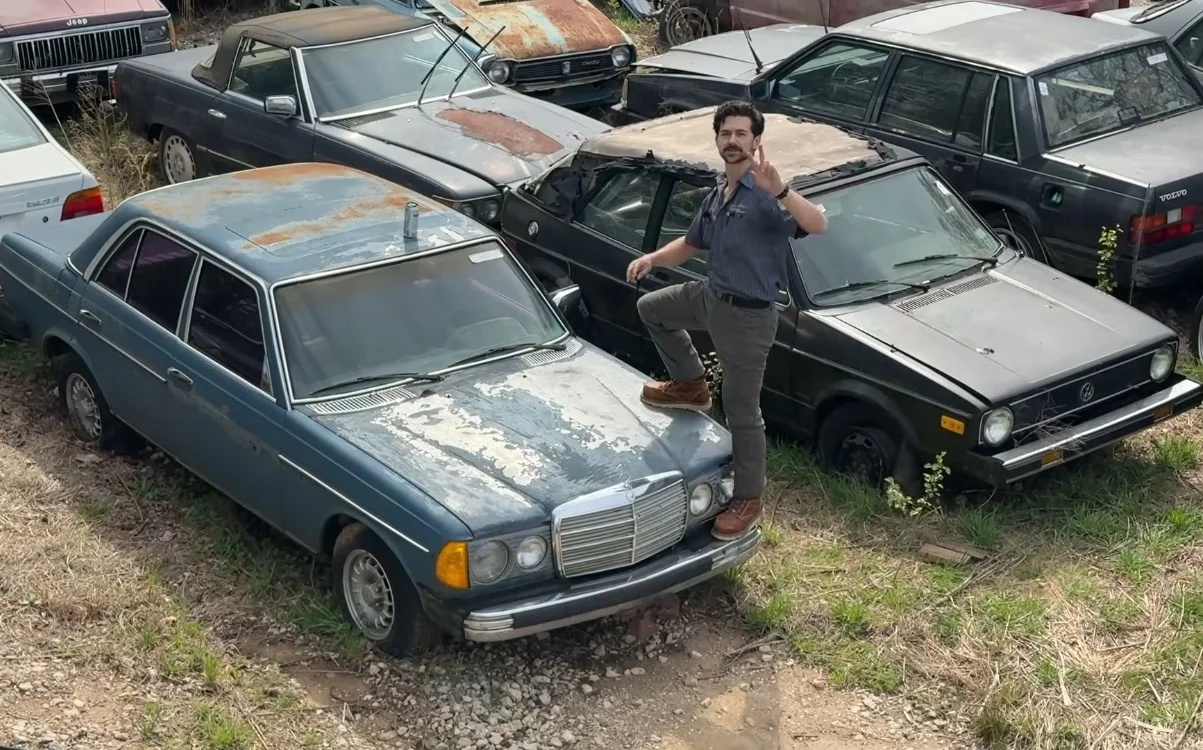
Man finds over 200 rare cars abandoned on a lot and tries to do the impossible in 8 hours with a surprise at the end.
-
An irregular parking case gains attention after a Mercedes Classe A was removed in such a strange way that it even raised doubts about damage to the car.

-
Costing R$ 16,000, the new Yamaha features a 125 cc hybrid engine with electric assistance, delivers 8.3 hp, includes ABS, optimized fuel consumption, Y-Connect connectivity, 25 liters of storage space, and a surprising 4-year warranty in the urban segment.


The timing belt is now fully covered for up to 240,000 kilometers, exactly the period recommended in the owner’s manual for its replacement.
Previously, the warranty period was limited to 100,000 kilometers or three years of use, whichever occurred first.
This significant change is an effort by Chevrolet to show that it fully trusts its technology while seeking to attract new customers.
But the warranty does not come without conditions. For owners to benefit from it, they must strictly adhere to the maintenance plan required by the brand.
This includes carrying out all inspections at authorized dealerships and using the Dexos 1 GEN 3 lubricant, an oil specially developed to protect the oil-bathed timing belt.
Why Does the Oil-Bathed Belt Generate So Much Controversy?
Introduced as an evolution of traditional belts, the oil-bathed version is known for offering important advantages, such as greater durability, less noise, and reduced fuel consumption.
However, the component has also faced challenges since its implementation.
One of the main problems reported by consumers involves the premature wear of the part, which in some cases occurred well before the recommended replacement period.
These failures usually result in costly repairs, fueling criticism about the reliability of the technology.
Furthermore, many owners complained about the reliance on inspections at dealerships and the high cost of the specific lubricant.
These factors contributed to the bad reputation of the component and led to a perception that it would be more problematic than beneficial.
What Makes the Extended Warranty Relevant?
The decision to extend the warranty is not just a response to criticisms, but also a way for Chevrolet to demonstrate confidence in its technology.
Covering such a long period without imposing a time limit is a bold approach that few automakers dare to take.
For Chevrolet, this measure could translate into dual benefits: improving the brand’s image and reducing consumer mistrust.
As GM highlighted, the main goal is to show that the previously reported problems do not represent systemic failures but rather isolated cases that may have been caused by inadequate maintenance or the use of non-recommended lubricants.
The Impact on the Brazilian Market
The automotive market in Brazil is known for its fierce competitiveness and the demanding profile of consumers, who seek durable, economical vehicles with low maintenance needs.
In this context, Chevrolet’s decision to extend the warranty may significantly influence consumer choices.
By offering longer coverage, the brand positions itself as a reliable option for those seeking safety and peace of mind.
Additionally, this initiative could pressure other automakers to review their warranty policies, especially for critical components.
This movement could directly benefit consumers by raising the standard of quality and service offered by brands.
Chevrolet’s Cutting-Edge Technology or Risky Bet?
Despite the confidence shown by Chevrolet, the oil-bathed timing belt is still viewed with skepticism by some experts.
Although its theoretical durability is greater than that of traditional belts, its sensitivity to adverse conditions, such as the use of inappropriate oils or lack of maintenance, raises doubts about its long-term viability.
On the other hand, Chevrolet argues that when used correctly, the part offers benefits that outweigh its disadvantages.
The automaker bets on consumer awareness to ensure that the technology is used correctly, reducing the risks of failure.
Awareness as a Strategy
In addition to the extended warranty, Chevrolet has invested in educational campaigns to guide owners on the importance of following the vehicle manual recommendations.
These actions include explanatory materials, informative videos, and training for dealership teams, with the goal of ensuring that consumers understand the importance of using the correct lubricant and performing inspections within the stipulated timeframes.
A Model for the Future?
If Chevrolet’s strategy is successful, it may become a model to be followed by other automakers in Brazil and worldwide.
Longer warranties and a focus on consumer education could be important differentiators in an increasingly competitive market.
On the other hand, if problems persist, the brand risks further damaging its image, especially among more demanding consumers.
The Cost-Benefit Ratio of Maintenance
Another important aspect of this discussion is the financial impact on owners.
Although the initial maintenance cost is higher due to the requirement for inspections at dealerships and the use of specific lubricant, Chevrolet argues that the extended durability of the belt justifies this investment over time.
However, it remains to be seen whether this perception will be shared by consumers, especially those who have had negative experiences with the technology in the past.
Will the New Warranty Be Enough to Change Public Opinion?
With the warranty extension to 240,000 kilometers, Chevrolet is taking a bold step to regain the trust of its customers.
But the lingering question is: will this measure be enough to end the criticism and solidify the reputation of the oil-bathed timing belt as a reliable technology?
With the market watching and demanding consumers, the answer to this question will be crucial for Chevrolet’s future in Brazil.









if GM contiues to expand the use of a wet belt to say the 1.5l my history of Chevy will be over !!! not that they really care ?
Isso é uma vergonha ,estão só tentando enrolar as pessoas. Isso aconteceu também com vw no gol g5. A verdade é fizeram cagada e ñ querem assumir. Trocaram um belo motor por uma **** banhada a óleo. Os japoneses estão nadando de braçadas pra cima deles.
Continuo não confiando. Casos e mais casos de gente que entrou bem por confiar nesta marca. O correio seria rever o projeto todo.
*correto