





 Português
  Inglês
  Espanhol
  4 min de leitura
  1 comentário





In Statement That Generated Debate, Sérgio Habib Claims That The SW4 Audience Prioritizes Resistance And Resale Value, Criticizes The Idea Of “Premium” Restricted To European Brands And Argues That True Luxury In Brazil Is In The Field, Where Pickups Over R$ 300 Thousand Dominate
Sérgio Habib’s statement reignited discussions about the place of SW4 in the Brazilian market. According to the executive, those who buy the utility are looking for a resilient vehicle that lasts and retains value and, therefore, would not be a conventional car enthusiast. He provokes by saying that “SW4 for 450 thousand is not a cool car”, although he acknowledges that it sells well, especially for use outside urban centers.
In the same reasoning, Habib claims that Brazilian luxury is not in the displays of premium brands, but in the performance of pickups over R$ 300 thousand, driven by users from the field and intense routines. The SW4 enters this scenario as a product of robustness and liquidity, more than a purist driving experience.
Who Buys The SW4, According To Habib
For Habib, the buyer of the SW4 seeks durability, intense usability, and secure resale. The motivation is not the joy of driving, but resistance for work, farms, and trails. The central argument is that the SW4 meets the needs of those who require reliability and residual value, not necessarily those looking for design, cutting-edge technology, or refined dynamics.
-
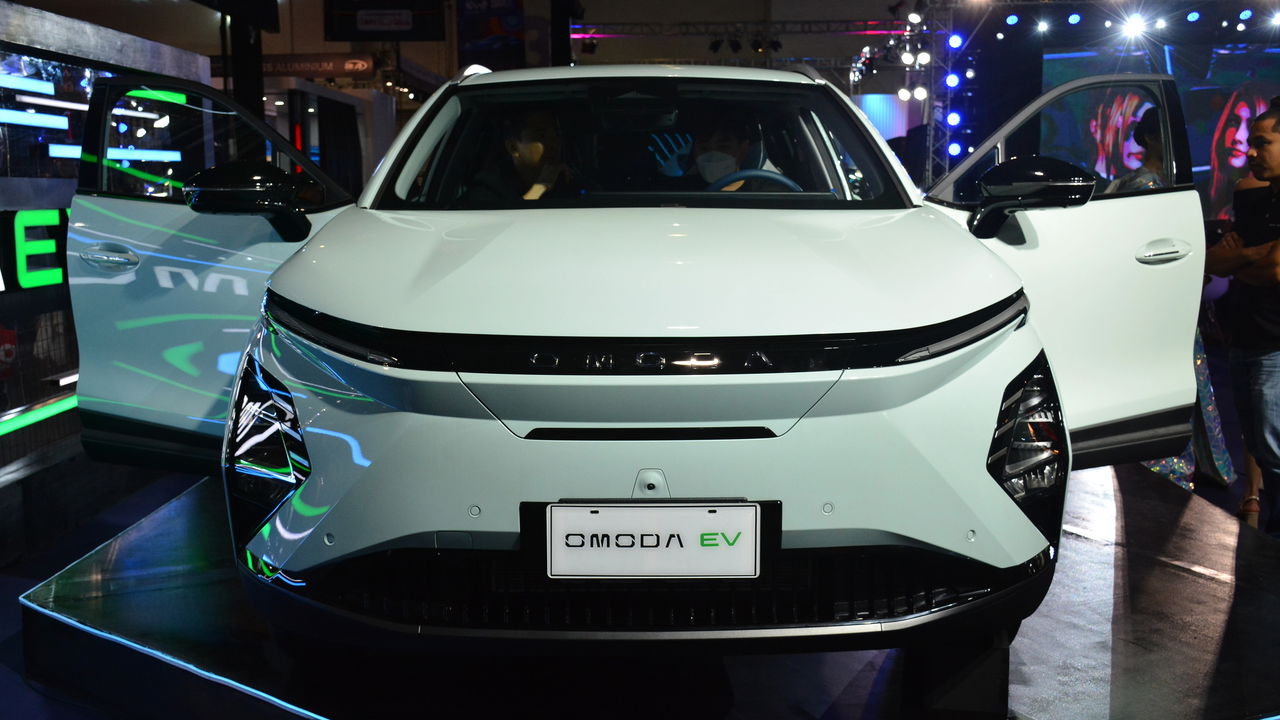
While the industry rushes towards automation, Omoda & Jaecoo bets on technology with a human touch and reveals its global mobility plan for 2026.
-
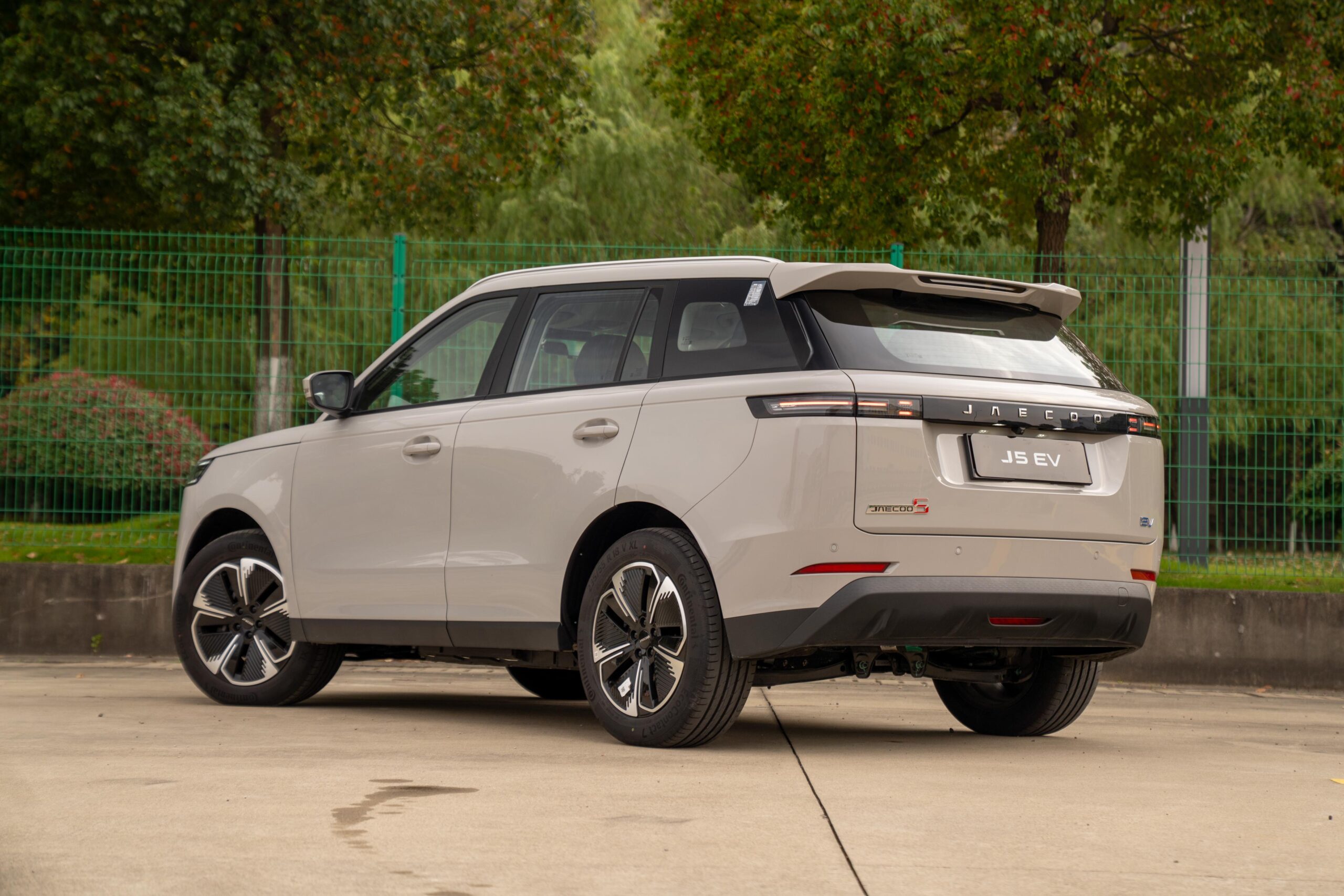
In just 1 year, JAECOO surpasses 7,000 units of the J5 EV delivered in Indonesia and consolidates trust in the Asian market.
-
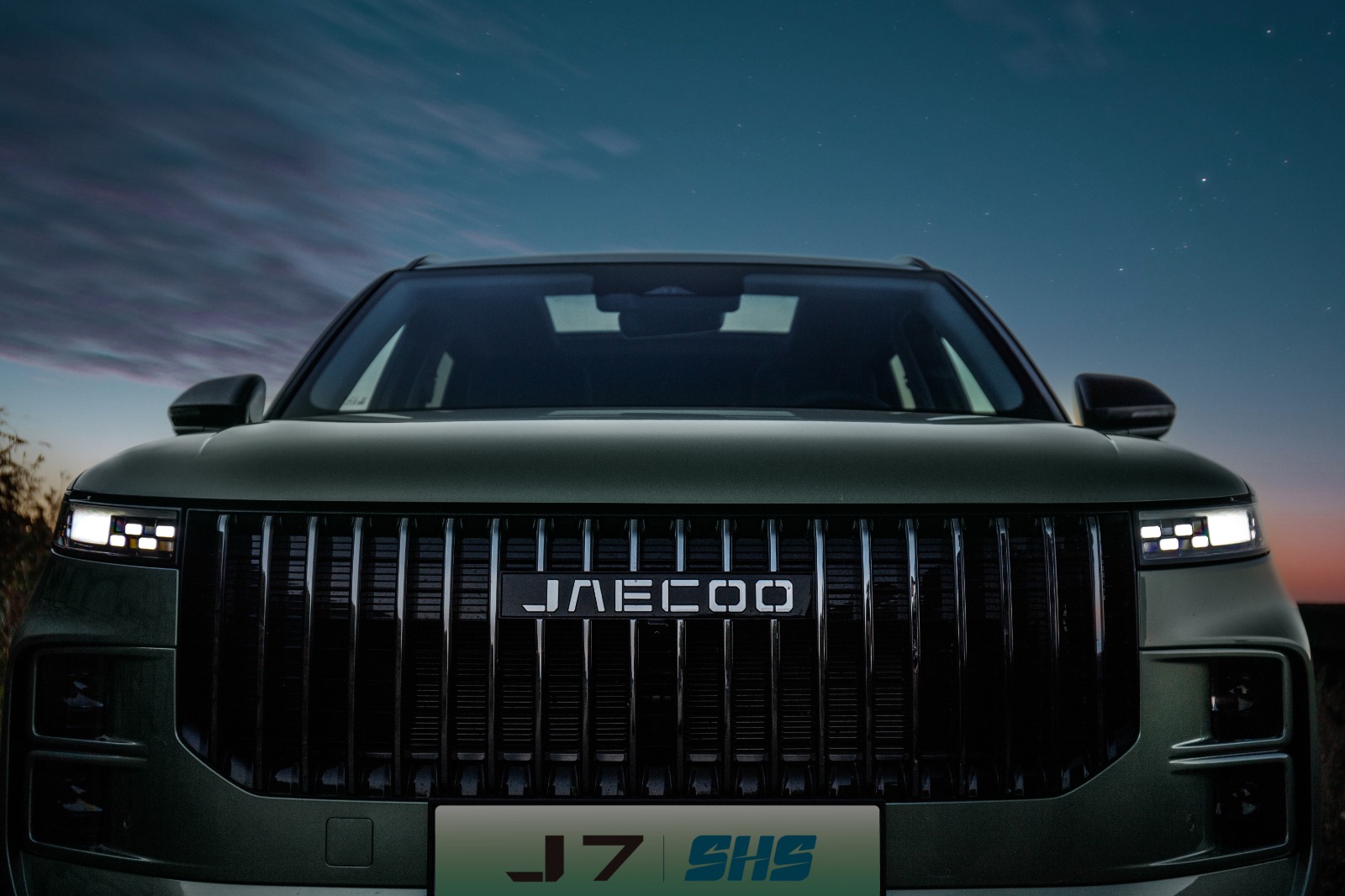
With awards in various countries, the Jaecoo 7 is establishing itself globally and accelerating the expansion of Omoda & Jaecoo in the hybrid SUV market.
-
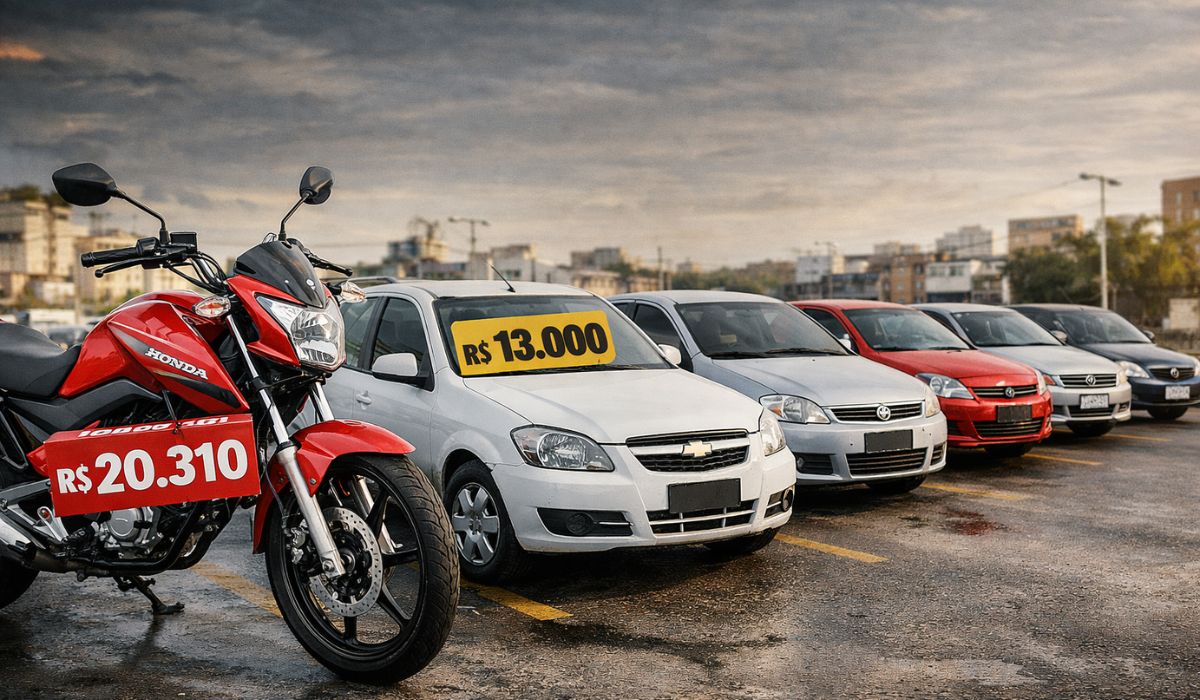
5 cheapest used cars than a Honda CG 160 Titan 0 km, with options starting at R$ 13,000 for those who want to trade their motorcycle for a car and escape the rain, sun, and risks of riding.
He compares audiences and rejects the idea of a direct migration between SW4 and European premium SUVs. In the executive’s view, they are “other consumers”, with different profiles, uses, and priorities. The SW4 stands out as a solid tool in segments where BMW and similar brands would not withstand the same severe conditions.
Habib argues that true Brazilian luxury is in the field, where pickups over R$ 300 thousand lead purchase intention and recurrence. The criterion of luxury, for him, is not a logo, but the delivery of value in the real context of use. In this scenario, the SW4 and robust pickups make more economic and functional sense than urban premium SUVs.
He also sparks the debate about the “premium” label. Beyond price, value and usage proposition define who delivers luxury in everyday Brazilian life. The SW4, by combining robustness and appreciation, would be a practical asset in regions where terrain and routine weigh more than noble materials and driving assistants.
Why The Field Dictates Demand And Price
According to the executive, the money sustaining this slice of luxury is in the field. Producers and agricultural professionals prioritize mechanical availability, extensive after-sales service, and liquidity. Here, the SW4 and top-tier pickups become productivity solutions, not status symbols. High price becomes an operating cost, as long as the vehicle can handle the conditions and retains value.
This logic helps explain why the SW4 sells well in certain regions. The decision is utilitarian: if the vehicle can withstand poor roads, heavy loads, and long trips with predictable maintenance, the investment is justified. Luxury, therefore, is not being idle.
Habib contrasts the SW4 with European premium SUVs to highlight separate markets. While Europeans sell image, finish, and dynamics, the SW4 sells robustness and functional simplicity. For part of the audience, this is worth more than high power or sophisticated technologies.
The controversy arises when enthusiasm for cars is measured by purist criteria. In Habib’s view, those who prioritize the SW4 are not “car enthusiasts,” but rather those who seek concrete results. It is a different definition of passion, placing usage and liquidity above driving pleasure.
Used Car, Interest Rates, And Value Maintenance
Habib broadens the discussion to the used car market, noting that in countries with low interest rates and high income, old cars are worth much less. In Brazil, high interest rates and lower income sustain high values for used and second-hand cars, reinforcing the choice for models that preserve price.
In this environment, the SW4 tends to retain value precisely because it is perceived as a reliable tool. For those calculating total cost of ownership, the equation includes maintenance, availability, and resale. The enthusiasm, here, is for the numbers that add up.
Habib’s statements help reposition the SW4 as a product of economic rationality, not ostentation. This forces manufacturers and dealers to reconsider narratives, calibrating the discourse between passion and productivity. The consumer who chooses the SW4 buys useful time and predictability, attributes that, when calculated, equate to what many call luxury.
For the public debate, the provocation exposes two notions of luxury coexisting in Brazil: that of finish and technology and that of performance in real working conditions. The SW4 stands at the center of this crossroads, as a symbol of robustness in a country with challenging terrains, uses, and financial costs.
The controversy raised by Sérgio Habib is not just about taste. It is about context, income, interest rates, and purpose of use. When he says that those who buy the SW4 do not like cars, he is separating the enthusiast for experience from the enthusiast for results. In the real Brazil, robustness and liquidity can be the greatest luxury.
Do you agree with this change? Do you think it impacts the market? Leave your opinion in the comments — we want to hear from those who experience this firsthand.








Your writing has a way of resonating with me on a deep level. I appreciate the honesty and authenticity you bring to every post. Thank you for sharing your journey with us.