





 Portuguese
  English
  Spanish
  4 min of reading
  0 comments


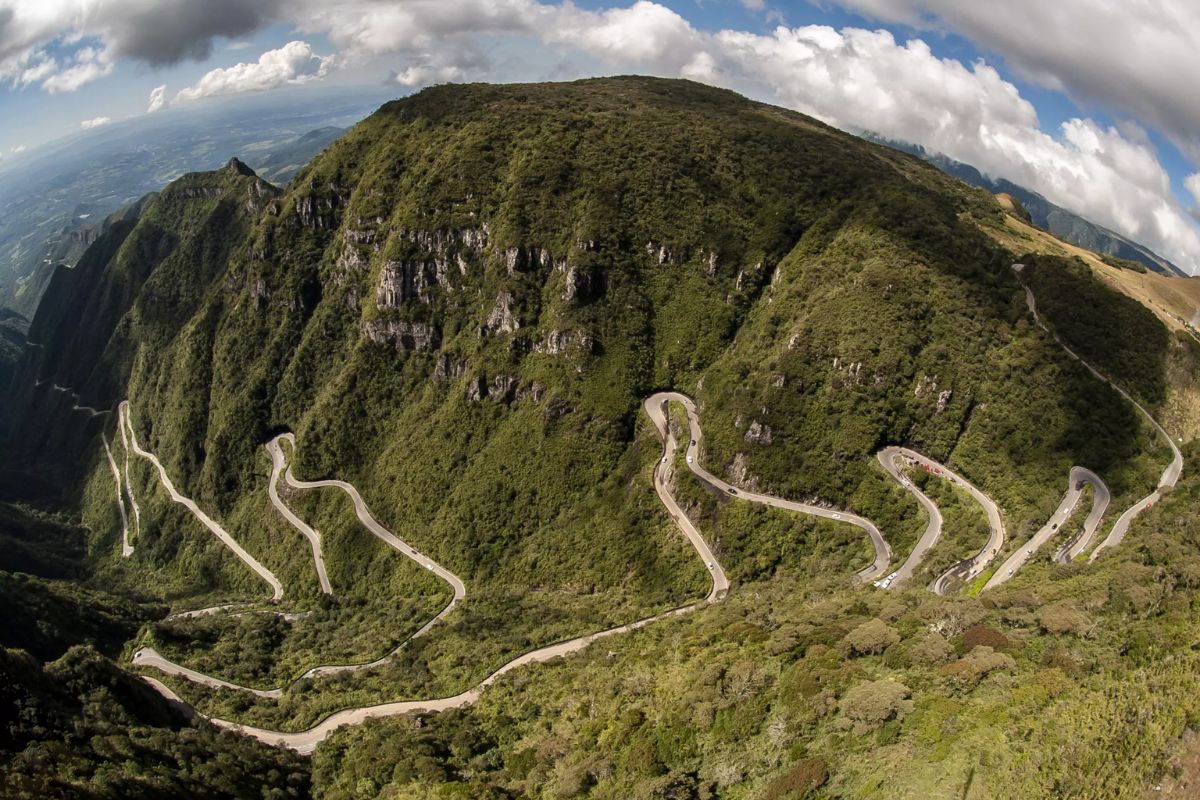
Known Internationally As “Carretera Asombrosa”, the SC-390 in the Section of Serra do Rio do Rastro Combines Engineering, Exuberant Nature and One of the Most Challenging Routes in Brazil.
In Southern Brazil, a concrete scar snakes through the imposing Serra Geral of Santa Catarina, creating one of the most stunning landscapes in the country. The Serra do Rio do Rastro is not just a road, but a destination that attracts drivers, motorcyclists, and tourists in search of a scenic and unforgettable challenge.
With its 284 tight curves over a stretch of only 8 kilometers, the fame of the Serra do Rio do Rastro as one of the most spectacular roads in the world is well justified. This article explores the engineering, history, challenges, and beauties of this gem from Santa Catarina.
What Is the Serra do Rio do Rastro? The Santa Catarina Icon of Worldwide Fame
The Serra do Rio do Rastro is a stretch of the SC-390 highway that connects the coastline to the plateau of Santa Catarina. Its fame transcends Brazilian borders. A Spanish magazine dubbed it “Carretera Asombrosa” (Spectacular Road), a title that reflects the global admiration that this road evokes.
-
Italian researchers have detected what appears to be a second Sphinx buried under the sands of Egypt, and satellite scans reveal a gigantic underground megastructure hidden beneath the Giza Plateau for over 3,000 years.

-
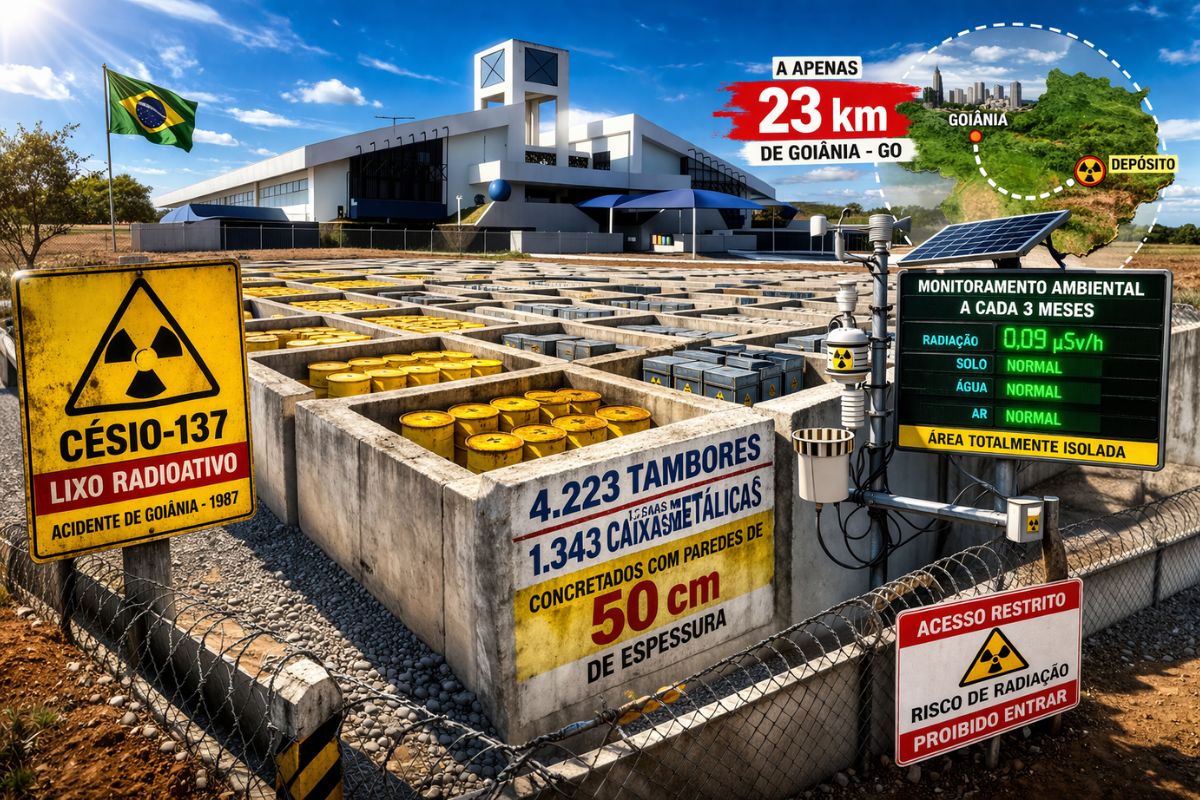
There are 4,223 drums and 1,343 metal boxes concreted with 50-centimeter walls that store the radioactive waste from Cesium-137 in the worst radiological accident in Brazil, just 23 kilometers from Goiânia, with environmental monitoring every three months.
-
Giant Roman treasure found at the bottom of Lake Neuchâtel in Switzerland reveals an advanced trade system, circulation of goods, and armed escort in the Roman Empire about two thousand years ago.

-
He buried 1,200 old tires in the walls to build his own self-sufficient house in the mountains with glass bottles, rainwater, and an integrated greenhouse.

The road is an icon of road tourism. It represents the union of wild natural beauty with the boldness of human engineering. The journey is a celebration of the landscape and a monument to the perseverance of its construction.
The Numbers and History of the SC-390
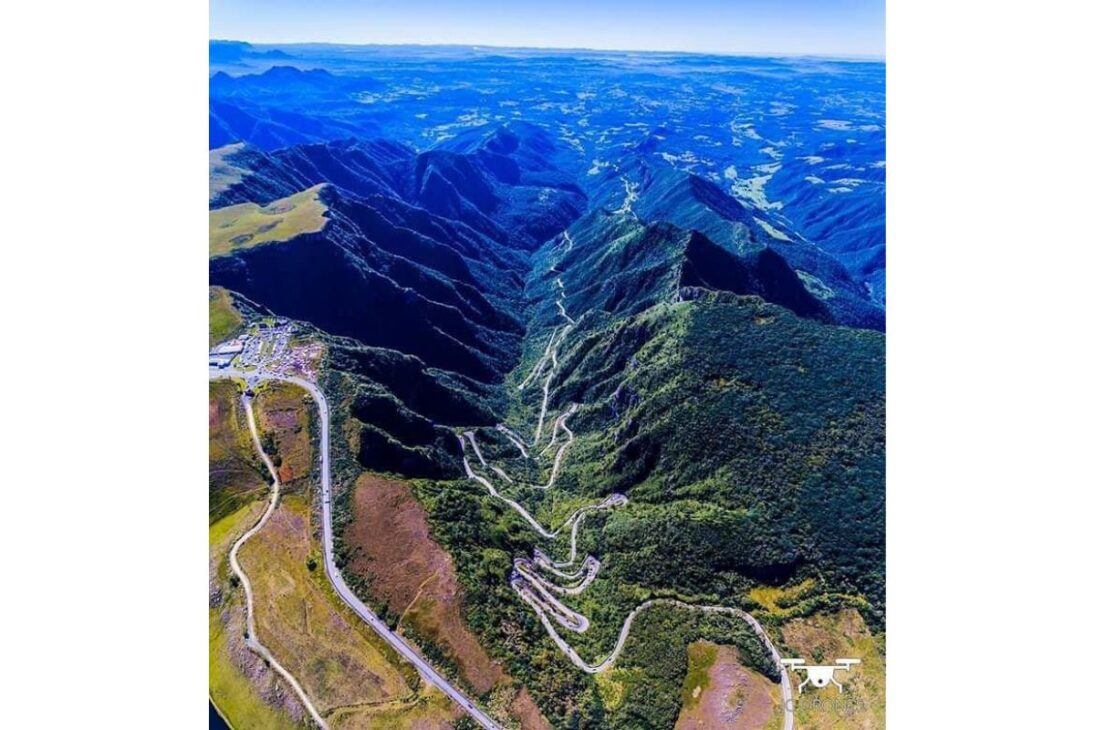
The numbers of the Serra do Rio do Rastro are impressive. There are 284 curves carved into a stretch of only 6.7 kilometers, according to official data from the Santa Catarina Department of Infrastructure. The route overcomes an elevation change of 1,200 meters.
The main viewpoint, at the top, is about 1,460 meters above sea level. The road, paved in concrete, was completed in 1960. Its construction, which began in the 1950s, was an epic journey to break the isolation between the coast and the plateau, with workers carving through the mountain in rugged terrain using the technology of the time.
Driving the “Concrete Snake”: The Experience of Driving on the Serra do Rio do Rastro
Traveling the Serra do Rio do Rastro is an experience that demands concentration and skill. The succession of tight curves and steep ramps tests the ability of any driver. The road, at times narrow, is flanked by rocky cliffs and abysses, requiring constant attention.
The weather conditions add complexity. Fog is common and can drastically reduce visibility. In winter, temperatures can drop below zero, with the possibility of snow and ice on the road. For safety, the road is often closed under these conditions.
Safety, Engineering and the Importance of Preservation
Traffic safety and engineering experts agree: the Serra do Rio do Rastro requires caution. Before starting the trip, a complete check of the vehicle’s brakes and tires is essential. During the descent, the use of low gears (engine brake) is crucial to avoid the overheating of the brakes.
From the engineering perspective, the road is a case study in adapting to the terrain. Its construction is a landmark of Brazilian road engineering. Environmentalists and ecology experts also highlight the importance of the region. The mountain is part of the Atlantic Forest, and there are technical studies for the creation of a Conservation Unit to protect its rich biodiversity.
What to Do in the Region of Serra do Rio do Rastro
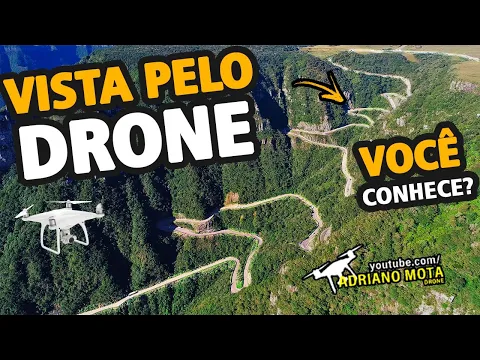

The reward for the challenge of traveling the Serra do Rio do Rastro is its spectacular views. The main viewpoint at the top offers a breathtaking panorama of the curves, the valley, and even the Atlantic Ocean on clear days. Another viewpoint, with a metal structure, provides the most classic photo of the road winding along the hillside.
The region is rich in wildlife and flora, with species from the Atlantic Forest such as howler monkeys, capuchin monkeys, toucans, and macaws. The towns of Lauro Müller (at the base) and Bom Jardim da Serra (at the top) serve as gateways to the adventure, with inns, hotels, and restaurants offering hospitality and mountain cuisine to visitors.










Seja o primeiro a reagir!