





 English
  Francês
  Alemão
  Italiano
  Japonês
  Norueguês
  Portuguese
  Spanish
  3 min of reading


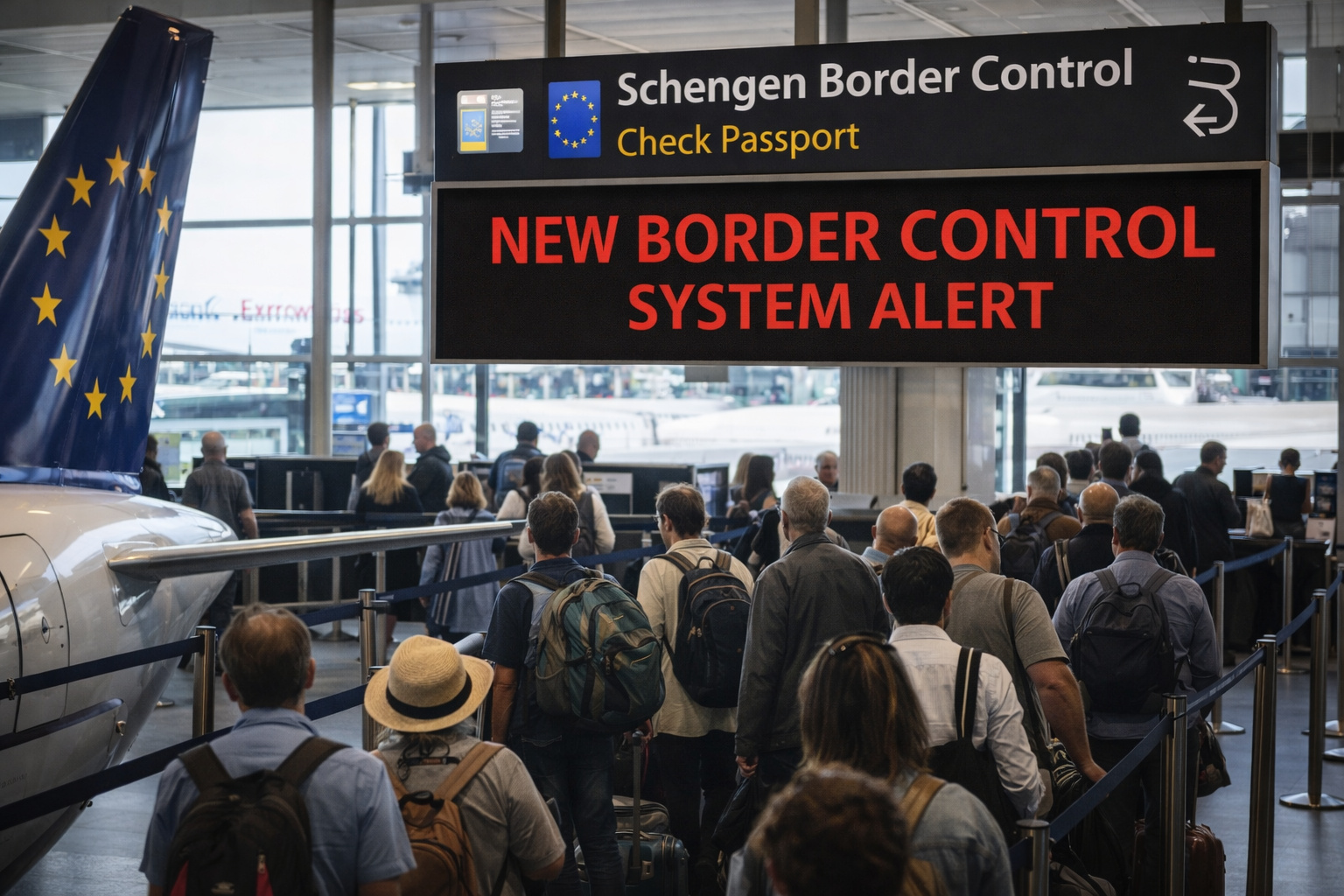
Airports And Airlines Warn Of Risk Of Delays And Disruptions In Traffic During The European Summer With The Introduction Of The New System In The Schengen Area.
The air transport sector of the European Union raised the alarm again on Wednesday (11). Airports And Airlines Called For An “Immediate Review” Of The New Border Control System, Given The Risk Of Serious Disruptions In Air Traffic During The European Summer, A Peak Travel Season.
The appeal comes on the eve of the implementation of the new entry and exit system in the Schengen Area. According to industry representatives, the lack of adjustments and adequate testing could lead to queues, mass delays, and a direct impact on travelers’ experiences.
Moreover, the European summer sees millions of trips for vacations. Therefore, any operational failure is likely to spread quickly through interconnected airports, affecting connections and schedules in a chain reaction.
-
Chaos On Airplane Could Be Expensive: Proposal Aims To Prevent Disruptive Passengers From Flying For Up To 1 Year In Brazil And Face Fines Of Up To R$17,500

-
Man Arrested After Halting Takeoff of Fire Department Helicopter During Child Rescue in Guaratuba

-
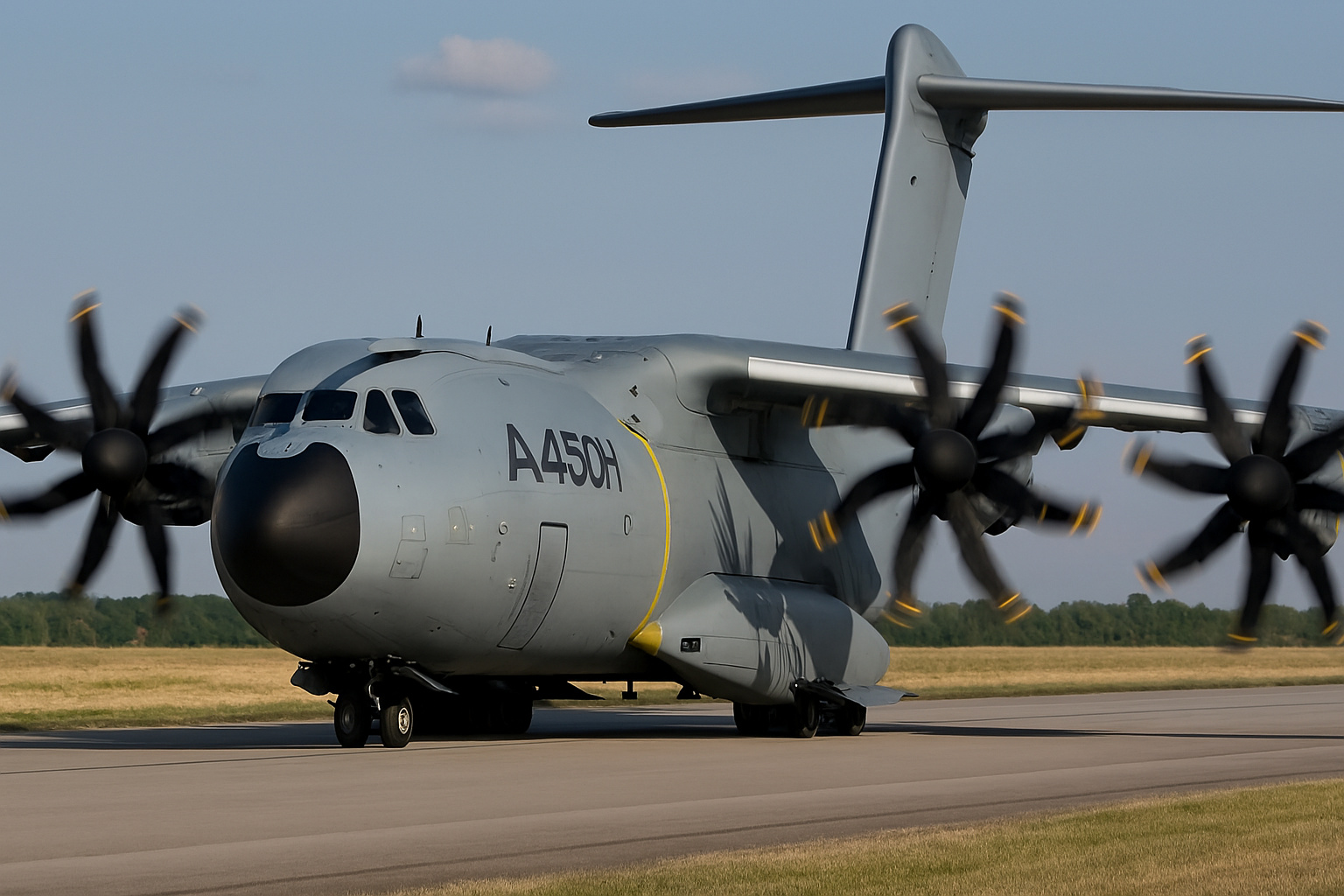
With 37 Tons of Cargo, Over 8,000 km Range, and Ability to Land on Unpaved Runways, the Airbus A400M Demonstrates How Europe Created a Military Giant That Transports Armored Vehicles, Aerially Refuels Fighters, and Operates in Conflict Zones and Humanitarian Missions Worldwide
-
Emergency Landing in Campos Amarais After Bird Strike on Small Plane


Risk Of Bottlenecks With The New System
According to associations representing airports and airlines, the new model requires more complex verification processes, including the collection of biometric data. However, many terminals still lack sufficient infrastructure to accommodate this increased time in controls.
As a result, the sector fears bottlenecks at immigration points. Thus, delays in passenger entry could compromise boarding, disembarking, and the punctuality of flights throughout the day.
Meanwhile, operators warn that the impact will not be limited to the busiest airports. On the contrary, regional hubs may also suffer, as the system affects the entire air network of the Schengen Area.
According to the current schedule, 35% of visitors from third countries are already registered, and it is expected that this rate will reach 100% by April 10, just before the peak of the tourist season.
Appeal For Immediate Review
In light of this scenario, the air sector is asking European authorities to reevaluate the schedule and implementation method. According to representatives, an immediate review would allow for technical adjustments, further testing, and staff training before the peak of the season.
Additionally, the sector advocates for a gradual rollout. This way, it would be possible to reduce operational risks and avoid logistical chaos at a critical time for European tourism.
On the other hand, authorities argue that the new system strengthens security and modernizes border control. Still, the air sector insists that security and efficiency must go hand in hand.
European Summer Under Pressure
The European summer is usually the busiest period in the air calendar. Therefore, any structural change tends to amplify its effects. Airlines warn that widespread delays could lead to cancellations, lost connections, and additional costs.
Moreover, passengers would face longer wait times, which could impact the image of airports and the Schengen Area itself as a zone of efficient free movement.
Finally, the sector emphasizes that it is not opposed to the new system but demands urgent adjustments. Without this, the “serious disruptions” predicted may become a reality in the early weeks of the European summer.








Seja o primeiro a reagir!