





 Portuguese
  English
  Spanish
  5 min of reading
  0 comments


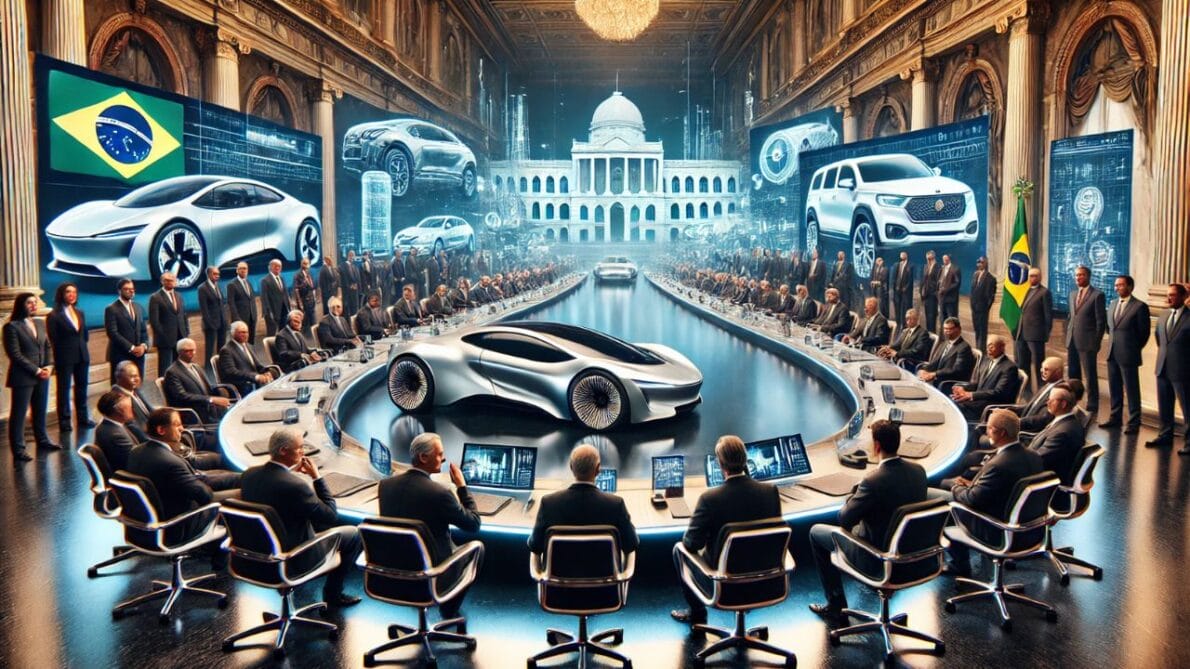
With a 19% increase in production and the confirmation of the return of the Auto Show in 2025, the Brazilian automotive sector enters a new phase of growth. The development of new batteries promises to be the next step toward innovation in the electric vehicle market.
The Brazilian automotive sector is experiencing a renaissance worthy of applause. On Tuesday, October 8, 2024, President Luiz Inácio Lula da Silva met with key figures from the automotive industry at the Palácio do Planalto, in a meeting marked by good news and high expectations. The main highlight was the return of the Auto Show, confirmed for November 2025, after seven years of absence. But that wasn’t all: the sector also celebrated a significant increase in sales and production, along with promising news, such as the new batteries that promise to revolutionize the electric vehicle market in Brazil.
Government Projects Protection of 300 Open Markets for Brazilian Agribusiness by the End of the Year
Production and Sales on the Rise: Numbers That Surprise
-
A 250cc motorcycle that can reach 560 km with a 14-liter tank, features disc brakes on both wheels and is among the most well-known in Brazil.
-
Man finds over 200 rare cars abandoned on a lot and tries to do the impossible in 8 hours with a surprise at the end.
-
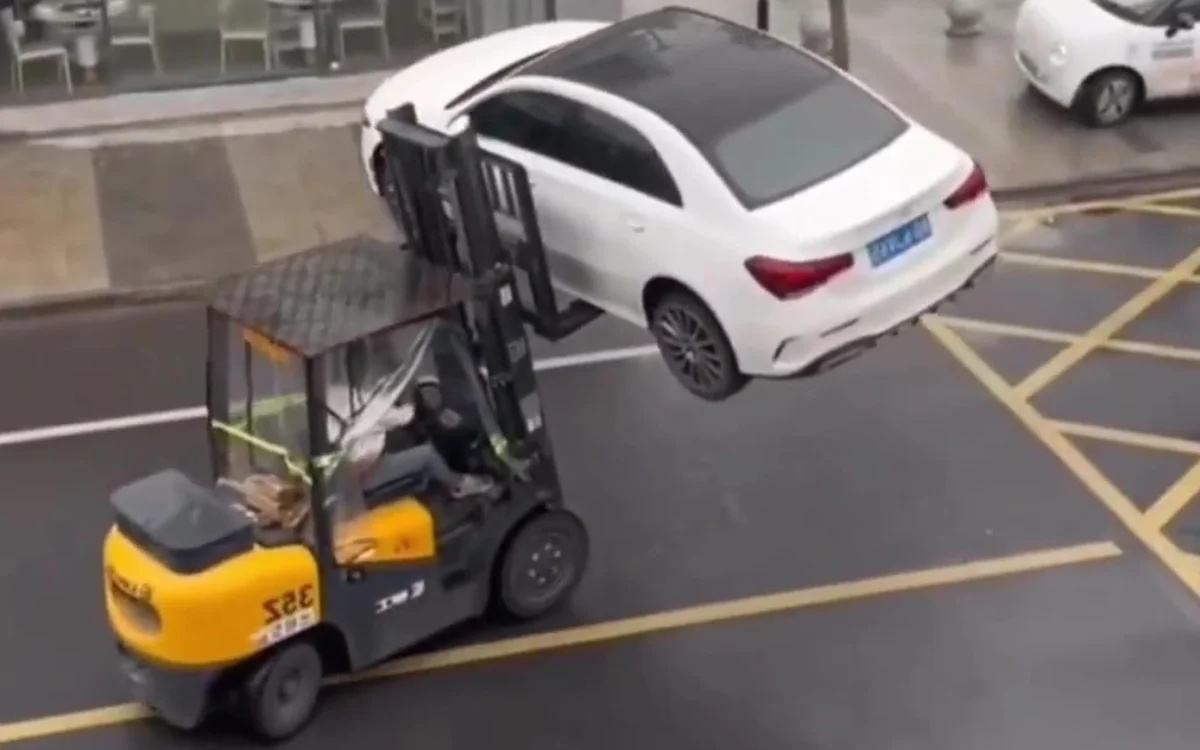
An irregular parking case gains attention after a Mercedes Classe A was removed in such a strange way that it even raised doubts about damage to the car.
-
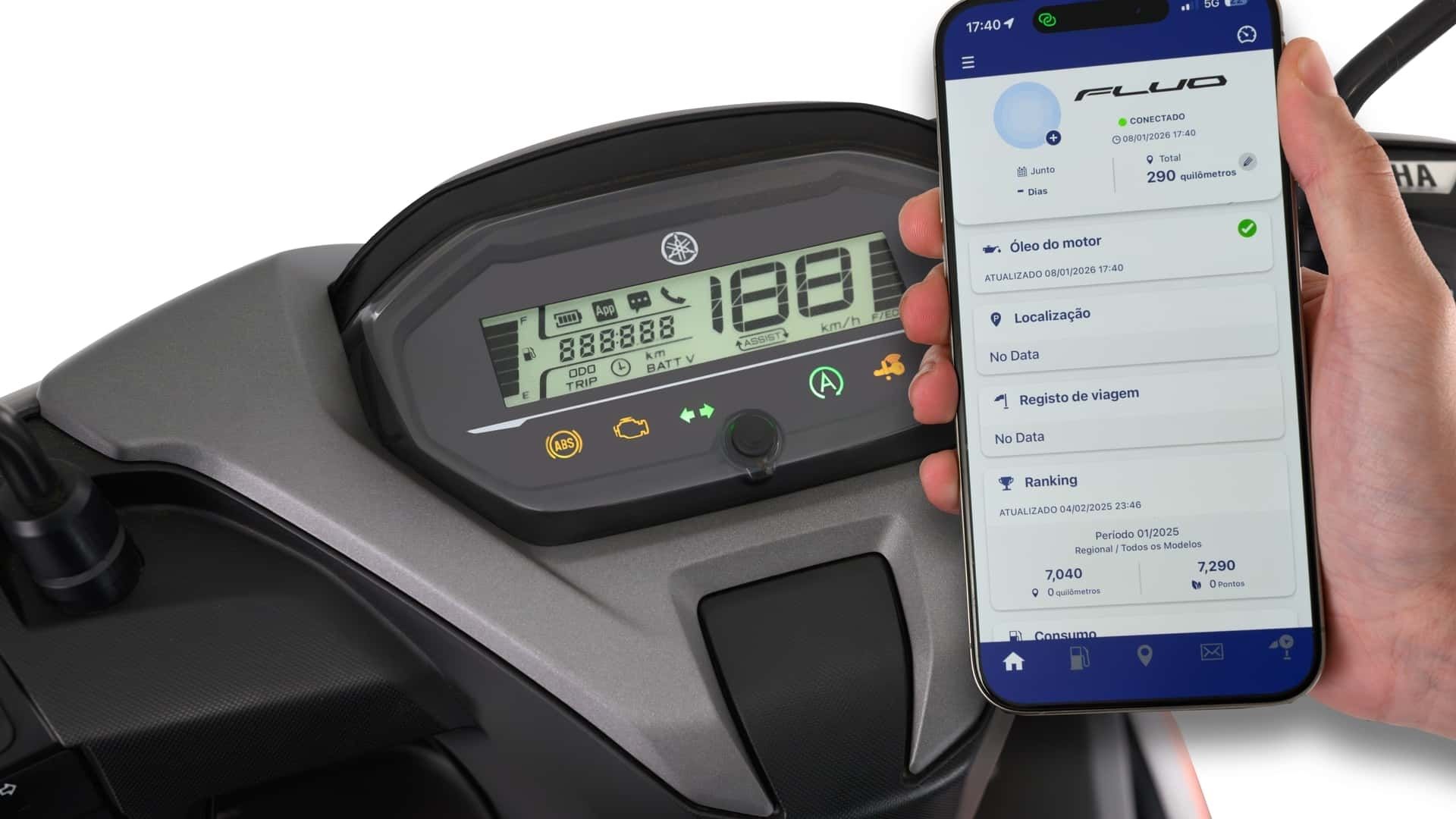
Costing R$ 16,000, the new Yamaha features a 125 cc hybrid engine with electric assistance, delivers 8.3 hp, includes ABS, optimized fuel consumption, Y-Connect connectivity, 25 liters of storage space, and a surprising 4-year warranty in the urban segment.

During the meeting, the National Association of Motor Vehicle Manufacturers (Anfavea) presented data that proves the industry’s vigor. In the third quarter of 2024, 715 thousand vehicles were produced, representing a 19% growth compared to the same period last year. This number marks the best quarterly result for the automotive industry in the last five years, a true relief after the impacts of the pandemic. “We have returned to pre-pandemic levels, and this was only possible thanks to the resumption of confidence in the sector,” celebrated Márcio de Lima Leite, president of Anfavea.
In addition, sales in the domestic market also grew significantly, with a 14.5% increase in vehicle sales. This growth reflects the recovery of Brazilians’ purchasing power and optimism regarding the future of the economy. “We have a heated domestic market, and this is fundamental for the sector’s health. Job creation and the resumption of investments show that we are on the right track,” stated Leite. In recent months, the sector has generated 60 thousand new jobs, reinforcing the positive impact on the economy.
Investments and Innovations: The Future Is Electric
During the meeting, Anfavea also highlighted that investments in the sector have already surpassed R$ 130 billion, with a good portion of these resources aimed at technological innovations. One of the industry’s major bets is on new batteries, which promise to transform the electric vehicle market in Brazil. With the growing demand for more sustainable solutions, the expectation is that these more efficient and durable batteries will spur the production of electric and hybrid vehicles in the country.
“We are entering a new era of mobility, where new batteries and fleet electrification will be crucial for the future of the automotive industry,” emphasized Leite. This movement toward sustainability reflects a global trend, but Brazil aims to be one of the leaders in this segment, leveraging its technological potential and the strength of its industry.
Exports Face Challenges but Show Potential
Although the domestic market is showing robust signs of growth, the external scenario presents challenges. Vehicle exports are still struggling with the volatility of international markets, yet Anfavea brought positive news: in the third quarter, exports grew by 40% compared to the second quarter of 2024. “We still have a long way to go to balance our trade balance, but Brazil has great potential to stand out in the international arena,” stated Leite.
The automotive industry is focused on expanding its global presence, especially with the development of sustainable technologies and electric vehicles. New batteries are seen as a competitive differentiator for Brazil to increase its exports and meet the growing demand for greener solutions in international markets.
The Return of the Auto Show: An Event That Promises to Transform the Market
The highlight of the meeting was the announcement of the return of the Auto Show, scheduled to take place from November 22 to December 1, 2025, in São Paulo. The last edition of the event occurred in 2018, and its return is highly anticipated by both the public and the industry. The Auto Show is one of the most important events in the sector and promises to gather over a million visitors, including global automakers and key industry launches.
The event will be a showcase of innovation and technology, focusing on solutions for sustainable mobility, electric vehicles, and automotive connectivity. One of the major highlights will be, of course, the presentation of new batteries, which are expected to be the centerpiece of attention as the great innovation of the next decade.
Additionally, the Auto Show will be an opportunity to discuss the future of urban mobility in Brazil, including fleet electrification and the use of renewable energies in transportation. “We want the Auto Show in 2025 to be a milestone in the transition to a more sustainable and technological industry,” commented Leite.
What Does the Future Hold for the Automotive Sector?
With rising sales, a confirmed global scale event, and massive investments in innovation, the Brazilian automotive sector is clearly gearing up for a new cycle of growth. The new batteries and fleet electrification are the key drivers of this transformation, and the return of the Auto Show will be the ideal platform to consolidate this new phase for the industry.
But, with so many changes on the horizon, an inevitable question arises: Is Brazil ready to take the lead in the electric and sustainable vehicle revolution? Will the country be able to compete in an increasingly technological and demanding global scenario?
Leave your opinion in the comments and join this debate about the future of mobility in Brazil and the world!
Karoon Seeks Partner for Oil Project in Brazil and Plans US$ 1 Billion Investment





Seja o primeiro a reagir!