





 Portuguese
  English
  Spanish
  3 min of reading
  5 comments


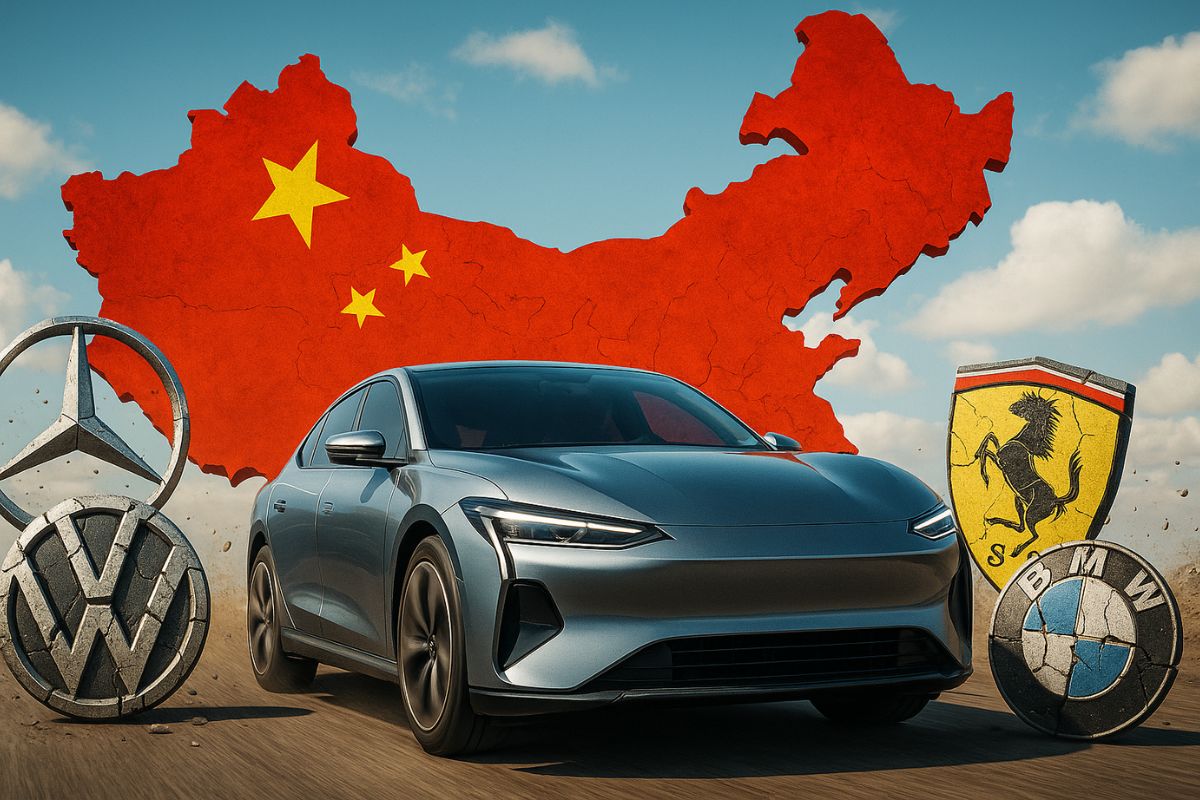


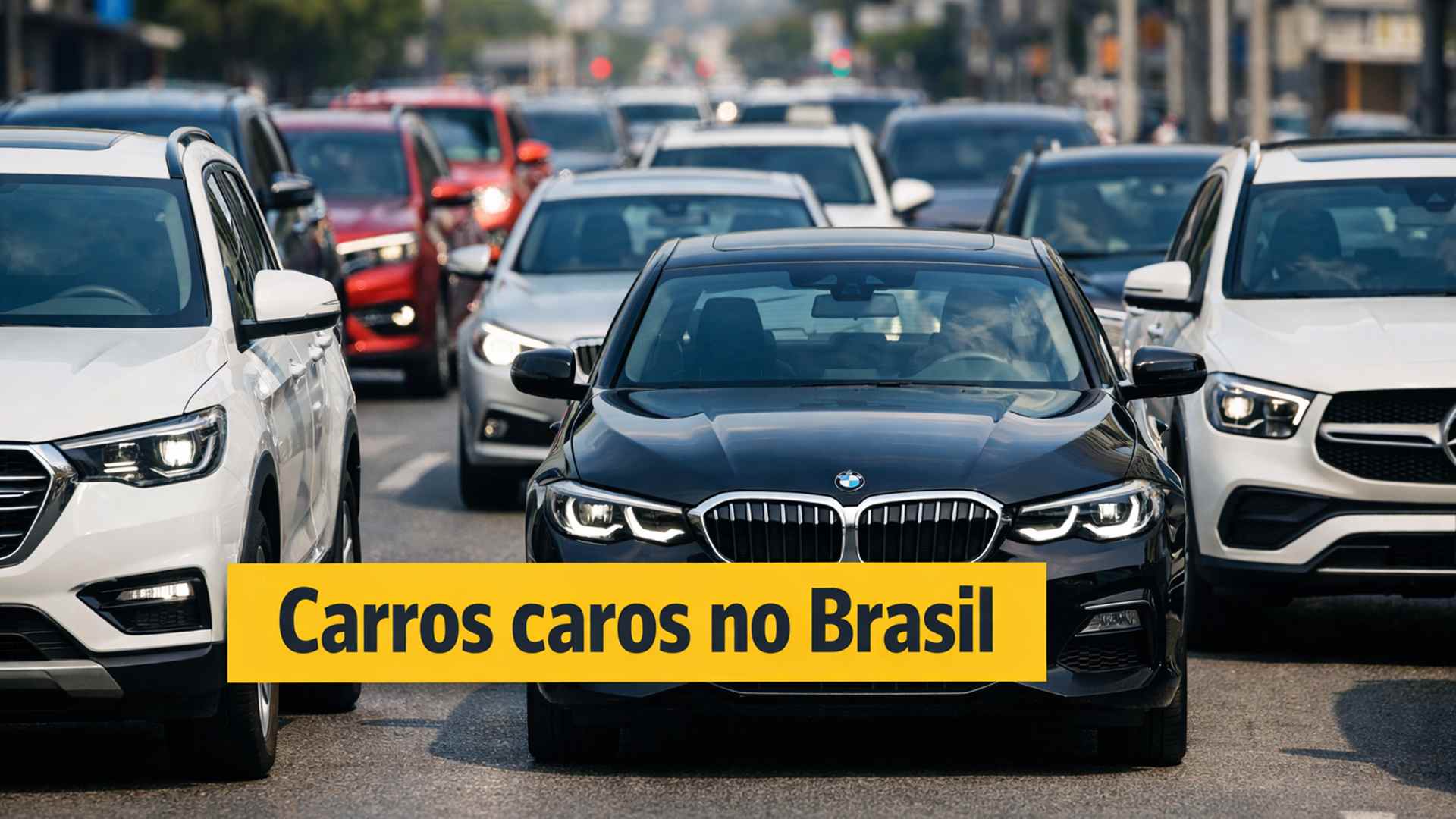
Automotive Sector In Crisis: Mercedes, Volkswagen, BMW And Ferrari Face Police Crisis. European Manufacturers Face Regulatory Pressure, Chinese Competition, And Economic Uncertainties Amid Global Transformations
The automotive sector in crisis has gained new prominence following recent statements by Ola Källenius, CEO of Mercedes-Benz, who characterized the current scenario as a “police crisis.” The analysis was reinforced by the European Automobile Manufacturers Association (ACEA), which includes brands like Volkswagen, BMW, and Ferrari, pointing to simultaneous pressures of a regulatory, economic, and competitive nature. According to CNBC, industry leaders are set to meet with the European Commission in September to discuss strategies in the face of an increasingly uncertain future.
This situation reflects not only the technological challenges of the energy transition but also a global context marked by political instability, climate change, and the strong advancement of Chinese competition in the electric car market. For specialists, the term police crisis summarizes a cumulative tension that threatens the very sustainability of the automotive sector in crisis.
What Is Behind The Police Crisis In The Automotive Sector?
The concept of police crisis expresses the coexistence of different overlapping crises. In the case of the automotive industry, this involves: environmental pressures to reduce emissions by 2030, trade disputes affecting supply chains, and a technological race that demands billion-dollar investments in electrification.
-
Brazilian city bets on the business environment to generate jobs and attract investments in the energy sector — secretary reveals strategy at Macaé Energy 2026.
-
50 viaducts, 4 tunnels, 28 bridges, and 40 kilometers of bike paths: BR-262 in Espírito Santo will receive 8.6 billion reais for the largest engineering project in the state’s history, inspired by the Immigrant Highway in São Paulo.

-
Brazil produces too much clean energy and doesn’t know what to do with it: over 20% of solar and wind capacity was wasted in 2025 while investors flee and 509 renewable generation projects were abandoned in the last year.

-
Piauí will produce a new fuel that replaces diesel without needing to change anything in the truck’s engine and reduces pollutant gas emissions by half: truck drivers from all over the Northeast are already celebrating the news that will arrive later this decade.
At the same time, governments like the United States are wavering in their policies. While Joe Biden has encouraged electric vehicles, Donald Trump has already signaled support for the return of combustion engines, weakening regulatory predictability and confusing manufacturers about their next strategic steps.
Chinese Competition Pressures Traditional Manufacturers
One of the most critical points is the advance of Chinese electric vehicle manufacturers. Companies like BYD and Nio are expanding their presence in Europe with cheaper and highly technological cars, undermining the competitiveness of traditional giants. The dependence on strategic inputs — such as batteries and critical minerals — also puts European brands in a vulnerable position.
According to ACEA, the pressure is not only market-related but also logistical: Europe imports a large part of its batteries and electronic components from China, which limits its industrial autonomy and exposes the sector to geopolitical risks.
Macroeconomic Impacts And Global Uncertainties
The police crisis also affects macroeconomic variables. Persistent inflation, rising energy costs, and the slowdown in consumption in Europe directly impact the sector. In addition, the European Union’s environmental targets, which aim to drastically reduce the sale of combustion cars by 2035, impose extra pressure on manufacturers still trying to adjust their business models.
In this scenario, specialists like Mariana Almeida emphasize that the automotive sector in crisis faces not only short-term challenges but also a deep structural shock that could redefine global industry leadership in the coming years.
How Are Manufacturers Responding?
Adaptation strategies include technological partnerships, increased investment in innovation, and portfolio repositioning. BMW and Mercedes are accelerating their electrification programs, while Volkswagen seeks to expand its local battery production. Meanwhile, Ferrari faces the challenge of balancing tradition and innovation, preserving its identity while adapting to new environmental demands.
However, all these measures occur under strong political and economic pressure, making it difficult to establish a clear vision for the next decade.
The reality is that the automotive sector in crisis is facing one of the most challenging moments in its history. The combination of environmental pressures, commercial, technological, and political factors calls into question the ability of major manufacturers to maintain their global leadership position.
And you, do you believe that the European automotive industry will be able to overcome this police crisis or will it be surpassed by the strength of Chinese manufacturers? Leave your opinion in the comments — we want to hear from those closely following this historic transformation.





Crise nenhuma, elas tem MUITO DINHEIRO. Isso é choro porque não aceitam concorrência e que ficaram pra trás. Só muito ingênuo pra acreditar nessas tolices.
É uma competência chinesa para concorrência engessada da Europa e do USA. Acho que a China vai ganhar por um tempo.
Tomara que as montadoras ocidentais igual os carros lixos da GM vão a falência igual eles quase foram em 2008 e o grupo stellantiss a china já tá dominando mesmo até a Nissan tá falindo por causa do Efeito BYD
Com mão de obra escrava, tudo fica mais fácil.
A matemática é simples, será que ainda não aprenderam com os chineses, abaixem os preços, vendam mais e ganhe na quantidade.
O problema das gigantes é que ficaram a vida toda,enfiando a faca na população com carros atrasados,pois não tinham concorrentes.
A casa caiu!!!