





 English
  Francês
  Alemão
  Italiano
  Japonês
  Norueguês
  Portuguese
  Spanish
  3 min of reading


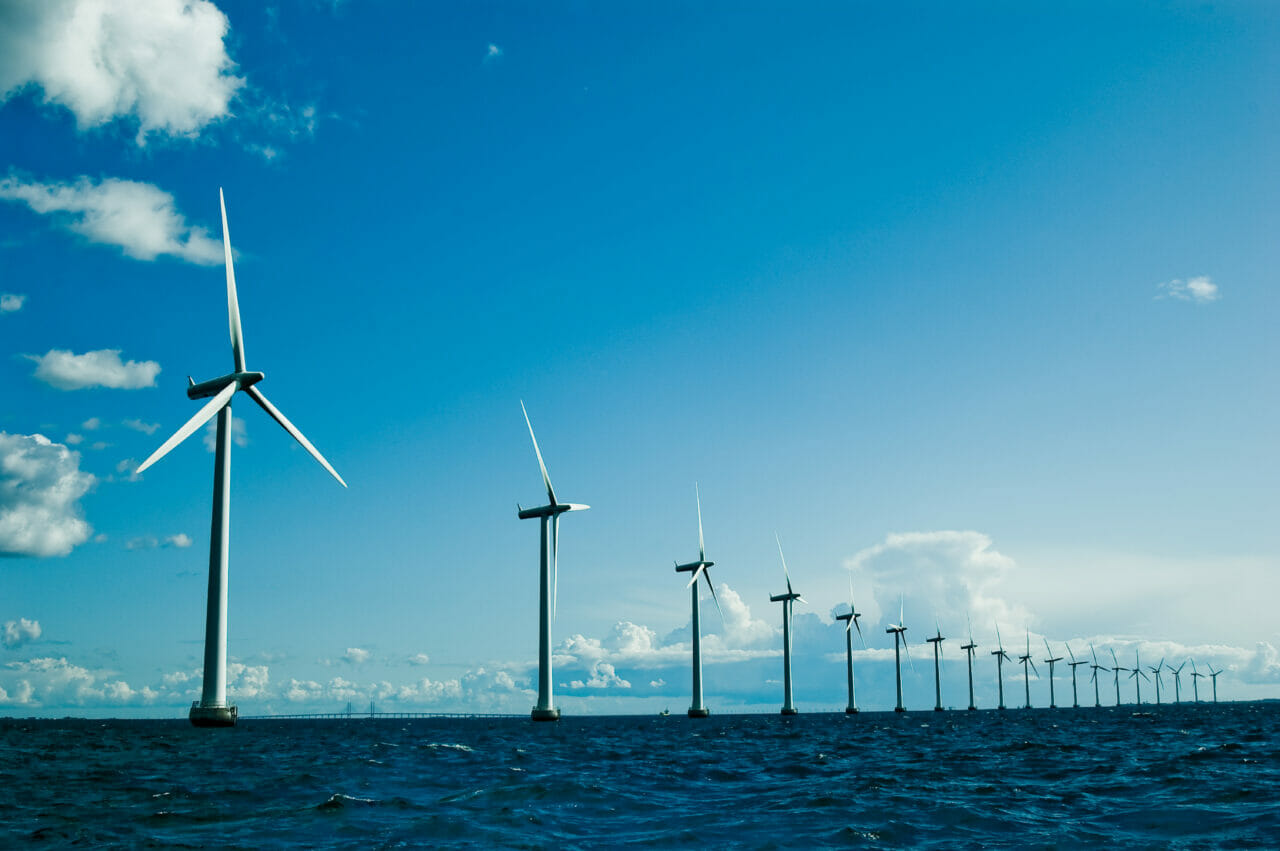
The Offshore Wind Energy Sector Is Awaiting a Legal Milestone to Support the Market This Year. In this way, executives from Neoenergia and Ocean Winds shared their perspectives on the source in Brazil.
They highlight the challenges for creating demand, competitiveness, logistics, and also a plan for market routes.
Thus, this is just a summary of the main challenges and perspectives that will need to be addressed in the offshore wind energy sector. This is from the viewpoint of two stakeholders who were invited to participate in the Brazil Windpower webinar. This event was promoted by the Canalenergia group and Informa Markets, which will take place from September 12 to 14 in São Paulo.
However, the highlighted points stem from the definition of a regulatory framework for legal certainty for the start and consolidation of studies and also the concession on the Brazilian coast. It shows a potential of 700 GW that are mapped by the energy research company, along with synergies and onshore industries, oil, and gas. This will help with new installations as well as maintenance and operation routines.
-
Rio Grande do Sul accelerates energy transition: State invests in renewable technologies and consolidates decarbonization strategies and pathways to attract billions in new industrial investments.

-
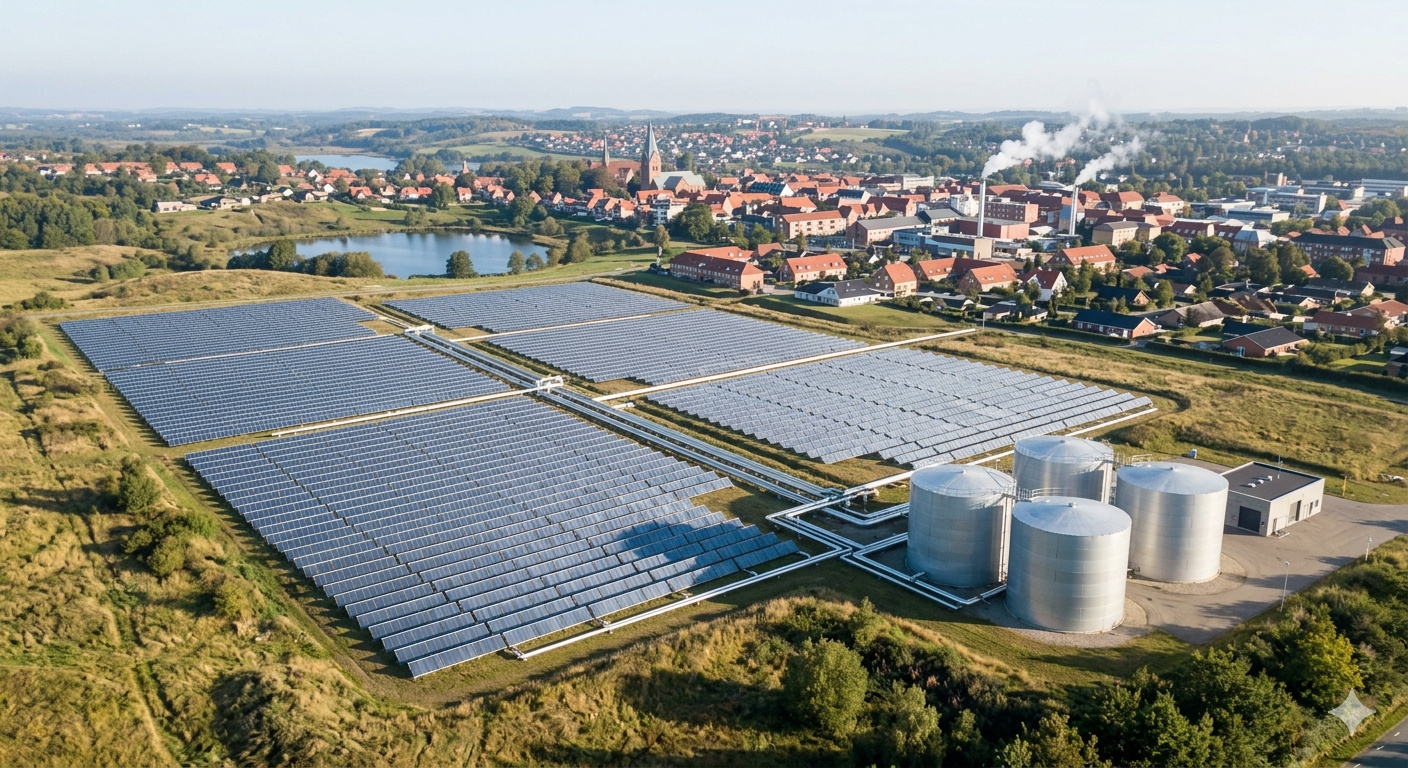
With 160,000 m² of collectors, an area larger than 20 football fields, Silkeborg, in Denmark, hosts a solar thermal plant that heats 19,500 homes and could become the largest solar heating plant in the world.
-
A study reveals the expansion of renewable energy procurement in Brazil and shows how companies are taking advantage of opportunities to reduce expenses, ensure energy efficiency, and strengthen strategic environmental commitments.

-
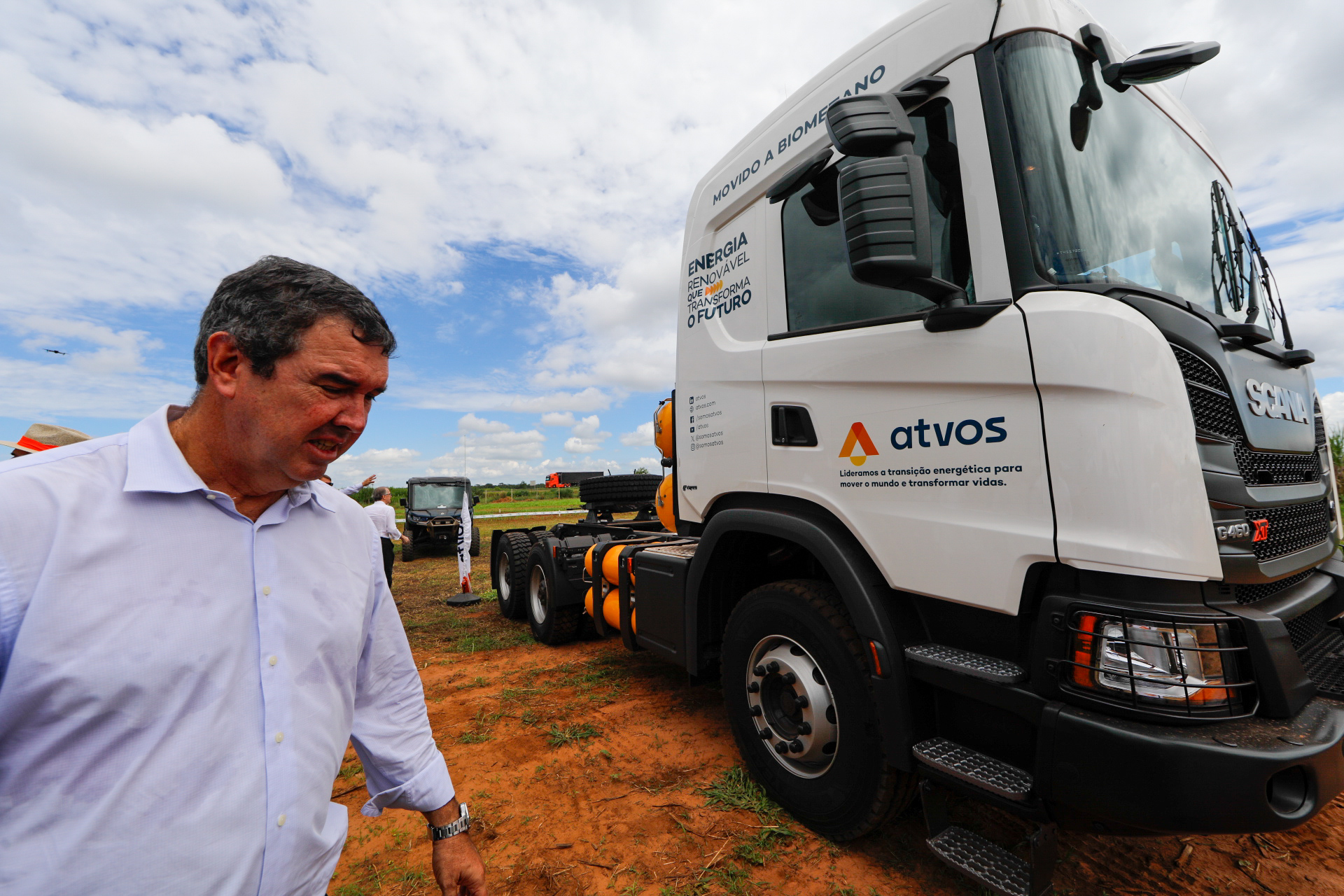
Mato Grosso do Sul excels in the sugar-energy sector: the state reaches a milestone of 22 operating mills and accelerates the production of clean energy in MS with a focus on sustainability.
Expectations for the Legal Milestone According to the Offshore Wind Energy Sector
According to the Director of New Business Development at Ocean Winds, Rafael Palhares Simoncelli, “There is a great expectation for the legal milestone still this year; we have moved past the period of accommodating political capital associated with the new government and other relevant agendas to be voted on, and thus we have noticed a mobilization in Brasília for the urgent consideration of the topic.”
In this case, it would be possible for investors to develop the studies, which could take eight to ten months and also gain a deeper understanding of Brazilian potential. They would then discuss with society what is the best way to explore the resources. According to Rafael, a first session on marine prisms will take place in 2024.
He also mentioned that the country has 182 GW in potential, awaiting the legal milestone for studies to begin. Each GW costs an average of US$100 million, and Rafael indicated that offshore wind turbines can be installed close to load centers and plants for future green hydrogen production. “With approval to pay ¼ of the projects, we will have investments of nearly R$25 billion.”
He also noted that this reconfiguration of turbine costs on land over time represented a 65% reduction in Capex, stating that in the next decade costs would be reduced by 49%. Marcelo Lopes from the offshore wind energy sector Neoenergia emphasized that even if the law is approved this year, there will be a need for subsequent technical regulations and the definition of areas for future auctions. He agrees on the importance of not burdening the cash flow of the projects at the outset.







Seja o primeiro a reagir!