





 Portuguese
  English
  Spanish
  4 min of reading
  0 comments


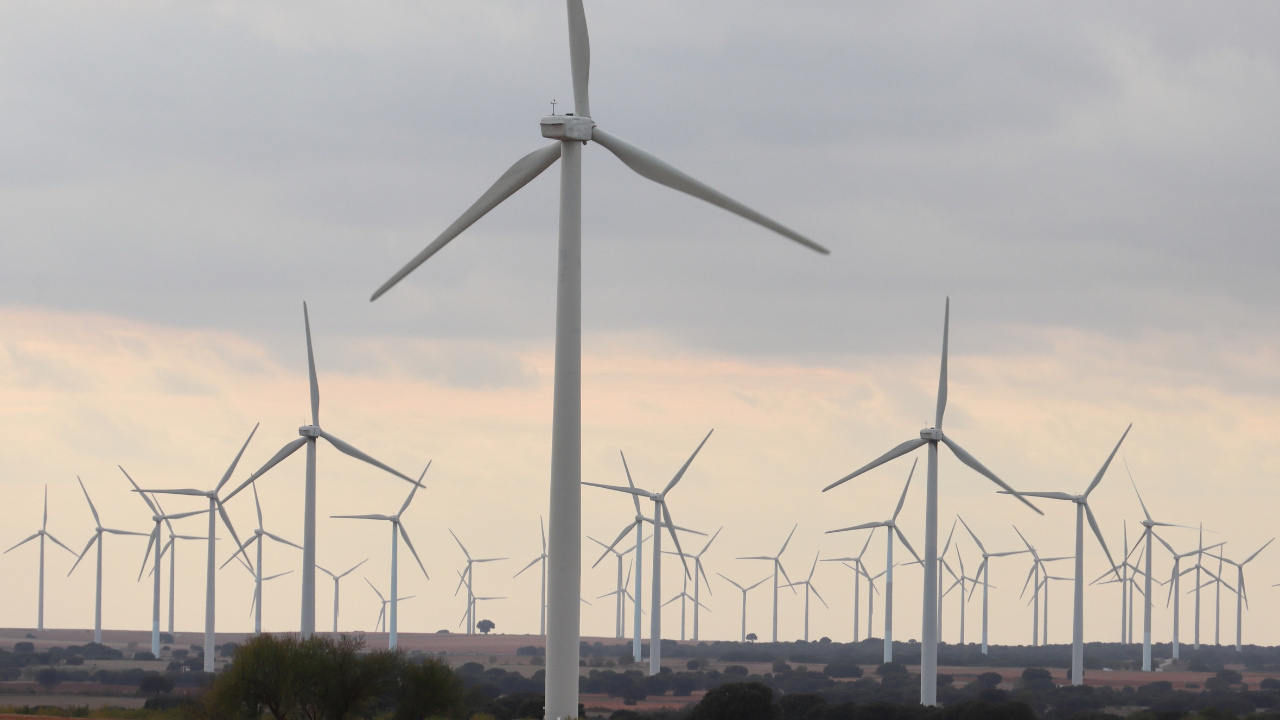
Brazil Faces Contraction In The Renewable Energy Sector; Projects Are Canceled Due To Lack Of Infrastructure And Low Attractiveness. Enel, Shell, And Auren Abandon Billion-Dollar Investments.
After years of constant advancements, the renewable energy sector in renewable energy in Brazil — which includes sources such as solar and wind — is experiencing a period of contraction. In recent months, major companies like Enel, Auren, and Shell requested the Brazilian Electric Energy Agency (Aneel) to revoke project authorizations across various states.
The main reason is the economic infeasibility caused by transmission bottlenecks, excess supply, and difficulty in negotiating the generated energy.
Cancellation requests directly impact large-scale projects, many of which were approved during the so-called “clean energy gold rush,” driven by tariff benefits guaranteed by recent laws.
-
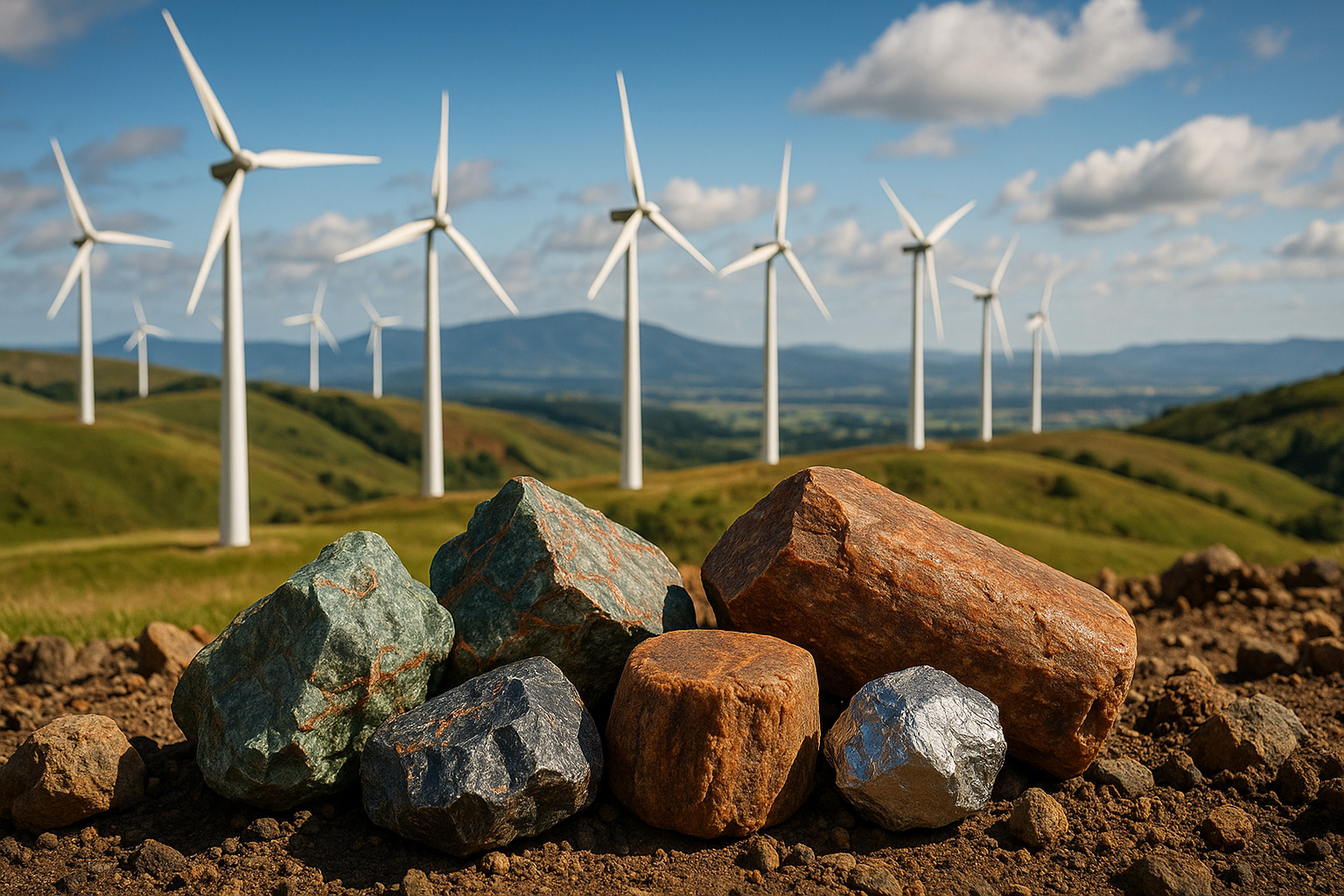
The Brazilian state accelerates industrial competitiveness with a focus on the extraction of strategic minerals to boost the energy transition in Goiás.
-
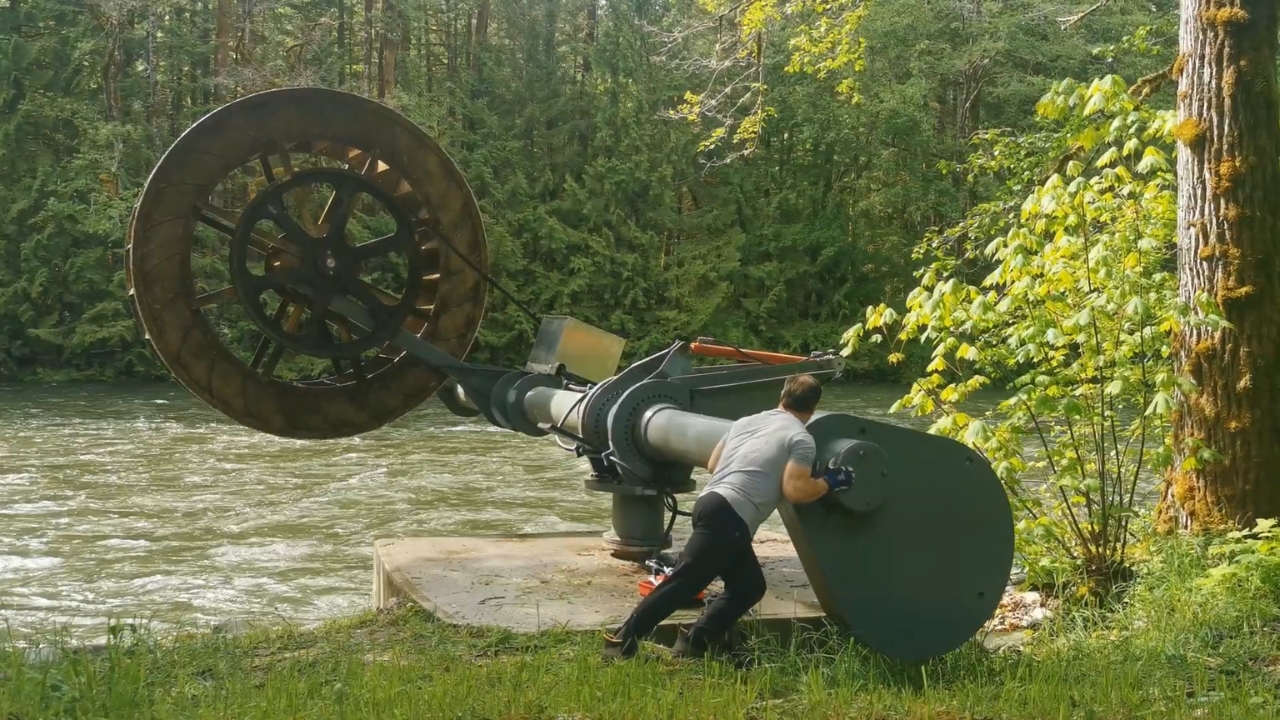
A Canadian retiree creates a hydroelectric system on a real river, generating energy continuously throughout the day and demonstrating how the power of water can supply a house with stability even in a simple structure.
-
Petrobras reaffirms its commitment to the market and ensures that it will carry out the energy transition safely to maintain national sovereignty.

-
Researchers discover a possible hydrogen deposit of up to 46 million tons beneath an ancient coal basin, and the volume could exceed half of the entire global production.

The expectation of stable financial returns has been lost in the current scenario, marked by unstable exchange rates, high-interest rates, and lack of infrastructure to transport energy production.
Stalled Investments And Billion-Dollar Losses
Enel Brazil is one of the most emblematic cases of this crisis. In June, the company requested the revocation of grants totaling nearly 1,500 megawatts (MW) of installed capacity — a volume comparable to that of a large hydropower plant.
According to Bruno Riga, president of Enel Green Power, the mandatory cuts in generation, known as curtailment, postpone the return on investments by up to five years.
“The state where we have the greatest impact is Bahia because we have 1.6 GW of installed capacity, which represents 40% of our total installed capacity in Brazil,” said Riga.
The company emphasizes that, in addition to difficulties in connecting to the power grid, excess energy supply has made projects less attractive, with actual generation up to 35% lower than expected in some plants.
Renewable Energy: Delayed Promises
The contraction is not exclusive to Enel. Auren Energia also requested Aneel to revoke five grants related to the second phase of the Tucano Wind Complex, totaling 159.6 MW.
The company cited, among other factors, the costs already incurred and the infeasibility of negotiating the generated energy, both in the free market and in auctions.
Shell Brazil followed the same path and announced the cessation of its centralized generation projects in the country, which totaled about 3 GW in solar energy.
The company’s justification was clear: it is cheaper to buy energy from third parties than to continue investing in its own generation infrastructure.
Cristiano Pinto da Costa, president of Shell Brazil, was straightforward: The Brazilian market has excess supply. Buying energy in the market is more advantageous than investing in new plants, he revealed.
The Role Of Transportation And Environmental Constraints
One of the largest barriers to the continuation of projects is the transmission infrastructure. Without new lines to transport the generated energy to consumer centers, power plants become limited or are forced to reduce production.
This limitation is already causing daily cuts in the electrical system. The National System Operator (ONS) estimates that by 2029, generation cuts due to excess supply — without financial compensation to generators — could reach up to 20 GW during peak hours.
And 96% of these cuts will occur for energy reasons, that is, due to an imbalance between supply and demand.
Furthermore, the slow pace of environmental licensing, under the responsibility of Ibama, hinders the construction of new lines.
According to ISA Energy Brazil, which is investing R$ 7.5 billion until 2029 in transmission projects, the shortage of technicians in environmental agencies compromises the progress of processes.
The company is awaiting approval to complete the installation of a 1,100 km line between Bahia and Minas Gerais, essential for connecting new sources of renewable energy to the system.
Brazil’s energy planning, traditionally based on demand forecasts, is now pressured by expanding generation that finds no space in the transmission network.
The proposal by Ceará’s governor, Elmano de Freitas, for the state to invest directly in new lines in partnership with the private sector shows how the situation has reached a critical point.
“The state can directly collaborate with renewable energy infrastructure, shortening deadlines and ensuring security for investors,” argues the governor, who has sought to take a leading role in the national debate on clean energy.
The Future Of Renewable Energy In Brazil
Despite the challenges, the cancellation of grants does not entirely eliminate the possibility of resuming these projects.
The companies remain holders of the ventures and can seek new licenses in the future.
However, the end of the discount on the network usage fee (wire fee), which was linked to the original grants, will require the projects to be restructured and become financially stronger to compensate for the loss of the benefit.
Experts warn that the country needs to better balance the growth of generation with investments in infrastructure.
Otherwise, Brazil risks wasting its enormous renewable energy potential due to lack of planning and execution.








-

-

2 pessoas reagiram a isso.