





 English
  Francês
  Alemão
  Italiano
  Japonês
  Norueguês
  Portuguese
  Spanish
  5 min of reading
  0 comments


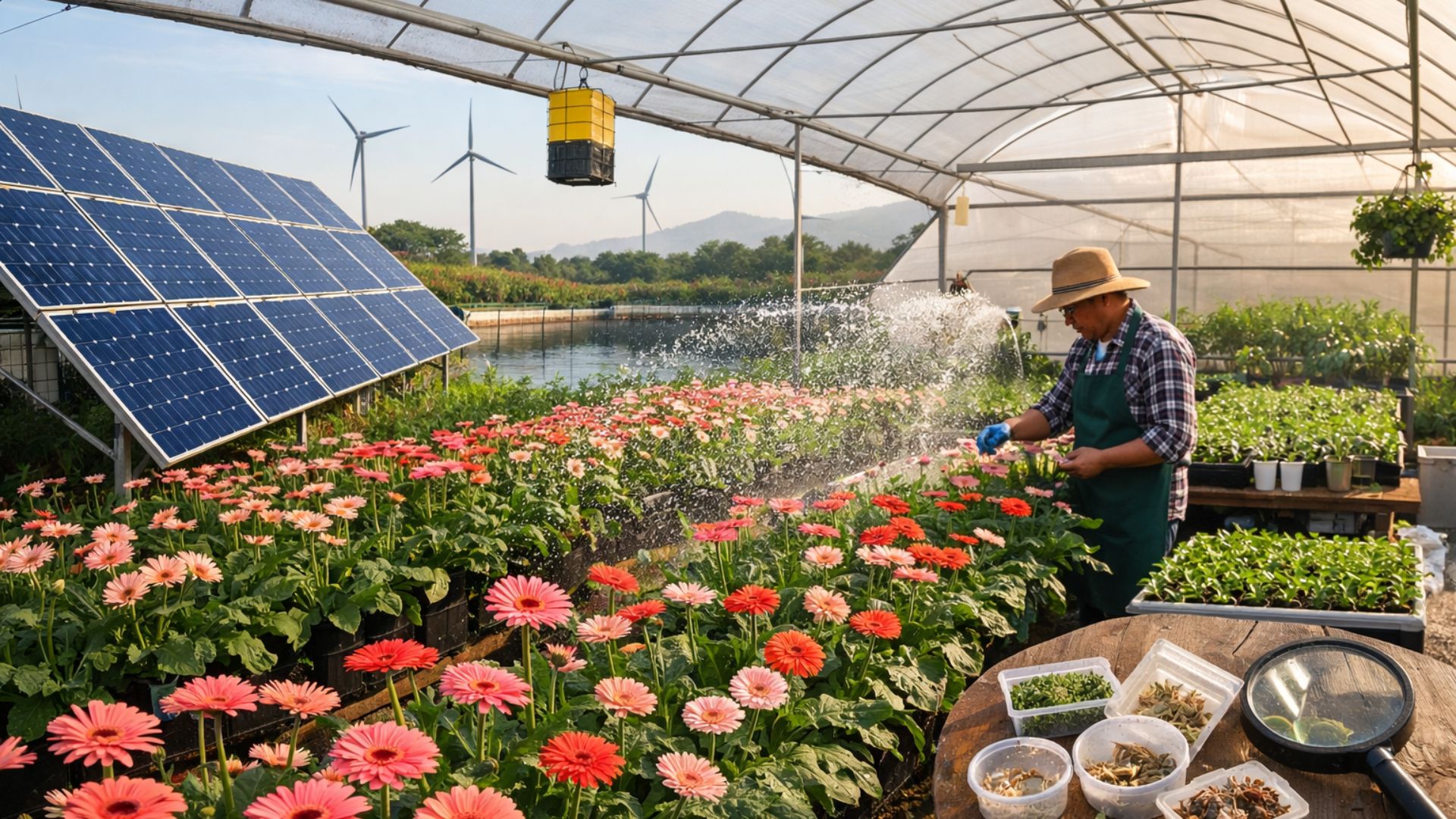
Brazilian Floriculture Advances with Innovative Technologies That Reduce Environmental Impact, Increase Sustainable Production, and Drive a More Efficient Model Within the Green Agribusiness.
The Brazilian floriculture has been undergoing a silent but significant transformation. Flower and ornamental plant producers have adopted innovative technologies that make sustainable production a central strategy in the sector. The goal is clear: reduce environmental impacts, improve the use of natural resources, and strengthen competitiveness within the so-called green agribusiness.
Among the most adopted solutions are rainwater harvesting, solar energy generation on properties, and the increasing use of biological pest control. These practices have been consolidating, especially in properties that use agricultural greenhouses, an environment that facilitates climate control and efficient production management.
According to Renato Opitz, director of the Brazilian Floriculture Institute (Ibraflor), a large part of flower production in Brazil occurs within greenhouses with plastic covers. This cultivation model allows for modern environmental management solutions to be implemented and increases the efficiency of sustainable production.
-
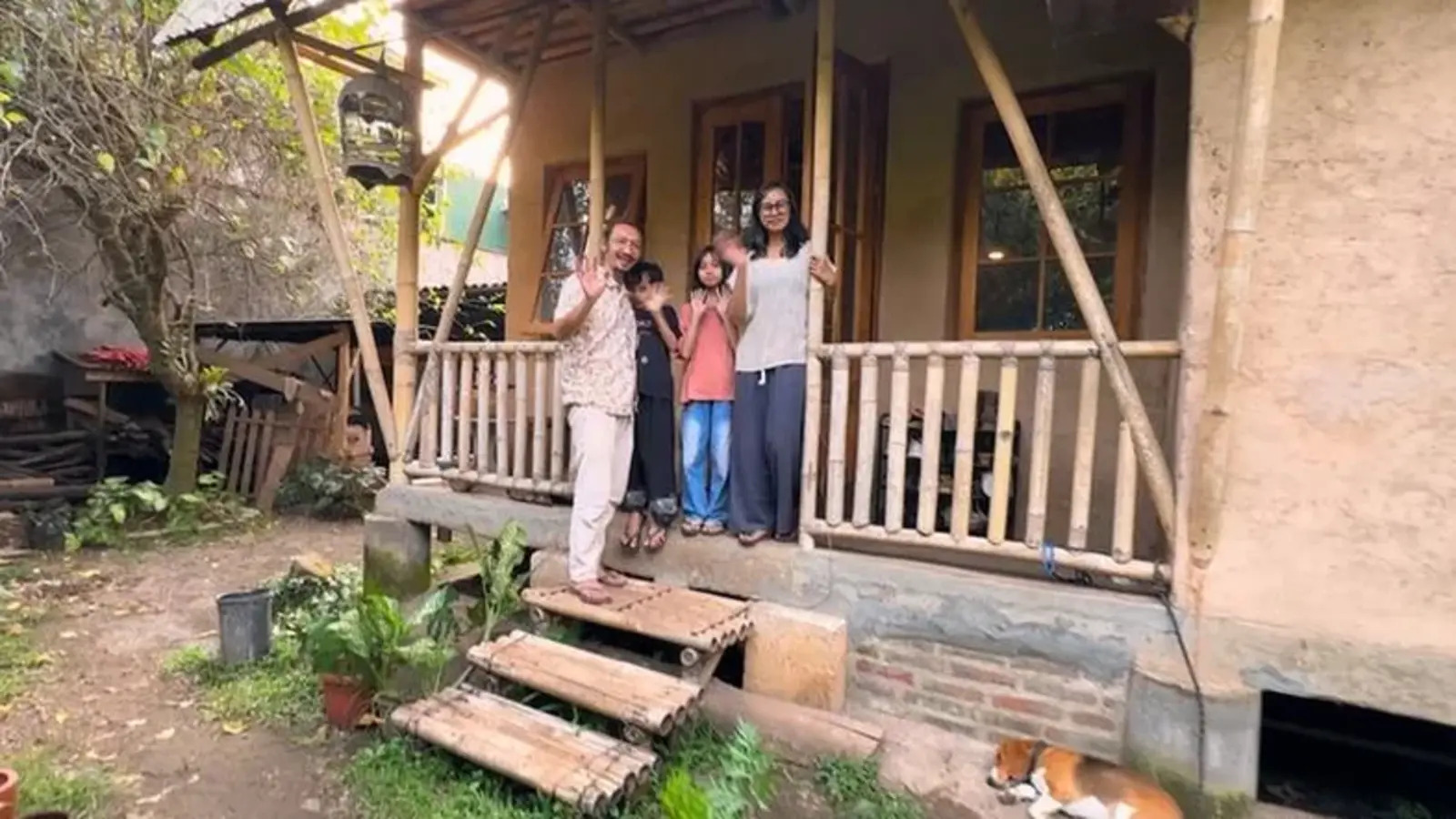
With earth, bamboo, straw, and lime mortar, a specialist builds a house for just over $460 and draws attention for its cost being much lower than traditional construction.
-
Rodrigo de Freitas Lagoon advances in environmental recovery with sanitation, elimination of irregular sewage, and the resumption of water sports in Rio de Janeiro.

-
Sustainable housing gains strength with a nationally awarded project in Campo Grande, highlighting innovative solutions that combine sustainability, urban integration, and efficiency in the use of natural resources.

-
City Where Residents Live Underground to Escape 52°C May Be a Picture of the Future on an Increasingly Hot Planet


By combining technological innovation with good agricultural practices, the sector increases its productive capacity and reinforces the role of Brazilian floriculture as an activity aligned with the demands of the green agribusiness.
Brazilian Floriculture Bets on Innovative Technologies to Transform Sustainable Production in the Field
In recent years, Brazilian floriculture has been increasingly investing in innovative technologies that help modernize the production system. These tools allow for the production of more flowers and ornamental plants with lower consumption of natural resources.
A large part of these changes occurs within agricultural greenhouses. This protected environment facilitates the control of temperature, humidity, and pest incidence. As a result, producers can improve plant quality and reduce waste during cultivation.
Furthermore, the controlled environment of greenhouses creates ideal conditions for implementing solutions aimed at sustainable production, such as efficient irrigation systems and climate monitoring.
For the sector, adopting these technologies represents an important step in consolidating Brazilian floriculture as a strategic part of the green agribusiness, which seeks to combine productivity with environmental responsibility.
Rainwater Harvesting Gains Ground in Greenhouses and Strengthens Sustainable Production
One of the clearest examples of the modernization of Brazilian floriculture is in the management of water used in production. Many properties have begun to adopt rainwater harvesting systems utilizing the very structure of the greenhouses.
According to Renato Opitz, the plastic covers of greenhouses allow for efficient rainwater collection. This water is directed to reservoirs, where it is treated before being reused in cultivation.
“A large part of production takes place within greenhouses with plastic covers. When it rains, this water is collected, treated, and stored in reservoirs. With good management, it ends up being sufficient for use on the property,” explains the Ibraflor director.
In addition to directly irrigating the plants, the resource can also be used to improve environmental conditions within the greenhouses. Micro-sprinkling systems help control temperature and humidity, creating a more favorable environment for the development of flowers.
This type of solution demonstrates how innovative technologies can enhance the efficiency of sustainable production and reduce water resource consumption in the sector.

Solar Energy Strengthens the Green Agribusiness in Flower Properties
Another initiative gaining traction in Brazilian floriculture is the installation of solar energy generation systems on properties. Photovoltaic panels enable the production of clean electricity and reduce electricity costs.
According to Ibraflor, in various producing regions many establishments are already able to generate nearly all the energy used in agricultural operations.
“In many cases, practically all the energy used is generated on the property itself. And, in some situations, there is even a surplus that can be sent back to the electrical grid,” says Renato Opitz.
Solar energy generation contributes directly to sustainable production as it reduces dependence on conventional energy sources and minimizes environmental impacts.
Moreover, the system ensures greater energy security for producers. Greenhouses depend on energy for ventilation, lighting, and climate control, and self-generation avoids interruptions that could harm production.
This combination of clean energy and technological innovation reinforces the presence of Brazilian floriculture in the green agribusiness landscape.
Biological Pest Control Reduces Pesticide Use in Brazilian Floriculture
Pest management has also undergone significant changes in recent years. Brazilian floriculture has increased the use of biological control, a strategy that replaces or reduces the application of chemical pesticides.
In this model, natural enemies are introduced into the cultivation environment to combat insects that attack ornamental plants. These organisms help maintain the ecosystem’s balance within the greenhouses.
According to the Ibraflor director, the advancement of this technique has already brought significant results in the sector. In some properties, the use of chemical products has dropped by more than 80% thanks to the adoption of biological control.
This advancement occurs because greenhouses serve as physical barriers that reduce the entry of external pests. At the same time, internal environmental control facilitates the monitoring of plants and the effectiveness of natural enemies.
The strategy contributes to expanding sustainable production, improving flower quality, and strengthening the environmental commitment of the sector within the green agribusiness.
New Technologies Promise to Make Sustainable Production Even More Efficient
The advancement of innovative technologies in Brazilian floriculture is expected to continue in the coming years. Researchers and producers are working on developing solutions capable of increasing efficiency in the use of water, energy, and nutrients.
One of the proposed developments involves smarter irrigation systems. These devices allow for applying only the amount of water necessary for each growth stage of the plants.
Another solution under study is the reuse of water within the production cycle itself. In this model, water that is not absorbed by plants can be captured, filtered, and reused.
“Everything that the plant does not absorb can be captured, filtered again, and reused. This makes a big difference in water management,” highlights Renato Opitz.
This type of technology reinforces the importance of innovation to enhance the efficiency of sustainable production and reduce waste within the production chain.
How Innovation and Sustainability Are Redesigning the Future of the Flower Sector in Brazil
Technological advancement shows that Brazilian floriculture is adapting to the new demands of the global market. Consumers, distributors, and retail chains have increasingly valued products from sustainable supply chains.
In this context, the adoption of innovative technologies is no longer just an alternative but represents an essential strategy for the sector’s growth.
By investing in renewable energy, water reuse, and biological pest control, producers can reduce costs, increase productivity, and improve the quality of flowers.
These changes also help strengthen the sector’s image within the green agribusiness, a concept that seeks to balance economic development with environmental preservation.
With the continuation of these investments and advancements in agricultural innovation, the trend is that Brazilian floriculture will further increase its participation in the national agribusiness, solidifying sustainable production as the foundation for the sector’s growth in the coming decades.









Seja o primeiro a reagir!