





 Portuguese
  English
  Spanish
 6 min of reading
  0 comments


New Decree from the Municipality of Salvador Regulates Abandoned Urban Properties, Defines Criteria for Loss of Property and Provides Fines That Can Reach R$ 100 Thousand, Besides the Consolidation of Public Domain After Three Years of Municipal Possession.
The Municipality of Salvador regulated this year the procedure for reclaiming and taking over abandoned urban properties.
The Decree No. 40.025 establishes when a property can be declared “vacant”, such as when the Municipality takes possession and under what conditions the property becomes definitively consolidated after three years.
The regulation is based on the Civil Code, the Federal Law No. 13.465/2017, and the Municipal Law No. 8.553/2014, with special focus on the Historic Center and surrounding areas, where there is a higher concentration of degraded buildings.
-
Chocolate prices soar nearly 15% and become a luxury item for Easter 2026, with increases surpassing inflation and changes in Brazilian consumption habits.

-
The Federal Revenue issues a good alert for Brazilian taxpayers: 60.9% are already using the pre-filled tax return, automatic refunds via Pix reach millions, and the government plans for a fully automated income tax in the coming years.

-
India announces a plan of $3.06 billion to bring aviation to forgotten regions: 100 new airports, $1.07 billion in subsidies, and regional routes guaranteed for 10 years, from 2026 to 2036, away from the centers.

-
Brazil blocked a proposal from the United States at the WTO that would make the exemption from tariffs on digital products like streaming and ebooks permanent, favoring American tech giants at the expense of developing countries.


What Characterizes Abandoned Property in Salvador
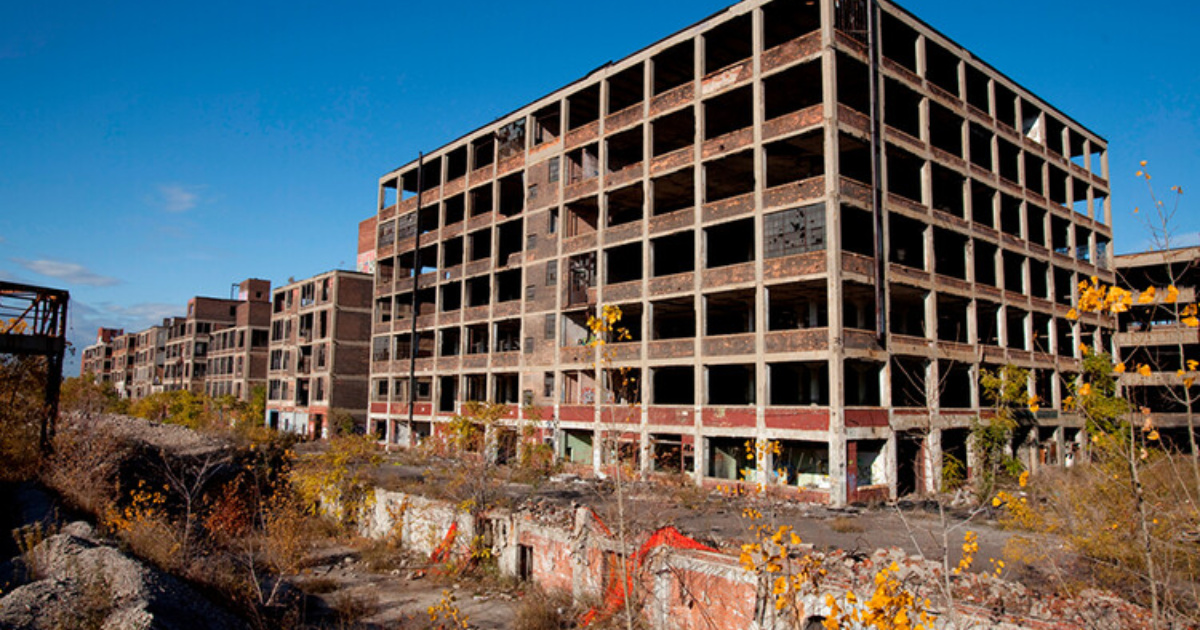
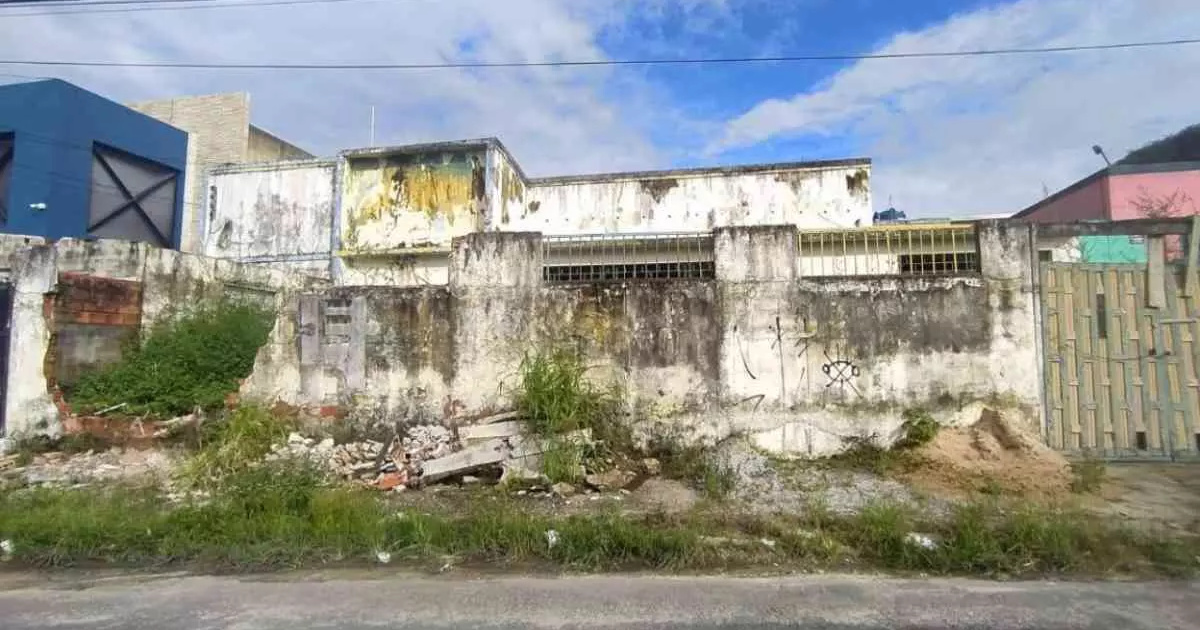
According to the decree, a private property is considered abandoned if it shows clear signs of disuse, without any acts of possession by the owner and without any indication of intent to maintain it.
This intention to conserve is no longer recognized when, after ceasing acts of possession, the owner fails to pay property taxes linked to the property, such as the IPTU, for five years.
In this scenario, an absolute presumption of abandonment is formed.
Once confirmed in a technical report, the property may be reclaimed as vacant property.
How the Administrative Process of the Municipality Works
The procedure starts with an inspection by the Municipal Secretary of Urban Development, which prepares a detailed report and may request a report from the Civil Defense to assess risk and conservation status.
Subsequently, the Secretary of Finance compiles the documentation.
Once abandonment is confirmed, the Finance department issues the administrative act that characterizes the situation and forwards the process to the mayor for the issuance of the Decree of Reclamation.
Once the decree is published, the Finance department must post a notice on the property in a visible location and provide notification to the owner by postal mail with acknowledgment of receipt.
If the owner is at an uncertain location, notification will be published via notice in the Official Gazette and on the property itself.
A 30-day period is then opened for contestation.
During this period, the owner can contest the evidence presented by the Municipality or demonstrate the intent to maintain the property by signing a Commitment Term.
Provisional Possession and Three-Year Term
If there is no response or if the contestation is rejected, the decree allows for immediate possession by the Municipality.
From this act, provisional possession begins, which is recorded in the property registry.
During this period, the public authority can carry out necessary interventions to ensure the social function of the property, either directly or through third parties.
The temporal cutoff point is objective: three years after the publication of the Decree of Reclamation, if the property remains under the Municipality’s possession, the property consolidates in favor of the public entity, with the definitive transfer of the vacant property to the municipal assets.
The temporal landmark reflects the Article 1.276 of the Civil Code, which addresses the loss of property due to abandonment.
Conditions to Avoid Loss of Property
The regulation provides the owner a means to retain ownership.
By signing the Commitment Term within the legal deadline, the interested party must fulfill obligations for conservation and fiscal regularity.
Among the requirements are deadlines to file the request for works within six months, begin works within twelve months, and complete them within twenty-four months after the license, with finalization and acceptance within thirty-six months.
It is also necessary to regularize tax debts within 24 months, in accordance with the Finance department’s criteria.
Failure to comply with the Term subjects the owner to a fine between R$ 10 thousand and R$ 100 thousand, scaled according to the characteristics of the property and the degree of noncompliance.
If nonfulfillment of obligations persists, the process continues with provisional possession and, if maintained for three years, leads to the consolidation of municipal property.
Possibility to Reclaim the Property Before Reclamation
Before the three-year period from the reclamation decree is completed, the owner can claim the property and reverse the process towards definitive loss.
To do so, they must regularize the fiscal situation by paying all municipal taxes owed on the property within 90 days, including legal fees if there is an active debt, and update the registration data with the Finance department.
Additionally, prior restitution of expenses incurred by the public authority for storage, conservation, and investments, corrected and with interest, is required, with payment within 180 days after the presentation of the technical cost report.
Without full compliance with these conditions, the procedure continues its course and the transfer consolidates at the end of the three-year period.
Social Destination of Reclaimed Properties
Once the property is consolidated, the reclaimed assets are preferentially allocated to housing programs and public services such as education, health, culture, and assistance.
The decree also allows, during provisional possession, for temporary uses even by third parties, provided they assume maintenance, restoration, or reconstruction, through public call.
The design seeks to economically activate historical areas, protect heritage, and reduce urban risks associated with degraded constructions.
Roles of Each Agency in the Process
The responsibilities are distributed among different agencies. The SEDUR oversees and technically instructs the processes and can issue complementary acts.
The SEFAZ conducts the reclamation and encampment, notifies owners, issues the Term of Provisional Possession to formalize provisional possession, and notifies the registry office for recording.
The Municipal Attorney General’s Office acts in legal advisory and in registration regularization of the consolidated property. The decree reinforces, in several passages, the observance of contradictory and broad defense.
Legal Basis and Normative Changes
The municipal regulation transposes to Salvador the guidelines of Article 1.276 of the Civil Code, which allows the reclamation of abandoned urban property as vacant property and the transfer of ownership to the Municipality after three years.
It also integrates the mechanisms introduced by the Law 13.465/2017, which details the administrative procedure and the presumption linked to IPTU delinquency for five years.
The new decree also revokes the previous norm (Decree No. 25.922/2015) and comes into effect on the date of publication, with retroactive effects for properties that were already under municipal custody on the date of publication of Law No. 8.553/2014.
Who Is Impacted and What Precautions to Take
The rules apply to heirs with long inventories, absent owners with overdue taxes, investors who halted construction, and holders of listed properties without maintenance.
For this audience, the decree indicates objective preventive measures: keep taxes up to date, document conservation interventions, ensure legal occupancy, and update registrations to receive notifications.
In case of a process being opened, the document specifies deadlines for defense and for signing the Commitment Term, in addition to clarifying the conditions for reclaiming the property during provisional possession.
You, who own property in Salvador or keep an eye on the Historic Center, do you believe that the defined policy can stimulate the social function without undermining the guarantees of property rights, or should the criteria be adjusted to better protect the public interest?






-

-

3 pessoas reagiram a isso.