





 Portuguese
  English
  Spanish
 4 min of reading
  23 comments





Closed Properties Without Maintenance and With IPTU Debts Can Be Incorporated by the City of Rio After Three Years of Abandonment, According to Municipal Decree Based on the Civil Code. The Rule Is Already in Effect and Has Been Changing the Urban Landscape.
An apartment inherited from the family, closed for years, without tenants and with accumulated IPTU debts, can now be incorporated into the assets of the City of Rio de Janeiro in just three years.
The measure is already in effect and stipulates that urban properties in apparent abandonment undergo an administrative process that culminates in the definitive transfer of ownership to the municipality.
What Characterizes an Abandoned Property
The procedure begins with identifying properties that show signs of deterioration, are vacant, and have municipal taxes overdue for at least five years.
-
Paraíba shoots up and has the most expensive square meter in the Northeast, and the increase in labor puts the region at the center of pressure, with Bahia recording the highest monthly increase in Brazil in construction.

-
BNDES and a Chinese bank create a billion-dollar fund of $1 billion to invest in Brazil in energy, infrastructure, mining, agriculture, and AI.

-
INSS confirms the 2026 13th salary calendar, but excludes thousands of elderly from payment; find out now who is left out and how to check by CPF.
-
Even facing a shortage of professionals, the construction industry generated 31,099 formal jobs in February, once again driving the labor market in Brazil and showing that it still fuels the economy.

When these conditions are met, the law presumes that the owner no longer wishes to maintain the property.
From there, the City initiates a process to collect the property as a “vacant property”, as stipulated in the Civil Code.
How the Collection Process Works
The technical inspection is the first step, with a photographic report produced by municipal teams.
Next, certificates are issued at the registry office and the municipal treasury to confirm the delinquency and the lack of movement of the property.
With the documents in hand, the City Hall opens an administrative process and notifies the owner by registered letter and publication in the Official Gazette.
The owner has 30 days to defend themselves by proving payment, use, or maintenance.
If they do not do so, the mayor may publish a specific decree declaring the collection of the property.
From that act, the asset is under temporary possession of the municipality, which can allocate it to housing programs, public services, or temporary concessions.
If the owner does not come forward during the following three years, the property is permanently consolidated into public assets.
When the Rule Was Created
The instrument was regulated in Rio in October 2023, through Municipal Decree 53.306/2023.
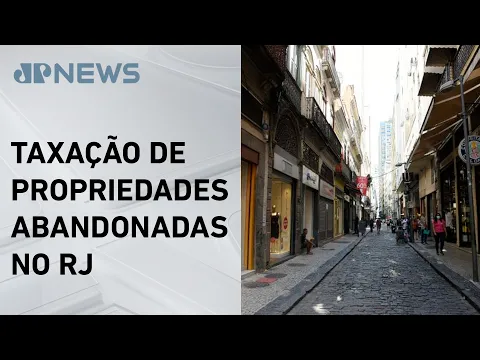
The publication occurred a few days after part of a historic building collapsed in the downtown area, raising safety concerns.
At the same time, studies by preservation entities indicated hundreds of properties in ruins in the central region.
The City started to advocate for collection as a way to combat urban degradation and make new use of currently underutilized areas.
What Is the Destination of Collected Assets?
The collected properties prioritize use for social housing, especially in subsidized rent programs or land regularization.
When that is not feasible, they may host public facilities, such as schools, health units, or cultural centers.
It is also possible to grant use to non-profit organizations or private investors committed to restoring the property.
Sale at auction is allowed only as a last resort.

Who Is Most at Risk of Losing Properties
Some groups are at greater risk of having their properties classified under the rule.
Among them are heirs involved in lengthy probate processes, investors who acquired properties at auctions without occupying them, banks that repossessed assets without being able to sell them, and small owners who allowed their IPTU to accumulate after moving to another city or country.
The Impact of Abandonment on Rio
In addition to threatening urban safety, vacant properties mean a loss of revenue.
Data from Agência Brasil indicate that thousands of families live in occupied buildings in downtown, without tax collection.
This scenario pressures public services and increases local vulnerability.
The City argues that maintaining properties in these conditions violates the social function of property, a principle present in the Constitution and the Civil Code.
How to Protect Your Property
To avoid loss, experts recommend:
- Keep IPTU payments up to date or enroll in formal installment plans.
- Put the property to use, whether renting, lending, or donating to social projects.
- Document periodic maintenance, with receipts for repairs and updated photos.
- Update your address at the registry office, ensuring timely receipt of notifications.
Is It Possible to Recover the Asset During the Process?
If the owner reappears during the temporary possession period, they can recover the property.
To do so, they must reimburse all public expenses, including taxes paid by the municipality, emergency works, and any compensation to third parties.
Without this financial restitution, the definitive transfer remains valid after the three-year period.
Digital Mapping
According to reports, the City is currently working on a digital mapping initiative to disclose addresses in the collection process.
The measure aims to provide transparency and attract interest in restoring historic buildings.
At the same time, the Companhia Carioca de Parcerias e Investimentos has opened a public consultation to receive proposals for temporary use of degraded properties, particularly in the downtown area.
Real estate law experts consider the initiative a game-changer in Rio’s urban policy, showing that registry office documentation is not enough when the social function is not fulfilled.
Do you agree that abandoned properties should be transferred to the city’s assets to fulfill a social function rather than remaining empty and degraded?







O povo tem que se reunir com urgência como fizeram em Nepal.
O governo já te tira 60% a 70% só de imposto sobre tudo que vc compra ou possui, não tem sentido de fazer isso, isso seria um roubo. Vários políticos pelo país estão ficando super ricos, e a justiça não faz nada. Agora a pessoa que trabalha honesta tá lascada pois o político procura te prejudicar. Pior ainda tem gente sem noção que apoia uma barbaridade dessas.
O que tem que acontecer é o povo se reunir como fizeram em Nepal.
sim 👍 ✌️ 👍 ✌️ concordo plenamente!!!!
Isso é o comunismo invadindo a propriedade privada. Absurdo essa lei, que só pode ter votado pela esquerda ****.