





 Portuguese
  English
  Spanish
  3 min of reading
  0 comments


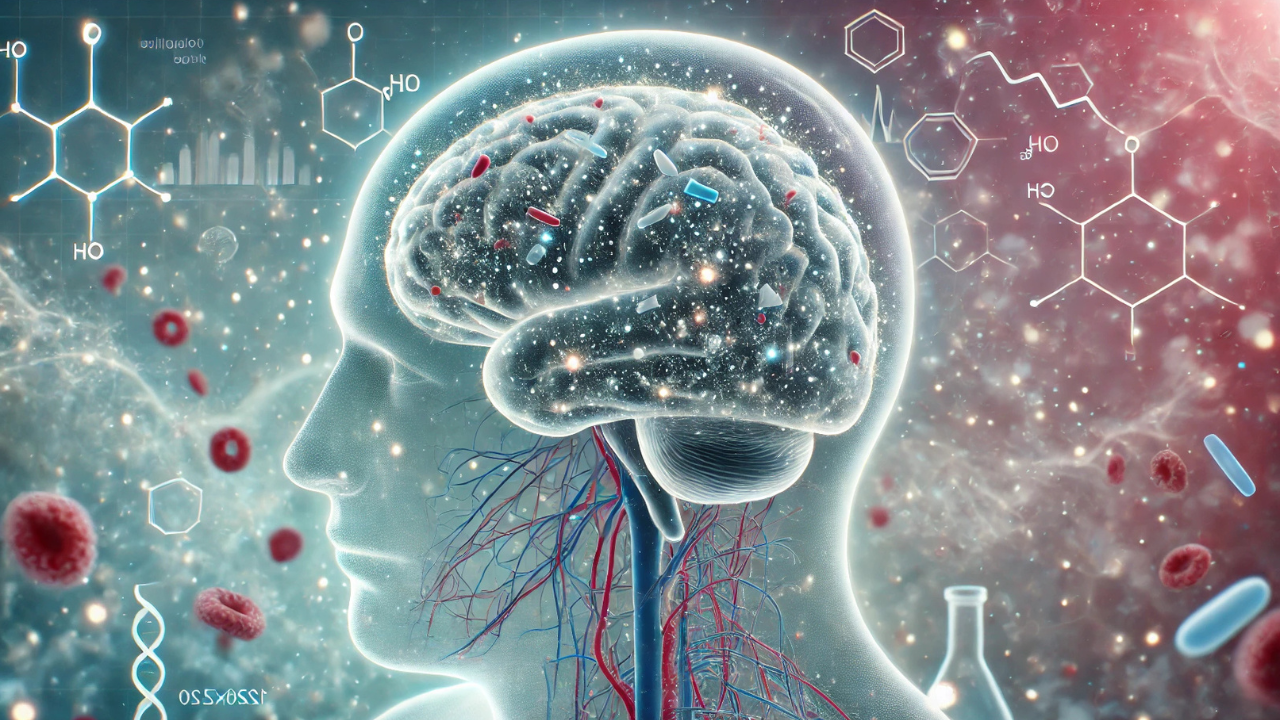
Study Reveals That Microplastics Accumulate in the Human Brain and May Be Linked to Dementia. Discover How to Reduce Your Exposure.
In recent years, microplastics have become one of the major environmental and public health concerns. These tiny particles are increasingly present in the environment and have now been identified in alarming quantities in the human brain, raising concerns about their impacts on neurological health and a possible relationship with dementia.
The Growing Problem of Microplastics
Global plastic production exceeds 300 million tons per year, and a significant portion of this material breaks down into microplastics and nanoplastics (even smaller particles, between 1 and 1,000 nanometers).
According to estimates, about 2.5 million tons of microplastics were floating in the world’s oceans in 2023, a tenfold increase compared to 2005 levels.
-
Motorola launched the Signature with a gold seal from DxOMark, tying with the iPhone 17 Pro in camera performance, Snapdragon 8 Gen 5 that surpassed 3 million in benchmarks, and a zoom that impresses even at night.

-
Satellites reveal beneath the Sahara a giant river buried for thousands of kilometers: study shows that the largest hot desert on the planet was once traversed by a river system comparable to the largest on Earth.

-
Scientists have captured something never seen in space: newly born stars are creating gigantic rings of light a thousand times larger than the distance between the Earth and the Sun, and this changes everything we knew about stellar birth.

-
Geologists find traces of a continent that disappeared 155 million years ago after separating from Australia and reveal that it did not sink, but broke into fragments scattered across Southeast Asia.

With the growing use of disposable plastics, these invisible particles are spreading everywhere: in the air, in water, in food, and now, as pointed out by a recent study, within the human brain itself.
Study Reveals Accumulation of Microplastics in the Brain
A study published in the journal Nature Medicine in 2024 found that microplastics and nanoplastics accumulate in greater concentrations in the brain than in other organs, such as the liver and kidneys.
Scientists analyzed brain samples from individuals who passed away between 2016 and 2024 and identified a significant increase in the amount of microplastics in more recent brain tissues.
Researchers also detected considerably higher levels of these particles in the brains of individuals diagnosed with dementia, suggesting a possible link between exposure to microplastics and the development of neurodegenerative diseases.
How Do Microplastics Reach the Brain?
Microplastics can be inhaled from the air or ingested through food. Previous studies had already found these particles in the lungs, bloodstream, and bone marrow.
However, it was believed that only smaller nanoplastics could cross the blood-brain barrier, which protects the brain from toxic substances.
The new study demonstrated that even larger microplastics can cross this barrier and lodge themselves in the brain.
According to researchers, this contamination may occur primarily through inhalation through the nose, leading the particles directly to the olfactory bulb, a brain region connected to the central nervous system.
Microplastics and Dementia
Scientists emphasize that there is still no definitive proof that microplastics cause dementia, but the study revealed that the brains of individuals with this disease contained three to five times more microplastics than those of healthy individuals.
One of the hypotheses raised is that individuals with dementia have a more permeable blood-brain barrier, allowing greater accumulation of these particles in the brain.
On the other hand, it is also possible that the presence of microplastics contributes to brain inflammation, accelerating cognitive decline.
What Can Be Done to Reduce Exposure?
While it is nearly impossible to completely avoid exposure to microplastics, some measures can help minimize the risks:
Reduce the use of disposable plastics by opting for reusable materials;
Ensure good ventilation in indoor environments and clean regularly to reduce plastic dust;
Avoid plastic-packaged foods whenever possible;
Choose personal care products without added microplastics, such as some exfoliants and toothpaste.
Scientists are also studying ways to reduce environmental contamination by microplastics, such as using microorganisms capable of degrading these pollutants and developing new filters to remove these particles from drinking water.
The presence of microplastics in the human brain is an alarming discovery that raises new questions about the impacts of these pollutants on health.
While it is still early to assert that they cause dementia or other neurological diseases, the association found in the study reinforces the need for more research and measures to reduce human exposure to these particles.
The advancement of plastic pollution and its impact on health highlights the importance of seeking sustainable solutions and raising public awareness about the invisible risks that microplastics may pose to our bodies.







Seja o primeiro a reagir!