





 Portuguese
  English
  Spanish
  4 min of reading
  0 comments


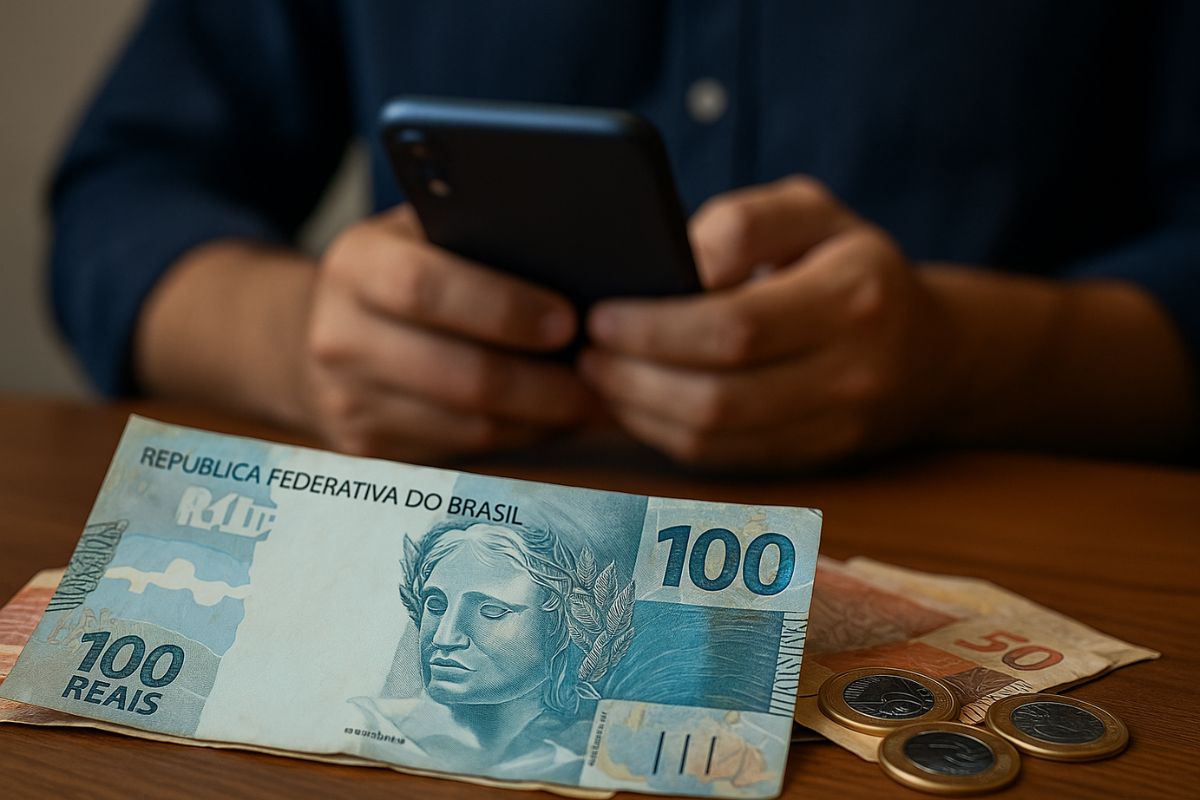
Virtual Scams Threaten Savings Security: Discover How to Avoid Losses with Practical Tips from the Central Bank
If you still think that savings accounts are an untouchable safe harbor, it might be time to rethink. The Central Bank of Brazil issued an important alert for Brazilians who trust the traditional savings account as a way to save money. The message is clear: the risks have increased — all due to the digital advancement that has made life easier but also opened doors for criminals.
The growing digitization of banking services has brought convenience, of course. Today, with just a few taps on your phone, you can check your balance, transfer funds, or even invest. But this practicality has also become the new hunting ground for fraudsters who exploit vulnerabilities in the everyday use of apps.
Why Did Your Savings Turn into Easy Targets for Scammers?
It’s not the savings account itself that has become less secure — it’s the way we access it. The popularization of banking apps, the excessive use of weak passwords, outdated devices, and innocently clicking on suspicious links are just a few of the factors that can put your money at risk.
-
Mothers and daughters come together, create an ‘express’ beauty salon and turn the idea into a network with 21 units, revenue of R$ 16.7 million and 12,000 subscribers.

-
End of the 6×1 schedule: how the reduction of hours can affect service companies, industry, and agribusiness.

-
Brazil Ignores Trump’s threats to BRICS, Buys 42 tons of gold and reduces the Dollar’s share by 6.45% in international reserves.

-
Havan buys historic football land in Blumenau for a million-dollar amount protected by a confidentiality clause and is already planning to change even the layout of streets to build a megastore in half-timbered style costing 80 million reais.


According to the PSafe Security Report, there were over 5 million attempts at banking fraud in Brazil in 2024 alone — many of them through social engineering and remote invasions of devices.
The Central Bank emphasizes that the ease of moving money instantly can become a double-edged sword. An irregular transaction can be made in seconds, and by the time the account owner notices, the money is already gone.
Five Essential Steps to Protect Your Savings Account
Protecting yourself is easier than it seems. The Central Bank listed some practical measures that help — and a lot — to avoid headaches:
- Check your statement frequently. Monitoring transactions helps catch any strange movements as soon as possible.
- Create strong and unique passwords, avoiding birthdays, sequential numbers, or the names of family members.
- Enable two-factor authentication on apps. This feature prevents intruders from accessing your account with just the password.
- Be suspicious of links received via message. Phishing scams are becoming increasingly sophisticated. Only click if you are sure of the source.
- Always update your phone’s system and keep a good antivirus installed.
And a crucial point: never access your account on public Wi-Fi networks. They are a paradise for those wanting to intercept your banking data.
PIX Undergoing Security Improvements
It’s not just savings accounts that are on the Central Bank’s radar. The PIX, which has become the preferred payment system for Brazilians, is also receiving security enhancements. Among the new features is the inclusion of automatic alerts for suspicious transactions — a way to notify the user in real-time if something unusual happens.
The President of the Central Bank, Roberto Campos Neto, recently stated in an interview that trust in the digital financial system increasingly depends on cybersecurity. Therefore, the agency has been investing in intelligence to combat digital crimes.
Suspected a Scam? Here’s What to Do
Detected a strange transaction in your savings? The first thing to do is contact your bank immediately and request a temporary account block. Then, file a police report and gather all possible proof and screenshots. These documents will be essential to open an investigation and, in some cases, to try to recover the lost amount.
For more complex scams, it’s also worthwhile to file a complaint on the gov.br website and contact Procon, especially if the bank does not provide a quick solution.
Be Extra Careful: Crime Evolves with Technology
The truth is that technological advancement will continue, and with it, the methods of criminals will too. If before, scammers needed physical access to the account, today a simple wrong click can open the door to serious losses.
Therefore, in addition to investing in your savings, also invest in your digital security. Information and prevention are the best allies for those who don’t want to see their hard-earned money slipping away through a virtual gap.








Seja o primeiro a reagir!