





 Portuguese
  English
  Spanish
  4 min of reading
  0 comments


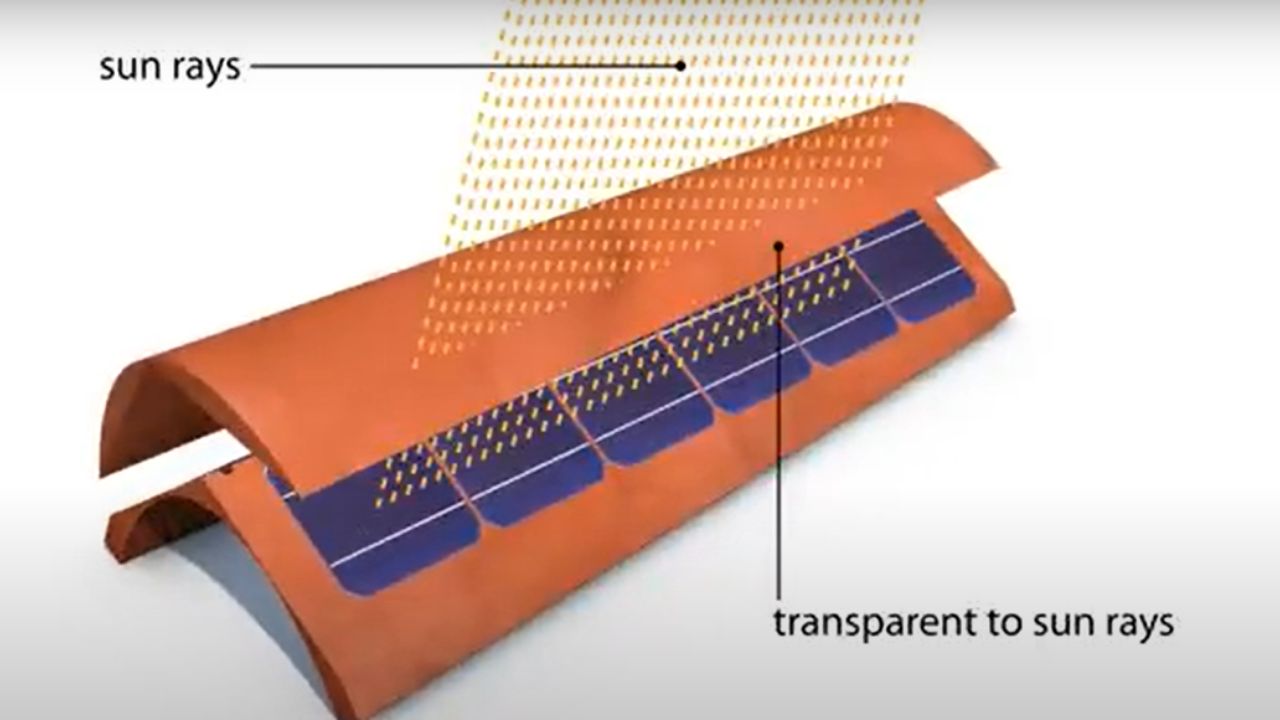
Discover How Solar Roof Tiles Integrate Perfectly into Architecture, Imitating Common Materials to Produce Electricity Sustainably and Enhance Your Property Value.
The quest for clean energy and saving on electricity bills has led to the popularization of solar energy. However, the aesthetics of traditional panels can be an obstacle. This is where solar roof tiles emerge as the perfect solution, combining photovoltaic energy generation with a design that respects and complements the beauty of your home, turning the roof into a discreet and efficient power plant.
What Are Solar Roof Tiles and How Do They Work?
At their core, solar roof tiles are roofing components that serve a dual purpose of protecting the home and generating electricity. They integrate photovoltaic cells, usually made of silicon, that convert sunlight into electrical energy. The distinguishing feature of the “invisible” model is its incredible ability to imitate, with high fidelity, the appearance of traditional materials such as ceramics, stone, slate, and wood.
The operation is similar to that of a conventional panel. Sunlight hits the photovoltaic cells, generating a direct current (DC). This energy passes through an inverter, which converts it into alternating current (AC), the standard used in homes. The electricity can be used immediately, stored in batteries, or the surplus can be sent to the grid, generating credits on your electricity bill.
-
Argentina debuts its first 100% solar-powered highway and transforms an entire road into a showcase of clean energy.

-
Minas Gerais reaches a historic record and surpasses the power of Itaipu, but network costs generate debate: Understand why solar energy in MG impacts the electricity bill of those without panels.
-
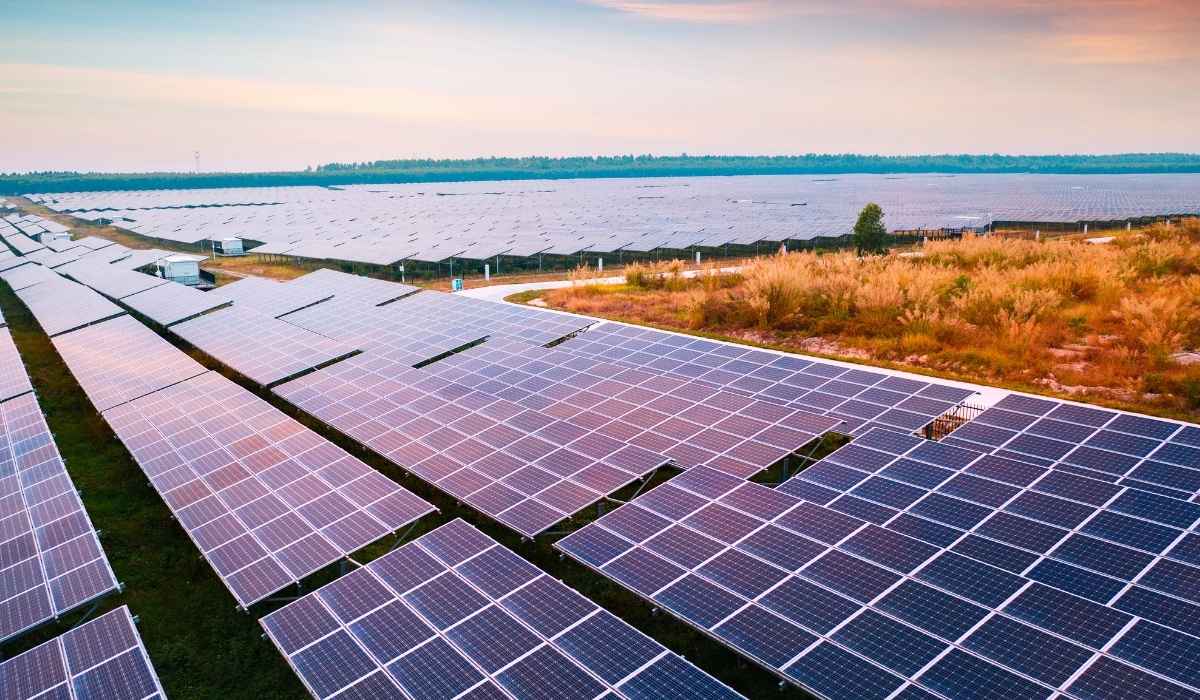
Mexico surprises the world by building the future largest solar plant in Latin America, advancing with planned expansion to over 1 GW, and boosting solar energy in the country.

-
Solar cells have just achieved the “impossible” with this 130% breakthrough.


The main difference from traditional panels lies in the integration. While panels are mounted on top of the roof, solar roof tiles replace regular roof tiles, becoming part of the roof structure.
Advantages of Solar Roof Tiles


The adoption of solar roof tiles offers a range of benefits that go beyond energy generation.
Superior Aesthetics: Undoubtedly, this is its greatest advantage. They blend seamlessly into the property’s design, preserving architectural harmony. They are ideal for projects with specific designs or for preserving the value of historic buildings.
Savings on Electricity Bills: By generating your own electricity, you drastically reduce your dependence on the power grid, leading to significant savings on monthly energy bills.
Environmental Sustainability: Utilizing the sun as an energy source reduces the property’s carbon footprint. It is a direct contribution to a healthier environment by reducing greenhouse gas emissions.
Property Value Enhancement: A home with cutting-edge, sustainable technology and integrated design is a powerful differentiator in the real estate market, increasing its resale value.
Durability and Resilience: Many models are designed to have a long lifespan, with warranties that can reach 25 to 30 years. They are built to withstand harsh weather conditions, such as strong winds and hail.
What to Consider Before the Investment
Despite the clear advantages, it is essential to analyze the challenges before making a decision.
- High Initial Cost: This is the main point to be considered. The initial investment to purchase and install solar roof tiles is generally higher than that of traditional solar panels.
- Comparative Efficiency: In some cases, the conversion efficiency per square meter may be slightly lower than that of high-performance panels. This may require a larger roof area to generate the same amount of energy.
- Availability and Installation: The market in Brazil is still a developing niche. Installation is more complex, being ideal for new constructions or complete roof renovations, as it requires deep integration with the structure.
- Maintenance and Repair: Replacing a single damaged tile can be a more complex and costly process compared to replacing a traditional solar panel.
A Growing Market in Brazil
The Integrated Photovoltaic Market (BIPV), which includes solar roof tiles, is still considered a niche in Brazil but shows remarkable growth. Architects and construction companies are demonstrating increasing interest in the technology, especially in projects seeking high energy efficiency.
National initiatives, such as Eternit’s solar fiber cement tile (production of which has been suspended), have sought to adapt technology to Brazilian reality. However, the most advanced and aesthetically sophisticated solutions, such as those from international giants Dyaqua and Tesla, still depend on imports.
Still, the outlook is promising. Brazil is among the countries with the highest installed solar energy capacity, and the existence of tax incentives, such as the Green IPTU in some cities, and financing options for photovoltaic systems can help boost the adoption of this revolutionary technology in the country.








Seja o primeiro a reagir!