





 Portuguese
  English
  Spanish
  4 min of reading
  2 comments


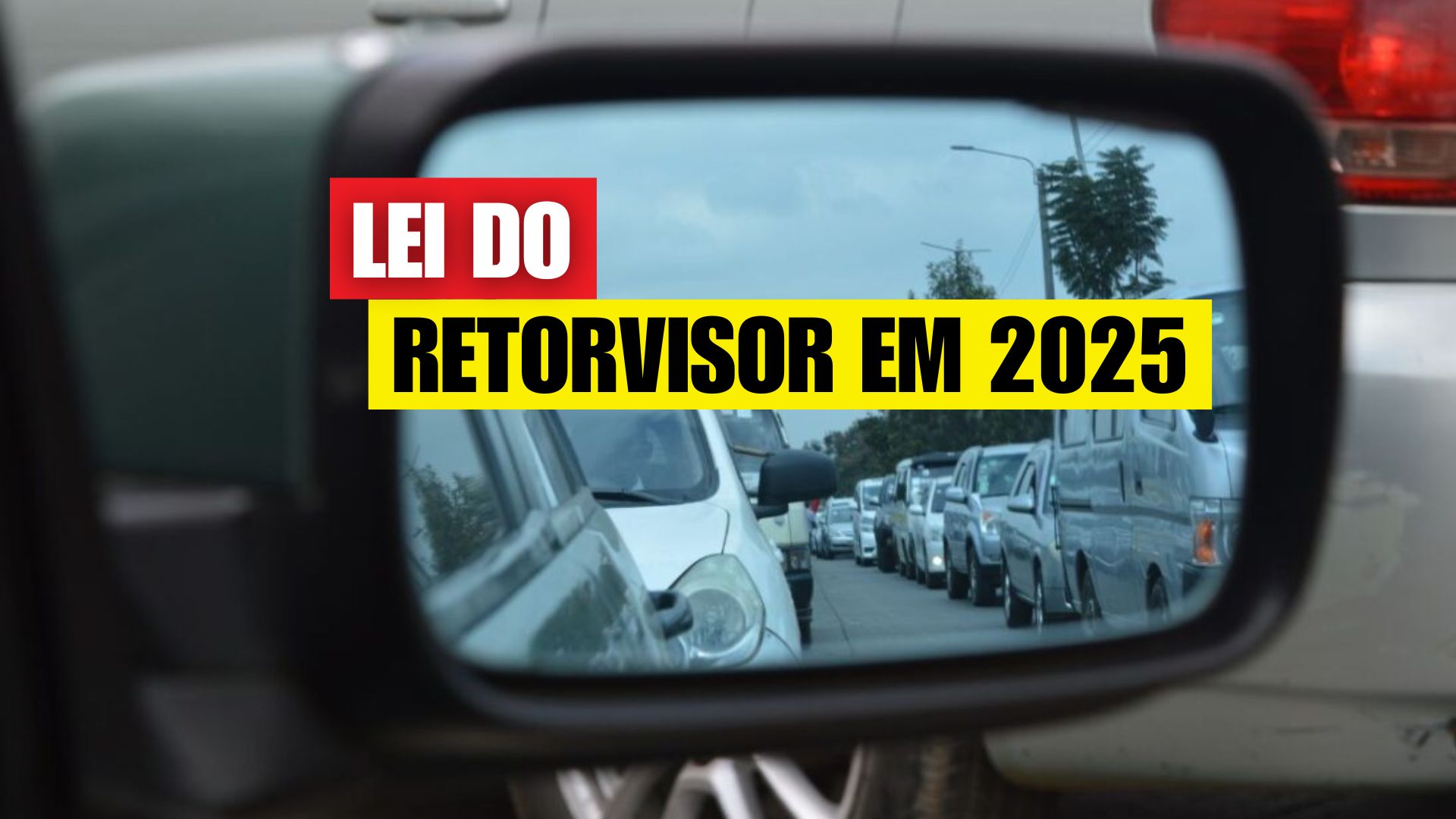


Starting in 2025, new vehicles in Brazil must meet stricter safety standards, including mirrors with an expanded field of view, electronic stability control, and mandatory lighting systems, bringing the country closer to international standards.
The Brazilian vehicle safety rules are set to come into effect in 2025 with two main fronts.
On one hand, the National Traffic Council has expanded the requirements for mirrors and equivalent systems in school transport, focusing on reducing blind spots around vans and minibuses.
On the other hand, the package of mandatory equipment in new 0 km vehicles — already valid for automobiles since January 2024 — will also include larger vehicles with the definitive introduction of electronic stability control (ESC) starting January 1, 2025.
-
The noise law will no longer be in effect at 10 PM starting in June with a new rule valid during the 2026 World Cup.

-
The Chamber opens a debate on driver’s licenses at 16 years old as part of a reform that includes around 270 proposals to change the Brazilian Traffic Code and may redesign rules for licensing, enforcement, and circulation in the country.

-
The new Civil Code could revolutionize marriages in Brazil with “express divorce” and changes that could exclude spouses from inheritance.

-
Banco do Brasil sues famous influencer for million-dollar debt and intensifies debate on delinquency, risks of seizure, and direct impact on Gkay’s credibility.


Mirrors in School Transport
For vehicles intended for collective school transport, Contran has consolidated regulations that mandate the use of rearview mirrors, camera-monitor systems, or equivalent devices that ensure adequate indirect visibility around the vehicle.
The goal is to expand the driver’s visual field and mitigate areas without visibility, especially during boarding and disembarking maneuvers.
These guidelines are compiled in a specific resolution aimed at the school segment.
In addition to the regulatory consolidation for school transport, there are general technical requirements for rearview mirrors applicable to various types of vehicles, including buses and minibuses.
The regulation defines performance and mounting parameters, seeking to ensure mirror stability, absence of image distortion, and the driver’s ability to adjust it while in the driving position.
For buses and minibuses that enter production starting October 18, 2025, new vehicles must leave the factory compliant with the updated technical standards for mirrors.
For the already manufactured and registered fleet, the consolidated rules have been in effect since 2022.
The time frame aims to allow the industry to adapt without interrupting the supply of approved models.


Mandatory Items in 0 km Cars
Since January 1, 2024, 0 km cars sold in Brazil must meet a minimum set of safety features.
Among them are:
- Electronic Stability Control (ESC)
- Daytime Running Lights (DRL)
- Seat Belt Alert
- Emergency Braking Indicator
- Side Turn Signal Repeaters
- Side Impact Test
The package brings the Brazilian standard closer to markets with stricter requirements and aims to reduce collisions due to loss of control, increase daytime visibility, and improve light communication between vehicles.
The presence of DRL was incorporated into the national vehicle lighting regulation and has become a requirement for new models in the country.
The seat belt alert combines a visual warning on the dashboard and an audible signal when the driver operates the vehicle without buckling the seatbelt.
The mandatory nature of this alert for the driver’s seat has been added to the set of requirements that came into effect for new cars in 2024.
The emergency braking indicator uses the intermittent flashing of brake lights or the automatic activation of hazard lights during heavy deceleration.
Meanwhile, the side turn signal repeaters — installed on mirrors or fenders — improve the signaling of lane changes, especially during overtaking and turns on multilane roads.
The side impact test has become a requirement in the approval of new projects, raising the minimum structural protection standard.
Enhanced Safety in Vans, Buses, and Trucks
Starting January 1, 2025, ESC will also become mandatory for new vans, buses, and trucks leaving the factory.
The system identifies skidding tendencies and acts on the brakes of each wheel and engine management to help the driver maintain the vehicle’s trajectory, especially in sudden swerves or turns made above the grip limit.
In other words, the 2025 scenario intersects two agendas: the enhanced indirect visibility in school transport vehicles and the expanded active safety in larger vehicles.
For owners and fleet operators, this means checking the vehicle’s compliance according to its category and model year, observing manuals, labels, and specifications provided by the manufacturer at the time of sale.
What to Observe in Practice
In the school environment, drivers and managers must ensure that mirrors or camera-monitor systems are correctly adjusted to the driving position and firmly installed.
Daily checks before starting transport — with attention to the area around the vehicle in 360 degrees — reduce the likelihood of incidents in yards and roads near schools.
For those acquiring a 0 km vehicle, it is important to confirm the presence of DRL, the functioning of the seat belt alert, the existence of the emergency braking indicator and the side turn signal repeaters, as well as to verify compliance with side impact tests and the availability of ESC.
In new cargo and collective transport vehicles, ESC becomes a mandatory element starting this year.
Does your fleet — personal or professional — already meet the requirements for mirrors and active safety that Brazil demands in 2025?









Ninguém leu a postagem? Tem texto de comentário com orientações para edição. Lamentável
O para-choque da moto é o motoqueiro.