





 English
  Francês
  Alemão
  Italiano
  Japonês
  Norueguês
  Portuguese
  Spanish
  3 min of reading


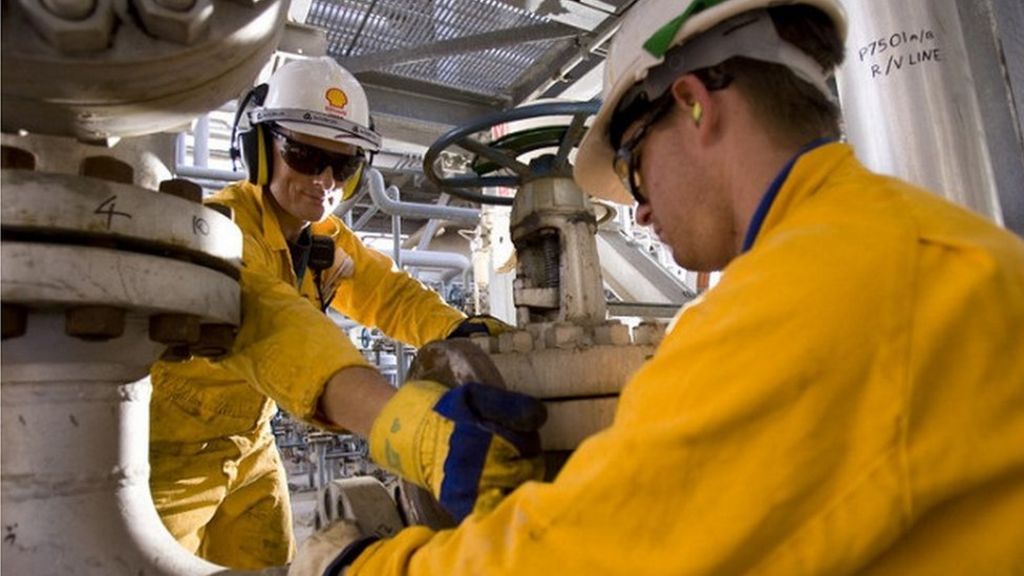
Shell Employs 83 Thousand People Worldwide and Announced Plans to Cut Up to Nine Thousand Jobs as Part of a Restructuring Cost-Cutting Initiative.
The oil giant Shell announced today plans to cut up to nine thousand jobs or more than ten percent of its global workforce. The oil and gas giant, which has about 83,000 global employees, said that the reorganization will lead to annual savings of up to £2 billion by 2022. The major winners for the provision of maintenance and repair services for Petrobras platforms will be chosen on October 2
Read Also
- Aker Signs Multimillion-Dollar Contract with Equinor and Will Manufacture ANMs in Brazil for the Development of the Oil Field in the North Sea
- Revealed Facts from the Operation Lava Jato May Remove Golar Power from the Dispute for Petrobras’s Liquefied Natural Gas Terminal in Bahia
- Shell Will Cut Spending on Oil and Gas Projects and Focus on the Renewable Energy Market
- Shell Will Enter the Offshore Wind Energy Market in Brazil: “A Matter of Time”
The company stated that the job cuts are part of a major cost-cutting program after the business was hit by the decline in oil demand and a subsequent drop in prices.
Last month, Shell launched a review of its business aimed at deeply cutting costs while preparing to restructure its operations as part of a shift to low-carbon energy.
-
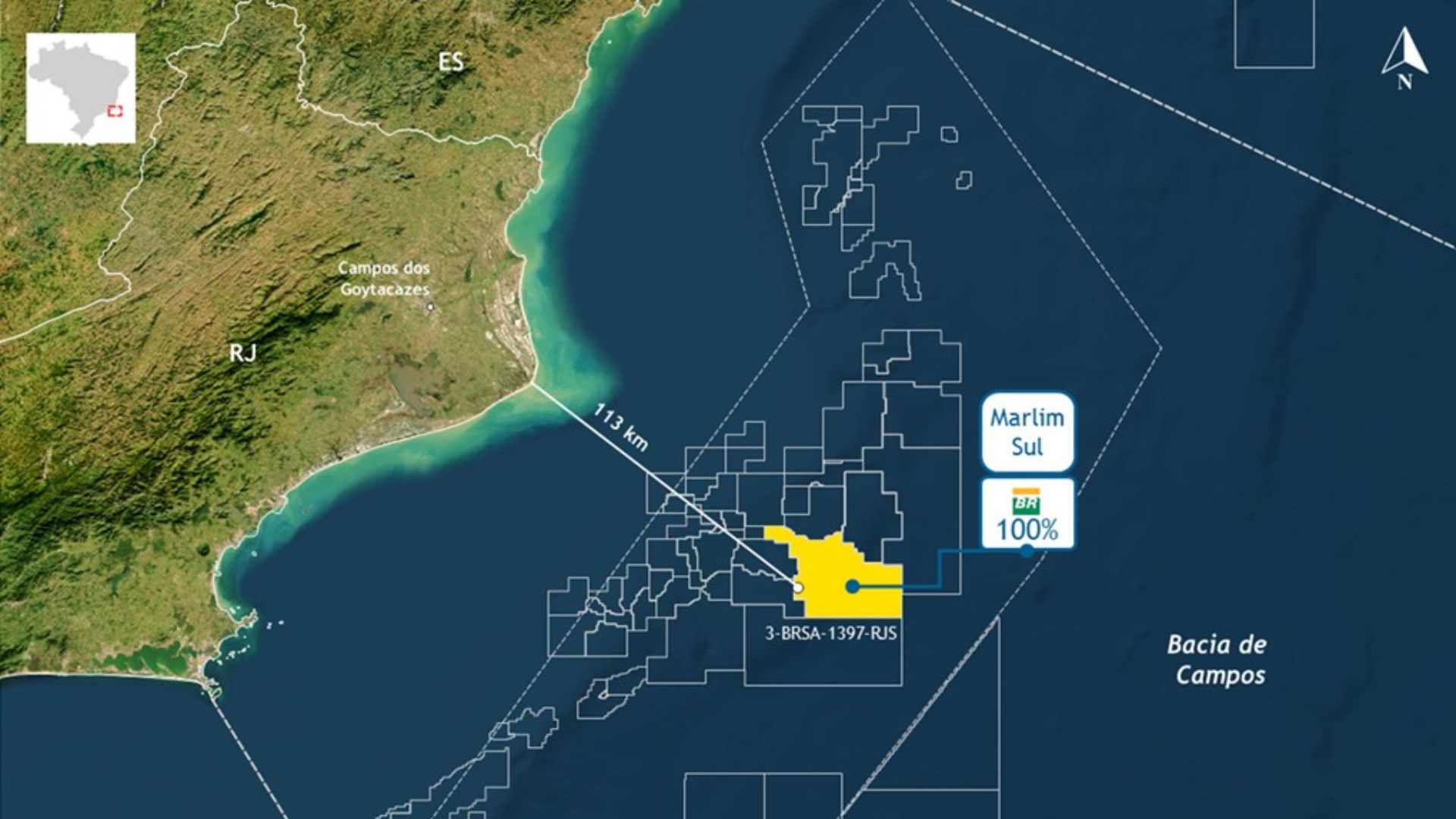
Petrobras announces new oil discovery in the pre-salt of the Campos Basin and reinforces Brazil’s prominence with high-quality reserves that can increase production and energy revenues.
-
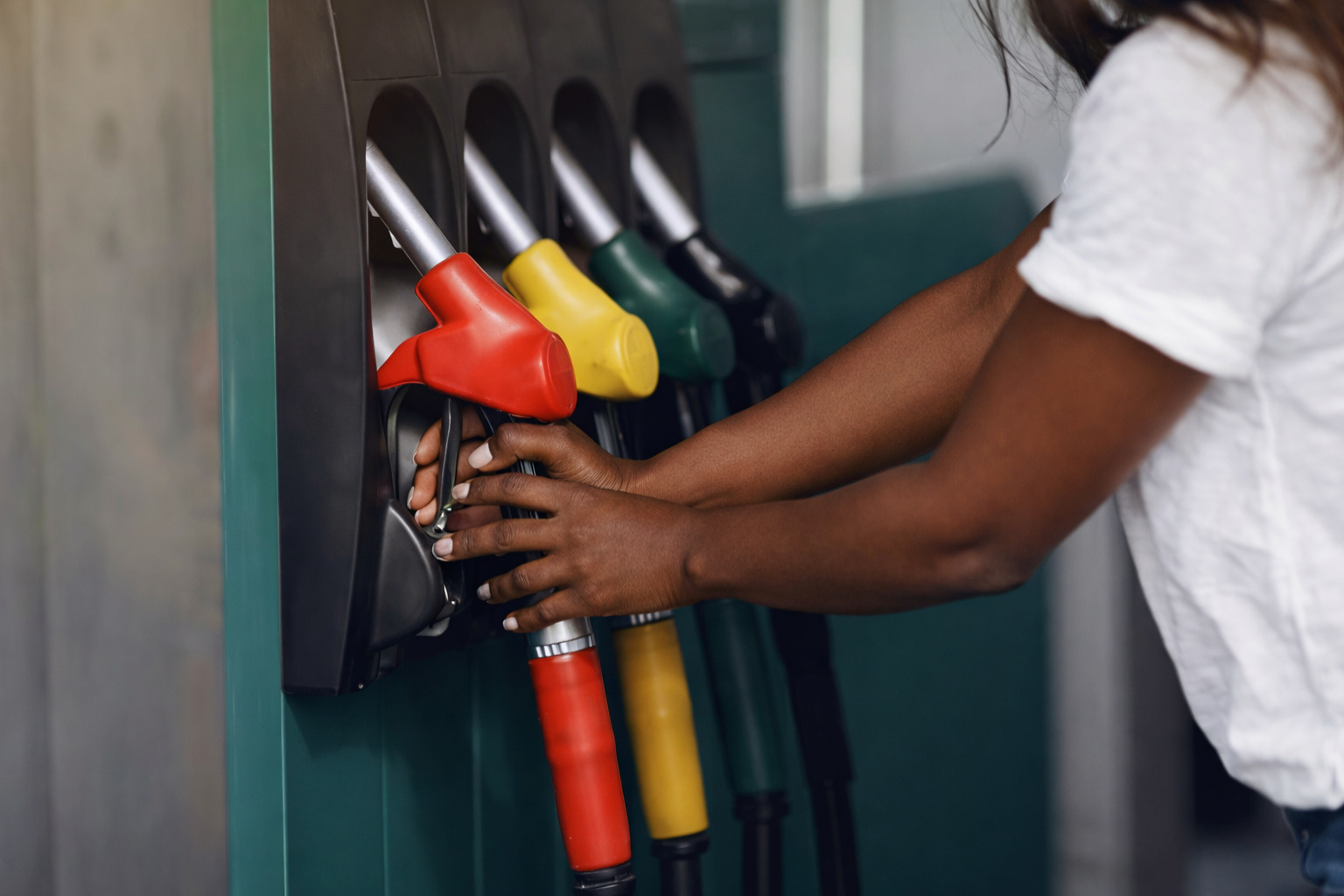
Alert in the fuel market: Analysts and a former director of ANP warn that oil prices may worsen in the coming months due to global instability.
-
Ocyan brings executives and digital solutions to Macaé Energy 2026 and highlights offshore expansion with Nexio and a new base in Macaé.

-
Petrobras advances 4.6% with rising oil prices and the dollar, reigniting the debate on macro risks, pricing policy, and fiscal impact in Brazil.

The Anglo-Dutch company said it expected to cut 7,000 to 9,000 jobs by the end of 2022, including 1,500 employees who agreed to resign voluntarily this year.
In an operational update, Shell also mentioned that its oil and gas production is expected to drop sharply in the third quarter to about 3,050 barrels of oil equivalent per day.
The company said this was due to reduced production as a result of the Covid-19 crisis and hurricanes in the Gulf of Mexico that forced the shutdown of offshore platforms. (check the details here)
Cost Reduction
In 2019, the total cost of operations across the company was about £30 billion, and the company’s CEO Ben van Beurden aims to save £3.1 billion by the end of March 2021.
“We had to act quickly and decisively and make some very difficult financial decisions to ensure we remain resilient, including cutting dividends”, said Beurden. “But, however difficult, they were the right choices to make. And Covid-19 hit us in another way. Unfortunately, we lost six staff members and six contracted colleagues to the virus”, adds the executive.
“We have to be a simpler, more agile, more competitive organization, capable of responding to customers. To be more agile, we need to remove a certain amount of organizational complexity.” he concludes.
According to Van Beurden, the company is looking at several other areas where it can cut costs, such as travel, contractor use, and remote work.
He said the pandemic showed that the company can adapt to work in new ways, but emphasized that “a large part of the cost savings for Shell will come from having fewer people”.
Shell is considering concentrating its oil and gas production in several key hubs, such as Nigeria, the Gulf of Mexico, and the North Sea, and reducing costs in its network of 45,000 gas stations.
In a statement, Shell said: “Reduced organizational complexity, along with other measures, should generate sustainable annual cost savings of between US $2 billion (£1.6 billion) and $2.5 billion (£2 billion) by 2022”.
This will partially contribute to the announced reduction of underlying operating costs of $3 billion to $4 billion in the first quarter of 2021.’
Sustainability
Energy companies are under increasing pressure from investors and governments to help the world move away from fossil fuels.
Rival BP laid out extensive plans to invest in renewable technology and achieve a “net zero” carbon emission target by 2050 under the leadership of new chief Bernard Looney.
In June, BP said it was cutting about 10,000 jobs from its workforce to deal with the impact of the virus.
Some analysts believe that demand for fuel will never recover to 2019 levels after plummeting during the pandemic – which grounded planes, took cars off the roads, and disrupted the industry.
Oil prices plummeted from about US $66 at the beginning of the year to US $19 – and are still hovering around US $39 now.









Seja o primeiro a reagir!