





 Portuguese
  English
  Spanish
  5 min of reading
  0 comments


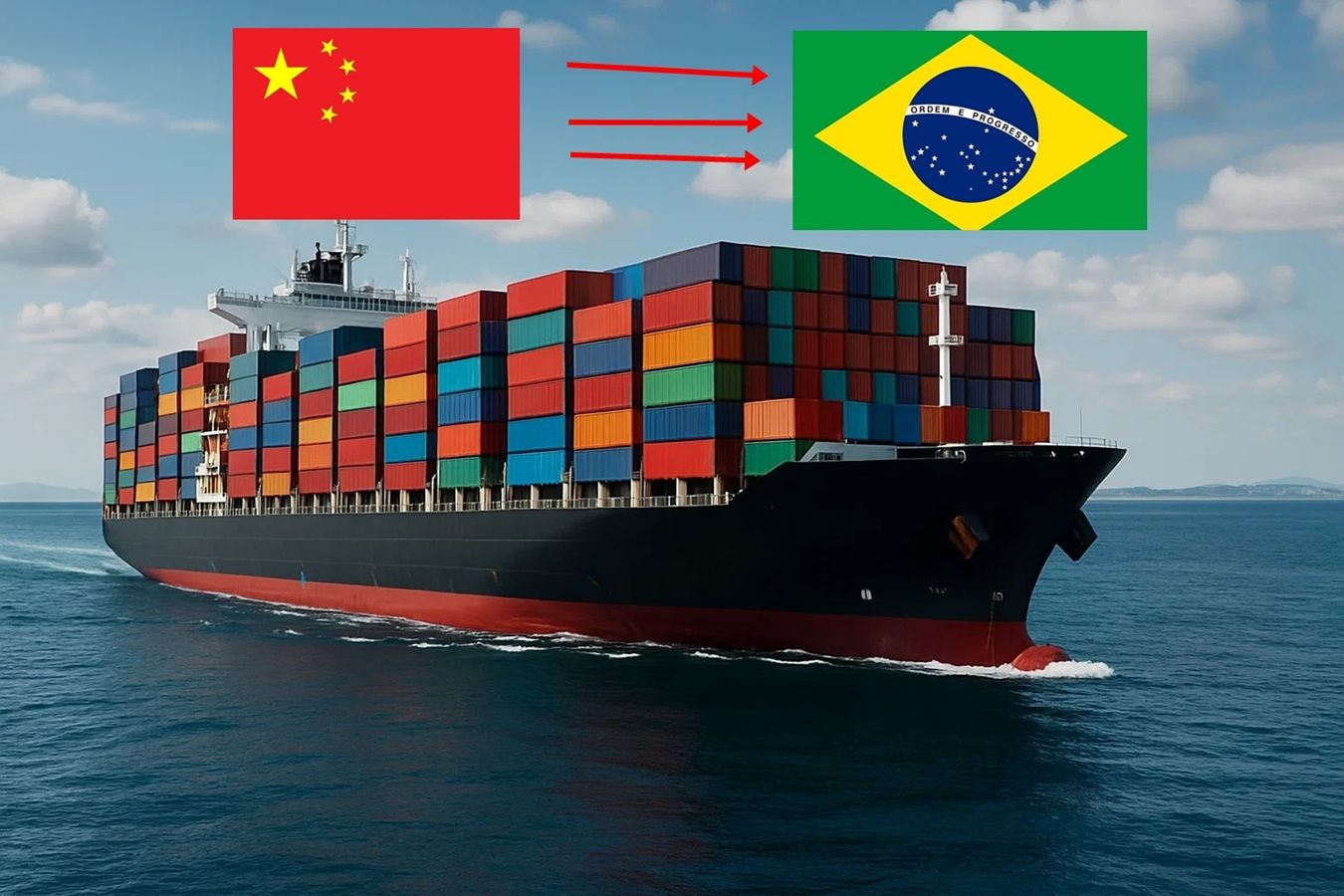
Importing Products From China By Ship Is A Common Practice Among Brazilian Companies, But Not Everyone Knows How Long This Journey Really Takes. The Route Is Long, Involves Various Processes And Can Vary Significantly According To The Port Of Destination And The Logistics Involved.
The Sea Journey Between China And Brazil Is One Of The Longest And Most Strategic In International Trade.
In A Globalized World, International Logistics Is A Key Element For The Economy. The Transportation Of Goods Between Distant Countries, Such As China And Brazil, Moves Billions Of Dollars Every Year.
But Do You Know How Long It Takes For A Cargo To Cross The Ocean Between These Two Countries? The Answer Might Surprise You — And Goes Well Beyond Just The Sailing Time.
-
Ocean Giant Could Change Everything: Nuclear Container Ship Project Promises to Transport 16,000 Containers Without Using Fossil Fuels
-
Hormuz Strait: Hundreds of Ships and Oil Tankers Stranded After Attacks in the Middle East
-
World’s Largest Electric Ship, China Zorrilla, Will Connect Argentina and Uruguay Across the Río de la Plata with a $200 Million Investment and Operations Planned for 2026
-
How A 20-Ton Anchor Holds 200,000-Ton Ships Even Under Extreme Winds And Why It Fails In The Deep Ocean

A Long Journey Full Of Steps
The Maritime Route Between China And Brazil Is One Of The Most Important For International Trade.
Daily, Cargo Ships Leave Chinese Ports Such As Shanghai, Ningbo Or Shenzhen Loaded With Various Products: Electronics, Clothing, Automotive Parts, Tools And Even Toys.
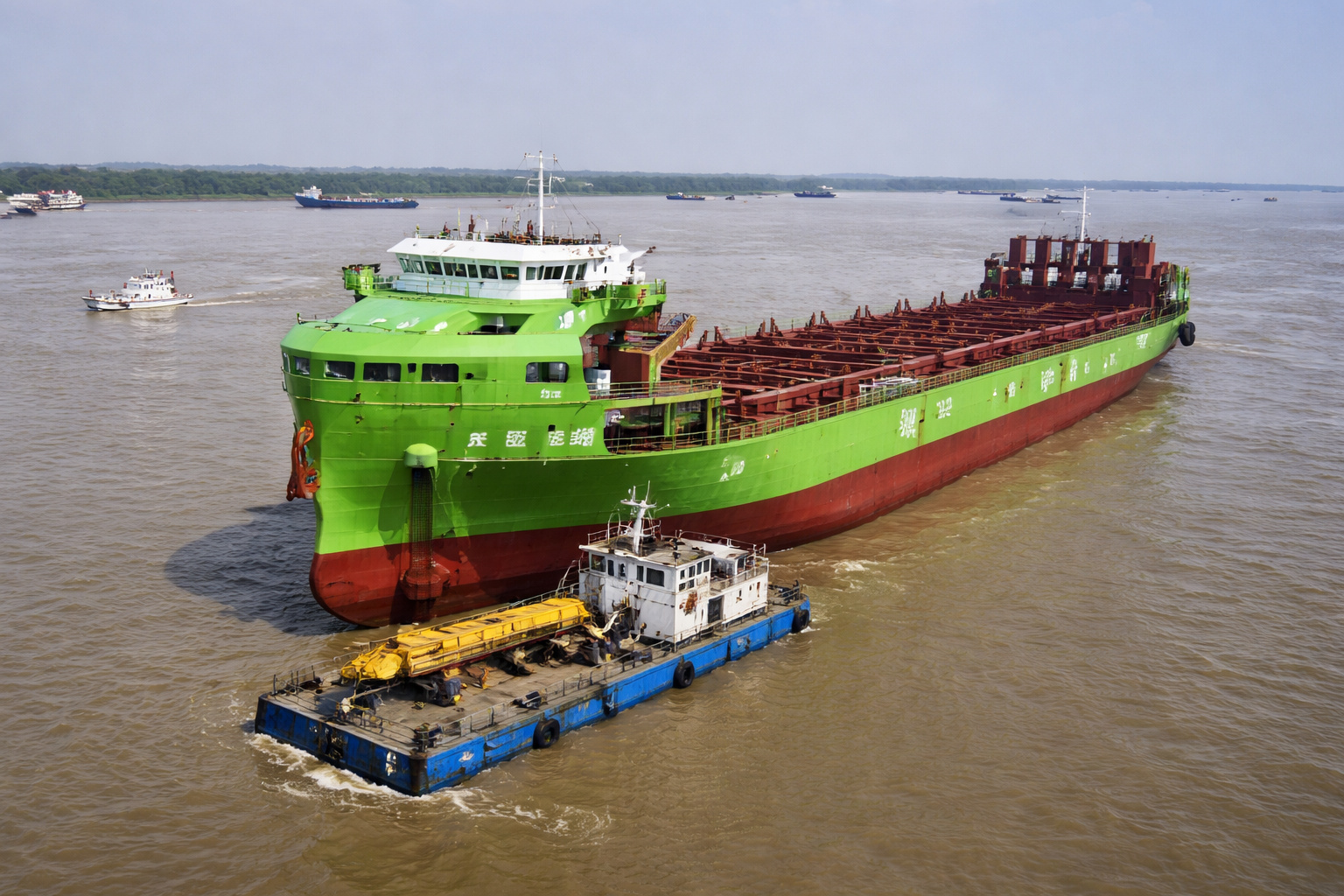
These Vessels Cross The Pacific Ocean, Pass Through The Strait Of Malacca, Follow Through The Suez Canal (Or Go Around Africa), Cross The Atlantic, And Finally Dock At Brazilian Ports Such As Santos (SP), Paranaguá (PR) Or Rio De Janeiro (RJ).
The Most Important Thing Is To Understand That The Journey Itself Usually Takes 40 To 45 Days, Considering Good Weather And Operational Conditions.
This Is The Average Sailing Time Between China And The Main Ports Of Brazil. However, The Time Can Extend To Up To 60 Days When Including All The Additional Steps Involved In International Transportation.
What Influences The Total Time?
The Delivery Time Of A Cargo From China To Brazil Depends On Several Factors. The Maritime Route Is Just One Part Of The Equation. It Is Necessary To Consider The Time Required For:
- Cargo Consolidation In The Exporter’s Warehouses;
- Waiting For Available Space On The Ship;
- Loading And Customs Clearance In China;
- Unloading In Brazil, Which May Suffer Delays Due To Queues At The Port;
- Brazilian Customs Clearance, Which Varies According To The Type Of Product, Tax Regime And Inspections;
- Internal Transportation, If The Cargo Needs To Follow By Truck To Cities Outside The Port Axis.
Therefore, Even If The Sea Journey Takes 45 Days, The Actual Time For The Goods To Reach The Importer’s Hands Can Easily Exceed Two Months.
Secondary Ports Increase The Time
If The Final Destination Of The Cargo Is Not A Main Port Like Santos Or Itajaí, The Time May Increase Even More. Cargoes Headed For Regions Such As The Northeast Or The Midwest Typically Require A Second Move.
For Example, If The Ship Docks In Santos, But The Cargo Goes To Recife, It Is Necessary For It To Be Transferred To A Smaller Ship (Feeder) Or Travel By Road. This Process Can Take An Additional 7 To 10 Days, Depending On Logistic Efficiency.
Moreover, Many Importers Need To Deal With Transportation Scheduling, Available Trucks And Limited Infrastructure In Some Regions. All Of This Further Delays The Final Delivery.
Air Transport Is Faster — But Much More Expensive
While Maritime Transport Takes About 45 To 60 Days, Sending By Air Can Reduce This Time To 7 To 14 Days. This Includes Loading In China, The International Flight, Unloading And The Customs Process In Brazil.
Despite The Agility, Air Transport Comes With A Significantly Higher Cost. On Average, It Can Be Up To 10 Times More Expensive Per Kilogram Transported. Therefore, It Is Usually Reserved For Urgent Cargo, High-Value Products Or Emergency Situations.
Companies That Work With Regulated Stocks, Such As Replacement Parts Or Delicate Electronics, Often Opt For This Type Of Freight. On The Other Hand, For High-Volume Goods Without Urgency, The Ship Remains The Most Cost-Effective Choice.
How Do Crew Members Live?
Have You Ever Imagined Spending 45 Days Inside A Cargo Ship? For The Crew Members, This Is A Constant Reality. They Live Aboard Throughout The Journey, Without Stepping On Solid Ground. Each Crew Member Has Well-Defined Functions, Such As Maintenance, Navigation, Cargo Control And Safety.
Life At Sea Can Be Lonely And Repetitive. Although There Are Living Spaces, Such As A Dining Room, Rest Room And Even A Gym On Some Ships, Leisure Options Are Limited. Internet Access Is Not Always Stable, And Contact With Family May Be Sporadic.
Still, Working On Ships Continues To Be An Important Career, Especially For Crew Members Coming From Countries With A Strong Maritime Tradition. The Pay Can Be Attractive, But It Requires Resilience, Discipline And Endurance For Long Periods Of Isolation.
Is It Possible To Speed Up The Process?
Some Strategies Can Help Reduce Delivery Time:
- Advance Planning: Reserving Space On The Ship In Advance Prevents Delays At The Origin.
- Correct Documentation: Errors In Invoices, Bills Or Customs Declarations Can Halt The Cargo.
- Agile Customs Clearance: Hiring Experienced Customs Brokers Facilitates Quick Release.
- Choosing More Efficient Ports: Some Brazilian Ports Have Shorter Waiting Times And More Modern Structures.
Even With These Measures, Maritime Transport Will Still Depend On Factors Such As Weather, Port Capacity And Customs Decisions — Making It Almost Impossible To Predict Exact Timelines.
The Journey By Ship From China To Brazil Takes An Average Of 40 To 45 Days, And Can Reach 60 Days With Customs Procedures. Although Time-Consuming, It Is The Most Economic Method For Large Volumes Of Goods. Air Transport Offers Speed, With Deliveries In Up To 14 Days, But At A Much Higher Cost.
For Those Working In Importation, Understanding These Timelines Is Crucial For Planning Stocks, Avoiding Losses, And Keeping Operations Efficient.
Whether By Sea Or By Air, The Path Between China And Brazil Remains A Logistical Challenge — And A Testament That The World Is More Connected Than Ever.









-

-

-

3 pessoas reagiram a isso.