





 Portuguese
  English
  Spanish
  3 min of reading
  0 comments



Aviators Approve Agreement, Cancel Strike, and Avoid Impact on Air Transportation, Civil Aviation, and the Brazilian Economy.
On Sunday (29), the category approved a new collective agreement with the airlines. As a result, pilots, co-pilots, and flight attendants canceled the assembly that could lead to a national flight stoppage.
The decision comes at a strategic moment. After all, the sector faces high demand, especially at the end of the year. Thus, the agreement prevents cancellations, delays, and losses for millions of passengers and for various economic chains linked to aviation.
-
Chaos On Airplane Could Be Expensive: Proposal Aims To Prevent Disruptive Passengers From Flying For Up To 1 Year In Brazil And Face Fines Of Up To R$17,500

-
Man Arrested After Halting Takeoff of Fire Department Helicopter During Child Rescue in Guaratuba

-
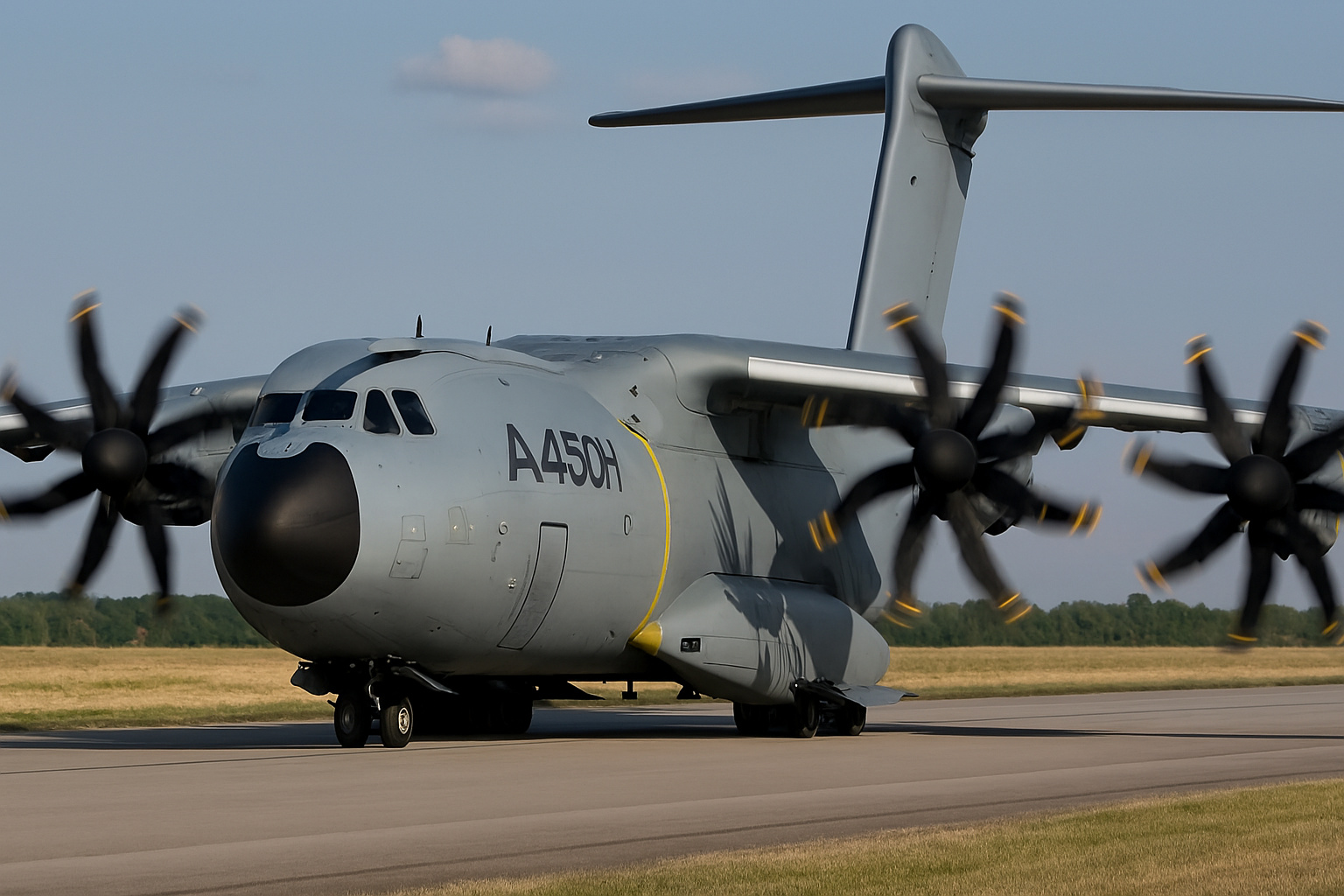
With 37 Tons of Cargo, Over 8,000 km Range, and Ability to Land on Unpaved Runways, the Airbus A400M Demonstrates How Europe Created a Military Giant That Transports Armored Vehicles, Aerially Refuels Fighters, and Operates in Conflict Zones and Humanitarian Missions Worldwide
-
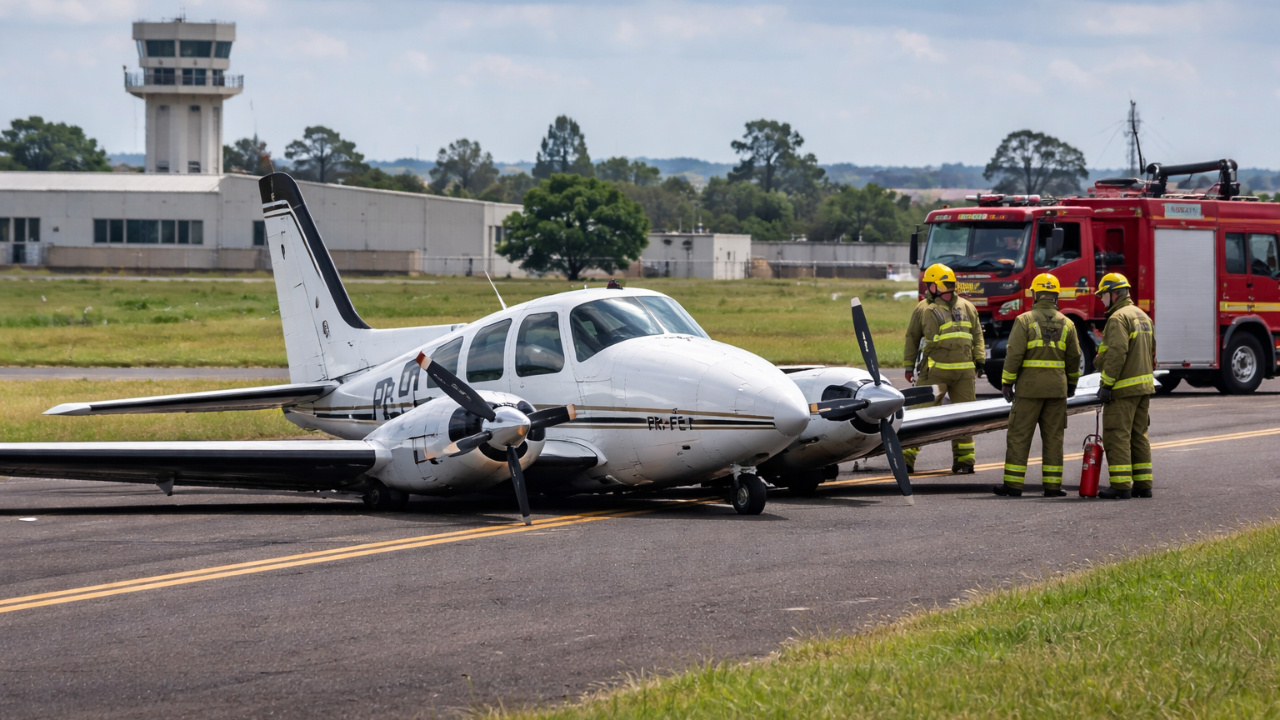
Emergency Landing in Campos Amarais After Bird Strike on Small Plane

Union Confirms Agreement and Ends Strike Threat in Civil Aviation
The National Union of Aviators confirmed the approval of the renewal of the Collective Labor Agreement. The negotiation took place under the mediation of the Superior Labor Court.
With this, the union officially ended the state of strike. Thus, air transportation continues to operate normally across the country. At the same time, the sector gains predictability and legal stability.
Salary Adjustment Ensures Progress and Unlocks Negotiations
The agreement approved by the aviators provides for a salary adjustment based on INPC, plus 0.5%. In practice, the increase reaches 4.68%. Additionally, the category approved an 8% increase in the food allowance.
On the other hand, international per diems were left out of the adjustment. Nevertheless, the professionals considered the package sufficient. Thus, the understanding avoided the strike and ensured immediate advances for the category.
Gol and Azul Were in State of Strike While Latam Had Already Accepted
Before the agreement, employees of Gol and Azul remained in a state of strike. Meanwhile, Latam employees had already accepted the initial proposal.
This scenario heightened concerns in the sector. After all, any partial stoppage could compromise air transportation. Moreover, the repercussions would impact tourism, commerce, and the national economy.
Government Monitors Negotiations and Strengthens Sector Security
The negotiations were closely monitored by the Ministry of Ports and Airports and the National Civil Aviation Agency.
According to the federal government, the agreement promotes significant adjustments to labor claims. Furthermore, it guarantees legal security and stability for Brazilian civil aviation, which is experiencing a growth phase.
Ministry Highlights Dialogue as Key to Aviation Growth
“The Ministry congratulates the commitment of all parties involved in building a balanced solution, compatible with the current moment of strong growth in Brazilian aviation. For the Ministry of Ports, the approval of the CLA reaffirms the importance of dialogue in collective bargaining as a tool for the sustainable development of aviation,” wrote the department.
In this way, the government emphasizes that dialogue avoided the strike. At the same time, it preserved the operation of air transportation and reduced risks for the economy.
Decision of the Aviators Protects Economy and Passengers
By approving the agreement, the aviators avoided direct impacts on strategic sectors. Airlines, airports, hotels, and services depend on the regularity of flights.
Therefore, the decision benefits not only the category. It also protects passengers, companies, and the performance of the Brazilian economy.
Civil Aviation Maintains Operations and Reinforces Market Confidence
With the end of the deadlock, civil aviation continues to operate without interruptions. In addition, the positive outcome reinforces market confidence in the labor relations of the sector.
Thus, by avoiding the strike, the aviators contribute to the stability of air transportation and to the continuity of economic growth in the country.









Seja o primeiro a reagir!