





 Portuguese
  English
  Spanish
  4 min of reading
  2 comments


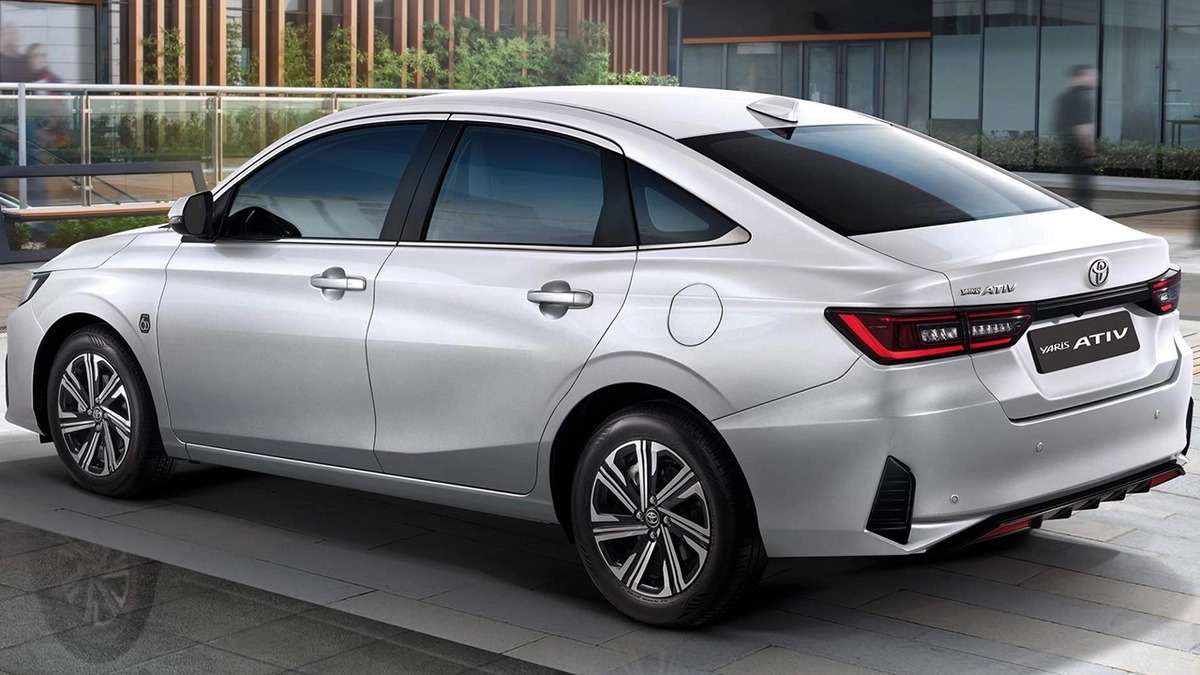


Detailed Simulation Shows How the Installment Values of the Yaris Sedan 2025 Vary When Financing With a Down Payment of R$ 60 Thousand and Terms of 36, 48, and 60 Times, Also Showing the Final Impact of Interest
A new financing simulation reveals how much the consumer would pay per month to purchase a Yaris Sedan 2025 by giving R$ 60 thousand as a down payment.
The comparison between plans of 36, 48, and 60 installments shows how the value of the monthly payments changes according to the payment period, allowing an evaluation of which option weighs less on the budget and which offers the best balance between term and total cost.
Yaris Sedan 2025 – What is the Installment Value?
The financing simulation of the Yaris Sedan shows how much the buyer spends when dividing the payment of the vehicle, which costs around R$ 113,000.00.
-
Chevette with cooking gas: How the gas cylinder ends up being used in cars clandestinely and why this makeshift solution can result in leaks, explosions, damaged engines, and seized vehicles.

-
Fiat launches the new 2027 Toro hybrid with 48V, 176 hp, an electric motor of 15.5 hp, a 0.85 kWh battery, up to 7% fuel savings, 8% fewer emissions, and possible exemption from IPVA.

-
Used automatic cars from Hyundai that are reliable, offer comfort, good performance, and cost between R$ 45,000 and R$ 75,000.
-
Electric car surprises on the Transamazon Highway as it tackles a mud pit; Saveiro and Hilux get stuck and need to be pulled out, while a milk truck crosses alongside with ease and draws attention.


The calculation considers a down payment of R$ 60,000.00 and different terms, allowing a comparison of how the value of the installments and the total paid change over three, four, and five years.
Simulation With a Term of 3 Years
In the first scenario, the financing considers a term of 36 times and an interest rate of 1.8%.
The rate may vary according to the score and other bank conditions, but the calculation starts from this parameter to show how the values look.
With these conditions, the installments remain fixed at R$ 2,013.00. The total paid at the end of the financing reaches R$ 132,463.15. Of this amount, R$ 19,463.15 corresponds to the interest, which represents 15% of the total amount paid.
The analysis shows that, although there is a cost of interest, the percentage is not so high for financing a newer car within the three-year term.
The explanation lies in the fact that the short period reduces the incidence of interest over the contract.
Simulation With a Term of 4 Years
The second calculation uses a term of 48 times. The change reduces the monthly payment but increases the total disbursed over the payments.
The installment drops to R$ 1,658.00, a lower amount than in the 3-year financing. However, the total interest rises to R$ 26,619.00, equivalent to 19% of the final amount.
As a result, the total paid also increases, following the logic that the longer the term, the higher the interest cost. The calculation shows how the longer financing alleviates the monthly payment but has a direct impact on the final sum.
Simulation With a Term of 5 Years
The third scenario considers financing in 60 times. The installment decreases again, but the sum of the interest becomes even higher in relation to the contracted time.
The installments are R$ 1,451.00. The interest amount reaches R$ 24,106.00, representing 23% of the total paid. The final amount rises to R$ 147,106.00.
The result reinforces the difference between smaller installments and higher interest. The buyer pays less per month but ends up spending much more over the five years.
Importance of Choosing the Right Term
The three examples show that extending the term reduces the installment amount but increases the total cost. Therefore, it is important to carefully analyze which monthly amount fits into the budget before defining the financing term.
The ideal is to balance the installment and time, seeking a monthly value that is possible to pay without compromising finances, but without extending the contract too much to the point of significantly raising the final amount.
The simulation helps those who intend to finance a car to clearly see how the term influences the cost and how small monthly differences can create a significant impact on the total amount paid at the end of the contract.
Vehicle Financing Remains the Main Path for Those Who Do Not Buy Cash
Car financing continues to be one of the most used alternatives by Brazilians, especially as it allows for the immediate acquisition of the vehicle.
The modality attracts consumers who do not have the full amount and need to divide the payment into fixed installments, which eases monthly planning.
Additionally, the quick release of credit and the ability to access newer or more equipped models make financing even more popular among buyers seeking convenience and agility.
Advantages That Boost Popularity
Among the main attractions is the chance to leave the dealership with the car on the same day, something impossible in modalities like consortia. The predictable installments also help maintain financial control because the monthly amount does not change throughout the contract.
For many consumers, financing represents the opportunity to acquire a more modern vehicle, with more technology and comfort, without having to wait years to save the full amount.
High Costs and Risks Require Attention
Despite the benefits, financing presents significant challenges. Interest rates can substantially raise the final cost of the car, making it significantly more expensive than the list price.
Depending on the chosen term, the buyer may pay much more over the years. Another sensitive point is the commitment of the budget: taking on long installments requires financial stability, as any unforeseen event can jeopardize the payment.
Loss of the Vehicle and Limits in Negotiation
Delinquency is another relevant risk. Since the car remains pledged to the bank until it is paid off, the buyer can lose the asset if they cannot keep up with the installments.
Additionally, many financial institutions require high down payments, which limits access for some consumers. There is also less room for bargaining: those who pay in cash typically negotiate stronger discounts, while financing reduces this advantage.









Fui diagnosticada com doença de Parkinson há quatro anos. Por mais de dois anos, dependi da levodopa e de vários outros medicamentos, mas, infelizmente, os sintomas continuaram piorando. Os tremores se tornaram mais perceptíveis e meu equilíbrio e mobilidade começaram a declinar rapidamente. No ano passado, por desespero e esperança, decidi experimentar um programa de tratamento à base de ervas da NaturePath Herbal Clinic.Sinceramente, eu estava cética no início, mas, poucos meses após o início do tratamento, comecei a notar mudanças reais. Meus movimentos ficaram mais suaves, os tremores diminuíram e me senti mais firme ao caminhar. Incrivelmente, também recuperei grande parte da minha energia e confiança. Tem sido uma experiência transformadora. Me sinto mais eu mesma novamente, melhor do que me sentia há anos. Se você ou um ente querido está lutando contra a doença de Parkinson, recomendo muito que você considere a abordagem natural deles. Você pode visitar o site deles em www. naturepathherbalclinic .com
Desde quando o yaris sedan voltou a ser vendido no Brasil?