





 Portuguese
  English
  Spanish
  5 min of reading
  0 comments


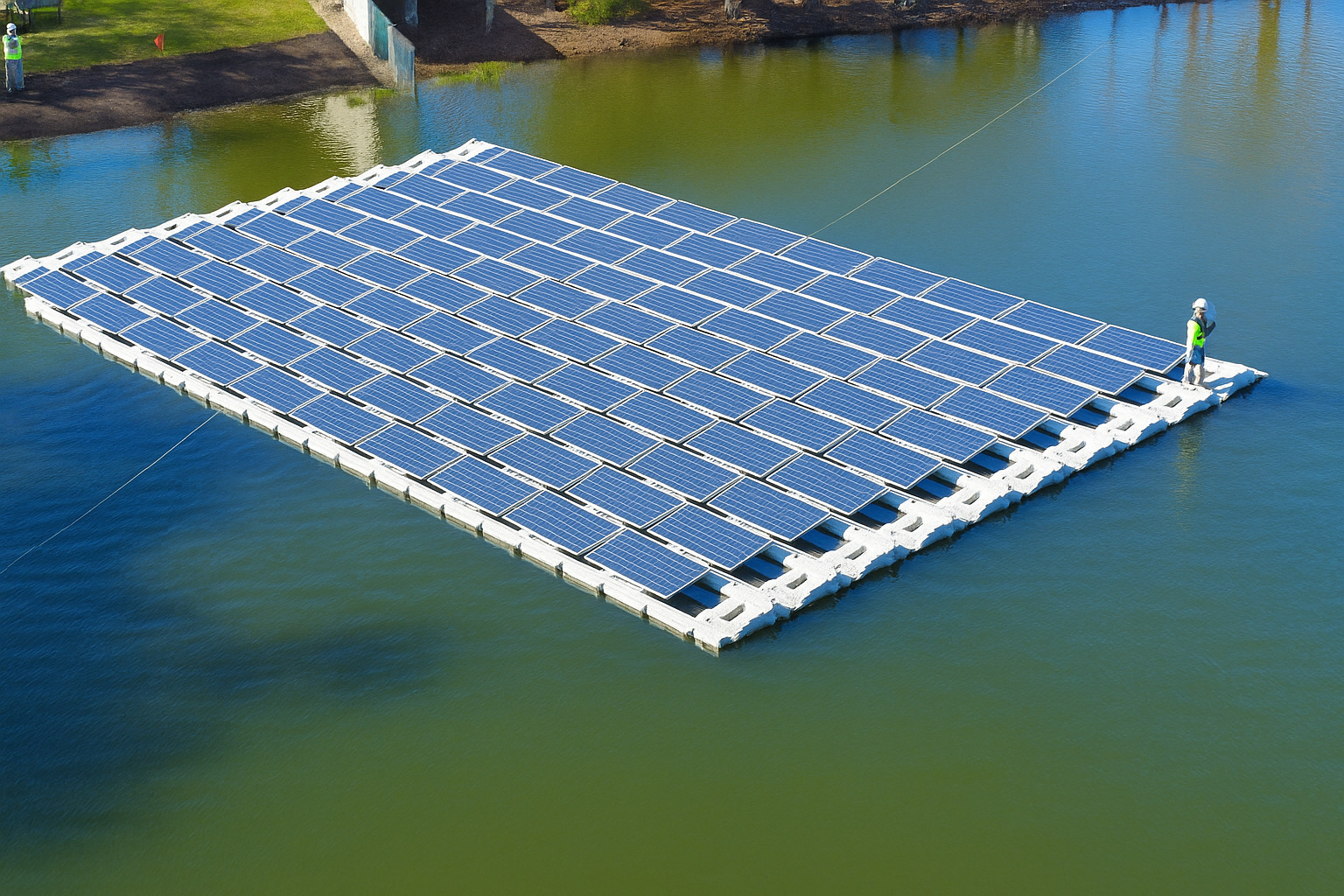
Pioneering Floating Solar Power Plant Marks China’s Advancement in Clean Offshore Energy Generation and Strengthens the Transition to Sustainable Sources
The search for cleaner and more sustainable energy alternatives has gained new momentum with a historic achievement in China. Therefore, Sinopec, one of the largest energy companies in the world, inaugurated the country’s first offshore floating solar power plant.
The project, developed in partnership with the government of Shandong province and the city of Qingdao, marks a significant turning point in the use of solar energy in aquatic environments.
-
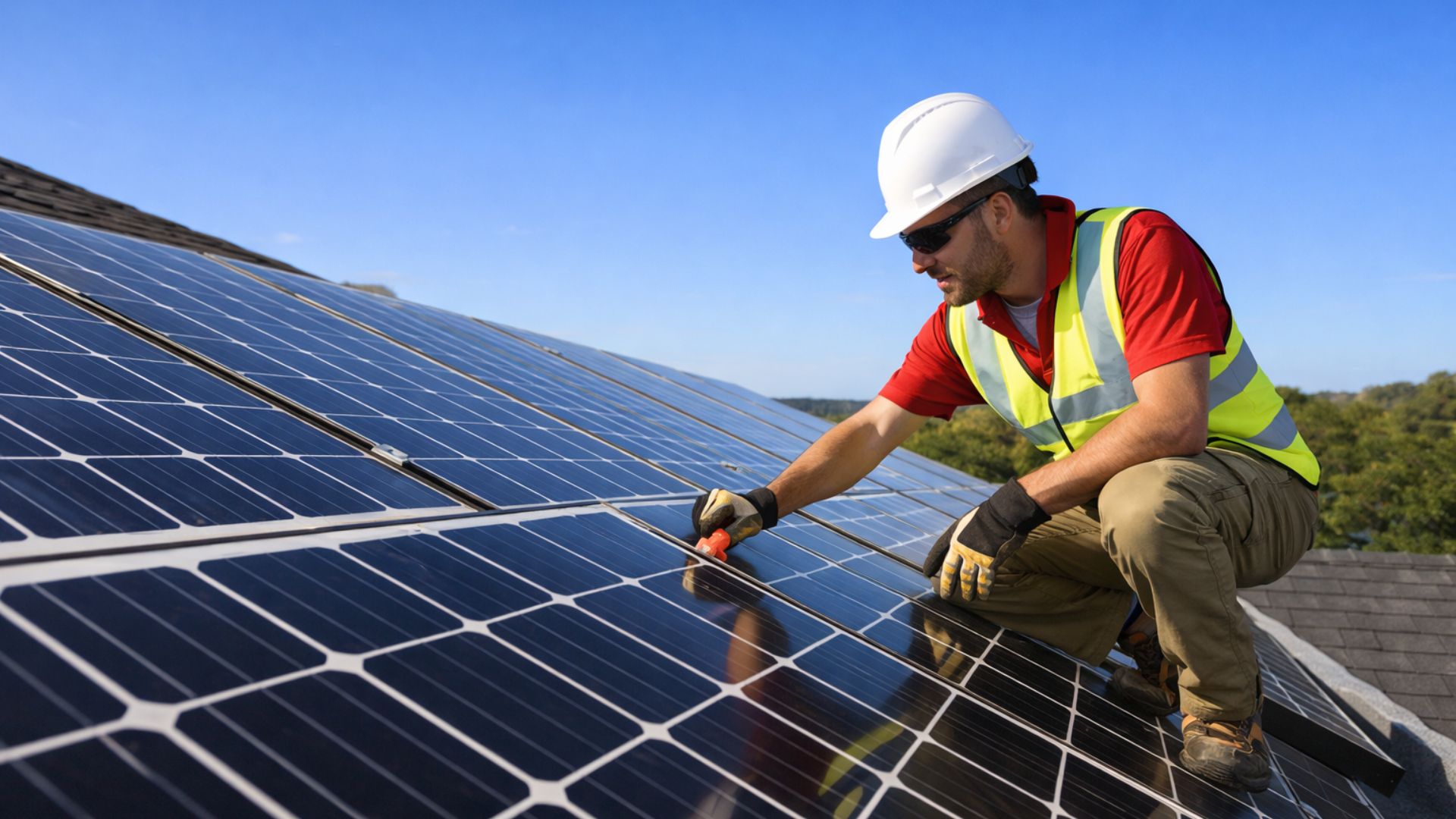
Seagri’s headquarters invests in solar energy with Neoenergia Coelba and promises to cut electricity costs, highlighting a strategic advance in sustainability and energy efficiency within state public administration.
-
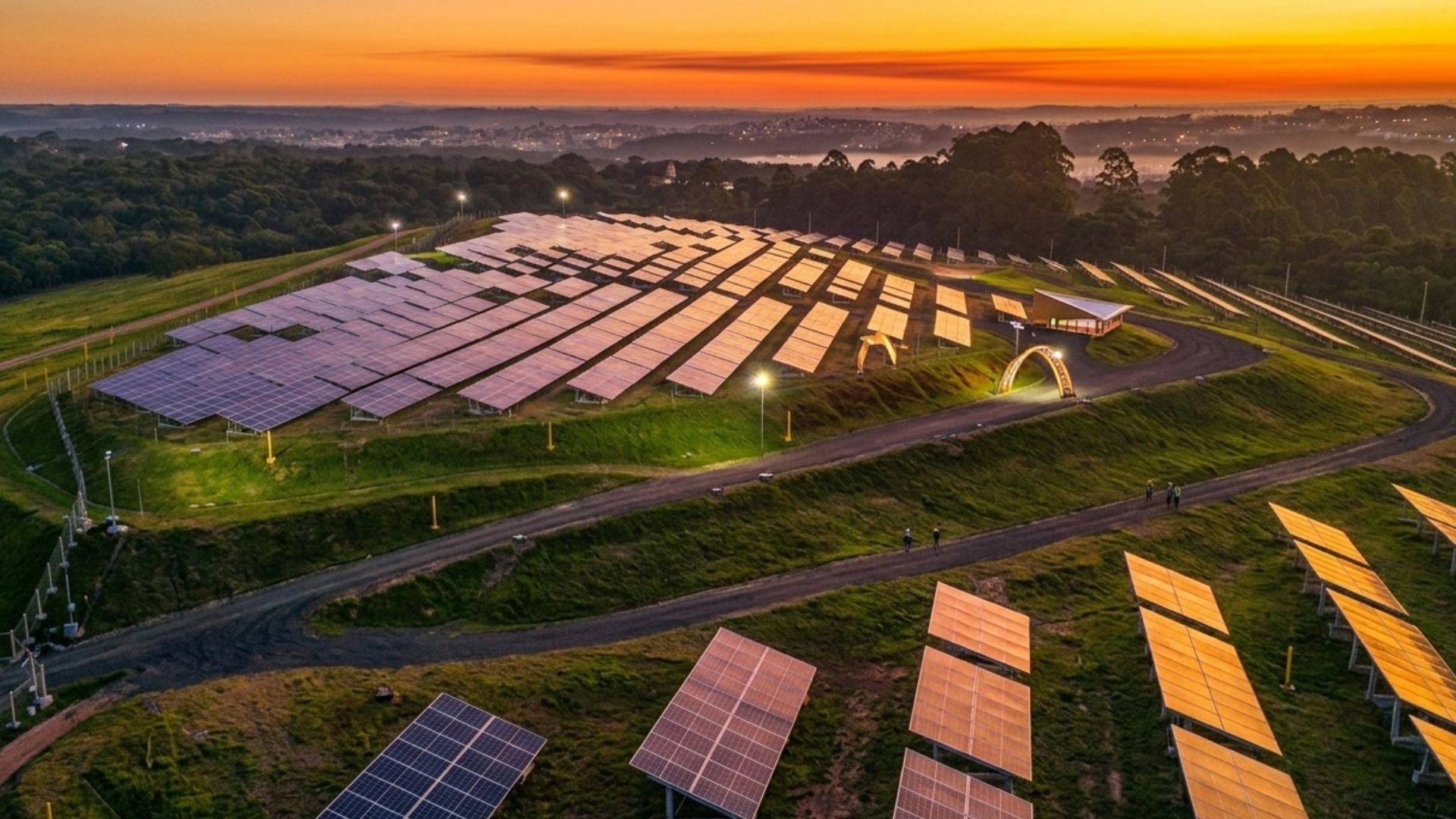
Solar Pyramid draws attention by converting solar energy into million-dollar savings and repositioning the City Hall of Curitiba as an example of innovation, sustainability, and intelligent use of public resources.
-
Europe records strong euro economy with solar energy in March and sparks curiosity about which country leads growth that redefines the energy market and reduces costs.

-
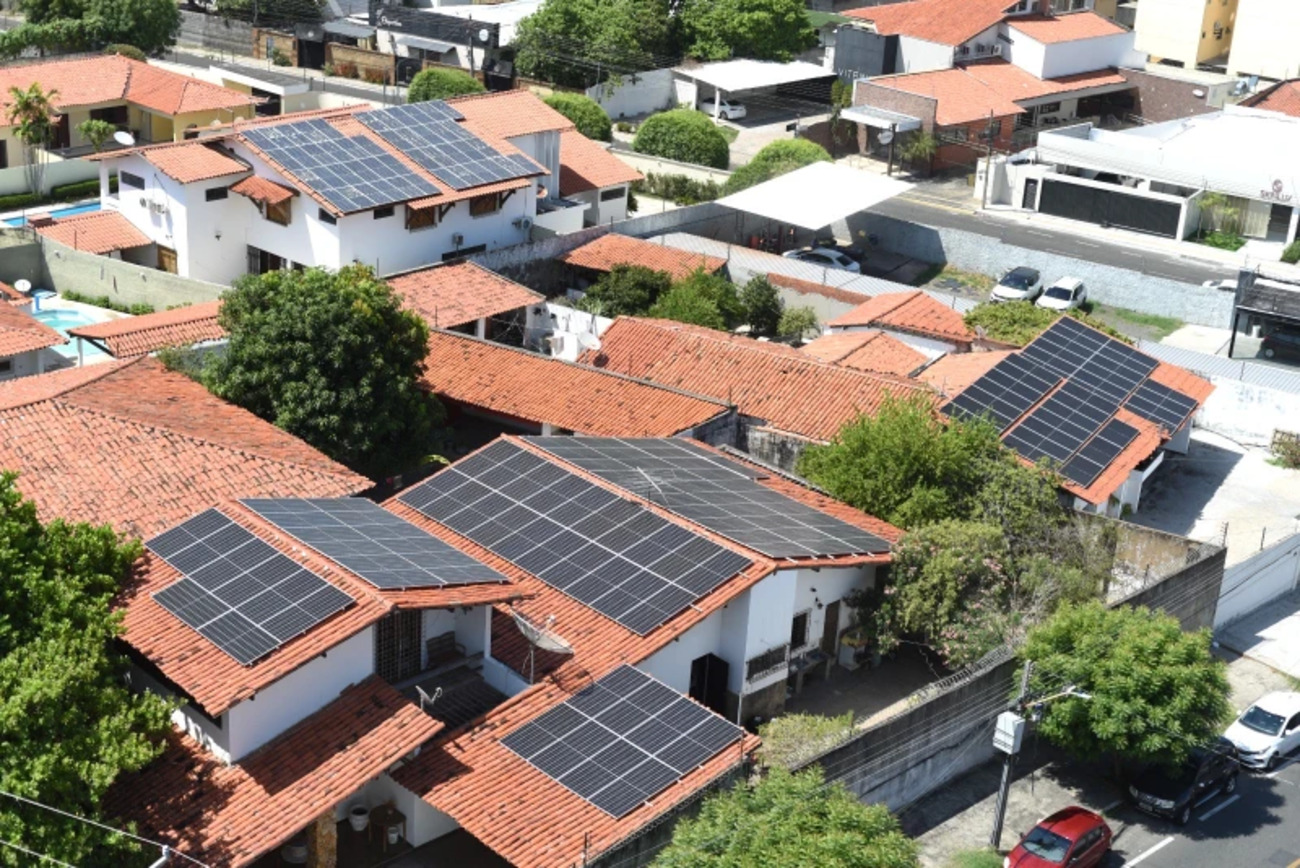
Piauí reaches a historic milestone in energy transition: State records nearly 160,000 households powered by solar energy and leads growth in the Northeast.

Therefore, this innovation represents a technological leap. It combines photovoltaics with advanced marine engineering and demonstrates how clean energy can adapt to different environments.
This contributes to meeting the growing global demand for electricity, without exacerbating the effects of climate change.
Additionally, the installation reinforces China’s strategic role in the global sustainability landscape. Thus, the country expands its presence as a leader in the energy transition by leveraging the vast maritime territory to generate renewable energy.
Sinopec, in turn, paves the way for a new generation of solar projects with potential for international replication.
From The 19th Century to The Chinese Sea: The Evolution of Solar Energy
The exploration of solar energy began in the 19th century when scientists attempted to convert sunlight into electricity. Since then, photovoltaic technology has undergone significant advancements.
Initially used in satellites, it gained ground on rooftops, solar farms, and more recently, over water.
Consequently, the pressure for solutions that save space led to the creation of floating solar power plants.
China, which still leads the global ranking of greenhouse gas emissions, intensified investments in clean energy with the goal of reducing its environmental impact.
As part of this strategy, the government set the goal to achieve carbon neutrality by 2060.
For this reason, the floating solar power plant by Sinopec stands out. It operates in a fully marine environment, unlike traditional systems installed on land or lakes.
This characteristic makes the project a global reference by merging technological innovation, environmental resilience, and practical application.
Moreover, this approach diversifies the energy matrix and reduces dependence on fossil fuels.
For this reason, countries with similar contexts can easily adapt this model, enhancing their energy security.
Floating Structure with Technological Innovation
With an area of 60,000 square meters and installed capacity of 7.5 megawatts, this plant represents a promising example of innovation for coastal regions.
The structure, designed to withstand the demands of the sea, proves that modern engineering can adapt photovoltaic systems to extreme conditions.
Thus, the solar panels float on the sea and adjust to the tides.
As a result, the distance between the panels and the water decreases significantly, favoring the natural cooling of equipment and reducing heat loss.
Therefore, the efficiency of solar generation increases by 5% to 8%.
Additionally, the design of the plant prioritizes zero emissions and avoids impacts on the marine ecosystem.
The project utilizes materials resistant to corrosion and the action of organisms such as barnacles, ensuring greater durability.
This way, the lifespan of the components increases, and the need for frequent maintenance decreases.
Efficiency, Resilience, and Resource Economy
As an alternative to traditional methods, Sinopec developed a robust underwater anchoring system. It withstands strong winds and tides of up to 3.5 meters.
Thanks to this system, the project ensures stability in adverse conditions and reduces installation costs by approximately 10%.
Moreover, maintenance received special attention. The technical team positioned the cables closer to the surface and created inspection pathways.
As a result, monitoring work has become safer and cheaper. This demonstrates that floating solar energy can be efficient, economical, and practical at the same time.
On the other hand, by transforming idle marine areas into productive sources of energy, the project avoids conflicts with agriculture or urbanization.
Thus, this solution increases electrical production without compromising land use, promoting a more rational occupation of the territory.
Why Invest in a Floating Solar Power Plant?
Currently, countries face the challenge of meeting the growing energy demand without exacerbating environmental impacts.
For this reason, renewable sources — such as solar, wind, and hydropower — are becoming increasingly essential.
In particular, solar energy stands out for its abundance and adaptability.
However, the installation of plants on land faces barriers such as space scarcity, high costs, and ecological risks.
As a result, creative solutions like the floating solar power plant emerge to solve these limitations.
Therefore, by occupying water surfaces, these structures save space and help reduce evaporation in reservoirs.
Additionally, contact with water helps to cool the solar panels, improving their performance and prolonging their lifespan.
At the same time, this alternative promotes less urban interference, respecting inhabited areas and agricultural zones.
Finally, the model integrates with other renewable sources, offering flexibility and balance to the energy matrix.
Green Hydrogen and The Future of Energy Transition
Historically linked to the fossil fuel sector, Sinopec has begun to invest in green hydrogen and clean energy.
Thus, the company has restructured its operations to align with the country’s environmental goals.
The floating solar power plant is part of a plan that unites electric generation and sustainable hydrogen production.
According to estimates, the project generates 16.7 million kilowatt-hours per year and avoids the emission of 14,000 tons of carbon dioxide.
For this reason, the initiative stands out as a concrete solution in combating climate change.
Additionally, Sinopec plans to build a new plant with 23 megawatts of capacity.
This advancement not only expands the supply of clean energy but also strengthens the company’s position as a leader in Asia’s energy transition.
With this, the hydrogen produced with offshore solar electricity can be used in transportation, industries, and power grids.
Thus, the impact of this transformation goes beyond generation: it creates new markets and reduces the carbon footprint in strategic sectors.
Clean Energy Sailing Into The Future
In the face of the climate urgency, countries with extensive coastlines see floating solar power plants as a strategic solution.
This is because these structures allow for increased production without occupying valuable land areas.
Moreover, using the sea as a platform for solar generation diversifies technological possibilities.
For example, it is possible to combine these systems with offshore wind turbines or integrate them with ports and industrial areas.
With the advancement of technologies and reduction of costs, the trend is for projects to expand globally.
This integration of renewable sources creates a more stable, resilient system capable of supporting global development.
Consequently, the offshore floating solar power plant solidifies as an essential pillar of the energy transition in the 21st century.
The inauguration of the first floating solar power plant in open water in China is not just a technological achievement but also an important step towards a sustainable future.
The initiative proves that innovation, strategy, and environmental commitment can walk hand in hand.
Therefore, by combining smart engineering with ecological goals, the project redefines the role of renewable energies in the modern world.
This way, the floating solar power plant emerges as a symbol of a new era: cleaner, more efficient, and more conscious.










Seja o primeiro a reagir!