





 Portuguese
  English
  Spanish
 3 min of reading
  0 comments


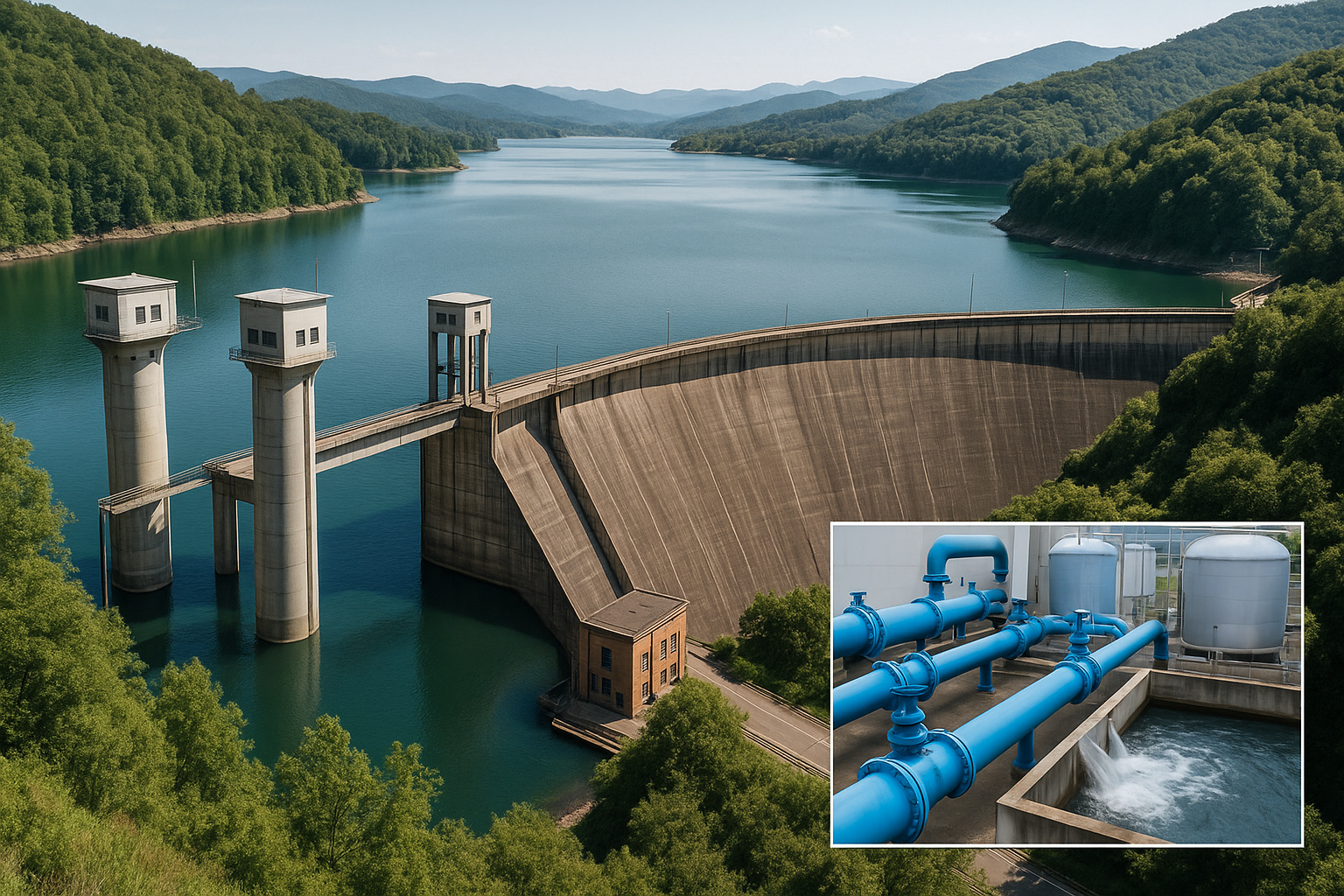
The Cantareira System, with six dams between São Paulo and Minas Gerais, supplies 9 million people and is the largest public supply system in Brazil, operating since 1973.
Few Brazilians imagine that an essential part of São Paulo’s survival depends on a gigantic network of reservoirs, tunnels, and pumping stations built more than half a century ago. The Cantareira System, made up of six interconnected dams between São Paulo and Minas Gerais, is the largest public supply system in Brazil and one of the largest in the world. With a total area of 228 km², a capacity of 982 billion liters of water, and operations beginning in 1973, it serves 9 million people every day and is considered the true water heart of the largest metropolis in South America.
The Invisible Giant That Sustains São Paulo
Despite its monumental importance, the Cantareira remains invisible to most São Paulo residents.
The structure extends across dozens of municipalities and forms a set of reservoirs — Jaguari, Jacareí, Cachoeira, Atibainha, Paiva Castro, and Águas Claras — that operate in perfect synchrony to keep water flowing to the capital’s faucets.

To achieve this, the system relies on 48 km of underground tunnels, pumping stations, lift stations, and a digital reservoir level control operated by Sabesp and monitored in real-time by the National Water Agency (ANA).
-
The Argentine government celebrates the lowest poverty rate in 7 years, but experts warn that the methodology has changed, real wages have fallen, unemployment has risen, and the number of people on the streets of Buenos Aires has increased by 57% since Milei took office.

-
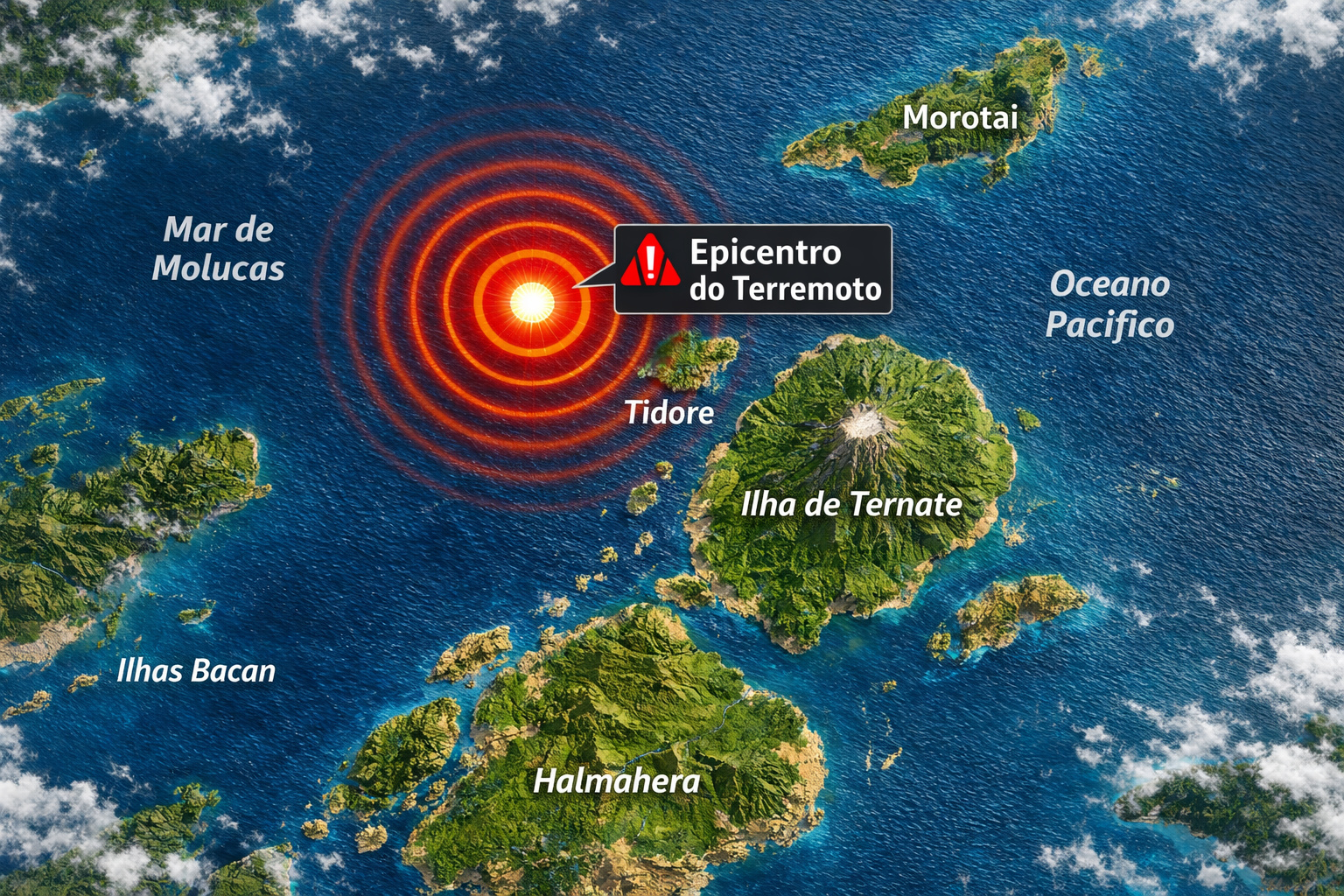
7.8 magnitude earthquake in Indonesia frightens the population, triggers tsunami alert, and hits an island with over 200,000 inhabitants this Thursday.
-
Google will finally let you change that embarrassing Gmail address you created in your teenage years without losing any accounts, logins, or old emails: the feature is already available in the United States.

-
Heading to Brazil in a Bonanza F33 single-engine aircraft: a couple departs from Florida on a visual flight, makes technical stops in the Caribbean to refuel and organize paperwork, and begins the staged crossing until they reach the country.


During drought periods, the Cantareira can transfer 33 thousand liters per second, ensuring supply to entire neighborhoods even when other water sources collapse.
An Engineering Marvel That Challenged Geography
The Cantareira System was conceived in the 1960s during the accelerated urbanization process of Greater São Paulo. The proposal, considered audacious at the time, was to bring water from springs located in the Serra da Mantiqueira, in Minas Gerais, to the heart of the São Paulo capital.
The construction began in 1969 and involved excavations in rock, tunnels of up to 10 km in length, and dams built in hard-to-reach areas. When it was inaugurated, the Cantareira instantly doubled the water supply for the city and became a symbol of Brazilian technological advancement.
From Crisis to Modernization: The System That Withstood Time
Over 50 years, the Cantareira faced monumental challenges. The most severe occurred in 2014, when the worst drought in nine decades caused the reservoir level to drop to only 5% of total capacity, forcing the use of “dead volume”.
The crisis led to the modernization of the system, with new pipelines, integration with other water sources (such as Alto Tietê and Guarapiranga), and loss reduction programs. Today, Sabesp maintains an advanced telemetry structure that monitors every cubic meter of water in real-time — a system that has become a model for other Brazilian capitals.
Strategic Importance and Environmental Impact
In addition to supplying water to millions of people, the Cantareira also influences the environmental balance of the entire Piracicaba, Capivari, and Jundiaí River Basin (PCJ). The region is home to one of the largest areas of environmental preservation in the Southeast, with forests that protect springs and regulate the local climate.

The system has also begun to incorporate small Hydro Power Plants (CGHs), capable of generating clean energy from the controlled flow of the reservoirs — an unprecedented integration of supply and sustainability in the country.
The Water Heart of Brazil
Today, half a century after its inauguration, the Cantareira System remains essential for the functioning of the largest metropolis in Latin America. It is a structure that operates 24 hours a day, moves billions of liters of water, and ensures the continuity of urban life in one of the most populous regions of the planet.
Silently, the Cantareira is the invisible pulse of São Paulo — one of the most extraordinary works of Brazilian engineering, a symbol of resilience, technique, and planning.









-

-

-

-

-

-

76 pessoas reagiram a isso.