





 English
  Francês
  Alemão
  Italiano
  Japonês
  Norueguês
  Portuguese
  Spanish
 3 min of reading


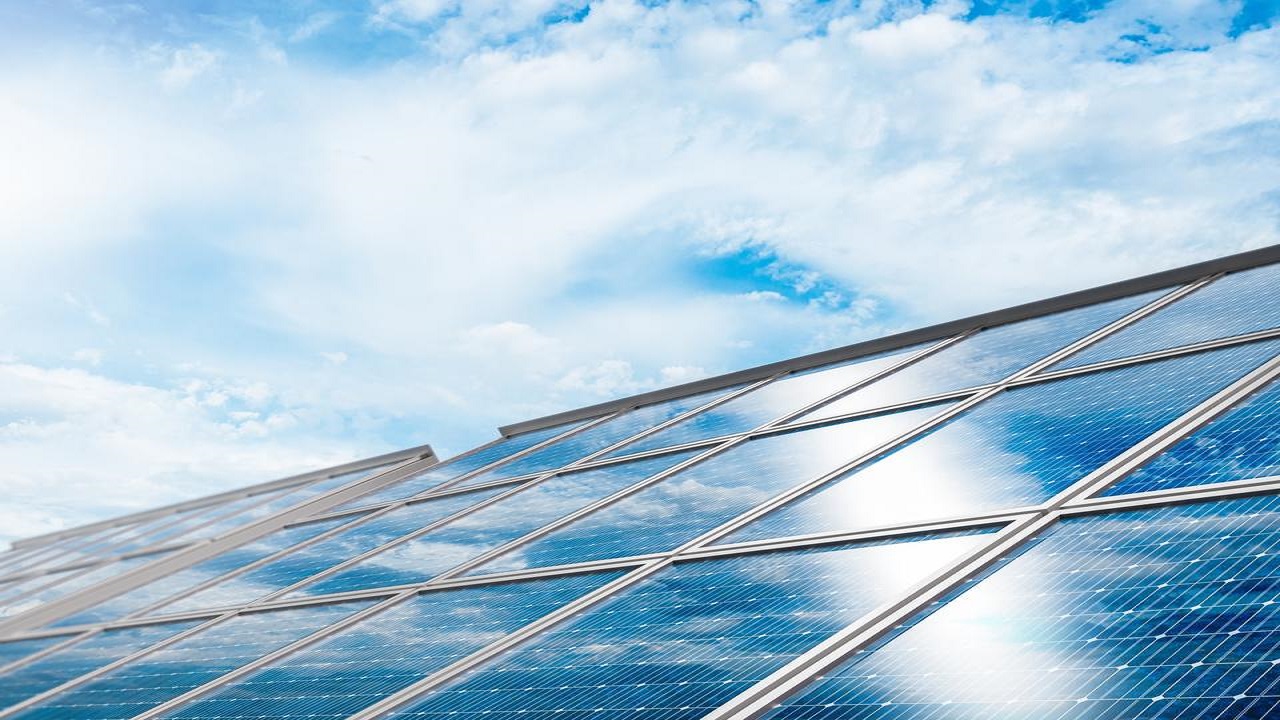
Solar Energy Company from Ceará Offers Economic Solution Capable of Reducing Costs by Using Renewable Energy in Small, Medium, and Large Companies
A new type of renewable energy system from Ceará promises to help reduce electricity costs for both large and small companies. Energia 4.0 is the first in the region in the energy self-production sector that uses a hybrid model involving energy efficiency, solar energy self-production, free market, and cost management. The project is the result of a partnership between Soma Energia and H3 Solar, focusing primarily on companies with electricity bills exceeding R$ 60,000 per month.
Read Also
- ‘Litro de Luz’ Project Uses Recyclable Materials and Solar Energy to Bring Lighting to the Most Isolated Communities in Brazil
- The Southeast Region of Brazil Stands Out in Solar Energy Production and Reaches Almost 36% of Total National Generation
- MIT Scientists Develop Solar-Powered Device for Only R$ 20 Capable of Desalinating Water
- Costing Less Than R$ 200, Mini Solar Kit Promises to Power Lamps, Recharge Cell Phones, Earphones, and Much More
- EDP Group, the Fourth Largest in Renewable Energies in the World, Plans to Invest R$ 10 Billion in Solar and Wind Energy Generation in Brazil by 2025
1,500 Companies in Ceará May Join the Hybrid Renewable Energy System
In the Northeast region, according to executives from the solar energy company, approximately 10,000 companies meet the requirements to adopt the model, with 1,500 located in Ceará.
The new renewable energy model promises to reduce costs for large companies looking to invest in solar energy but who end up backing out due to long payback periods and high investments, for instance.
-
Renewable energy advances over protected areas in Brazil, and a survey by the Energy Transition Observatory reveals silent impacts that challenge environmental conservation and pressure sensitive traditional territories.

-
Rio Grande do Sul accelerates energy transition: State invests in renewable technologies and consolidates decarbonization strategies and pathways to attract billions in new industrial investments.

-
With 160,000 m² of collectors, an area larger than 20 football fields, Silkeborg, in Denmark, hosts a solar thermal plant that heats 19,500 homes and could become the largest solar heating plant in the world.

-
A study reveals the expansion of renewable energy procurement in Brazil and shows how companies are taking advantage of opportunities to reduce expenses, ensure energy efficiency, and strengthen strategic environmental commitments.


According to Paulo Siqueira, Head of Free Market Procurement and Energy Efficiency Management at the solar energy company in Ceará, the combination of mechanisms such as participation in the free market and energy efficiency management, with renewable energy self-generation through a fully customized hybrid system, allows the client to spend less on the installation of the solar energy system and achieve a much more advantageous return.
Companies Will Save Over 40% by Adopting the Hybrid Renewable Energy System
Daniel Queiroz, Head of New Business at the solar energy company, concretely explains the purpose of the hybrid renewable energy system model, referencing a project for a large supermarket chain that would only use distributed generation and had to invest about R$ 10 million with a payback period exceeding eight years.
According to Queiroz, with APE, this chain went from a million-dollar investment to one ten times lower, making it possible to save 41% per month just by using solar energy self-production for 10% of its needs and purchasing energy in the free market for 24 months.
Get to Know the APE System
APE is a model with a strong growth trend in the market. The model offers the best of free market regulation and self-generation through the purchase of a solar plant, creating greater cost predictability.
The focus is on clients with a contracted demand of 500 kW, especially those without rural tariffs who are in the captive market. According to the Head of Solar Energy at the company, Hanter Pessoa, benefits include quick return on investment, low investment cost, risk diversification, maximized savings, management and automation of indicators, in addition to the sustainable aspect of generating clean energy. Moreover, clients will have various actions that, strategically, will contribute to shifting electricity expenses into a profitability accelerator.








Seja o primeiro a reagir!