





 Português
  Inglês
  Espanhol
  4 min de leitura
  0 comentários


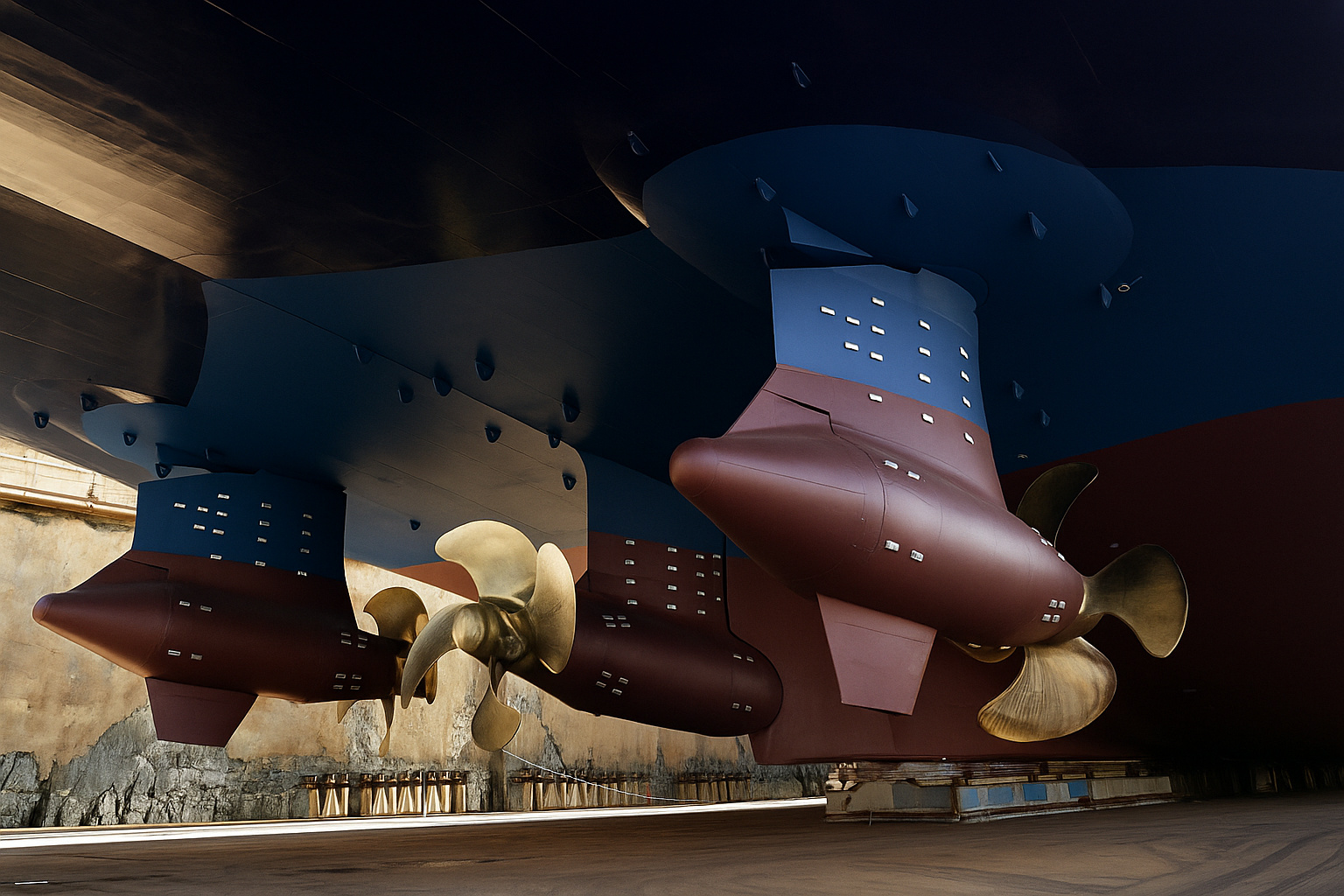
The Azipod System Revolutionized The Propulsion Of Cruise Ships And Icebreakers! With Over 700 Units Sold, It Allows Total Side Maneuvering, Improves Efficiency By Up To 20%, And Enables Crossings In The Arctic.
When it comes to innovation in the maritime industry, the Azipod system, developed by ABB, is at the top of the list. This technology has changed the way cruise ships, icebreakers, and complex vessels operate, especially in challenging regions such as the Arctic. With over 700 units sold since its inception in the early 1990s, the Azipod has not only made ships more efficient and easier to maneuver but has also helped to open routes that were previously nearly impassable.
How The Azipod System Works
The Azipod system is a type of electric propulsion where the motor is located inside a pod (a kind of capsule) submerged outside the hull of the ship. This pod can rotate 360 degrees, allowing for complete directional control and eliminating the need for a traditional rudder. In addition to directly driving the propeller, the Azipod does away with long shafts and heavy gears, making the overall unit lighter and more efficient.
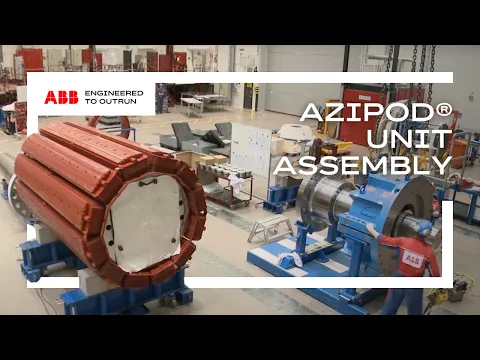

This ability for complete rotation allows the ship to maneuver sideways, turn practically on its own axis, and enter and exit narrow ports with much greater ease. That’s why cruise ships, with their immense dimensions, have begun to widely adopt this technology, as well as icebreakers that need to be extremely agile when navigating through icy waters.
-
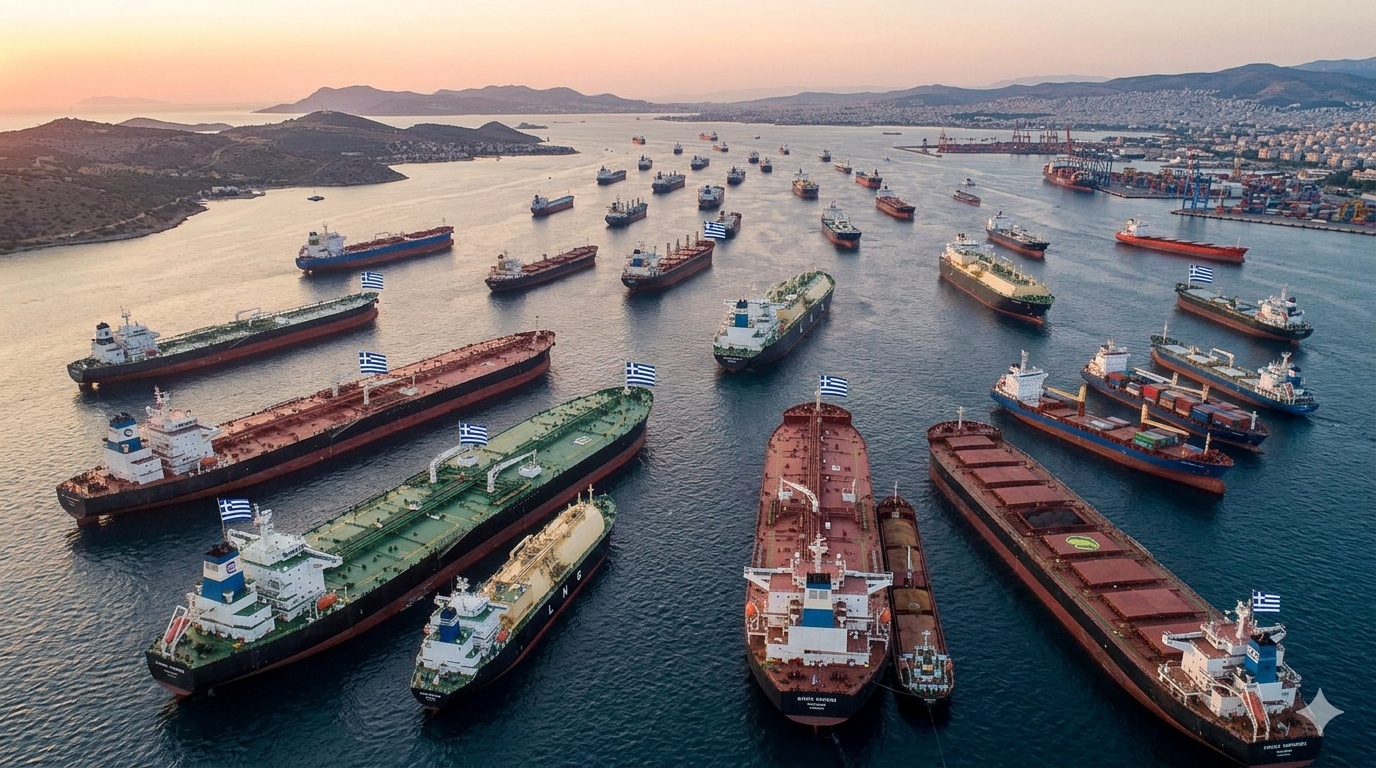
Neither the USA nor China: a small European nation has become one of the largest maritime powers on the planet, controlling one of the largest merchant fleets in the world with thousands of ships and dominating the global transportation of oil and strategic cargo.
-
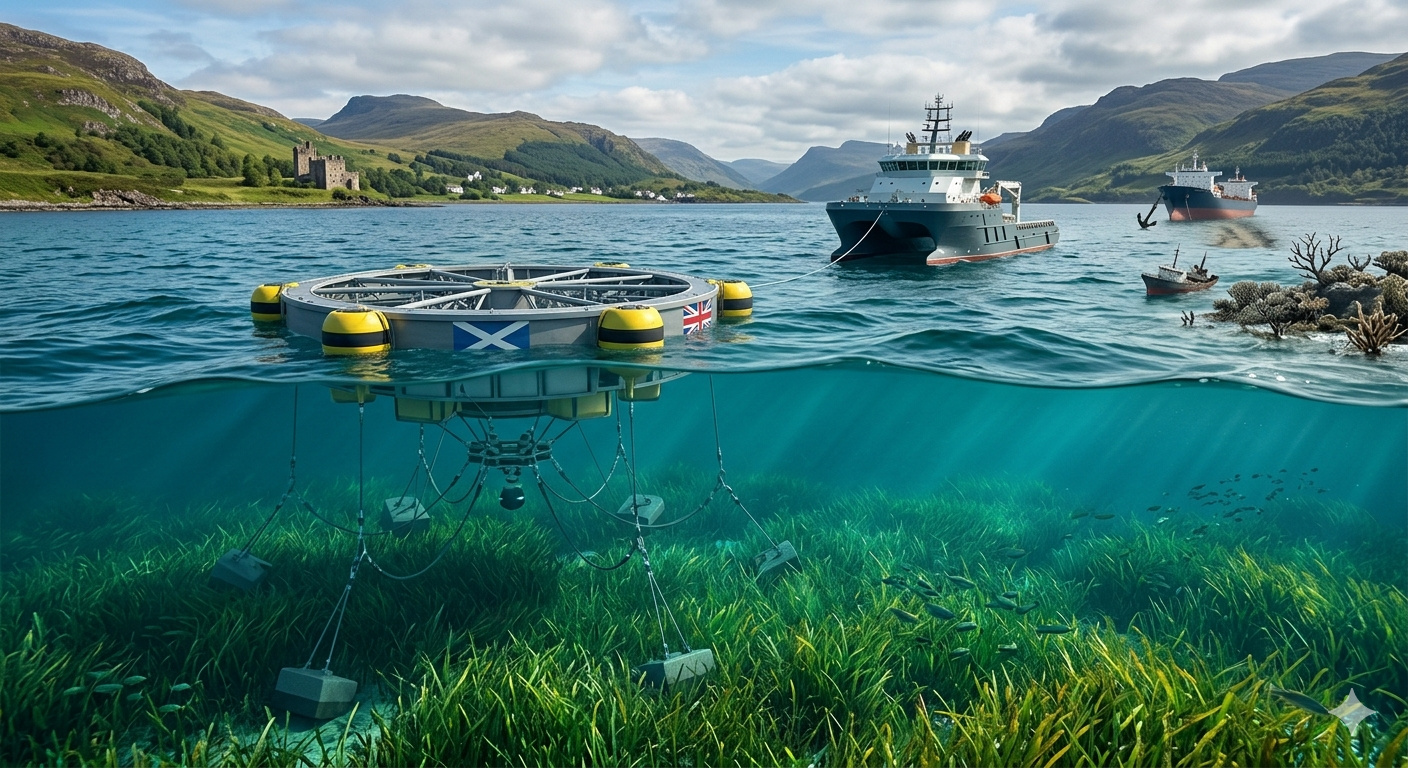
Scotland and the United Kingdom have created a new anchoring system that floats in the water without touching the seabed, after discovering that the current from a conventional anchor destroys up to 50 m² of seagrass meadow per event and that ship-damaged reefs showed no signs of recovery even ten years later.
-
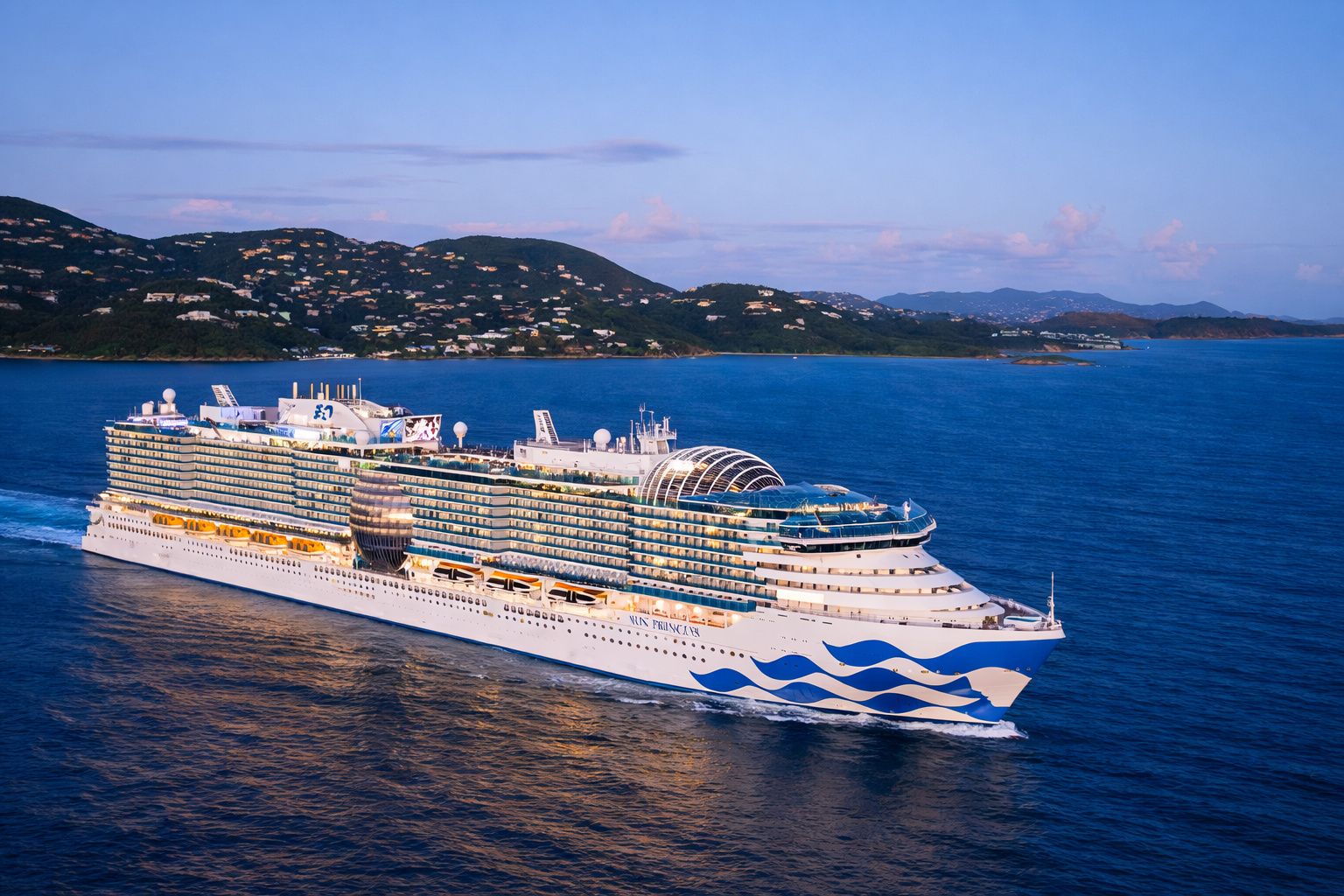
Weighing 175,500 Tons, Measuring 345 Meters Long, and With Capacity for Over 4,300 Passengers, the Sun Princess Becomes the Largest Ship Ever Built by Princess Cruises and Attracts Global Attention for Its Huge Glass Dome Inspired by Santorini’s Architecture Installed on Top of the Vessel
-
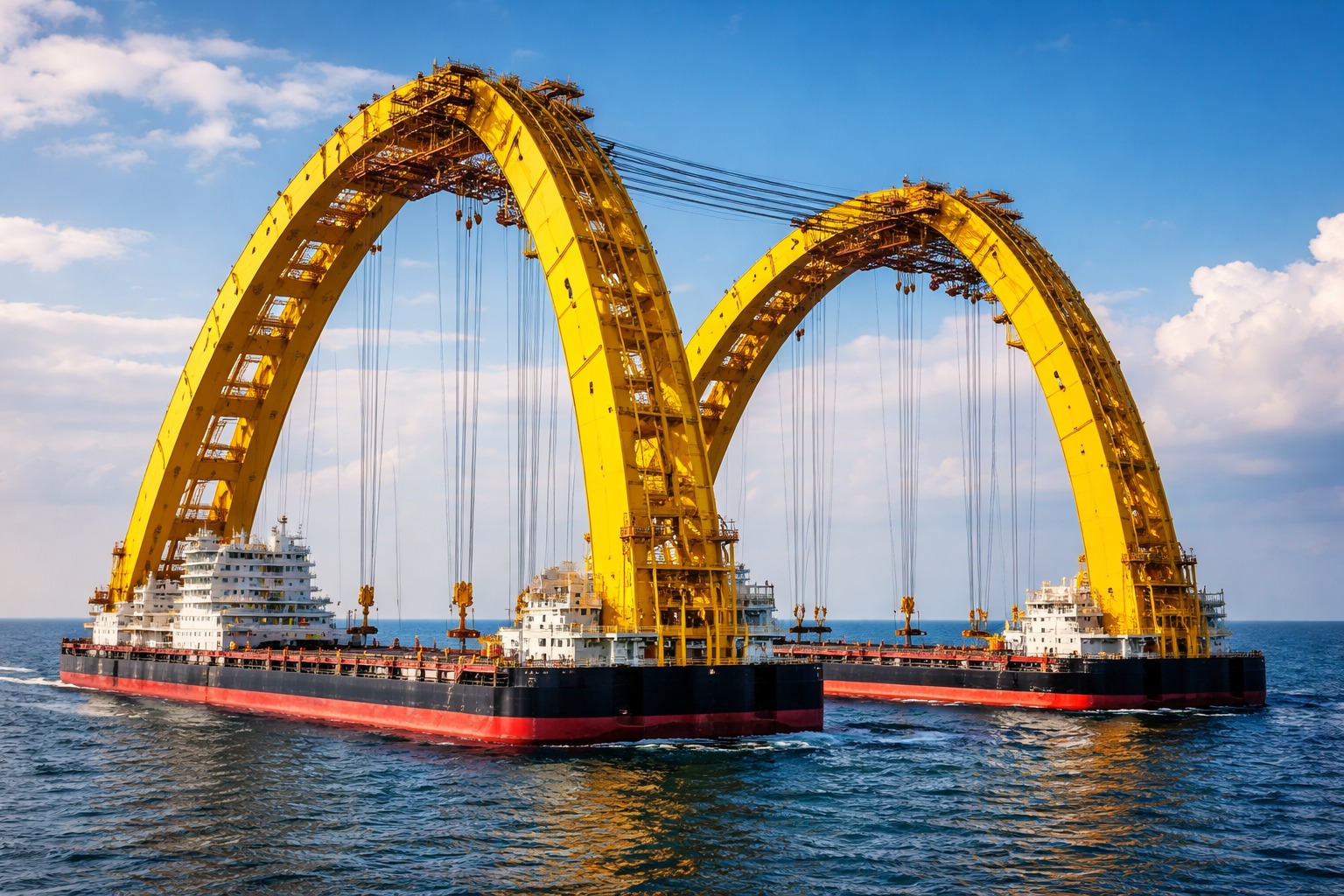
TX-10, The Colossus of The Sea: Largest Lifter Ship in The U.S., With Two Giant Barges, 73-Meter Tall Structure, and Strength to Raise 7,500 Tons of Sunken Oil Rigs

The Impact On Cruise Ships And Icebreakers
Cruise ships have gained significantly in efficiency and safety with the use of Azipod. The maneuverability offered by the system allows operations in smaller ports and areas with greater space constraints. Passengers may not even realize it, but onboard comfort also improves as the Azipod reduces vibrations and noise compared to traditional systems.
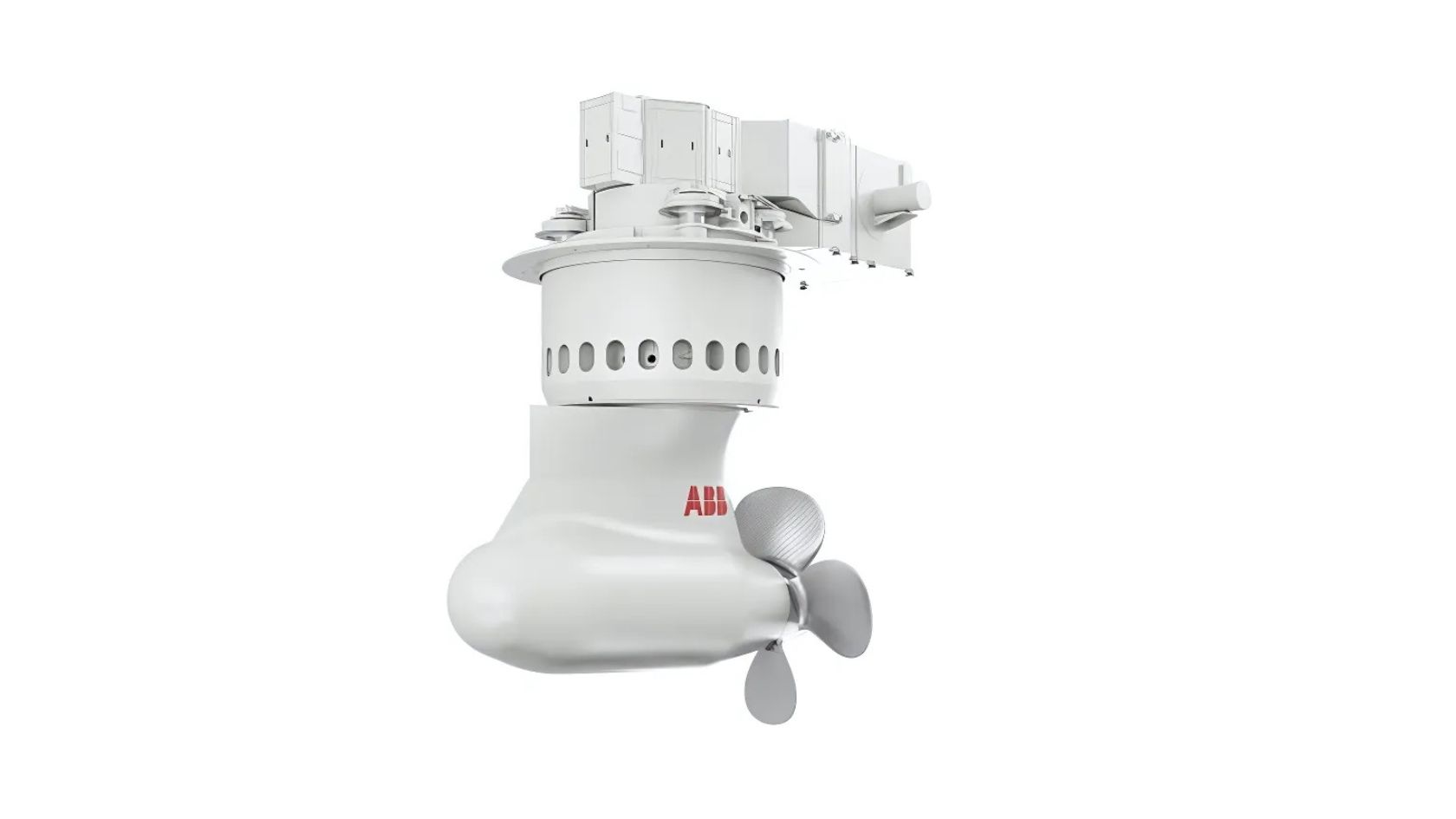
In icebreakers, the impact is even more impressive. The Azipod facilitates crossings in the Arctic, allowing vessels to navigate headfirst or even in reverse when this position helps break through the thicker layers of ice. In missions at the North Pole or in oil and gas exploration regions, this flexibility is essential for operational success.
Energy Efficiency And Sustainability In The Arctic
One of the Azipod’s great advantages is its energy efficiency. According to ABB, the system can reduce fuel consumption by up to 20% compared to conventional propulsion configurations. This represents not only savings for operators but also a significant reduction in CO₂ emissions—a critical point in times of energy transition and focus on reducing environmental impact.
This feature makes the Azipod even more valuable in sensitive areas such as the Arctic, where environmental preservation is a constant concern. Lower fuel consumption also means less need for refueling, which is a significant advantage on long and difficult routes.
Why The Azipod Became The Standard In New Constructions
Since its creation, the Azipod system has accumulated over 20 million operating hours on vessels of various types. Besides cruise ships and icebreakers, it is used in ferries, offshore support vessels, and special craft for ice operations.
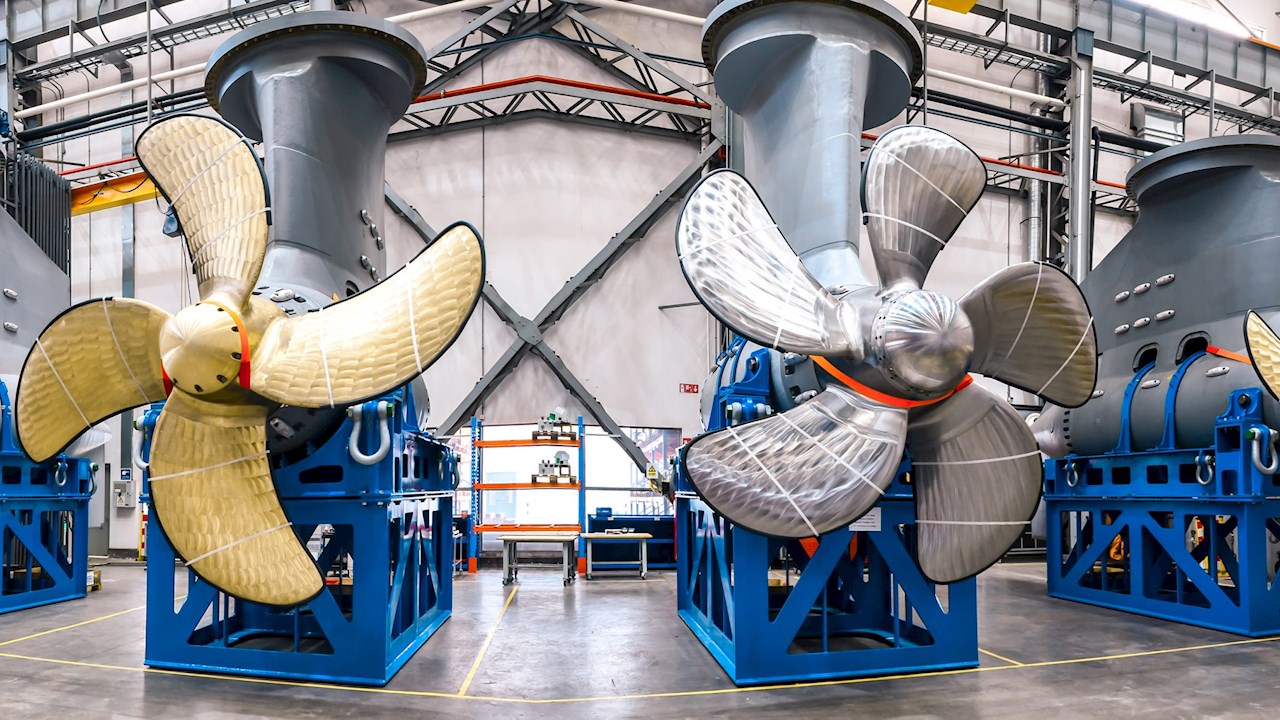
The system has already been installed in over 700 units and continues to be the standard choice for new constructions and upgrades. In addition to efficiency and maneuverability, the Azipod is praised for its durability and ease of maintenance. ABB has developed specific versions for different applications, such as the Azipod ICE, created especially for the extreme conditions of the Arctic.
The Future Of Naval Propulsion
The trend for the coming years is even greater adoption of the Azipod and its evolutions. With the maritime industry looking for solutions that reduce operational costs and environmental impacts, systems like ABB’s are expected to become the norm rather than the exception. The search for cleaner fuels and new routes in the Arctic only reinforces the importance of technologies like this, which combine performance, sustainability, and innovation.
In a scenario where maritime transport needs to reinvent itself to meet the demands of the 21st century, the Azipod system has already proven that it is ready to lead this transformation.









-

Uma pessoa reagiu a isso.