





 Portuguese
  English
  Spanish
  4 min of reading
  0 comments


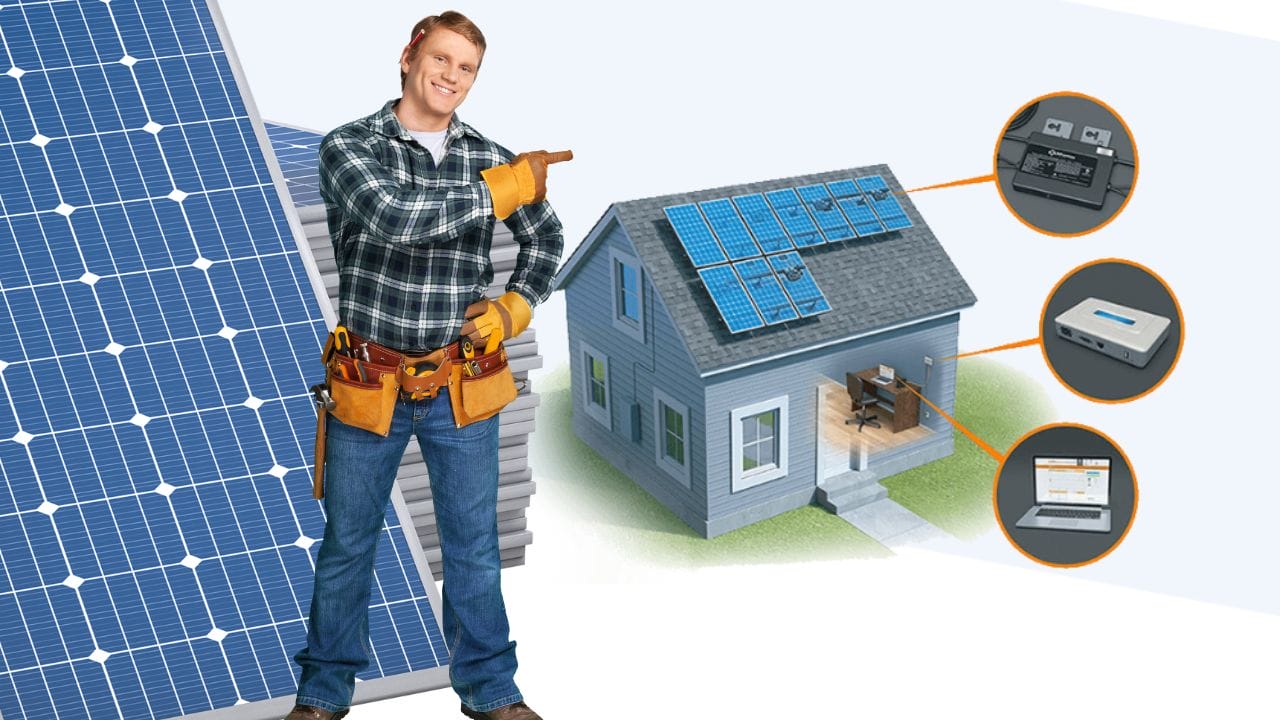
Hybrid Systems Emerge As An Efficient Solution For Solar Energy In Brazil, An Innovative Combination Of Photovoltaic Generation And Battery Storage Promises To Revolutionize Energy Supply, Ensuring Greater Autonomy, Efficiency And Sustainability For Homes, Industries And The National Agricultural Sector.
In Brazil, the search for renewable energy sources has intensified, with a special focus on solar energy. Amid this search, hybrid systems emerge as an innovative solution, promising to revolutionize the sector and offer Brazilian consumers an effective and sustainable energy generation alternative.
In simple terms, hybrid systems combine solar photovoltaic energy generation with one or more energy sources, such as batteries, for storage. This combination allows for not only clean energy generation during the day but also efficient and continuous use of this energy, regardless of weather conditions or time of day.
Are Hybrid Systems The Solution For Homes And Industries Using Solar Energy?
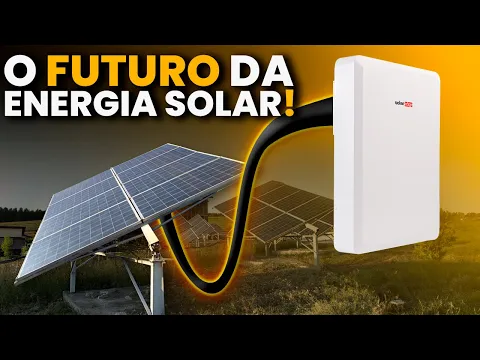

For the residential sector, hybrid systems represent a true revolution. They not only ensure a continuous energy supply but also provide significant savings on the utility bill. In the industrial context and agribusiness, the application of these systems is even more critical. With the ability to manage large energy demands and ensure the continuity of operations, hybrid systems offer a robust solution to challenges such as energy fluctuations and supply interruptions.
-
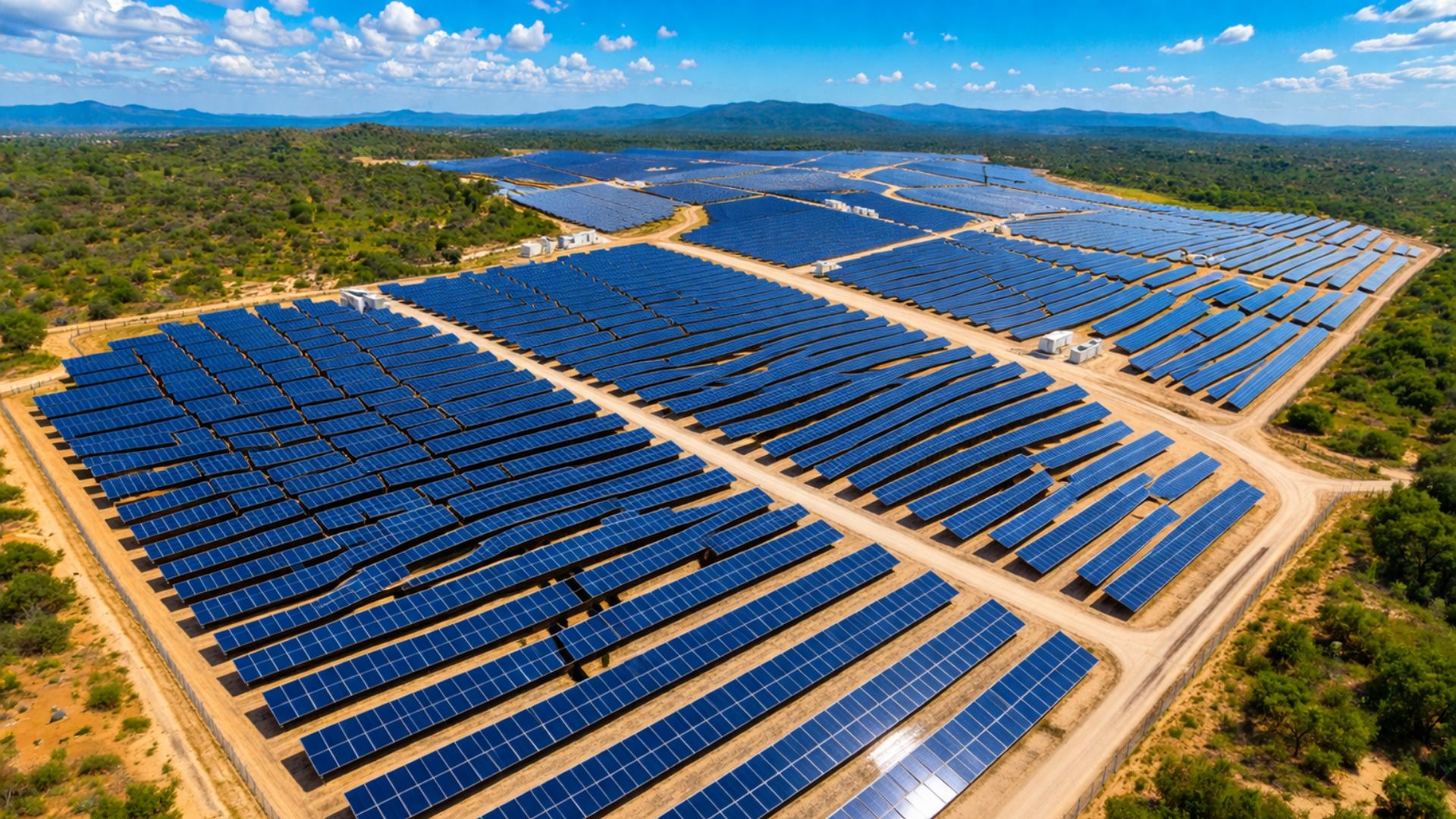
The Sol do Agreste Photovoltaic Complex begins operations in Pernambuco and accelerates the expansion of solar energy in Brazil, directly impacting the reduction of emissions and strengthening the sustainable energy matrix.
-
The Sol do Agreste Photovoltaic Complex begins operations in Pernambuco and accelerates the expansion of solar energy in Brazil, directly impacting the reduction of emissions and strengthening the sustainable energy matrix.
-
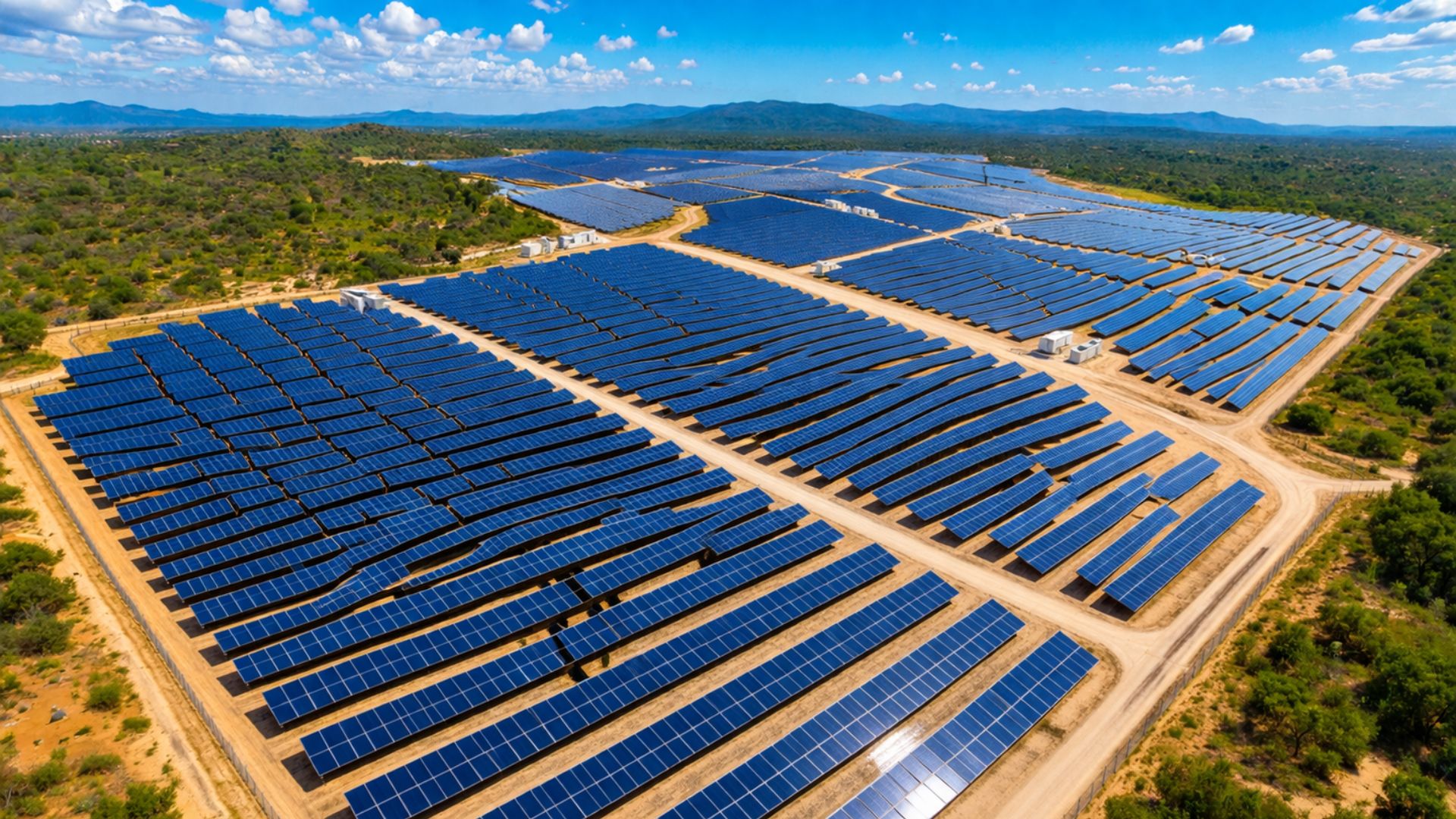
Renewable energy advances over protected areas in Brazil, and a survey by the Energy Transition Observatory reveals silent impacts that challenge environmental conservation and pressure sensitive traditional territories.

-
Rio Grande do Sul accelerates energy transition: State invests in renewable technologies and consolidates decarbonization strategies and pathways to attract billions in new industrial investments.


Utility Bill Savings: Assuming a hybrid system reduces grid consumption by 70% for a home with a monthly energy bill of R$ 500, the savings would be R$ 350 per month, totaling R$ 4,200 per year.
Reduction of Carbon Footprint: A 5 kW solar system can generate about 7,000 kWh per year. Considering that the average CO2 emission for electricity generation in Brazil is approximately 0.09 kg per kWh, a hybrid system can avoid the emission of 630 kg of CO2 per year.
Autonomy During Outages: With a hybrid system equipped with batteries that have a storage capacity of 10 kWh, an average household with a daily consumption of 8 kWh could maintain its basic operations for over 24 hours during a blackout, without depending on the power grid.
Investment and Return: The initial installation cost of a hybrid system may be about 20-30% higher than that of a conventional solar system. However, with the savings generated on the utility bill, the return on investment can occur within 5 to 8 years, depending on location, energy rates, and available tax incentives.
Storage Capacity: For industries spending around R$ 18,000 per month on diesel generators, transitioning to a hybrid solar system with batteries can represent a significant reduction in operational costs. Considering diesel prices and generator efficiency, savings can reach tens of thousands of reais per year.
Energy Resilience: In rural or remote areas, where the costs and environmental impacts of fuel transport are high, hybrid systems not only provide a reliable energy source but also significantly reduce dependency on fossil fuels, with positive economic and environmental impacts.
The Future Is Hybrid
With technological advancements and reduced costs associated with energy storage, hybrid systems are becoming increasingly accessible and viable. Companies like Ecori are at the forefront, offering innovative solutions that cater to everything from small homes to large industries and rural properties.
The implementation of hybrid systems in Brazil is not just a trend, but a necessity. Given the growing climate challenges and the urgency to reduce dependence on fossil energy sources, these systems emerge as a promising solution to ensure a cleaner, more efficient, and independent energy future. The commitment to innovation and sustainability is clear, and solar energy, especially when combined with hybrid systems, plays a central role in this transformation.
Latest Innovations In Solar Energy
The latest innovations in solar energy highlight the growing diversity and sophistication of technologies aimed at harnessing solar energy in more efficient and integrated ways. Let’s explore each of these innovations, highlighting their unique characteristics and potential impact in the field of solar energy.
Perovskite Solar Cells
Perovskite solar cells are particularly noteworthy for their high efficiency and low production costs. The ability to print these cells on different substrates opens doors for application in innovative locations, such as windows and fabrics, enhancing solar energy generation in urban environments and everyday products.
Photovoltaic Paints
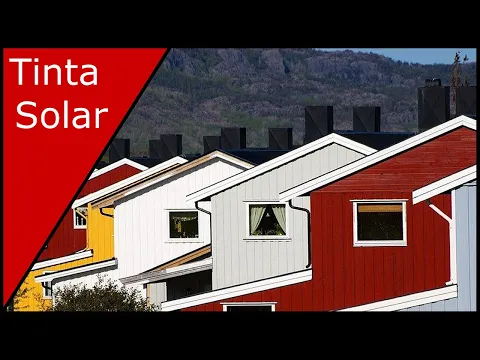
The innovation of photovoltaic paints from Australia brings a revolutionary approach to solar energy generation, allowing the transformation of virtually any surface into an energy source. This includes building walls, vehicles, and even clothing, further democratizing access to solar energy.
Organic Solar Panels
The development of organic solar panels in Brazil represents a significant advance in the aesthetics and applicability of solar technology. These lightweight and flexible panels can be seamlessly integrated into various surfaces without negatively impacting design or structure.
Thin Film Cells
The thin film cell technology stands out for its flexibility and lightness, allowing the installation of solar panels in previously impractical locations. This versatility opens new pathways for integrating solar energy into urban construction and design projects.
Solar Tiles
Solar tiles combine functionality and aesthetics, transforming ordinary rooftops into energy generators without compromising the home’s design. This approach not only simplifies solar system installation but also elegantly integrates solar technology into residential and commercial architecture.
Wavy Solar Panels
Inspired by the art of kirigami, wavy solar panels provide a clever solution to increase energy efficiency throughout the day, taking advantage of different angles of solar incidence. This innovation represents an important step towards maximizing solar energy generation with minimal space and material.









Seja o primeiro a reagir!