





 Portuguese
  English
  Spanish
  3 min of reading
  0 comments


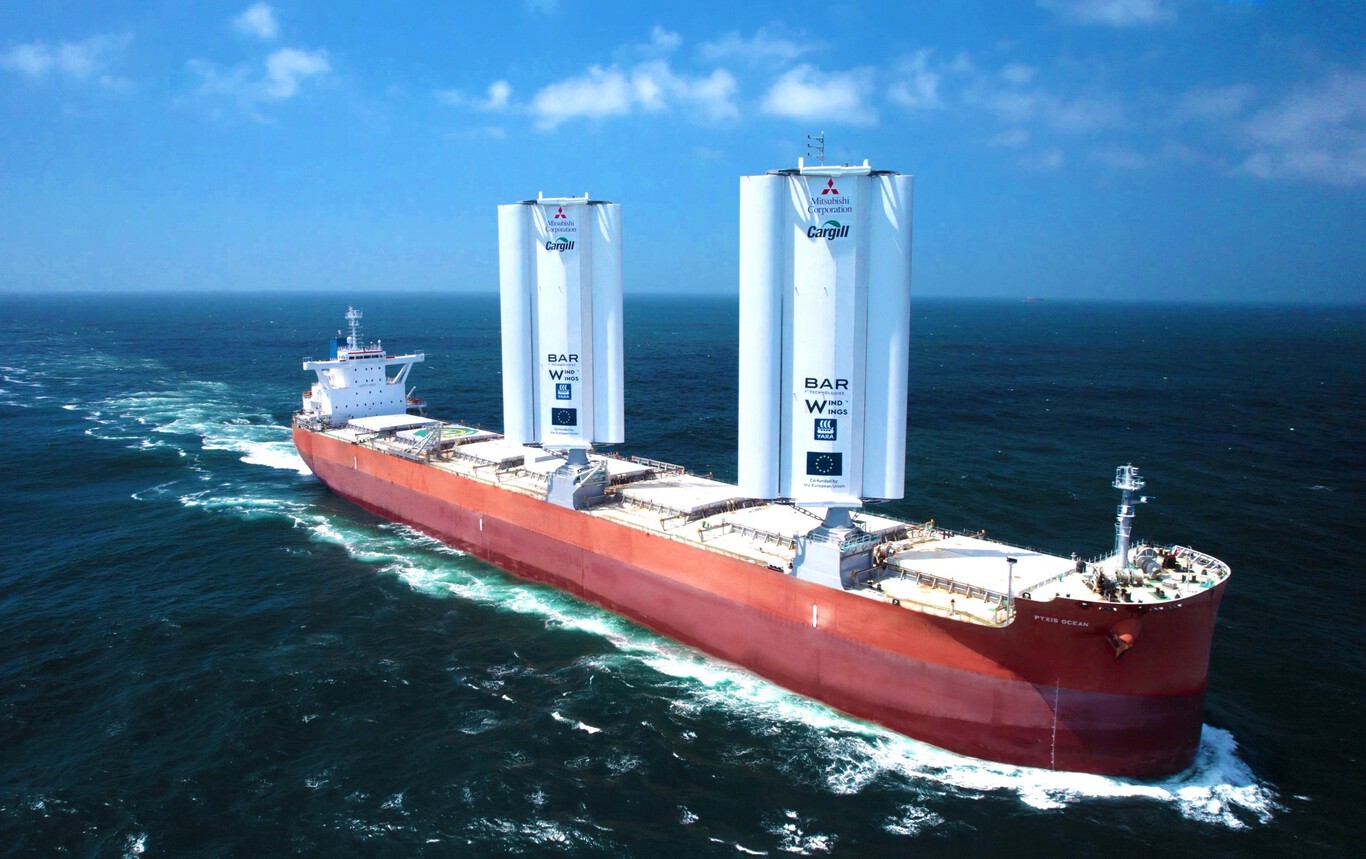
New Sohar Max Ship Named The Largest Wind-Powered Vessel In The World And Promises To Reduce Up To 3 Thousand Tons Of CO2. Understand How The Wind-Powered Ship Weighing 400 Thousand Tons Works.
The Sohar Max ship is seen as an icon of innovation in sustainable navigation, bringing a new perspective to maritime transport. Equipped with imposing 35-meter-high rotors, the wind-powered ship utilizes cutting-edge technology to harness the potential of renewable energy. This approach highlights the commitment of the largest wind-powered vessel in the world to energy efficiency and marks a decisive step toward reducing carbon emissions, a fundamental challenge for the shipping industry.
Sohar Max Ship Weighs 400 Thousand Tons
More than just a technological advance, the wind-powered ship symbolizes the transformation of the maritime sector. Its proposal merges efficiency and sustainability, establishing new standards for the future of cargo transportation. The union of innovation and environmental responsibility makes it a milestone for global navigation.
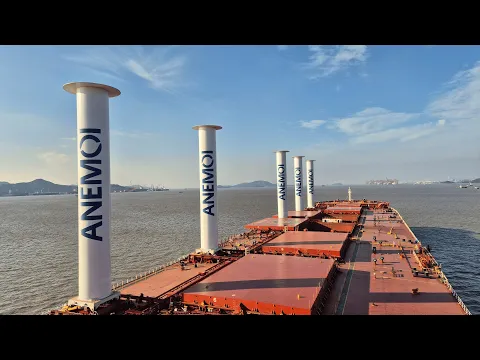

In October 2024, the largest wind-powered vessel in the world, a 400-thousand-ton bulk carrier, became the center of a revolutionary experiment. Its deck was transformed into a testing platform for five rotor sails, cylindrical structures developed by the British company Anemoi.
-
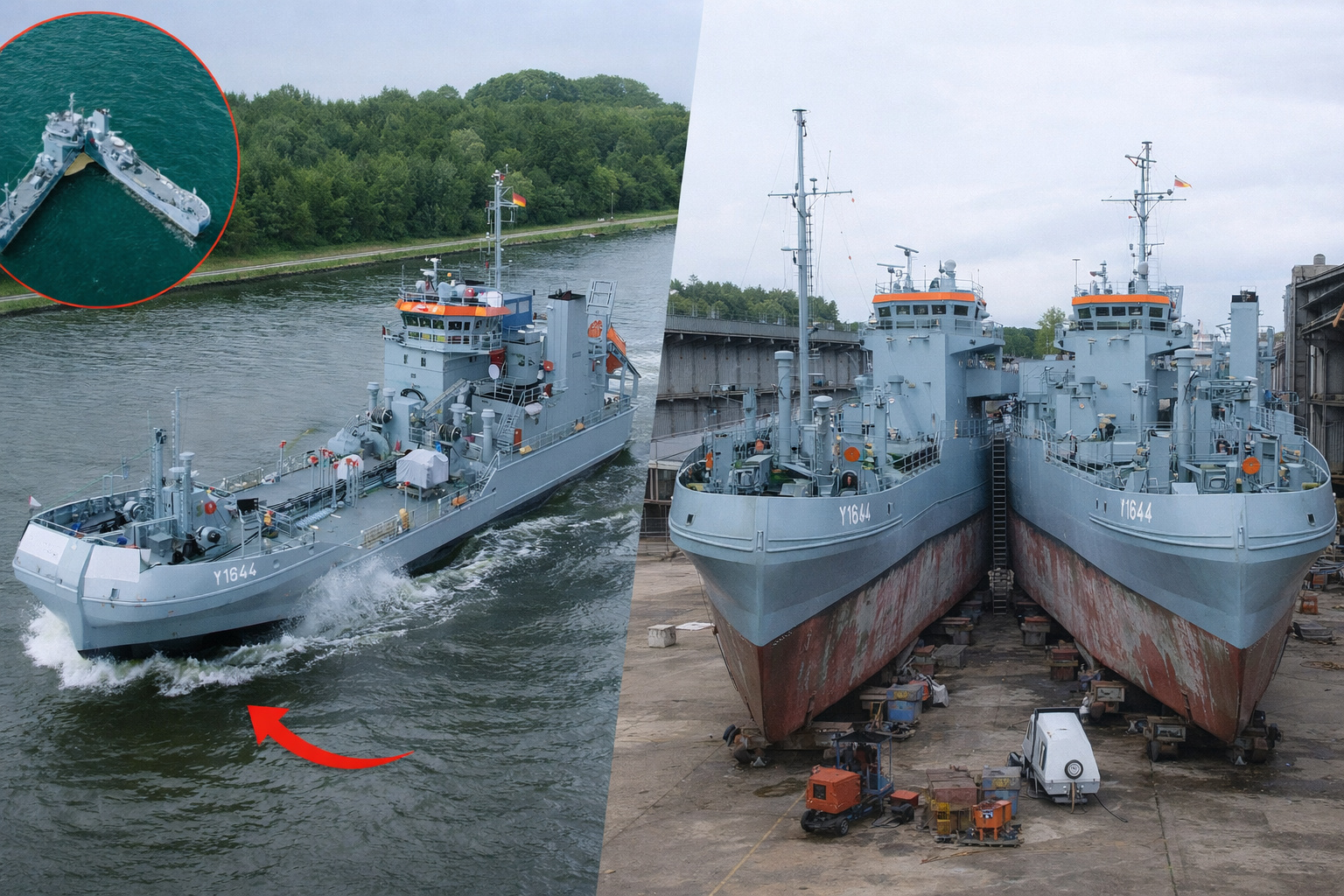
The German ship Bottsand splits its hull in two halves in the middle of the ocean to swallow spilled oil on the surface, separating the oil from the water inside a 790 cubic meter tank and then closing again. It is the only ship in the world factory-designed to split in half as part of normal operations, and the crew of six people who operate everything is civilian.
-
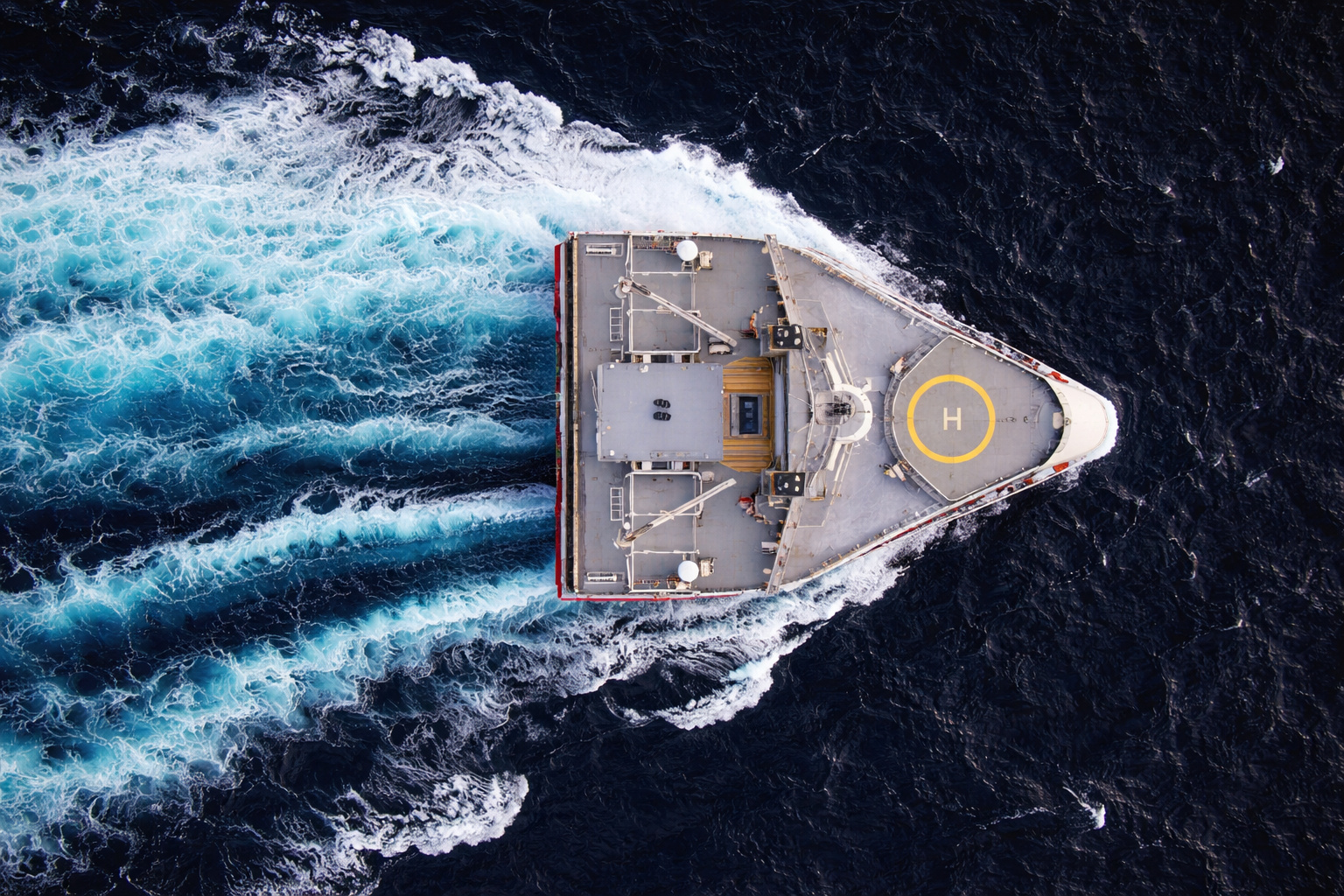
With almost 70 meters in width at the stern and a shape resembling a “giant slice of cheese,” the Ramform Titan tows up to 24 seismic cables to sweep the ocean floor in 3D and reveal oil reserves hidden beneath kilometers of sediment.
-
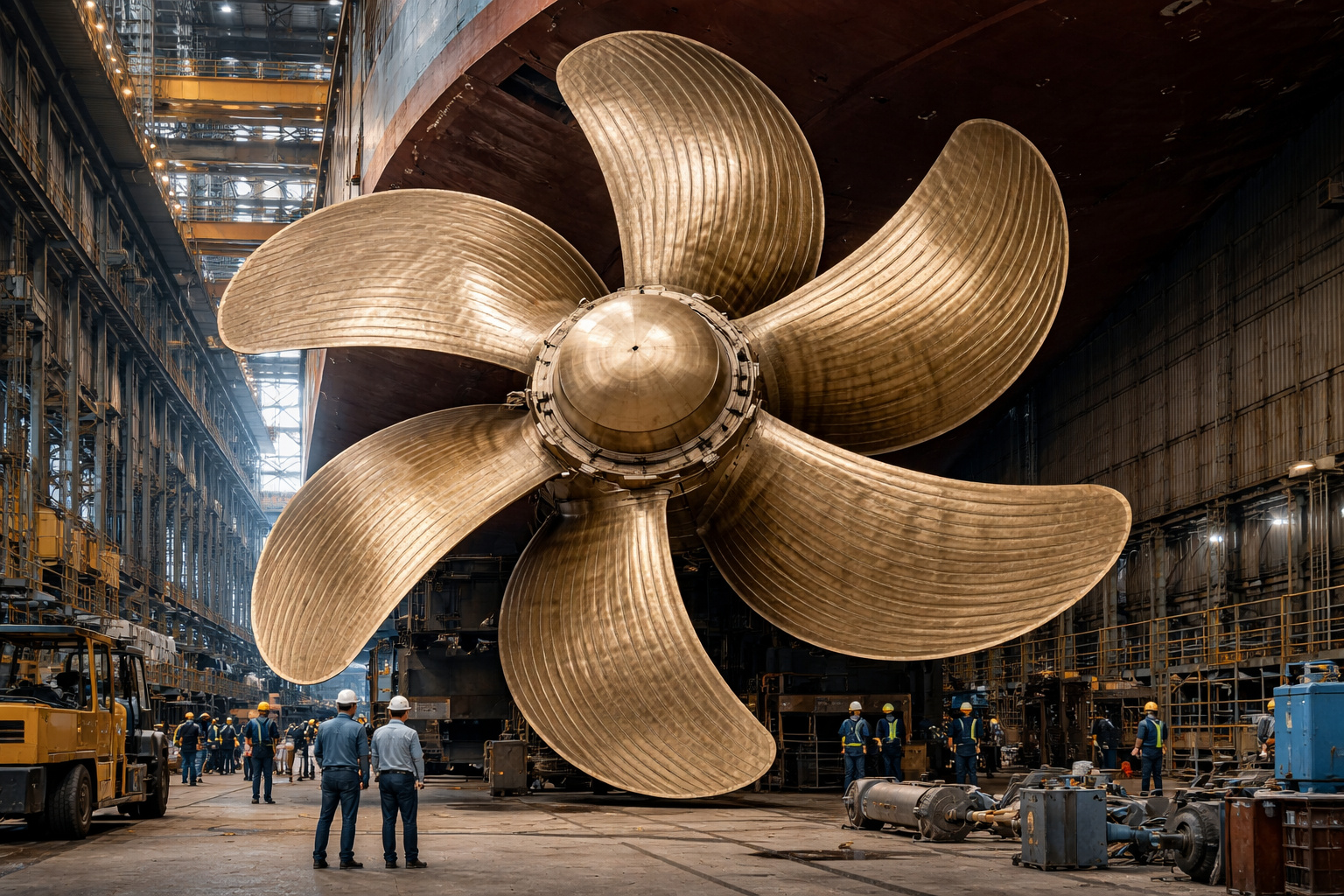
How a 131-ton, 11-meter propeller supports 90% of global trade and transforms the largest container ships on the planet.
-
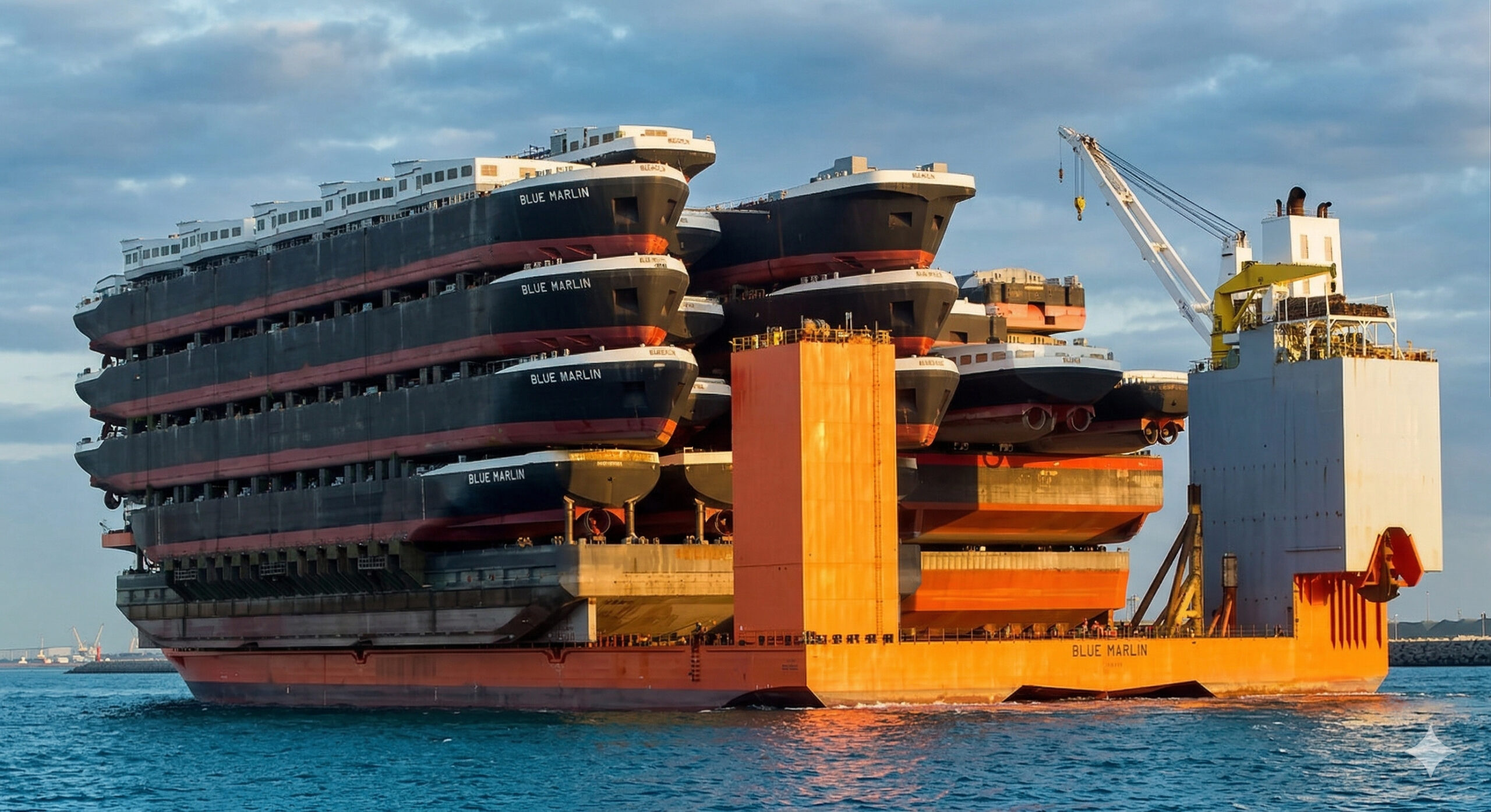
With a length of 225 meters and a capacity of 76 thousand tons, this ship “sinks” its own deck down to 28 meters deep to accommodate war destroyers, oil platforms, and giant radars floating above, and then emerges with everything intact on top like a colossal tray crossing oceans.

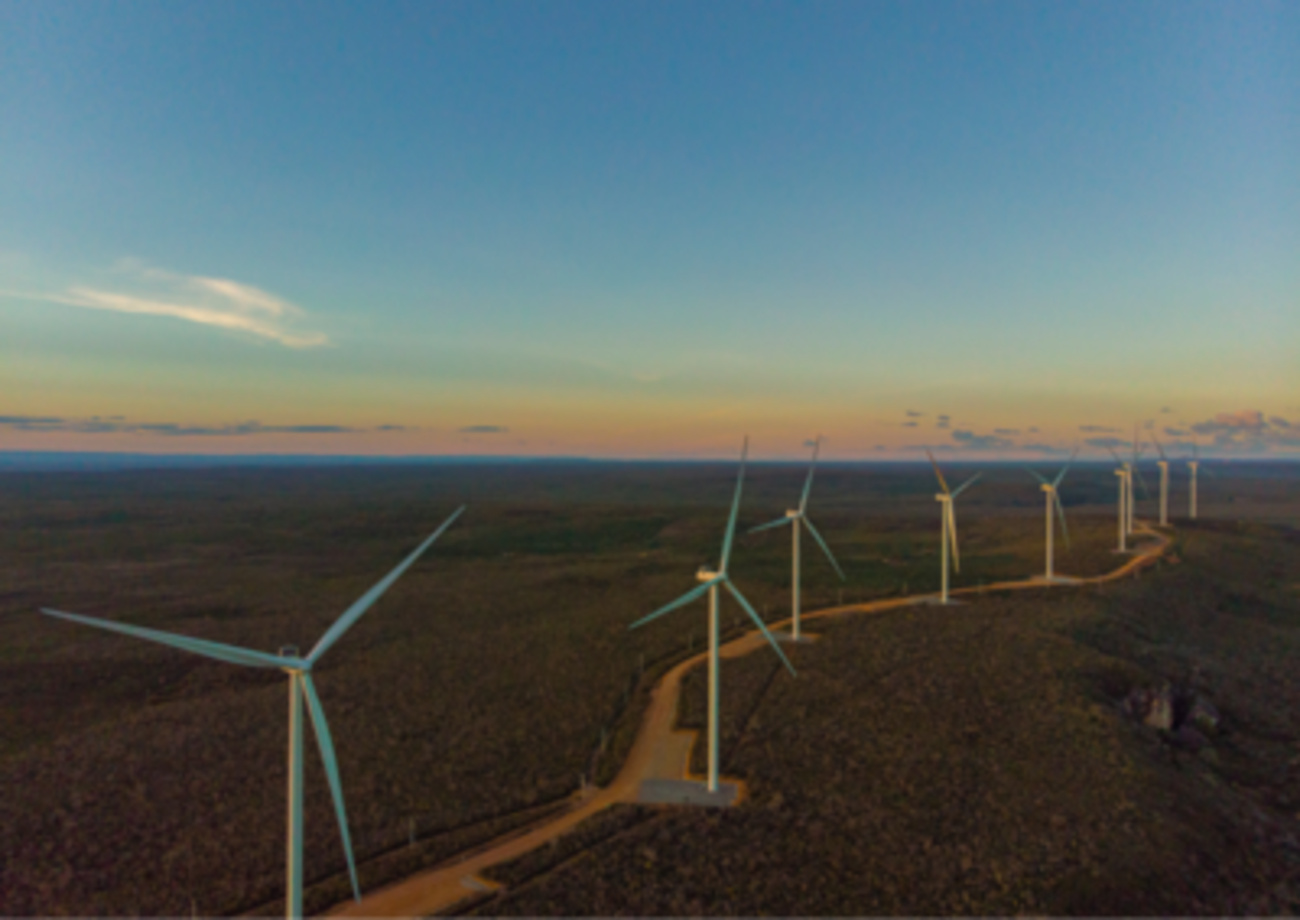
These sails on the Sohar Max utilize the Magnus effect, a physical phenomenon that generates additional lift as they rotate, significantly reducing fuel consumption. Built in 2012 in China and belonging to the Valemax ships generation, the wind-powered ship was designed for energy efficiency. Under the leadership of the Brazilian mining company Vale, it underwent modernization at a Chinese shipyard to accommodate this innovative technology.
Largest Wind-Powered Vessel In The World Reduces Up To 3 Thousand Tons Of CO2
The initial tests, conducted on a voyage between China and Brazil, were a success. The rotor sails of the Sohar Max demonstrated their effectiveness, allowing for an annual 6% savings in fuel consumption. This translates to 3 thousand tons less CO2 in the atmosphere, a significant environmental impact for a historically polluting sector.
The adoption of rotor sails on the wind-powered ship is part of Vale’s Ecoshipping program, which aims to reduce the carbon footprint of its fleet. The success of this experiment has already propelled plans to equip another bulker, the NSU Tubarão, by 2025.
International regulations, such as the CII classification and the EEXI index, have encouraged the use of technologies that reduce emissions. The compact and efficient rotor sails complement traditional propulsion systems and meet sustainability demands. Additionally, the retractable functionality of these sails on the largest wind-powered vessel in the world ensures that cargo capacity and port operations remain unchanged.
How Do The Sails On The Sohar Max Ship Work?
The partners of the wind-powered ship project, including the Omani owner Asyad, see these sails as a viable solution for large vessels. Anemoi specialists are confident that the data collected on the largest wind-powered vessel in the world will help improve this technology, paving the way for a significant transformation in maritime transport.
The rotor sails, also known as Flettner rotors, operate uniquely. Utilizing the Magnus effect, these sails capture the wind as they rotate, creating lift that reduces the need for fuel. Their compactness is an additional advantage, as they occupy little space on the deck and can be retracted to facilitate port operations.
With benefits such as cost and emission reduction, the equipment also helps shipowners comply with strict international emission regulations. The use of these sails on the Sohar Max demonstrates that innovation can align operational efficiency with environmental commitment.








-

Uma pessoa reagiu a isso.