





 Portuguese
  English
  Spanish
 3 min of reading


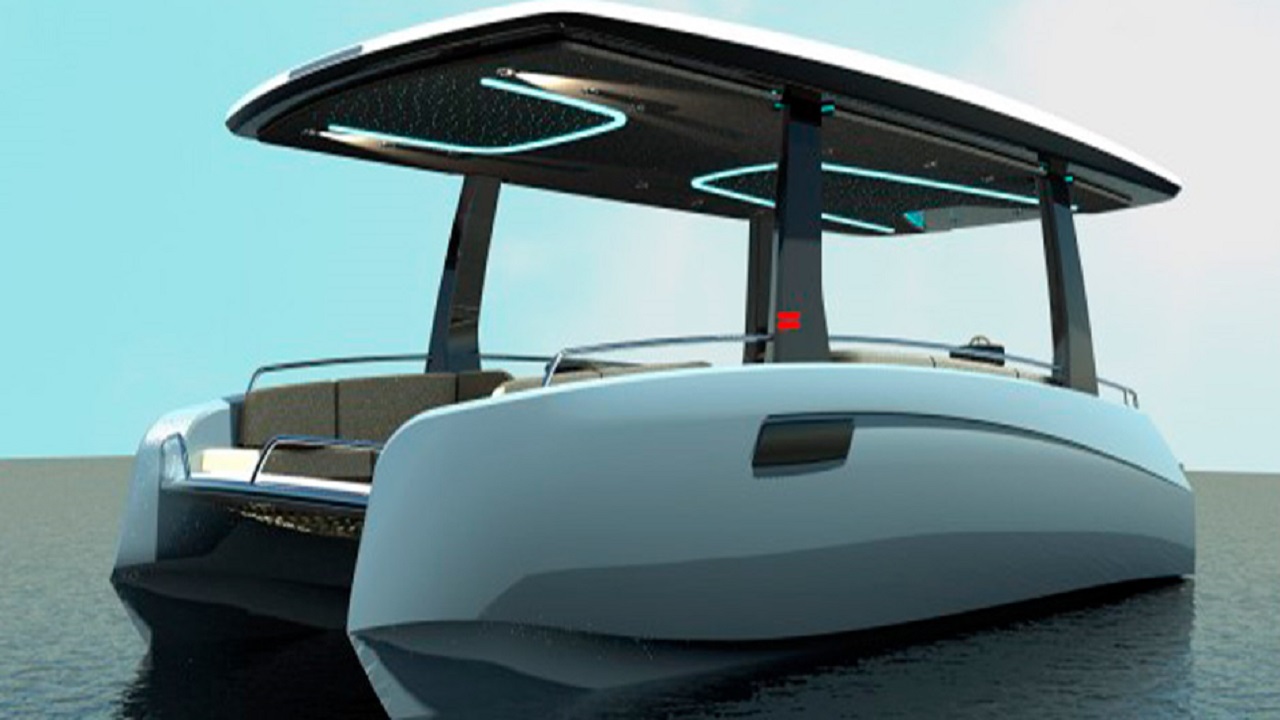
Solar Boat Brasil Is Developing A Solar-Powered Boat In Camaçari, Bahia, With An Autonomy Of 80 Km And Capable Of Reaching A Maximum Speed Of Up To 15 Km/h.
With the aim of providing solar-powered vessels in the national market, the company Solar Boat Brasil announced this Monday (25) that it is planning to start manufacturing a solar-powered boat in Camaçari, Bahia, in the second half of this year. The company was founded by Thomas Schulthess, a specialist in large-scale wind and photovoltaic energy projects, at the end of 2020.
Solar Boat Brasil Has Already Completed Two Solar-Powered Boats
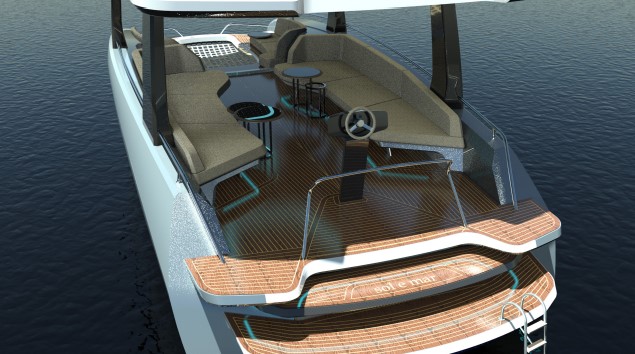
The company’s executive stated that solar-powered boat technology has become popular in other parts of the world and that the potential for solar energy generation in Brazil motivated the development of the project in Bahia.
Schulthess details that Solar Boat Brasil has already completed two pilot catamarans, one that is 10 meters long aimed at nautical tourism, and another 7 meters long designed for collecting floating plastic waste. The executive also highlights that the company will launch the mass production of a 9.5-meter solar-powered boat at Cimatec Park, Bahia.
-
With 74% of companies facing difficulties in hiring, technicians and engineers in renewable energy are becoming scarce in Brazil and are essential to support the expansion of solar, wind, and green hydrogen projects.

-
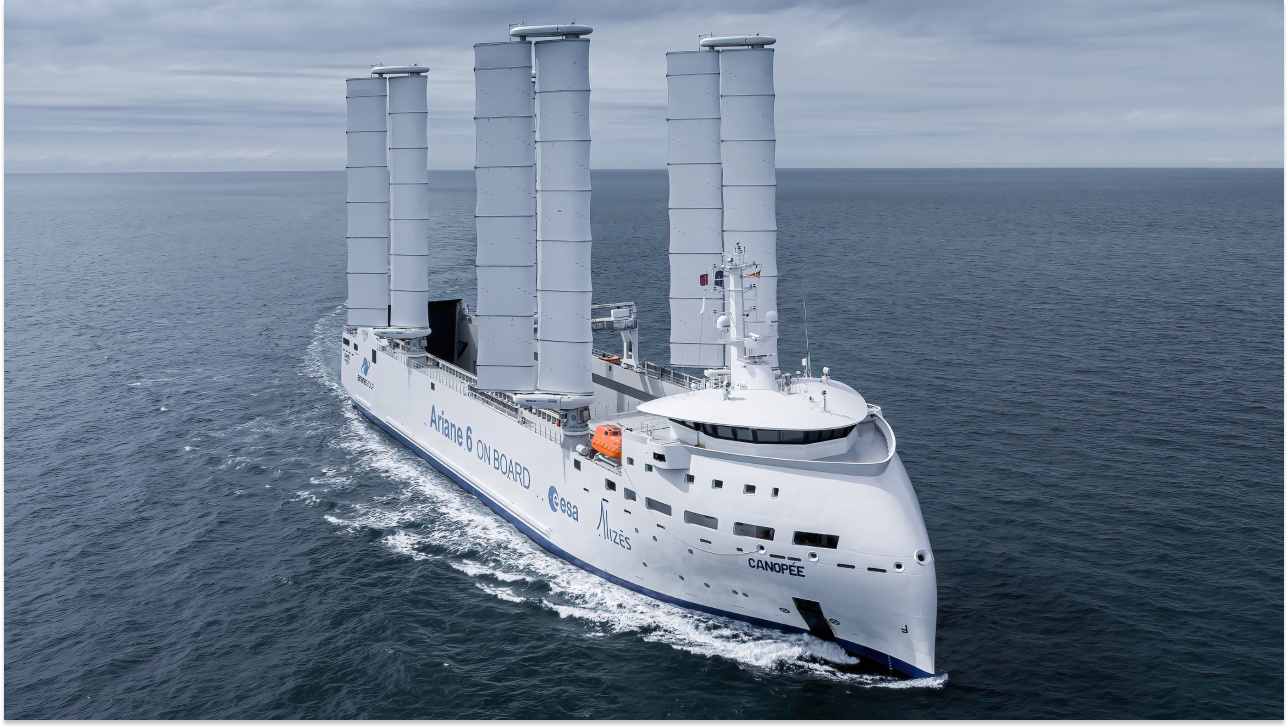
Europe is trying to create an ammonia-powered marine engine without auxiliary fuel, which could unlock the race for giant emission-free ships. The technology aims to eliminate one of the biggest obstacles to clean maritime propulsion.

-
A 4,500-ton frigate with just over 100 crew members, state-of-the-art radar, and cruise missiles is being touted as the new standard of naval warfare in the 21st century.

-
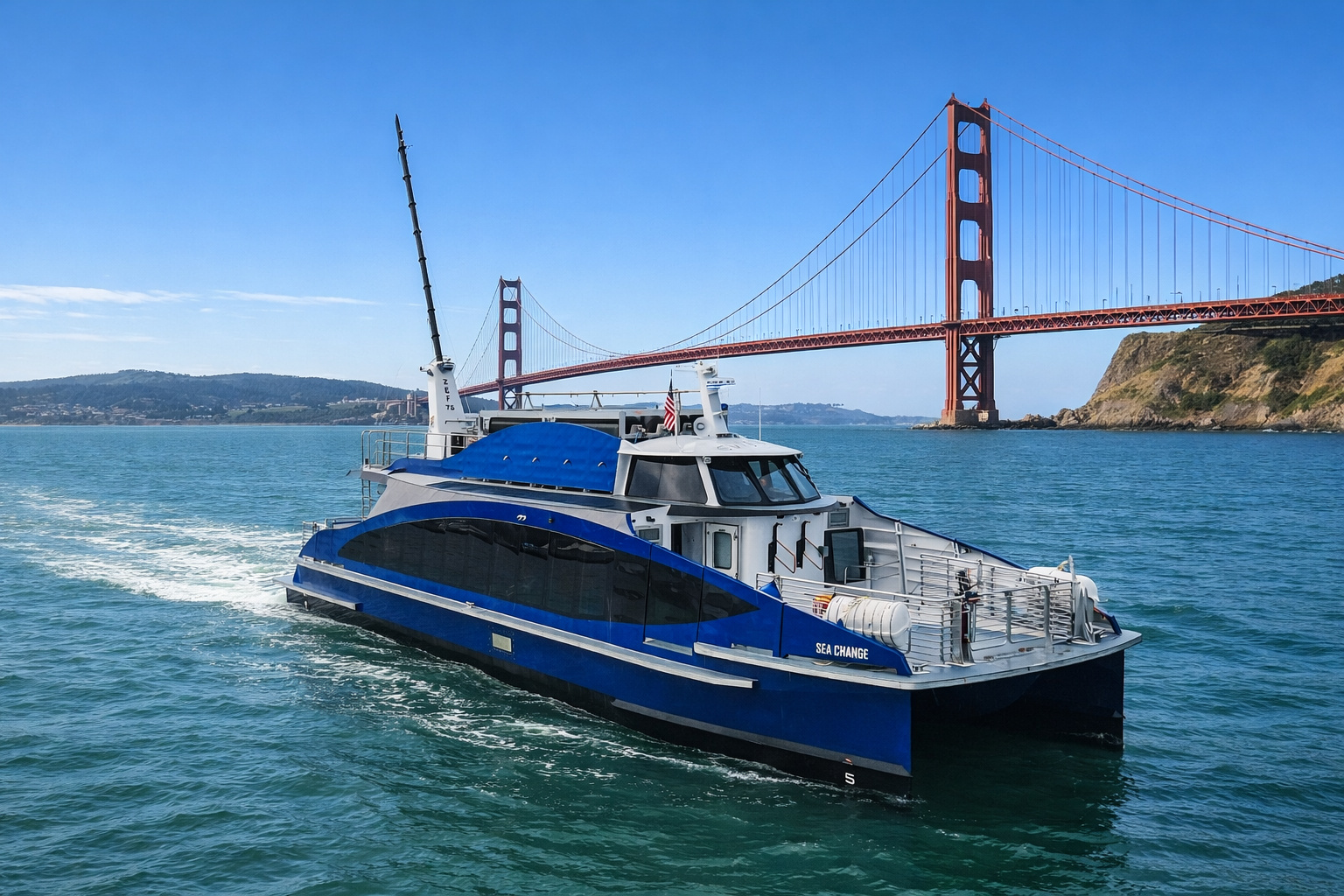
The first commercial hydrogen-powered ferry enters operation in the U.S., eliminates the use of diesel, uses fuel cells to generate clean energy on board, and transforms San Francisco Bay into a landmark of the new era of emission-free navigation.

Initially, the production of 10 boats per year will be sold directly to tourism or public transportation operators. The company has already begun discussions with the Bahia government to facilitate transportation between islands.
Learn How The Solar-Powered Boat Technology Works
The boats from Solar Boat Brasil use photovoltaic solar energy panels that were produced in China and weigh about 70% less than common solar panels. The equipment is designed to withstand saltwater and salinity, and to enable energy generation on cloudy days.
According to Schulthess, the main advantage of a solar-powered boat lies in its operational cost, which is 85% lower than that of a conventional vehicle, and this difference is due to the non-use of diesel as fuel and the maintenance of combustion engines.
According to the executive at Solar Boat Brasil, the company’s vessel can reach a maximum speed of 15 km/h and has a battery that can ensure an autonomy of 80 kilometers. However, the real distinguishing feature is to navigate as much as possible only with solar generation, without the need for recharging.
Students Develop Solar-Powered Boat And Participate In Competition
A solar-powered boat project, developed by students from the Federal University of Espírito Santo (Ufes), is participating for the fourth time in the Solar Challenge Brazil, a Brazilian championship held in Rio de Janeiro from March 12 to 23.
In 2018, the project achieved first place in the competition. In total, there are about 70 people involved in the development of the project, which is part of the extension program of the university’s Technological Center.
The project is divided into areas of focus that work together; part of the team is responsible for developing the solar boat specifically to compete in the challenge every year. The other sector, known as On Grid, conducts projects to promote solar energy, including the development of the Solares On app, which simulates a photovoltaic system in users’ homes. The Off Grid sector is responsible for conducting projects that exclusively use solar energy.









-

Uma pessoa reagiu a isso.