





 English
  Francês
  Alemão
  Italiano
  Japonês
  Norueguês
  Portuguese
  Spanish
 3 min of reading


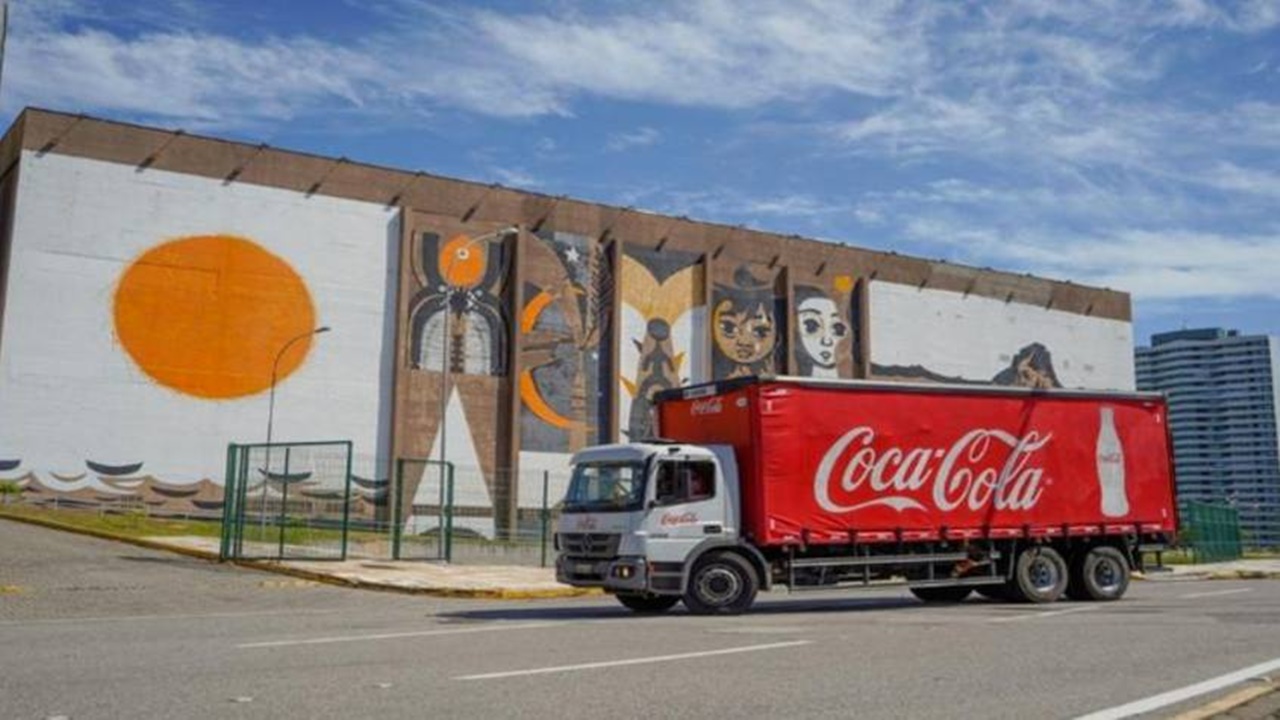
In total, seven distributors from four states in the Northeast, from Solar Coca-Cola — the largest bottler in the world, will consume energy from renewable sources
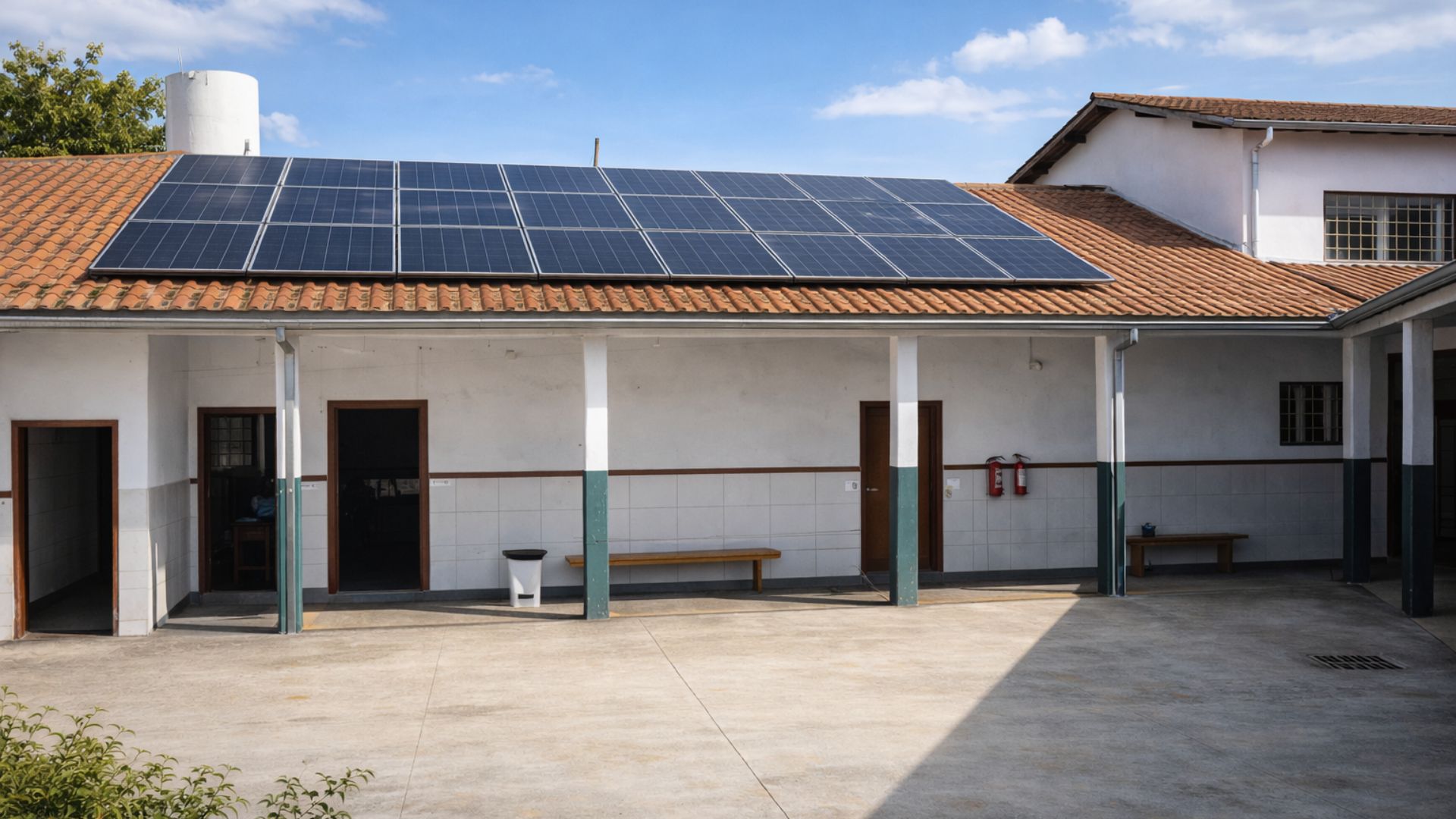
Solar Coca-Cola, the second-largest bottler in the Coca-Cola System in Brazil, and its Authorized Distributors (DAs) began, this October, the operation of the first two solar plants at distributors in the cities of Barra do Corda (MA) and Palmares (PE). In addition to these, five more plants are under construction in the states of Bahia, Ceará, and Maranhão (which will have two units).
Read Also
- Endesa and Urbaser Will Build the First Recycling Plant for Electric Vehicle Batteries, Processing 8,000 Tons Per Year
- Vivo Offers 800 Remote Home Office Job Openings for Attendant; Candidates from All Over Brazil Can Apply!
- Translucent Concrete Printed in 3D Is 80% Cheaper Than Traditional Concrete and Promises to Revolutionize Construction Worldwide
- Three Giant Wind Turbine Blades, 61 Meters Long and Weighing 126 Tons, Fell Off the Ship During Scheduled Maintenance
In total, more than 700 panels of 370W and 450W will be used to generate clean energy for the seven units located in the cities of Barra do Corda (MA), Barreiras (BA), Cascavel (CE), Iguatu (CE), Maracanaú (CE), Palmares (PE), and Tutóia (MA). Altogether, the plants will have an installed capacity of over 361 kWp (kilowatt peak), enough for self-supply.
Solar Coca-Cola Has Invested in Initiatives That Enable a More Diverse and Sustainable Energy Matrix
“Over the past few years, Solar Coca-Cola has invested in initiatives that enable a more diverse and sustainable energy matrix for the company as a whole. The action taken with the DAs is another important step we are taking towards the implementation of this planning that is extending to our entire production and distribution chain,” explains Orlando Fiorenzano, Director of Integrated Planning and Supply at Solar Coca-Cola.
-
With 160,000 m² of collectors, an area larger than 20 football fields, Silkeborg, in Denmark, hosts a solar thermal plant that heats 19,500 homes and could become the largest solar heating plant in the world.

-
A study reveals the expansion of renewable energy procurement in Brazil and shows how companies are taking advantage of opportunities to reduce expenses, ensure energy efficiency, and strengthen strategic environmental commitments.

-
Roraima bets on the sun to escape high tariffs: Amid the energy crisis and price hikes, solar energy is growing in Roraima and transforming consumption in the North region.
-
Mato Grosso do Sul excels in the sugar-energy sector: the state reaches a milestone of 22 operating mills and accelerates the production of clean energy in MS with a focus on sustainability.


The completion of the installations of the other five projects is expected in the first quarter of 2022. Together, the seven units will generate savings of over R$ 250,000 in energy per year for the distributors, along with an annual reduction of 36 tons of CO², equivalent to 252 trees.
“The idea arose from the desire to support the members of our chain in acquiring infrastructure for the use of renewable and sustainable sources in their operations. To achieve this, we organized a sort of purchasing club, where we connected the DAs with the supplier company to acquire a package of services at a more competitive market value,” says Luciano Gomes, Commercial Director of Solar Coca-Cola. Currently, Solar has 63 DAs in nine states.
Sustainable Energy Sources
In addition to projects carried out in partnership with distributors, Solar Coca-Cola also develops other actions at its corporate and manufacturing units. In 2021, the company already reached the mark of 50% of its consumption originated from renewable sources.
With a diversified energy matrix, which includes sources such as solar and wind, Solar has already stopped emitting over 2,600 tons of CO2 just last year. This year, the company is still building two more solar plants in the states of Bahia and Mato Grosso, which will meet the energy needs of 10 Distribution Centers. Altogether, the two plants will have an installed capacity of 450 kWp.
In Solar’s factories, part of the energy consumed originates from the Brennand wind farm in Sento Sé, in the interior of Bahia. This initiative is the result of a partnership established between the company and the Brennand group (PE) and aims to achieve 100% of the units supplied with energy from renewable sources by 2025.







Seja o primeiro a reagir!