






 Portuguese
  Spanish


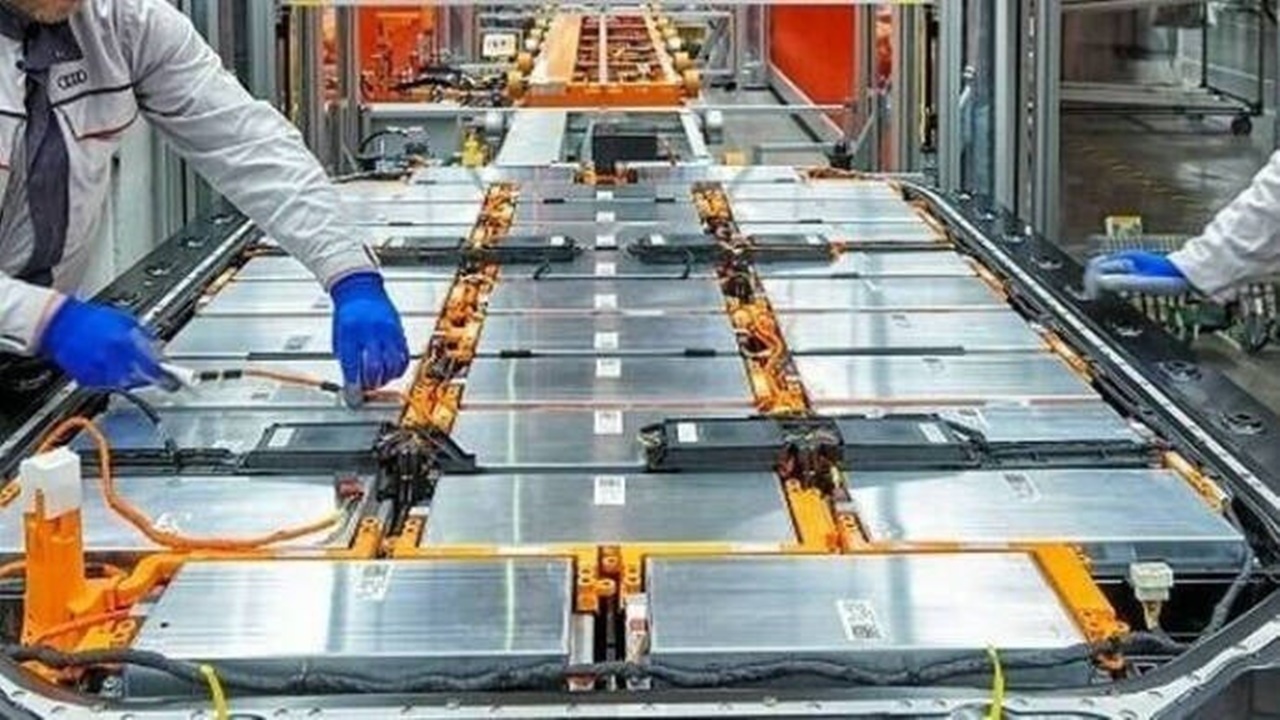

León Will Receive The First Battery Recycling Plant For Electric Vehicles In The Iberian Peninsula. The Plant Will Be Operational By The End Of 2023 And Is Expected To Create About 50 New Jobs
The first battery recycling plant for electric vehicles in the Iberian Peninsula will be installed in Cubillos del Sil (León) and will start operating at the end of 2023, as a result of an initiative by Endesa, in partnership with Urbaser. The plant, which had an investment of 13 million euros, is part of Endesa’s Futur-e Plan, through which the utility will support the closure of the operation of the Cubillos del Sil thermal power plant (León), currently being dismantled.
See Also
- Brazilian multinational CBMM has just bought 20% of Battery Streak – which develops lithium batteries using niobium oxide, and announced R$ 7 billion in investments with graphene oxides
- Getúlio Vargas Foundation – FGV offers 138 completely free online courses with certificates in the fields of Planning, Technology, Law, Marketing, and much more
- China Creates Rare Earth Giant And Firmly Controls Mining, Potentially Using It As Leverage To Pressure The USA And Japan, Currently Their Largest Buyers
- Three Giant Wind Turbine Blades, 61 Meters Long And Weighing 126 Tons, Fell From The Ship While Undergoing Scheduled Maintenance
The new battery recycling plant is one of seven projects recently approved by the Spanish Ministry of Ecological Transition, the Regional Government of Castilla y León, the municipalities of Ponferrada and Cubillos del Sil, the University of León, and Endesa.
Battery Recycling Plant For Electric Vehicles Will Be Operational By The End Of 2023 And Is Expected To Generate About 50 New Jobs
As reported on Monday by both companies, the facility will have a capacity to process 8,000 tons per year and is expected to create 50 new direct jobs, “in addition to many indirect jobs yet to be quantified.”
-
1983 Chevrolet Runs Over 100,000 km Without Gasoline, Powered by Wood Chips, Reaches 125 km/h in Airport Test

-
Workshop Converts Giant Tractor Tire Tricycle into a Three-Wheel Drive Hybrid with 36,000-Watt Electric Motor Capable of Climbing Hills

-
Chery Offers Lifetime Battery Warranty and Car Replacement for Major Failures Under New Chinese Regulations
-
Sales of Brazil’s Cheapest Electric Car Halted Before First Deliveries: E-Motors Suspends Emova Easy Due to Import Tax Increase and Rising Freight Costs





The goal is for the factory to be operational by the end of 2023. However, logistical actions are planned to be carried out in advance, so that the collection, transportation, and storage of batteries are expedited to ensure “the necessary volume that, in due time, allows the plant to start at full capacity.”
The new plant, “the first battery recycling plant for electric vehicles in the Iberian Peninsula,” is part of Endesa’s Futur-e Plan, recently approved by the Ministry of Ecological Transition and the Junta de Castilla y León, through which the energy company will mitigate the end of the operation of the Cubillos thermal power plant, currently in the dismantling process.
Urbaser will participate in this initiative through Sertego, its industrial waste subsidiary that will be responsible for managing the twenty collection facilities, from which the electric vehicle batteries to be processed at the Cubillos del Sil plant will be supplied. It will also oversee its operation and maintenance.
In the case of Endesa, in addition to leading the project’s development, it will contribute its management capacity and knowledge of electric mobility, aiming to help relaunch the El Bierzo region in a commitment to the circular economy.








