





 Portuguese
  English
  Spanish
 3 min of reading
  0 comments


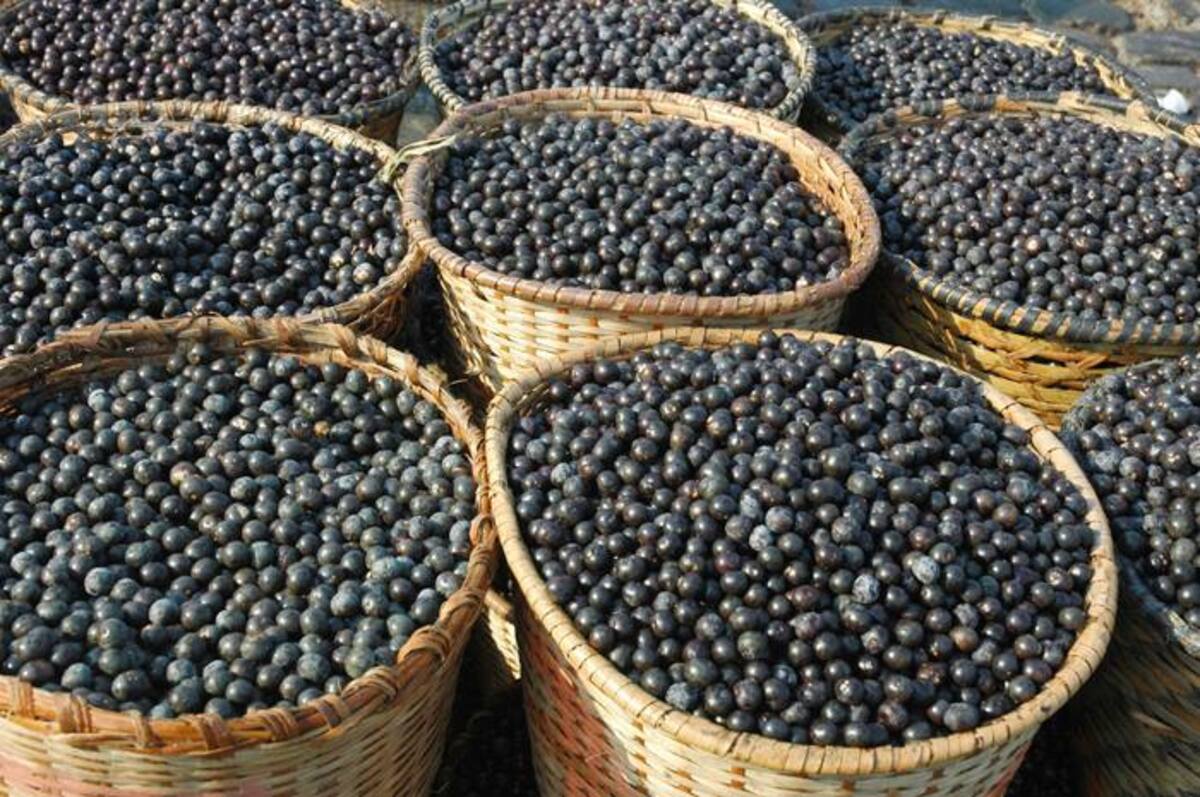
Solar Coca-Cola Transforms Açaí Seeds into Sustainable Biomass in Pará, Reducing Production Costs and Promoting Environmental Innovation in the Industrial Sector
The açaí, a typical fruit of the Amazon, has conquered the world in recent decades. Rich in nutritional properties and with a distinct flavor, it has become an ingredient in ice creams, juices, and typical Brazilian dishes. According to the Brazilian Agricultural Research Corporation (Embrapa), açaí consumption grows 15% per year and generates over R$ 40 million in revenue for the country.
Pará Leads National Production
The state of Pará is primarily responsible for this success. According to the Amazon Foundation for Studies and Research (Fapespa), 90.4% of national açaí production comes from the region, which produced 1.7 million tons in 2022.
This growth stimulates the local economy, enhances the Amazon in international trade, and generates income for small and medium producers.
-
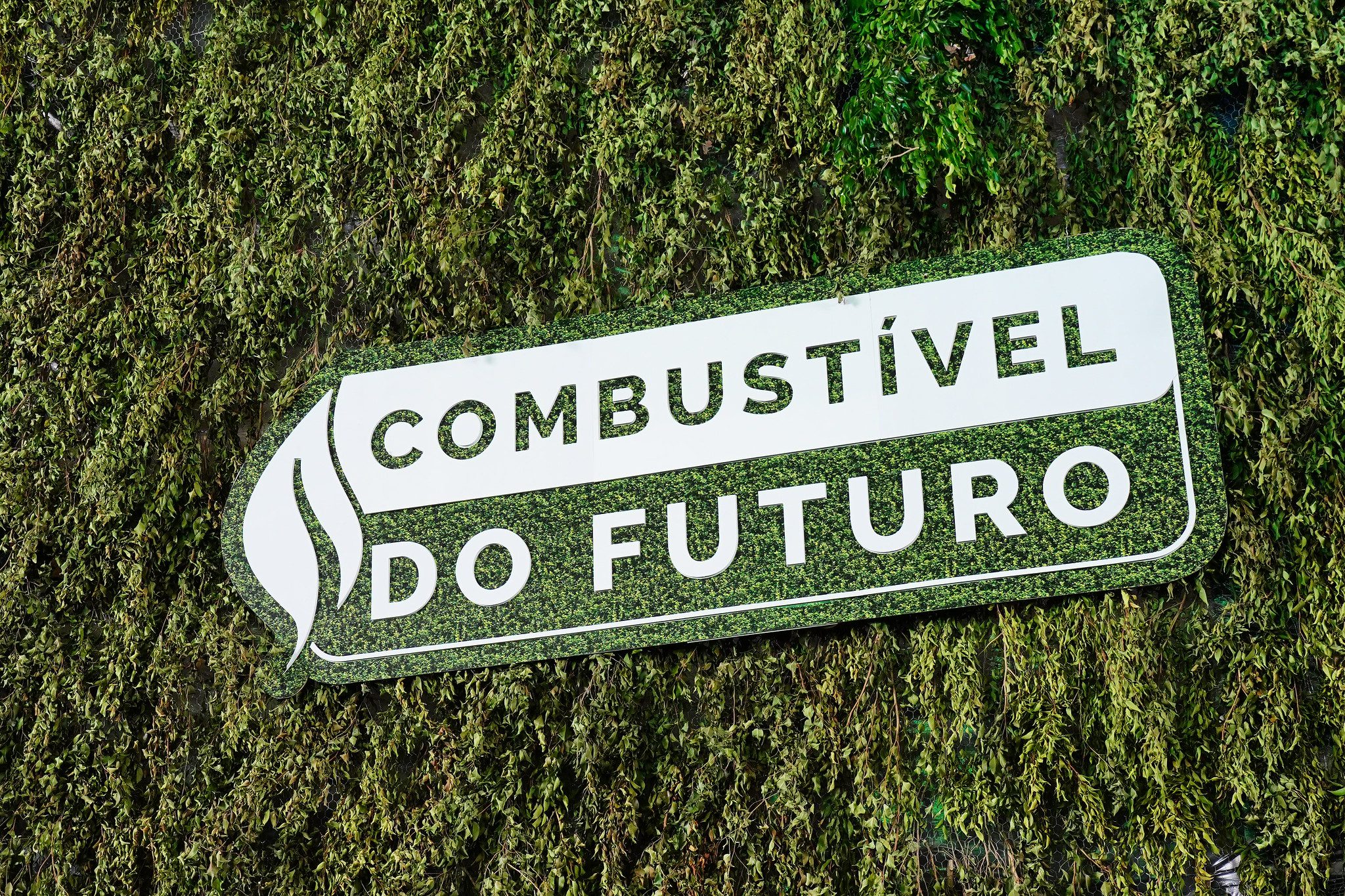
Brazil accelerates hydrogen and biofuel projects to consolidate the fuel of the future and reduce dependence on oil by 2026.
-
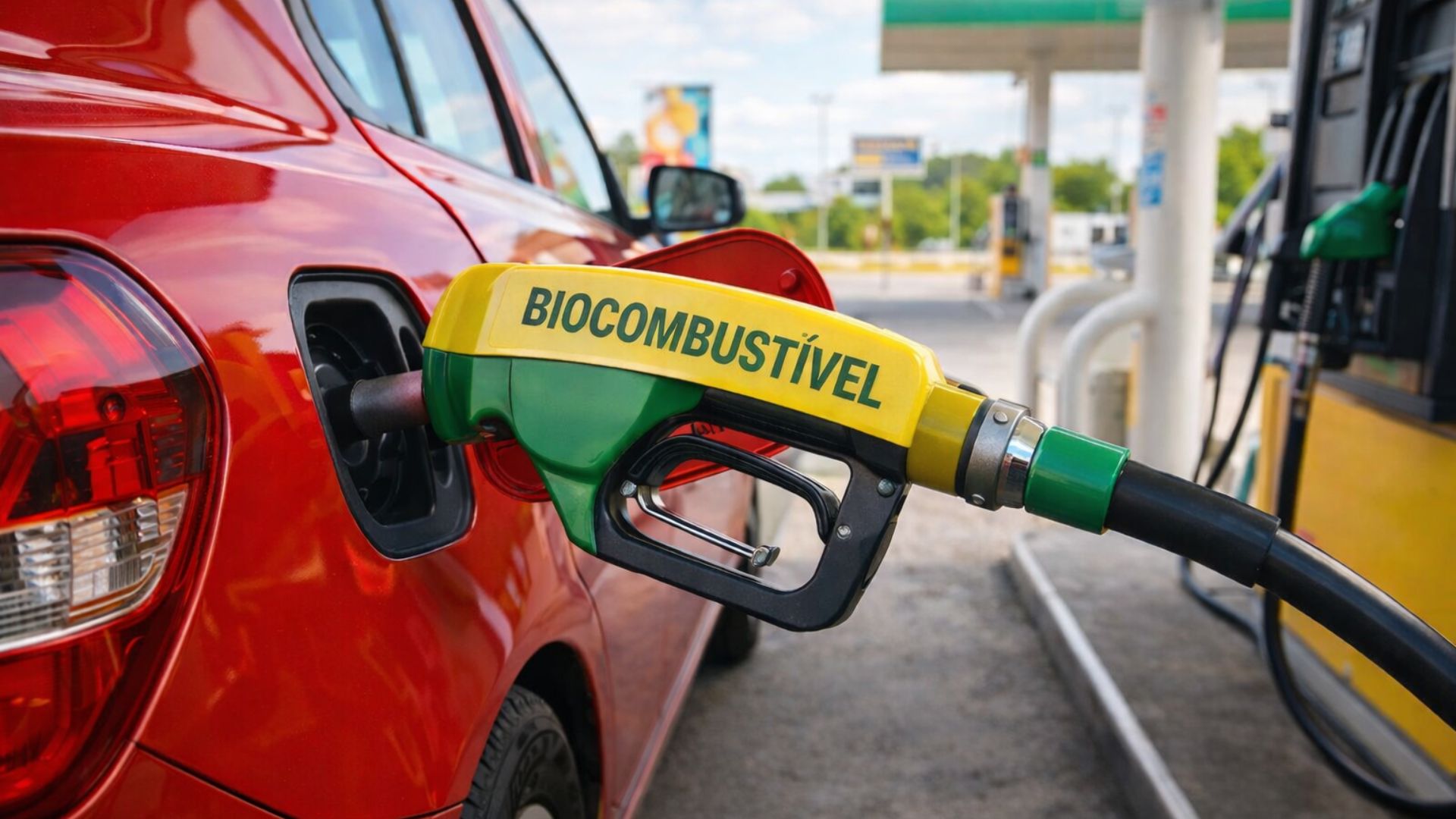
CNPE strengthens policy and prevents imported biodiesel from being mixed with diesel, aiming to strengthen the Brazilian industry and protect jobs by reducing external dependence amid tensions in the global market.
-
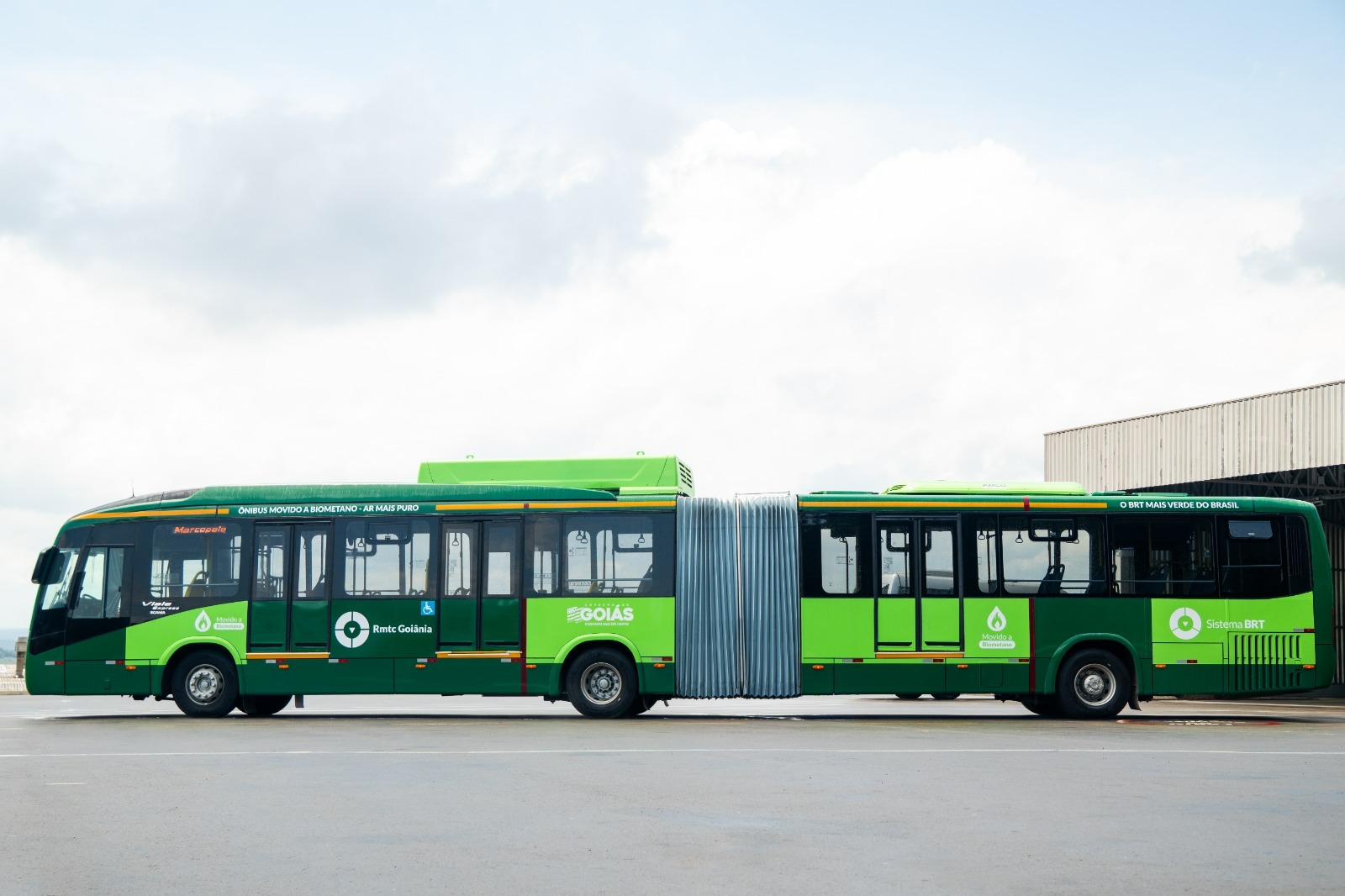
Revolution in public transport: Goiânia puts into circulation the first articulated buses powered by biomethane in Brazil and promises to drastically reduce pollution on the Anhanguera Corridor.
-
From the field to the pipelines: Mato Grosso do Sul accelerates the energy transition and consolidates a new axis in renewable energy with the arrival of a giant biogas plant.
However, the increase in production has also brought an environmental challenge: the improper disposal of açaí seeds. This waste, if not treated correctly, can cause problems for the environment.
Sustainable Initiative by Solar Coca-Cola
With this issue in mind, Solar Coca-Cola, responsible for manufacturing and distributing the brand in the North, Northeast, Mato Grosso, Goiás, and Tocantins, created an innovative solution.
Since 2020, the company has been transforming discarded seeds in the metropolitan region of Belém into biomass to fuel the boilers of its two plants in Pará.
Challenges in Project Implementation
The idea arose when Luene Rossi, Integrated Management System (SGI) coordinator at Solar, was seeking more sustainable and economical alternatives to wood for heating the boilers.
“From the conception of the idea to the consolidated results, it took four years. Our challenges included changing the matrix without stopping production, the Covid-19 pandemic, finding the appropriate condition of the açaí seed, and developing partnerships,” Luene explained.
Results and Environmental Impact
Since implementation, Solar Coca-Cola has transformed 10,000 tons of açaí seeds into biomass. Only in 2024, there were 2,000 tons.
While it does not disclose the total savings, the company claims there has been an average annual reduction of 49% in production costs compared to the use of natural gas.
The logistics of collecting the seeds in Belém involves partnerships with local associations of açaí producers. After collection, the seeds are sun-dried before being sent to the boilers.
“They are left out in the sun to dry and then go straight to the boiler,” said Luciano Gomes, director of the northern region of Solar Coca-Cola.
Full Utilization of Waste
The project also provides a final destination for the ashes generated from burning the seeds. Part is used in composting, and another part is sent to a partner cement industry. “The açaí seed ends up having a complete life cycle,” highlighted the director.
With information from Um Só Planeta.








Seja o primeiro a reagir!