





 Portuguese
  English
  Spanish
  5 min of reading
  0 comments


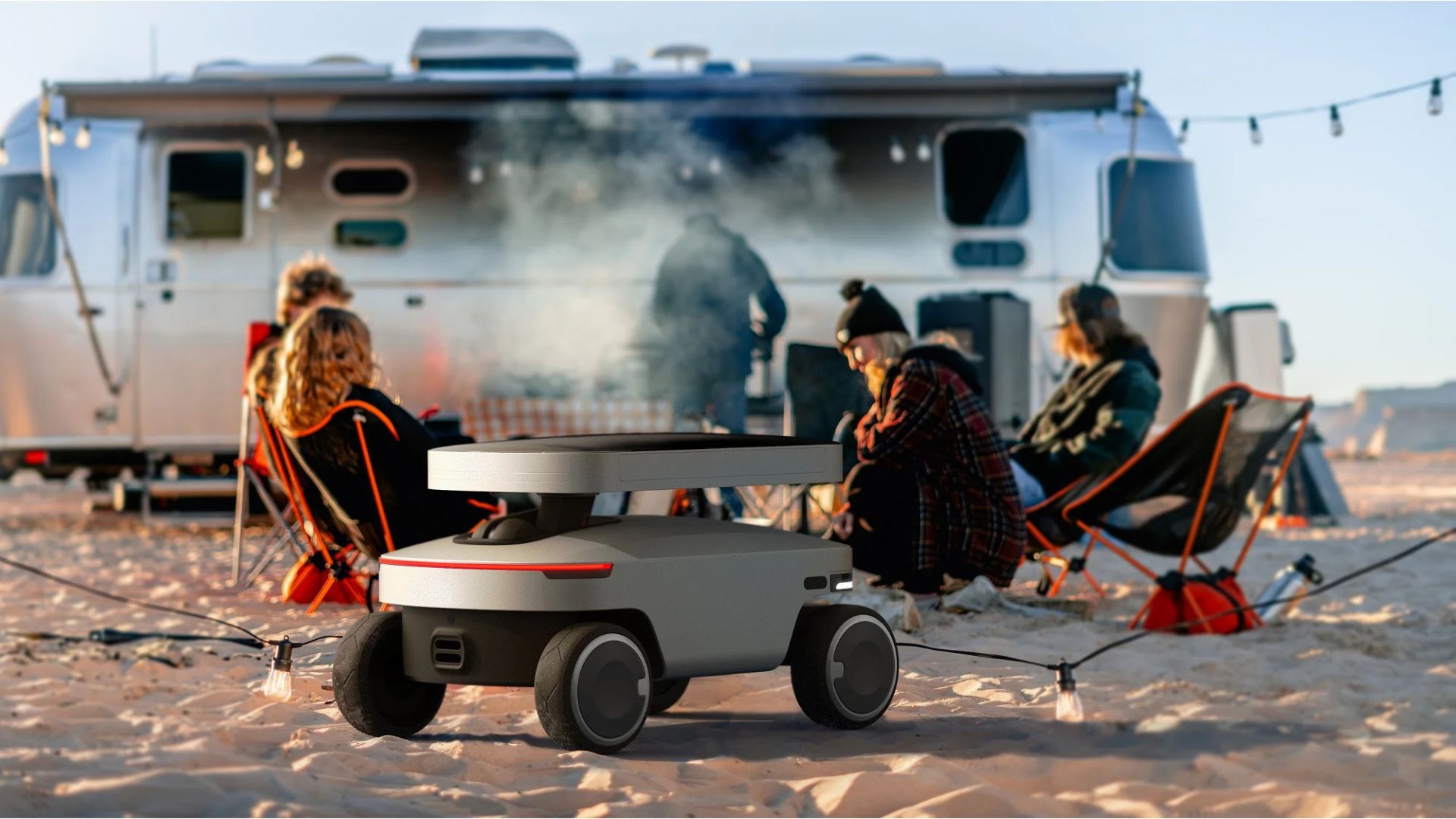
Presented By Jackery At CES 2026, The Solar Mars Bot Combines Autonomous Robotics And Solar Energy To Charge Electronics, Follow Users And Operate As A Sustainable Mobile Station
In January 2026, during CES 2026, the largest technology fair in the world held annually in Las Vegas, Jackery presented an innovation that unites robotics, artificial intelligence, and clean energy. It is the Solar Mars Bot, a robot powered by solar energy capable of moving autonomously and acting as an intelligent portable energy station.
According to a report published by CanalTech on Wednesday (7), the Solar Mars Bot was designed to seek sunlight independently, generate electricity, and redistribute it according to the user’s needs, functioning as a true energy butler. The proposal caught attention for presenting a practical solution for outdoor environments, residences, and off-grid situations, without relying on fixed electrical infrastructure.
What Is The Solar Mars Bot Presented At CES 2026?
The Solar Mars Bot is an autonomous solar robot designed to operate as a mobile energy station. Unlike conventional solar panels or static power stations, the equipment moves on its own in search of optimal lighting conditions throughout the day.
-
Seagri’s headquarters invests in solar energy with Neoenergia Coelba and promises to cut electricity costs, highlighting a strategic advance in sustainability and energy efficiency within state public administration.

-
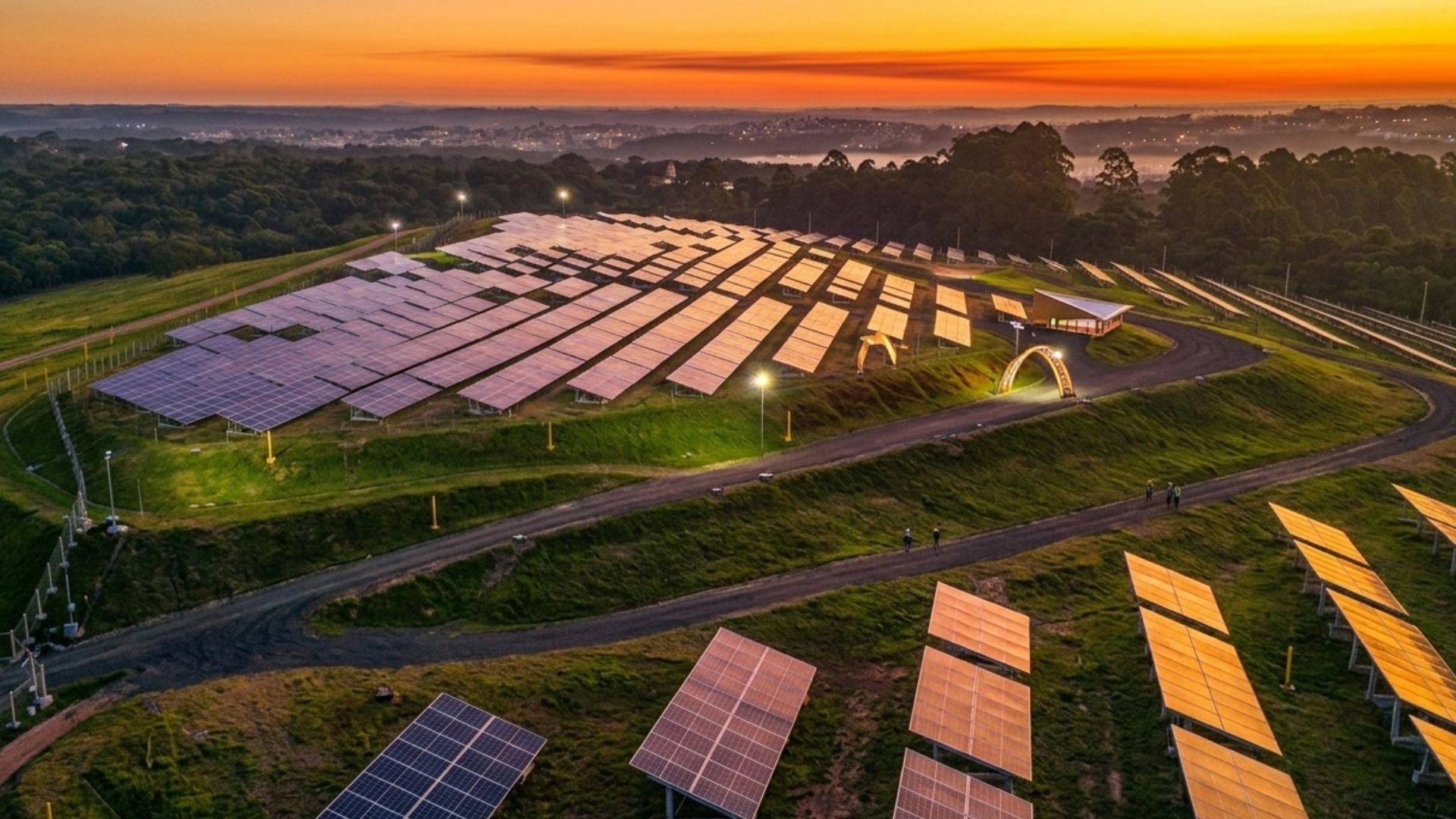
Solar Pyramid draws attention by converting solar energy into million-dollar savings and repositioning the City Hall of Curitiba as an example of innovation, sustainability, and intelligent use of public resources.
-
Europe records strong euro economy with solar energy in March and sparks curiosity about which country leads growth that redefines the energy market and reduces costs.

-
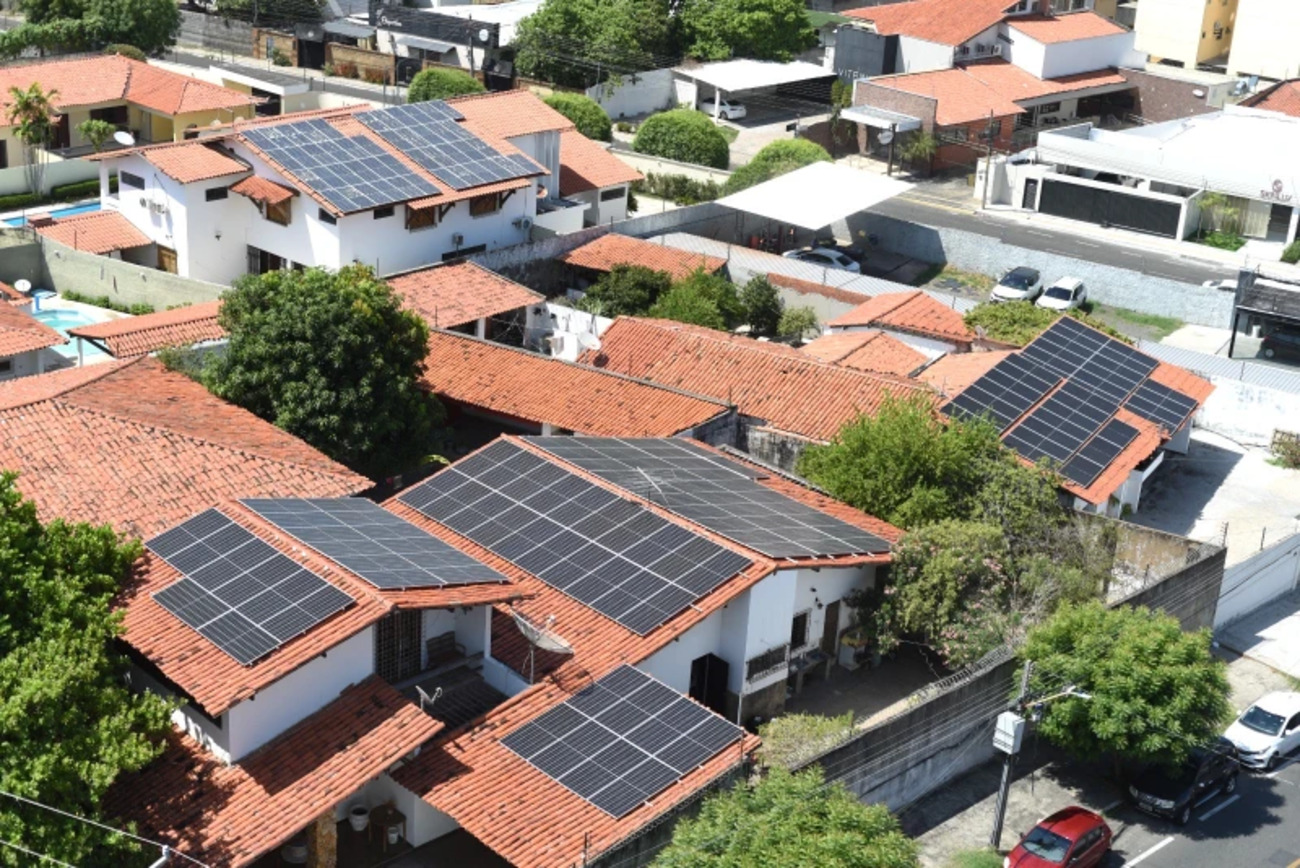
Piauí reaches a historic milestone in energy transition: State records nearly 160,000 households powered by solar energy and leads growth in the Northeast.

Officially presented during CES 2026, the robot was conceived for outdoor environments such as backyards, open areas, camping sites, and locations far from the traditional power grid.
Its main function is to capture solar energy, store it, and supply it directly to electronic devices, following the user as they move. Jackery emphasized that the project represents a new product category, combining intelligent mobility with clean energy generation.
How Does The Solar Powered Robot From Jackery Work?
The operation of the solar-powered robot is based on advanced systems of autonomous navigation and artificial intelligence. The Solar Mars Bot utilizes visual sensors and environmental recognition algorithms to identify areas with greater sunlight exposure.
Based on this analysis, the robot automatically adjusts its route, demonstrating the ability to navigate autonomously in outdoor environments and repositioning itself according to variations in light throughout the day. There is no need for constant human intervention, reinforcing its operational autonomy.
This behavior allows the equipment to maximize solar energy capture without requiring manual adjustments, an important differentiator compared to traditional solutions.
Expandable Solar Panels And Clean Energy Generation
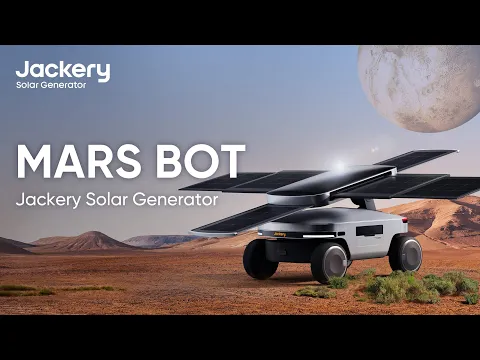
One of the highlights of the Solar Mars Bot is its expandable solar panels, which can provide up to 600W of solar energy when fully deployed, according to information released by Jackery during CES 2026.
These panels adjust automatically as the robot positions itself in more illuminated areas. The capacity for expansion allows for greater energy efficiency, especially in outdoor environments where light levels vary throughout the day. The clean energy generated is stored in an internal battery, which can later be used to power various electronic devices.
Solar Mars Bot As An Intelligent Portable Energy Station
Besides capturing energy, the Solar Mars Bot stands out for its ability to redistribute it practically. The robot features several output ports, transforming it into a mobile portable energy station.
Through these connections, it is possible to charge cell phones, laptops, power tools, and outdoor entertainment equipment. The robot follows the user as they move, ensuring continuous access to electricity. This functionality reinforces the personal butler concept presented by Jackery, where technology adapts to the user’s routine, not the other way around.
Remote Monitoring And Connectivity Via App
The Solar Mars Bot also incorporates connectivity features that enhance its usability. Jackery informed that the robot can be monitored through a dedicated mobile app. The platform allows users to view battery levels, track the robot’s position in real-time, and make basic operational adjustments.
Communication occurs via 4G or 5G networks, which extends the reach of control even in broader outdoor areas. This system ensures greater security and predictability in the use of the equipment, especially in off-grid environments.
Automatic Return To Base And Operational Autonomy
Another relevant feature of the solar-powered robot is its ability to manage its own energy. When the battery level reaches a low threshold, the Solar Mars Bot automatically returns to the charging base.
At this point, the robot can recharge its battery using the solar panels before resuming its activities. This automated cycle reduces the risk of unexpected interruptions and ensures greater operational continuity. The full automation of the energy process is one of the factors that garnered significant attention during the presentation at CES 2026.
Domestic Applications And Off-Grid Use Of The Solar Mars Bot
According to Jackery, the Solar Mars Bot was designed to meet different user profiles. In domestic environments, it can act as a practical solution for outdoor areas, reducing reliance on electrical extensions and fixed outlets.
In off-grid situations, such as camping or outdoor events, the robot offers a clean, silent, and mobile energy source, capable of following the user across space. This versatility expands the potential adoption of the equipment, especially in a scenario of increasing demand for sustainable solutions.
Jackery Invests In Mobile Solar Robots At CES 2026
The presentation of the Solar Mars Bot reinforces Jackery’s strategy to expand its operations beyond traditional portable energy stations. By integrating robotics and solar energy, the company signals a new phase of innovation in the sector.
During CES 2026, the brand highlighted that the project is still in the technological demonstration phase but already represents a concrete advance in energy automation. The initiative also aligns with global trends of sustainability, autonomy, and intelligent use of renewable resources.
Price And Availability Still Not Confirmed
Despite the significant buzz, Jackery has yet to release official information regarding pricing, launch dates, or markets where the Solar Mars Bot will be sold.
The company only stated that the robot presented at CES 2026 demonstrates the potential of the technology without confirming commercial timelines. Nevertheless, the impact of the announcement was significant, especially among energy and technology specialists.

What The Solar Mars Bot Reveals About The Future Of Portable Energy?
The Solar Mars Bot, presented by Jackery at CES 2026, highlights a significant shift in how portable energy can be utilized. By uniting autonomous mobility, artificial intelligence, and solar energy, the project points to a future where electricity actively accompanies the user.
Even without defined commercial details, the concept already demonstrates how sustainable solutions can become smarter, more practical, and integrated into daily life. The robot not only generates energy but also decides where to capture it, redistributing it according to needs.
This approach positions the Solar Mars Bot as a conceptual milestone in the advancement of portable clean energy, reinforcing the role of technological innovation in constructing more efficient and sustainable solutions for the coming years.









Seja o primeiro a reagir!