





 Portuguese
  English
  Spanish
  5 min of reading
  0 comments


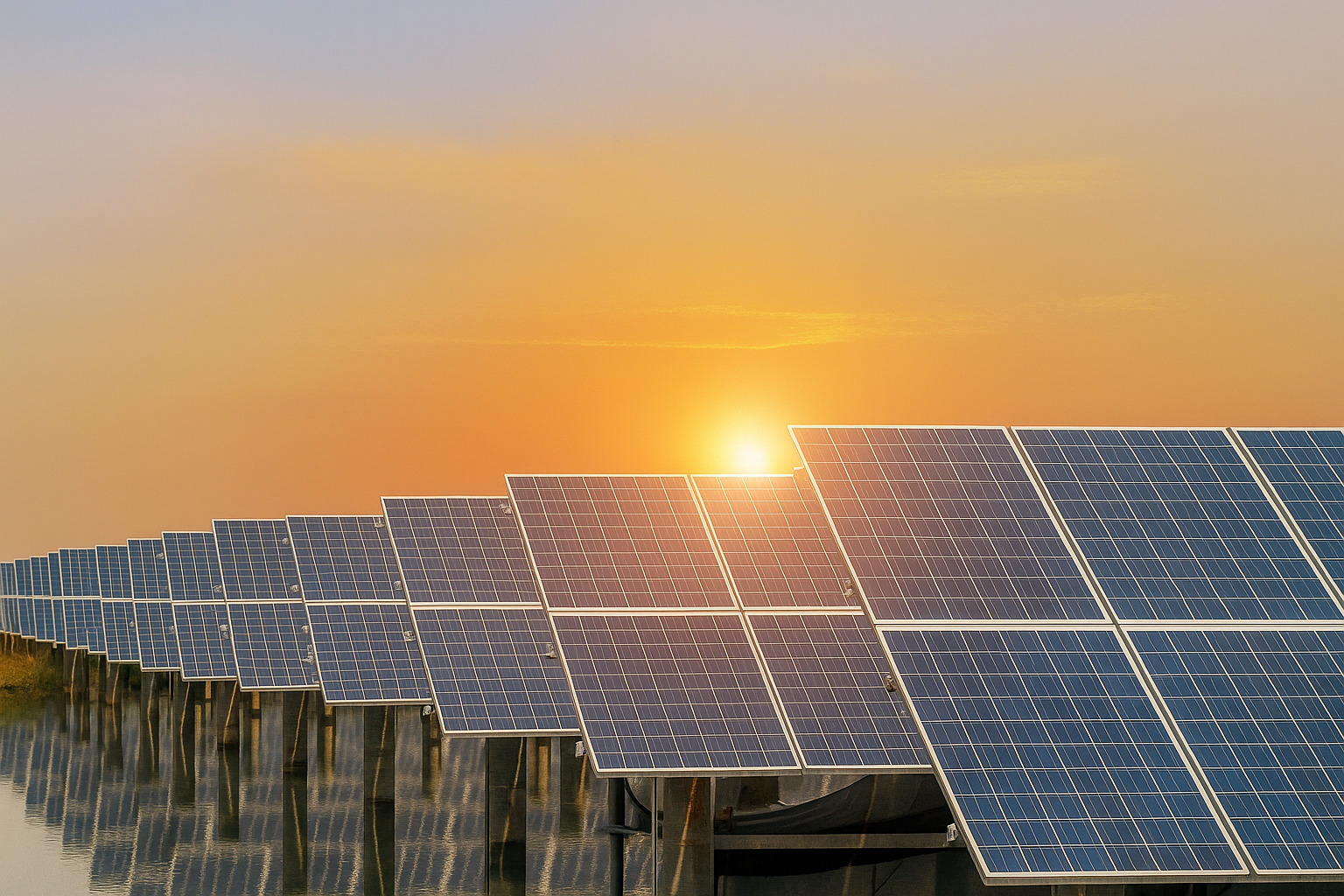
Partnership Expands Access to Solar Energy in Brazil with Technology, Technical Support, and Affordable Prices for Integrators and Consumers Nationwide
The use of solar energy in Brazil has grown significantly over the past decades. Therefore, the country has come to occupy a prominent position among nations seeking sustainable solutions for generating electricity.
Moreover, the global trend towards clean sources has been driving the adoption of this technology.
Thus, companies that prioritize innovation and energy democratization play a central role in this advancement.
-
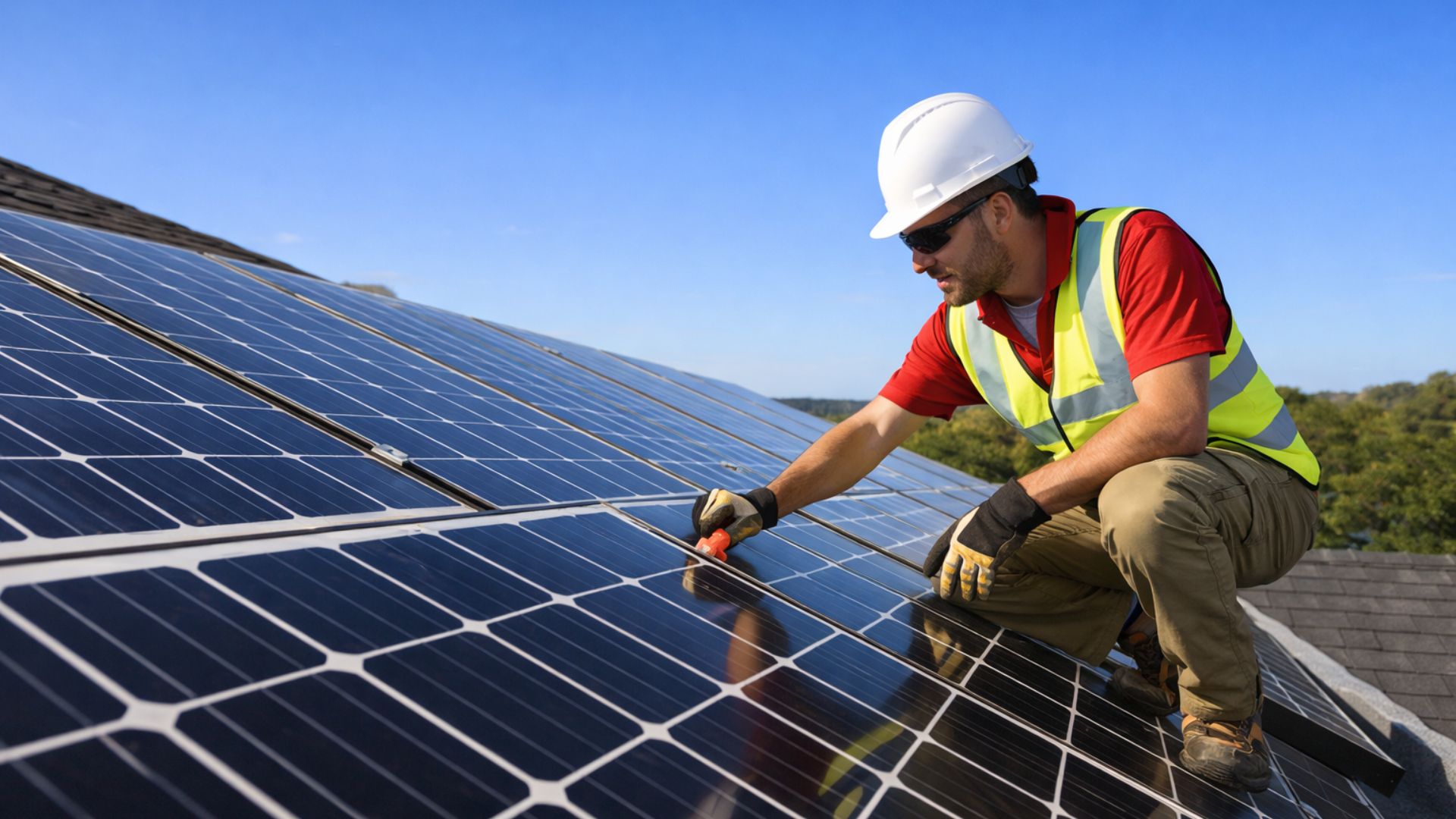
Seagri’s headquarters invests in solar energy with Neoenergia Coelba and promises to cut electricity costs, highlighting a strategic advance in sustainability and energy efficiency within state public administration.
-
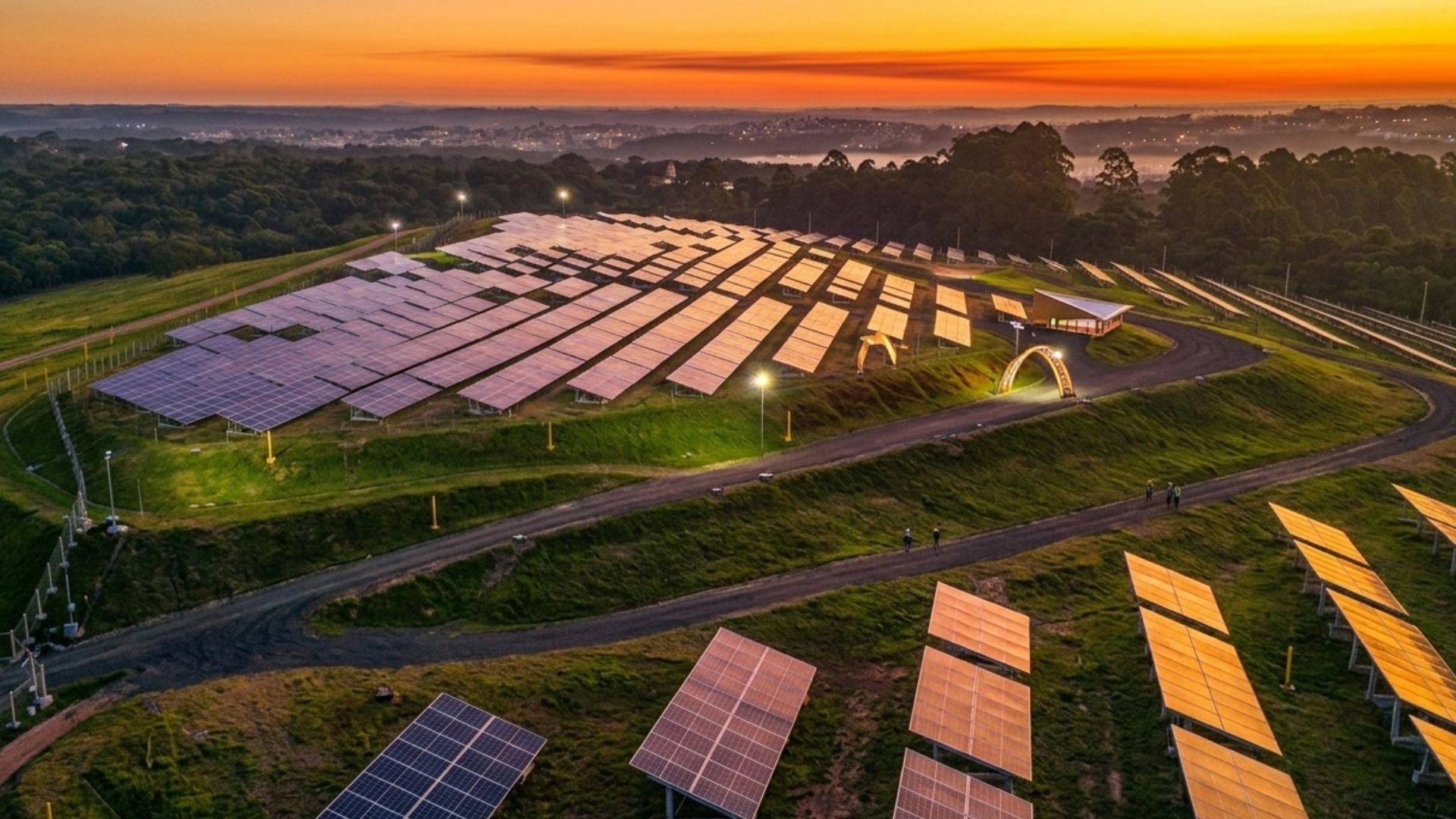
Solar Pyramid draws attention by converting solar energy into million-dollar savings and repositioning the City Hall of Curitiba as an example of innovation, sustainability, and intelligent use of public resources.
-
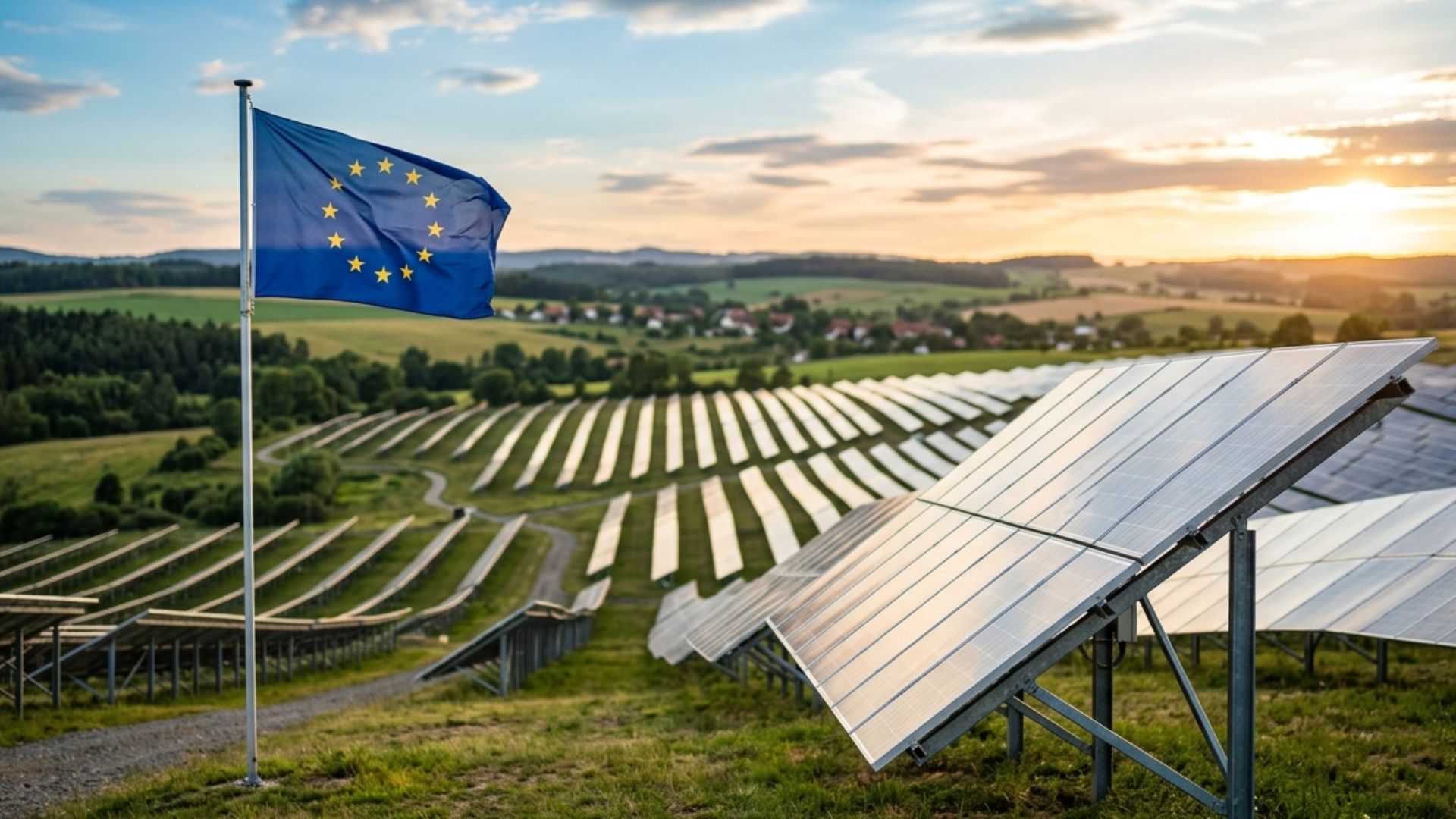
Europe records strong euro economy with solar energy in March and sparks curiosity about which country leads growth that redefines the energy market and reduces costs.
-
Piauí reaches a historic milestone in energy transition: State records nearly 160,000 households powered by solar energy and leads growth in the Northeast.
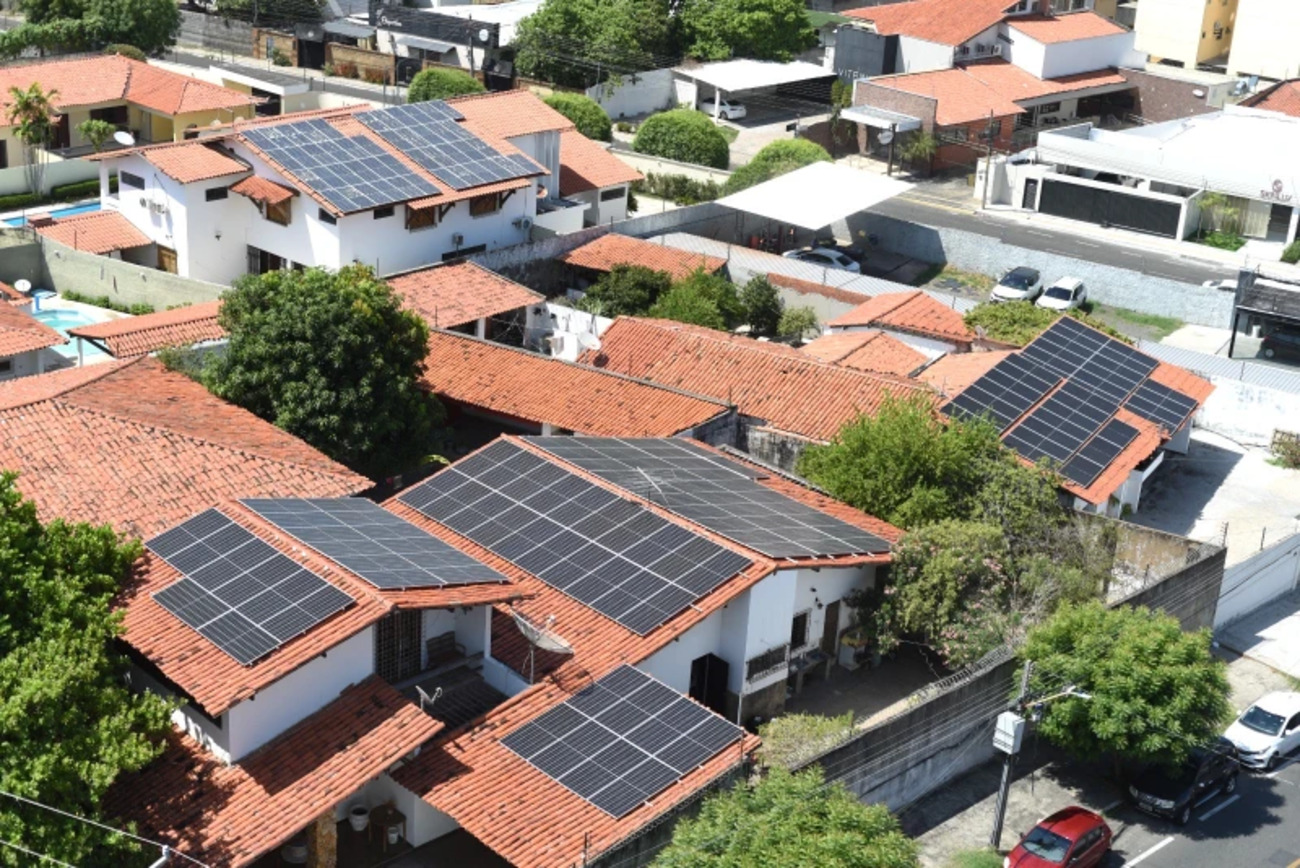
In this context, the partnership between Solfácil and Sofar Solar emerges as an important milestone.
While the former stands out as one of the largest solar ecosystems in Latin America, the latter has established itself as a global manufacturer of inverters and photovoltaic solutions.
Therefore, the union between both promises to accelerate access to solar energy in Brazil, promoting energy inclusion and technological development.
From Rural Origin to Urban Solar Revolution
The trajectory of solar energy in the country began with a focus on remote areas, mainly in the North and Northeast. At the time, government projects installed systems in schools, health posts, and isolated communities. However, high costs and limited technology restricted the use of solar energy to isolated applications.
Over time, technological evolution and increased global production led to a significant drop in the prices of panels and inverters. As a result, solar energy is no longer exclusive to rural areas and has begun to integrate into urban daily life.
Today, Brazil enjoys one of the highest solar incidences in the world, which further favors this expansion. Currently, with greater environmental awareness and public incentives, the sector is advancing rapidly.
For this reason, solar energy has become a concrete alternative for those seeking to reduce costs and adopt sustainable practices.
Regulation, Distributed Generation, and Market Growth
Since 2012, the regulation of distributed generation by ANEEL has transformed the national energy scenario. Since then, consumers have begun generating their own energy and sharing the surplus with the power grid, receiving credits on their electricity bills.
Thus, the model of “prosumer” emerged, balancing energy production and consumption at the same point. As a consequence, thousands of solar integrators have sprung up all over the country.
These professionals began installing systems in homes, businesses, and rural properties. At the same time, digital platforms and integrated solutions facilitated access to financing, equipment, and technical support.
In this scenario, Solfácil stood out by offering complete and affordable solutions. Therefore, the company has made a direct contribution to consolidating the sector and expanding the reach of solar energy throughout the country.
The Partnership with Sofar and the Transformation of the Sector
With the goal of further strengthening this ecosystem, Solfácil partnered with Sofar Solar during the SNEC fair in China.
From this agreement, Brazilian integrators began to have access to modern, efficient inverters with technical support in the country.
Inverters are essential components in solar systems, responsible for converting the energy captured by the panels into usable electricity.
Therefore, having high-quality equipment ensures safety and durability for installations.
The partnership also guarantees more competitive prices, attractive commercial conditions, and local technical support.
Thus, the initiative removes logistical barriers and expands the capacity of integrators to serve new clients.
Regional Expansion and Social Impact
Although Sofar Solar has been operating in Brazil since 2017, its presence was stronger in the South and Southeast regions.
Now, with Solfácil’s logistical structure, the brand is preparing to significantly expand its operations in the North and Northeast.
These regions face historical challenges in energy infrastructure, such as unstable supply and high electricity costs.
Therefore, access to solar energy represents a concrete opportunity for inclusion and development.
By facilitating the arrival of modern equipment, the partnership between Solfácil and Sofar promotes energy autonomy for entire communities.
Additionally, this expansion stimulates the local economy and generates jobs.
As a consequence, regional integrators gain more opportunities, and local consumers find efficient solutions to reduce their energy expenses.
Energy Transition as a National Priority
Considering the climate challenges, the energy transition occupies a central place on the Brazilian agenda.
In this process, solar energy emerges as one of the main pathways to reduce dependence on fossil sources.
Although Brazil already has a relatively clean electric matrix, there is still room for growth in distributed generation.
Partnerships like Solfácil’s with Sofar drive this advancement by combining technology and territorial reach.
By the end of 2024, Sofar had sold 4.3 GW of inverters in Brazil. With the new alliance, the company expects to significantly increase this number in 2025.
Additionally, it plans to offer hybrid systems that combine solar energy with batteries.
In this way, consumers gain more autonomy, even in regions with instability in the power grid.
Professionalization and Strengthening of the Solar Chain
To ensure quality at all stages, Solfácil invests in the technical training of integrators. Training programs, certifications, and post-sale support strengthen the entire production chain.
At the same time, consumers benefit from reliable products, local technical support, and easier access to credit.
The professionalization of the sector results in greater safety, less rework, and more trust from customers.
Furthermore, repair centers and the national distribution network make servicing faster and more efficient. As a result, technical support becomes accessible even in previously underserved regions.
An Accessible, Clean, and Sustainable Future
Currently, solar energy represents one of the most effective solutions to tackle sustainability challenges. In addition to reducing emissions of polluting gases, it allows savings on electricity bills for families and businesses.
Partnerships like Solfácil’s with Sofar show that it is possible to unite innovation, social responsibility, and economic viability. For this reason, access to solar energy in Brazil has ceased to be a privilege for a few and has become part of the daily lives of millions of Brazilians.
Therefore, by investing in accessible solutions, professional training, and cutting-edge technology, these companies are paving the way for a fairer, cleaner, and more autonomous future for all.









Seja o primeiro a reagir!