





 Português
  Inglês
  Espanhol
  4 min de leitura
  0 comentários


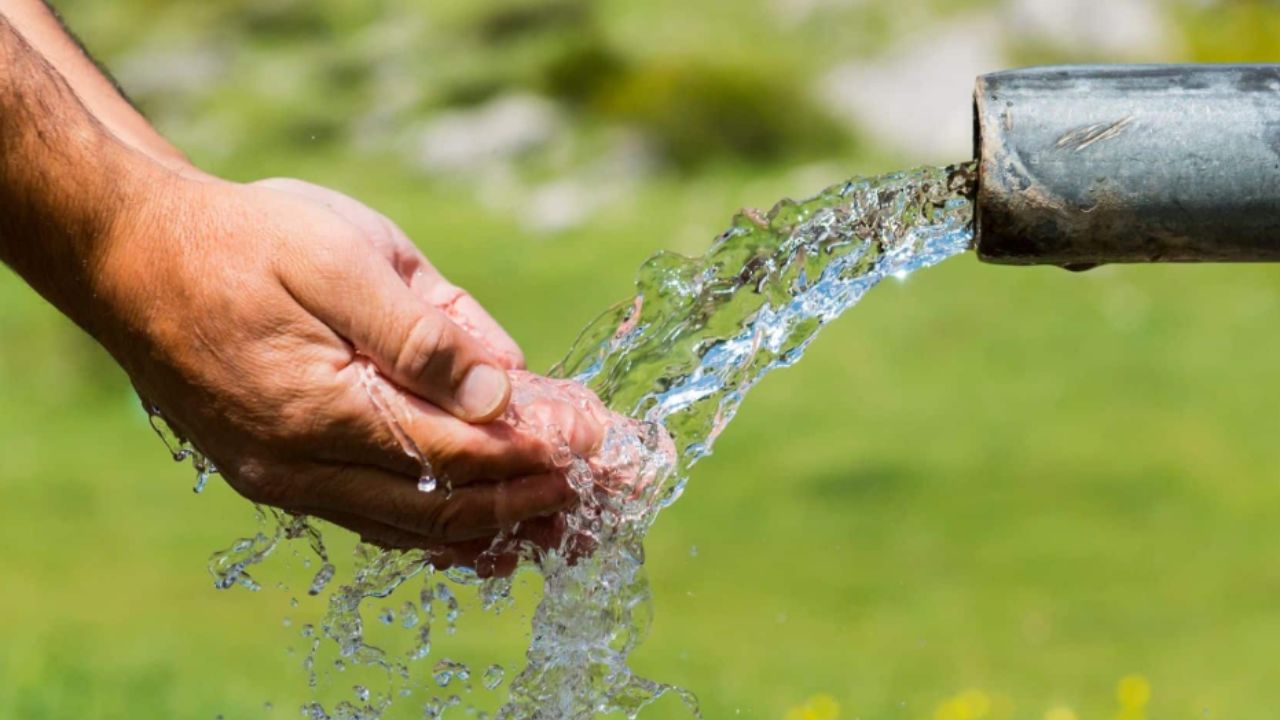
Inventors And Researchers From Brazil Create Low-Cost And High-Efficiency Technologies, Bringing Dignity To Underprivileged And Isolated Communities Through Access To Water And Sewage Treatment.
Brazil, despite its water abundance, struggles to universalize potable water and basic sanitation. Millions, especially in underprivileged and isolated communities, suffer from this scarcity. In response, local innovation flourishes, with researchers developing low-cost, efficient solutions tailored to the realities of the country.
The Paradox Of Potable Water And Basic Sanitation And The Emergence Of Local Solutions
Brazil holds vast freshwater reserves, but access to potable water and basic sanitation is unequal. In 2019, 83.7% of the population had access to potable water, but only 54.1% had sewage collection, with severe regional disparities like in the North Region (57% water, 10.5% sewage). This shortage affects public health, increasing waterborne diseases.
Conventional solutions often fail in rural or remote areas. Thus, local innovation gains momentum, with low-cost and high-efficiency solutions, often based on traditional knowledge and local materials, like the Cistern Program and Embrapa technologies.
-
The world’s first octopus farm wants to open in the Canary Islands and is already provoking an international reaction: the plan aims to produce 3,000 tons per year.

-
Drought may be creating stronger superbugs in the soil and helping antibiotic resistance reach hospitals, warns a study highlighting a problem that could grow alongside extreme weather.

-
The biggest scam in history: Napoleon’s France deceived the United States by selling them a territory that was Spanish.

-
Why is the Danakil Desert so dangerous? It has unstable terrain and how extreme temperatures and toxic gases turn the region into one of the most hostile environments on Earth.


Creativity And Local Resources Purifying Lives
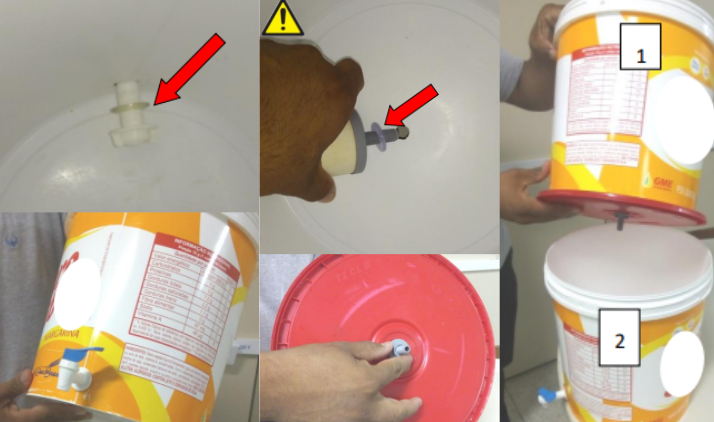
To combat water contamination, various accessible filtration technologies have been developed. UFMG, for example, designed artisanal filters made from plastic buckets and ceramic candles, easy to fabricate for rural communities. Aqualuz, created by Anna Luisa Santos, utilizes solar radiation to purify water in a stainless steel box with a sisal filter, eliminating 99.9% of bacteria and treating up to 28 liters daily.
The startup PWTech offers portable purifiers such as the PW5660, which functions as a mini-treatment station with a chlorinator and membranes, removing 100% of viruses and bacteria. Nature also contributes with Moringa oleifera seeds, a natural coagulant that removes 90% to 99% of bacteria. Ultimately, traditional Brazilian clay filters remain a low-cost, time-tested solution, trapping particles and impurities. These technologies vary in mechanisms but share a focus on low cost and simplicity, crucial factors for community acceptance regarding potable water and basic sanitation.
Innovative Rainwater Collection: Sowing Water Resilience
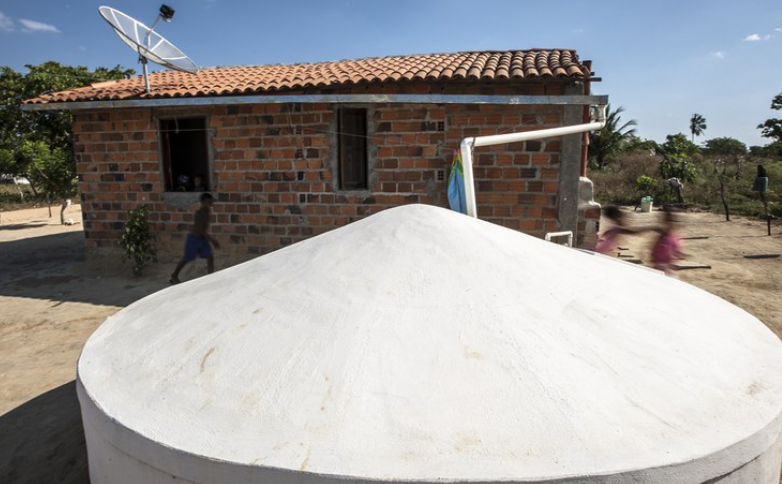
In regions like the Semi-Arid, capturing and storing rainwater is vital. The Cistern Program is the most emblematic initiative, building cement plate reservoirs for consumption (16,000L) and production (52,000L), with a vast socioeconomic impact. Embrapa complements with technologies such as Salvation Ditches (small reservoirs), In Situ Capture (soil management), Underground Dams (subsurface reservoirs with plastic tarps), and Low-Cost Mobile Catchers (R$30-R$40). In Santa Catarina, Epagri promotes the Caxambu Source Protection Model and the Hydraulic Ram. The success of these initiatives, especially the Cistern Program, combines technology with social mobilization, although the quality of stored water requires attention and treatment.
Transforming Waste Into Health And Resources
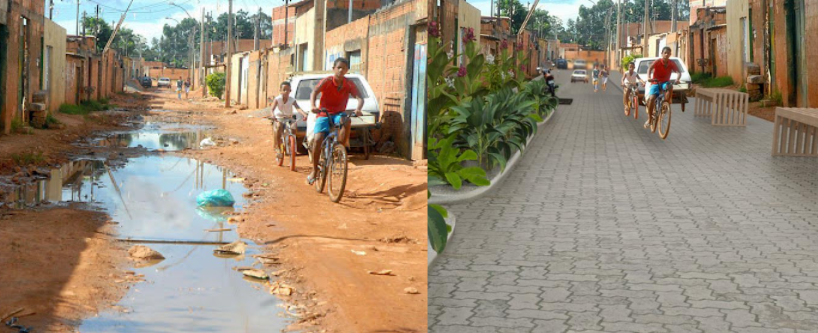
The inadequate treatment of sewage causes severe problems. Compact biodigesters offer decentralized solutions. The project “What a Waste (Water)!” from UNESP proposes septic tanks and wetlands (swampy areas with plants) in favelas, with community participation. The startup Zero Sewage developed a modular system with bacterial biomass that transforms sewage into clean water (Class II) without generating sludge and four times cheaper than conventional systems.
The Sertanejo Biodigester, a social technology, treats animal manure, generating biogas for cooking and biofertilizer. Embrapa’s Biodigester Septic Tank, made with water tanks and bovine manure, treats toilet sewage in rural areas, producing biofertilizer. Companies like Fortlev and Tecnipar also offer compact commercial models. These solutions add value to by-products and utilize local materials for potable water and basic sanitation, but their ongoing effectiveness depends on adequate operation and maintenance, requiring training.
The Transformative Impact On Public Health And Quality Of Life
Solutions for potable water and basic sanitation deeply impact health. Data from the Trata Brasil Institute shows a decrease in hospitalizations due to waterborne diseases with the advancement of sanitation. Technologies like UFMG filters, Aqualuz, and clay filters have proven effective in reducing diarrhea and other illnesses.
The benefits extend to quality of life: time savings in water collection (liberating women and children), water and food security, dignity, socioeconomic development (with biogas and biofertilizers), and improvements in education (with water in rural schools). It’s a virtuous cycle of development.
Challenges And Pathways To Universalizing Solutions For Potable Water And Basic Sanitation
Universalization faces financial barriers (high investment, low municipal fiscal capacity), technical and logistical challenges (coverage deficits, territorial extension), regulatory (fragmentation, bureaucracy), and cultural (habits, lack of information). Despite this, policies like the Cistern Program, the New PAC (“Water For All”), PLANSAB, and PNSR, along with support from development banks (BNDES, BNB) and international organizations, aim to promote solutions.
Community engagement in all phases, technical training, and sanitation education are crucial. Budgetary discontinuity and bureaucracy remain hurdles. Strategies like service regionalization and strengthening ongoing technical assistance are essential to ensure the sustainability and reach of these vital innovations. The goal is to build a mosaic of adapted, resilient solutions rooted in local needs.








Seja o primeiro a reagir!