





 Portuguese
  English
  Spanish
  3 min of reading
  0 comments


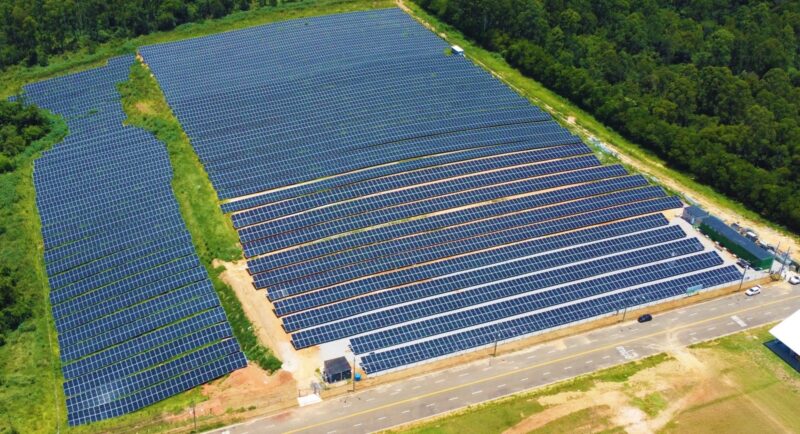
Installed Structure at the Technology Park Generates Solar Energy for 3,400 Homes, Reduces Emissions, and Promises Up to 40% Savings on Electricity Bills for Businesses and Residents.
The city of Sorocaba, in the interior of São Paulo, has become home to the largest solar plant in the state, reinforcing its role in Brazil’s energy transition.
Located at the Technology Park, the structure occupies an area of 53,000 square meters.
It began operating in early March 2025.
-
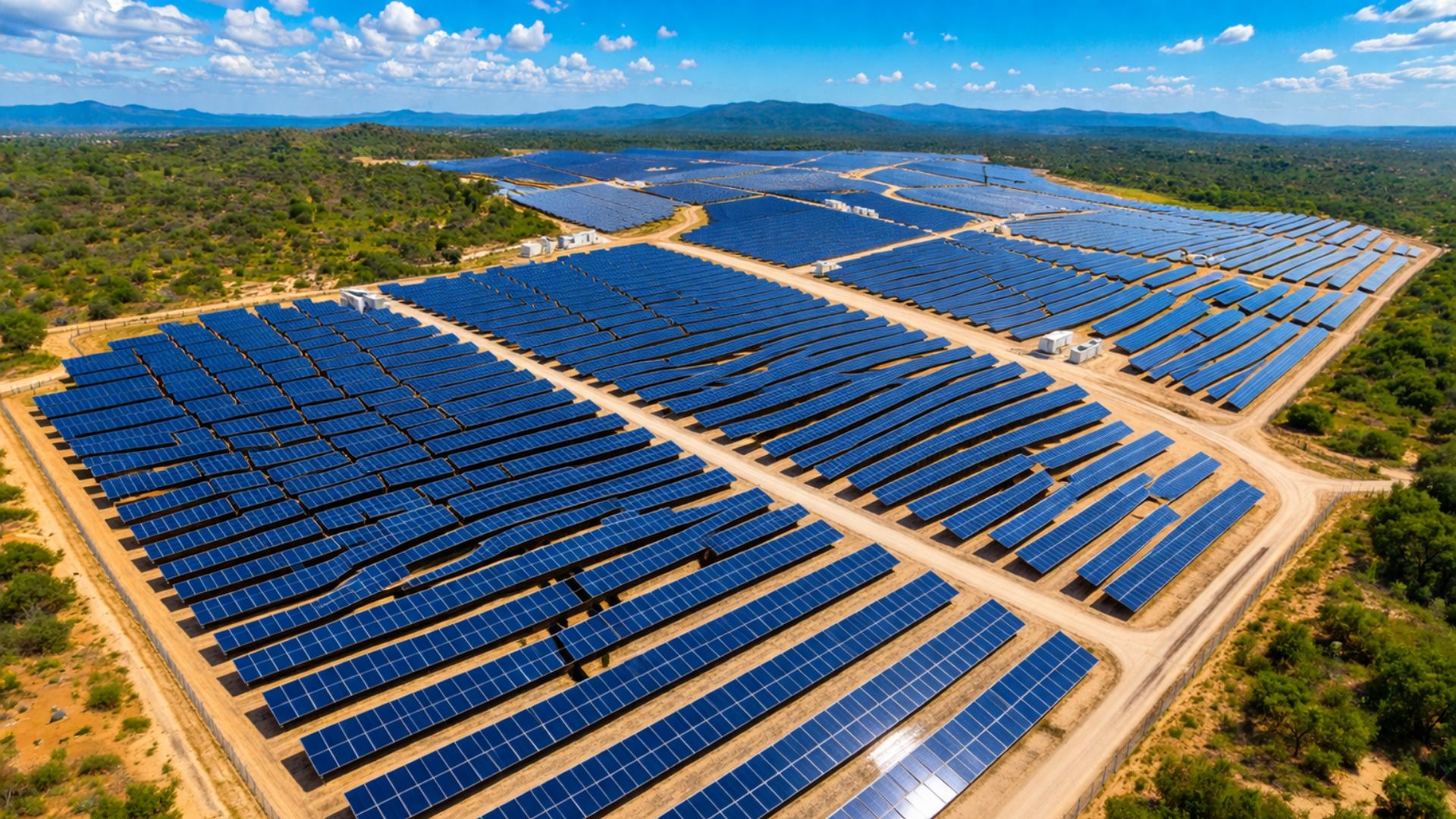
The Sol do Agreste Photovoltaic Complex begins operations in Pernambuco and accelerates the expansion of solar energy in Brazil, directly impacting the reduction of emissions and strengthening the sustainable energy matrix.
-
The Sol do Agreste Photovoltaic Complex begins operations in Pernambuco and accelerates the expansion of solar energy in Brazil, directly impacting the reduction of emissions and strengthening the sustainable energy matrix.
-
Renewable energy advances over protected areas in Brazil, and a survey by the Energy Transition Observatory reveals silent impacts that challenge environmental conservation and pressure sensitive traditional territories.

-
Rio Grande do Sul accelerates energy transition: State invests in renewable technologies and consolidates decarbonization strategies and pathways to attract billions in new industrial investments.

According to the site CNN Brasil, the official inauguration took place on March 6, marking a significant advance in the generation of clean and sustainable energy in the interior of São Paulo.
The plant has approximately 10,000 solar panels. Thus, it has the capacity to generate about 10 GWh per year, which is sufficient to supply more than 3,400 homes.
Additionally, the generated energy serves businesses in the Technology Park and may also benefit 27 municipalities connected to the same distribution network.
Emission Reduction and Environmental Gains
From an environmental standpoint, the positive impacts are significant.
According to the Technology Park, solar energy generation will allow for an annual reduction of 290 tons of CO₂, reinforcing its role in mitigating climate change.
This volume of avoided emissions is equivalent to the planting of 2,100 native trees or removing 100 fossil fuel-powered vehicles from the streets.
Therefore, in addition to reducing costs, the project directly contributes to urban and regional sustainability.
Economic Advantages for Residents and Businesses
Besides the environmental gains, the economic benefits are substantial.
According to the president of the Technology Park, Nelson Cancellara, residents using low voltage can receive discounts between 10% and 20% on their electricity bills.
On the other hand, medium voltage consumers, such as industries and businesses, could save up to 40% monthly, which represents a considerable difference in their budgets.
Additionally, Cancellara emphasized that the project also generates local jobs, increased revenue, and economic development.
Thus, the plant brings direct and indirect returns to the population of Sorocaba and the surrounding region.
Solar Sector Grows in Brazil’s Energy Matrix
According to the National Electric Energy Agency (Aneel), solar energy is already the second-largest source of Brazil’s electricity matrix.
Currently, it represents 22.2% of the total generated, trailing only hydropower, which historically leads the sector.
According to the Brazilian Photovoltaic Solar Energy Association (Absolar), the country surpassed 50 GW of installed capacity in February 2025.
With this volume, Brazil has joined the group of the six largest solar markets in the world, reinforcing its leadership in the sector.
It is expected that by the end of 2025, installed capacity will reach 64.7 GW, which would signify a 25% growth compared to the previous year.
Thus, the continuous advancement of solar energy strategically positions Brazil in the global energy transition landscape.









Seja o primeiro a reagir!