





 Portuguese
  English
  Spanish
  4 min of reading
  0 comments


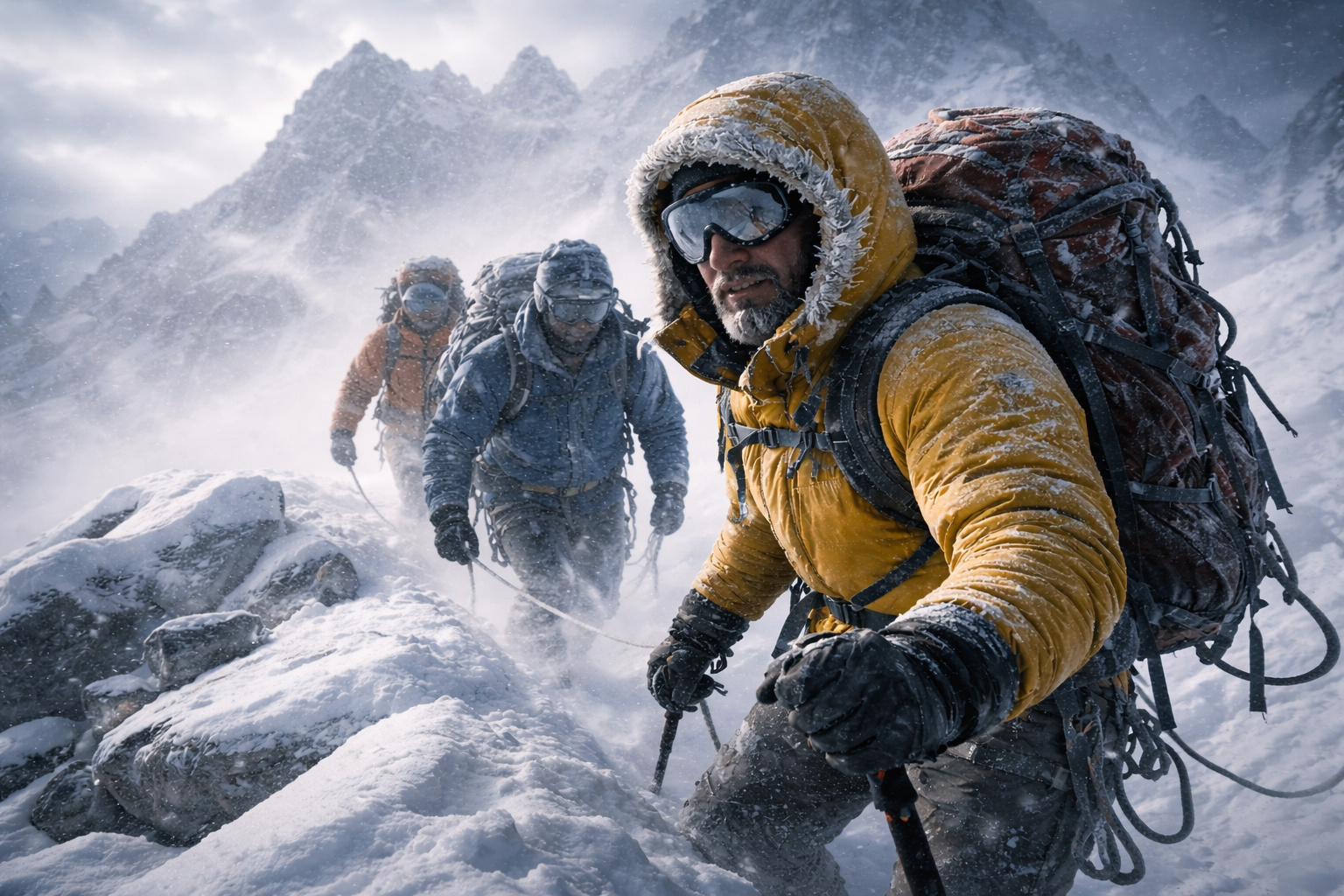
Historical Reports Show That Explorers in Extreme Situations Often Sense the Presence of Someone Next to Them, Even When They Are Completely Alone
In various extreme expeditions, mountaineers and explorers report a curious and persistent sensation: the impression that someone is walking beside them.
This psychological phenomenon became known as “the Third Man syndrome”, a term associated with historical accounts of survival in hostile environments.
Among the most famous cases is that of the Imperial Trans-Antarctic Expedition, which began in August 1914, led by British explorer Ernest Shackleton.
-
Italian researchers have detected what appears to be a second Sphinx buried under the sands of Egypt, and satellite scans reveal a gigantic underground megastructure hidden beneath the Giza Plateau for over 3,000 years.

-
There are 4,223 drums and 1,343 metal boxes concreted with 50-centimeter walls that store the radioactive waste from Cesium-137 in the worst radiological accident in Brazil, just 23 kilometers from Goiânia, with environmental monitoring every three months.

-
Giant Roman treasure found at the bottom of Lake Neuchâtel in Switzerland reveals an advanced trade system, circulation of goods, and armed escort in the Roman Empire about two thousand years ago.

-
He buried 1,200 old tires in the walls to build his own self-sufficient house in the mountains with glass bottles, rainwater, and an integrated greenhouse.


The mission’s goal was ambitious: to cross the Antarctica from the Weddell Sea to Ross Island, on one of the most challenging journeys in polar exploration.
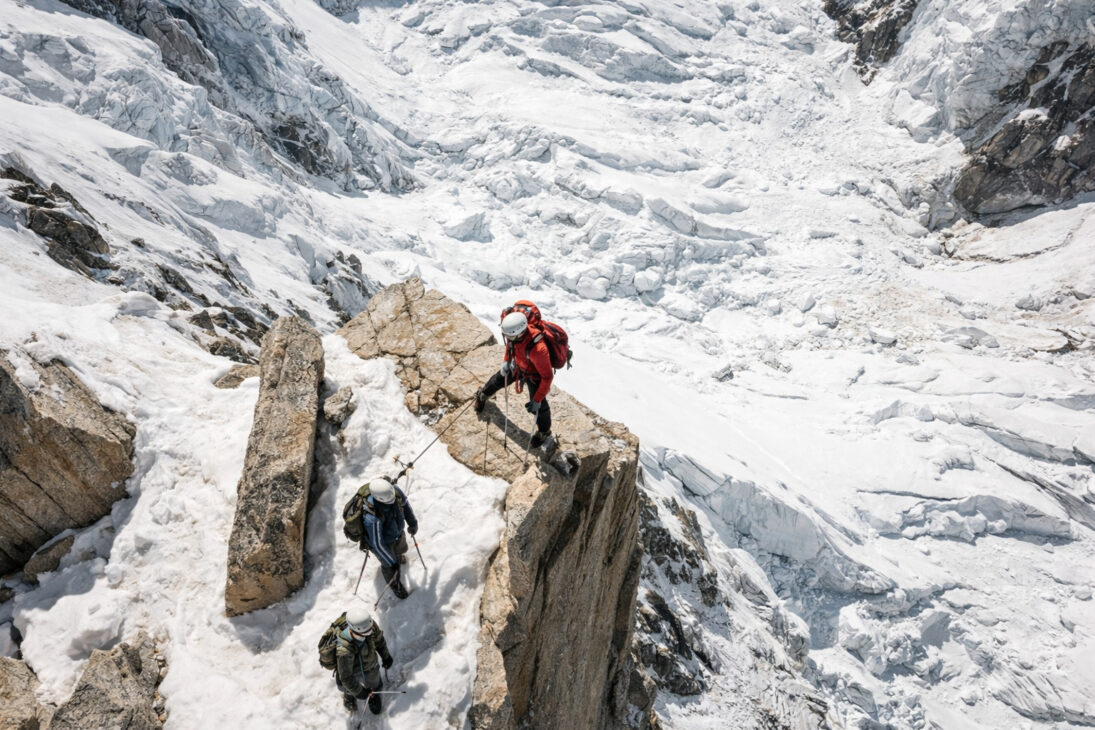
However, the extreme conditions of the South Pole completely changed the expedition’s fate.
The ship Endurance became trapped in Antarctic ice, and Shackleton had to reorganize his survival strategy in the face of extreme cold and supply shortages.
Curious Phenomenon Emerges During Survival Journey
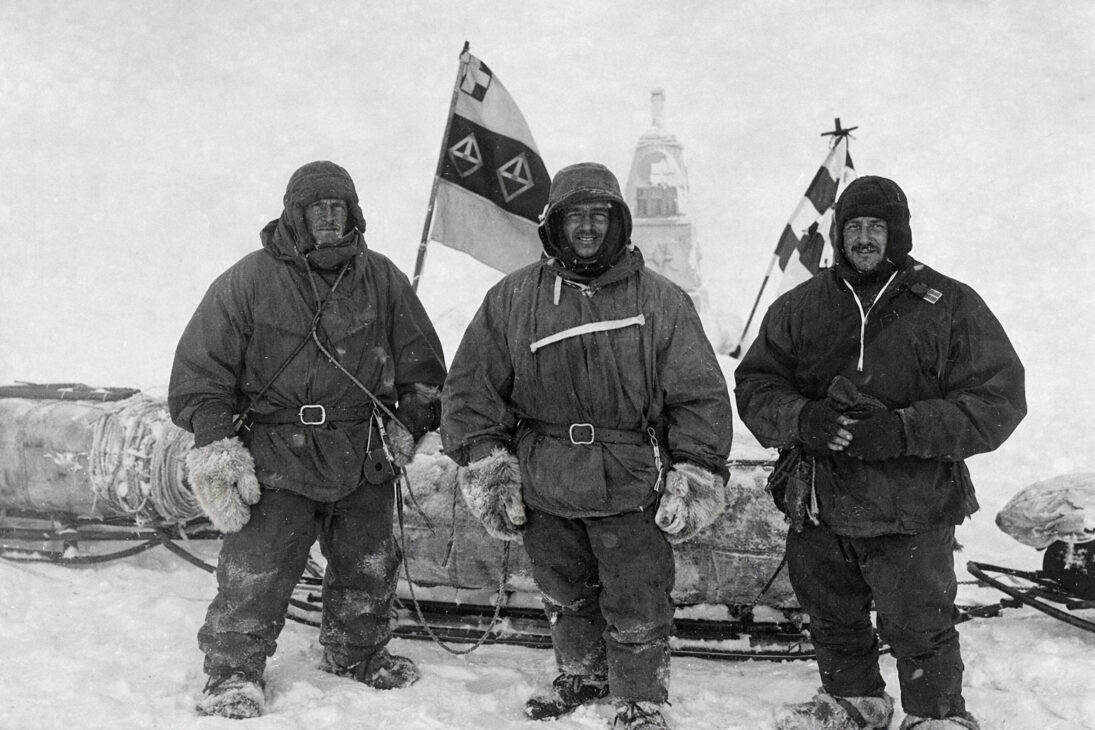
During an exhausting trek across South Georgia Island, Shackleton was accompanied by Frank Worsley and Tom Crean.
The group advanced for about 36 consecutive hours, facing mountains, glaciers, and extremely low temperatures.
At the same time, the three explorers carried the responsibility of seeking help for the remaining crew members who had stayed behind.
During this crossing, Shackleton described an intriguing sensation.
According to his account, at several points it felt like there was a fourth person walking alongside the group, even though only three men were present.
The experience was later interpreted as a classic example of the so-called Third Man syndrome.
The Phenomenon Gained Ground in Literature and Culture
Years later, the phenomenon caught attention outside the realm of expeditions.
In 1922, British poet T.S. Eliot incorporated the idea in his famous poem “The Waste Land”.
In the frequently quoted passage, Eliot asks:
“Who is the third that walks always beside you?”
From this literary reference, the term “the third man” became widely used to describe the sensation of an invisible companion in extreme situations.
Similar Reports Have Been Registered By Other Mountaineers
The phenomenon was not limited to Shackleton’s account.
In 1933, British explorer Frank Smythe described a similar experience during a climbing attempt on Mount Everest.
During his solitary ascent, Smythe reported clearly feeling the presence of a companion.
The sensation was so intense that, at one point, he took a piece of Kendal Mint Cake from his pocket.
Then, he split the candy in half, believing he was offering a part to the invisible companion.
However, there was no one there.
Decades later, new similar experiences continued to be recorded.
In 1986, Spanish mountaineer Fernando Garrido spent more than two months on the isolated summit of Aconcagua, at almost 7,000 meters above sea level.
During this period, he frequently reported the sensation that someone was outside the tent.
In testimonies later quoted by the newspaper El Confidencial, Garrido described vivid episodes involving the presence of his own brother.
Scientific Studies Try to Explain the Phenomenon
Over the years, various researchers have tried to understand the origin of this experience.
In 2008, writer John Geiger published the book “The Third Man Factor: Surviving the Impossible”, after five years investigating similar reports.
In an interview with journalist Guy Raz of NPR, Geiger explained that some people interpret the phenomenon in a spiritual way.
However, according to him, the syndrome can be explained by scientific processes related to brain functioning.
Among the hypotheses are biochemical reactions triggered by extreme stress or temporary failures in brain activity.
Additionally, researchers like Ben Alderson-Day and David Smailes analyzed the phenomenon in studies published in 2015.
They observed that intense sensations of presence can also occur after bereavement, during sleep paralysis, or in neurological disorders, such as Parkinson’s disease or brain injuries.
These studies indicate that understanding the phenomenon could reveal much about how the brain reacts to danger, physical stress, and mental exhaustion.
As explorers continue to face glaciers, snowstorms, and extreme altitude, scientists continue to investigate an equally complex challenge.
After all, to what extent can the human mind create companionship when survival depends on it?










-

Uma pessoa reagiu a isso.