





 English
  Francês
  Alemão
  Italiano
  Japonês
  Norueguês
  Portuguese
  Spanish
  5 min of reading
  0 comments



Coastal intervention in Spain combines simple engineering and natural materials to create more resilient dunes, with results measured by drones and minimal volume loss over time, attracting international attention for efficiency and the use of existing natural processes.
A coastal intervention in the Ebro delta, Spain, attracted attention by combining lightweight engineering, repurposing of natural materials, and high-precision monitoring to reconstruct a dune system on a beach vulnerable to erosion.
Instead of relying solely on sand, researchers monitored the performance of a dune reinforced with alternating layers of sediment and natural remains of Posidonia oceanica and recorded that this structure experienced a volume loss of about 1.4% over the course of a year, while dunes formed only with sand lost up to 25% of the replenished material.
Project in the Ebro delta and accelerated coastal erosion
The results were described in a scientific article published in the journal Remote Sensing, which analyzed the evolution of restored dunes on La Marquesa beach, one of the most sensitive stretches of the delta.
-
With 16 Bulava missiles, improvements in acoustic stealth, and a design focused on silent patrols, Russia’s nuclear submarine was born to ensure Moscow’s invisible retaliation and has become one of the pillars of its maritime strength.

-
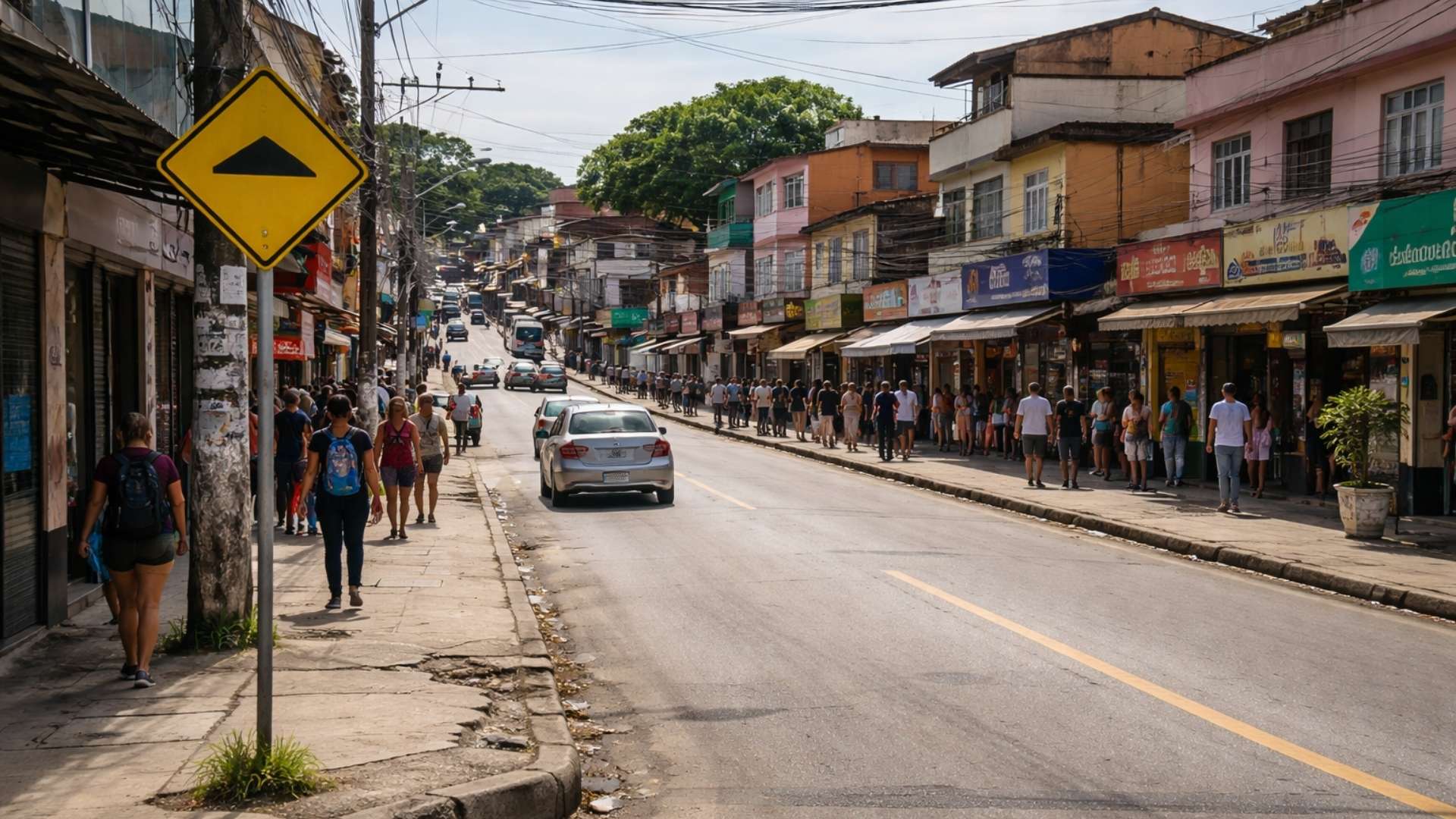
‘Populous’ city in Rio among the worst in Brazil in national ranking and exposes silent development crisis.
-
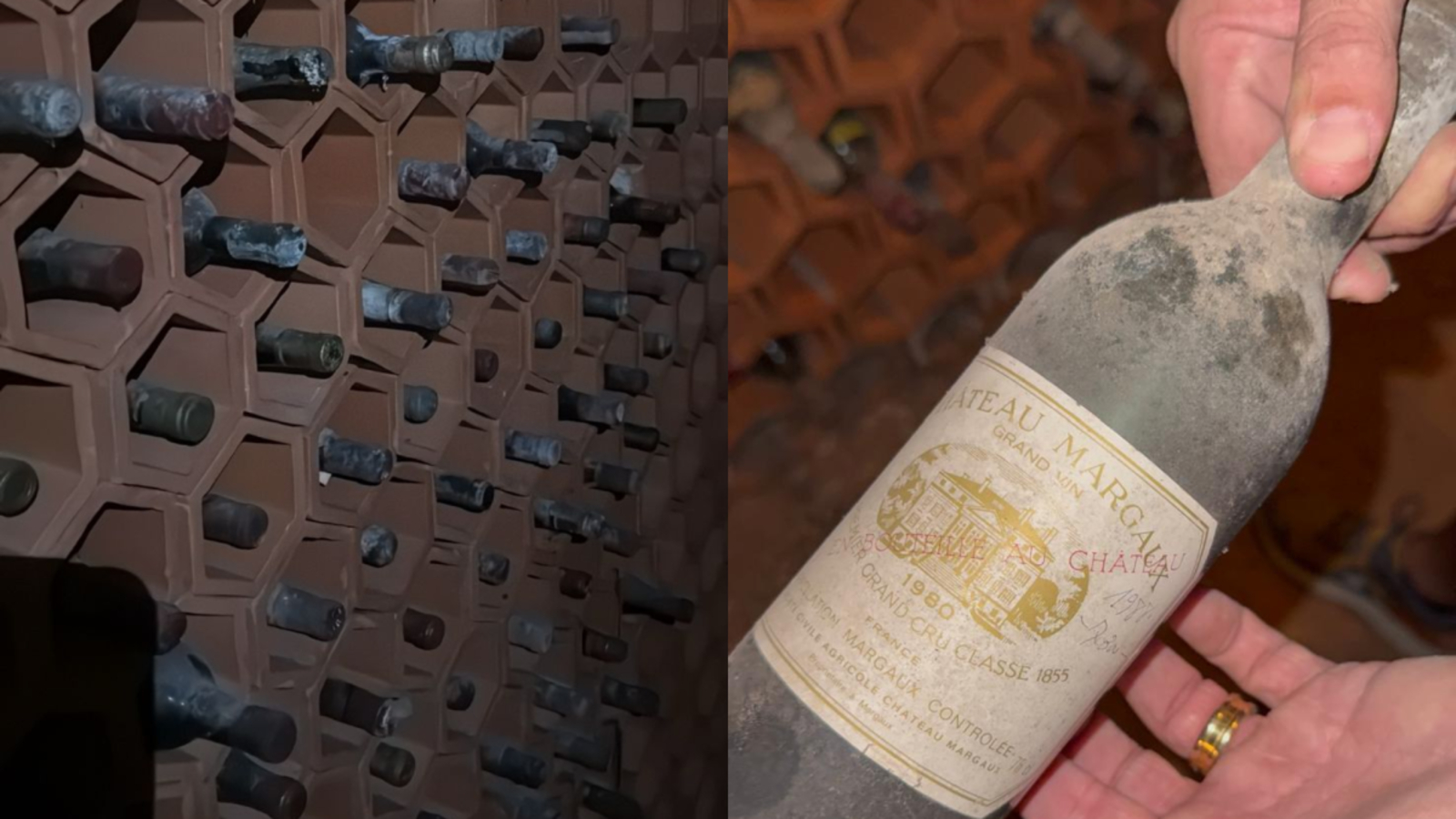
Couple buys house in the South Zone of São Paulo, opens a hidden door in the garage, and finds a secret wine cellar with dozens of old wines forgotten since the 1970s.
-
With 19,000 tons, 199 meters in length, and the capacity to carry 720 marines, the ROKS Marado has become a floating amphibious base that extends South Korea’s naval reach in one of the most tense regions on the planet.

The research was conducted based on an intervention designed by the Provincial Coastal Service of Tarragona, linked to the Ministry for Ecological Transition of Spain, in collaboration with the Maritime Engineering Laboratory of the Polytechnic University of Catalonia.

The aim of the work was to slow down the narrowing of the sandy strip and reinforce the protection of inland areas susceptible to flooding during more intense storms.
The scenario in which the experiment was conducted helps to illustrate why the solution garnered interest.
According to the study, the Ebro delta has about 50 kilometers of sandy coastline formed over centuries by sediment transport from the river, but the reduction of this supply has altered the system’s dynamics.
Today, almost 80% of the delta’s coastline is subjected to erosive processes, and La Marquesa beach has been experiencing an average annual retreat of 6.4 meters, in addition to the progressive loss of historical dunes that have practically disappeared before the restoration observed by researchers.
Use of posidonia as natural reinforcement for dunes
The choice of Posidonia oceanica was not casual.
It is a marine plant endemic to the Mediterranean, whose residues naturally accumulate on beaches and help reduce wind and wave energy, as well as serve as a base for dune formation.
European environmental guidelines also highlight that frequent removal of this material can accelerate erosion and compromise the integrity of coastal habitats.
This has transformed posidonia, long treated only as waste, into an element of interest for natural coastal protection strategies.
How the 62 artificial dunes were constructed
In practice, the intervention at La Marquesa was built on a considerable scale.
The study reports that 62 artificial dunes were constructed, each about 25 meters long, 5 meters wide, and 2.6 meters high, separated by an average distance of 10.7 meters along a system of 689 meters.

Only one of them, referred to as Dune C by the authors, received reinforcement with alternating layers of 15 centimeters of sand and posidonia remains collected from L’Arenal beach.
The others were built solely with sediment transferred from areas of the delta where there was an accumulation of sand.
Drone monitoring reveals performance differences
To measure the behavior of each structure, researchers conducted 17 drone campaigns over the course of a year and produced digital elevation models capable of showing, in detail, how the surface of the dunes changed after the action of wind, waves, and storms.
This monitoring allowed for a comparison of the reinforced dune with the others over the seasons and identified differences in volume, height of the crests, and sediment redistribution on the beach.
It was during this monitoring that the reinforced structure stood out.
The article reports that while conventional dunes suffered significant reductions in crest height and volume loss that, in the most extreme cases, ranged between 22% and 27%, Dune C maintained a much more stable profile.
In several sections, the sand-only dunes lost up to 1 meter of elevation, while the dune with posidonia recorded losses of only 5 to 12 centimeters, reaching 25 centimeters in specific points.
Sand redistribution and coastal protection gain
Another relevant aspect of the experiment is that the intervention did not function merely as an isolated mound of sediment.
The study shows that part of the eroded sand from the crests was redistributed to the base of the dunes and to the spaces between them, elevating these areas by 20 to 50 centimeters.
Even with the erosion observed in much of the restored field, the average elevation of the beach still remained up to 0.5 meters above the initial level by the end of the analyzed period.
According to the researchers, this increased the level of protection of the stretch against erosion and flooding.
Solution based on the coast’s own natural dynamics
The logic behind the result combines coastal physics and the use of a material already present in the environment.
Posidonia residues deposited on the beach have the capacity to retain sand transported by the wind, dampen part of the energy hitting the coastal strip, and contribute to the stability of the system by mixing with the sediment.
In the Spanish case, the technique did not replace the role of sand nor eliminate the need for management, but it demonstrated that a hybrid composition can increase the resilience of restored dunes.
The experience also fits into a larger debate about how to recover degraded beaches without resorting solely to rigid structures.
In La Marquesa, the intervention sought to imitate the historical configuration of the disappeared dunes while simultaneously protecting the back of the beach, where agricultural areas sensitive to flooding episodes are located.
By combining sediment replenishment, geomorphological design, and repurposing of natural material, the project transformed a retreating beach into a model of coastal defense based on natural processes.
If a single dune reinforced with natural remains managed to withstand much more than dozens of conventional structures, what other coastlines threatened by erosion could adopt similar solutions?






Seja o primeiro a reagir!