





 Portuguese
  English
  Spanish
  3 min of reading
  0 comments


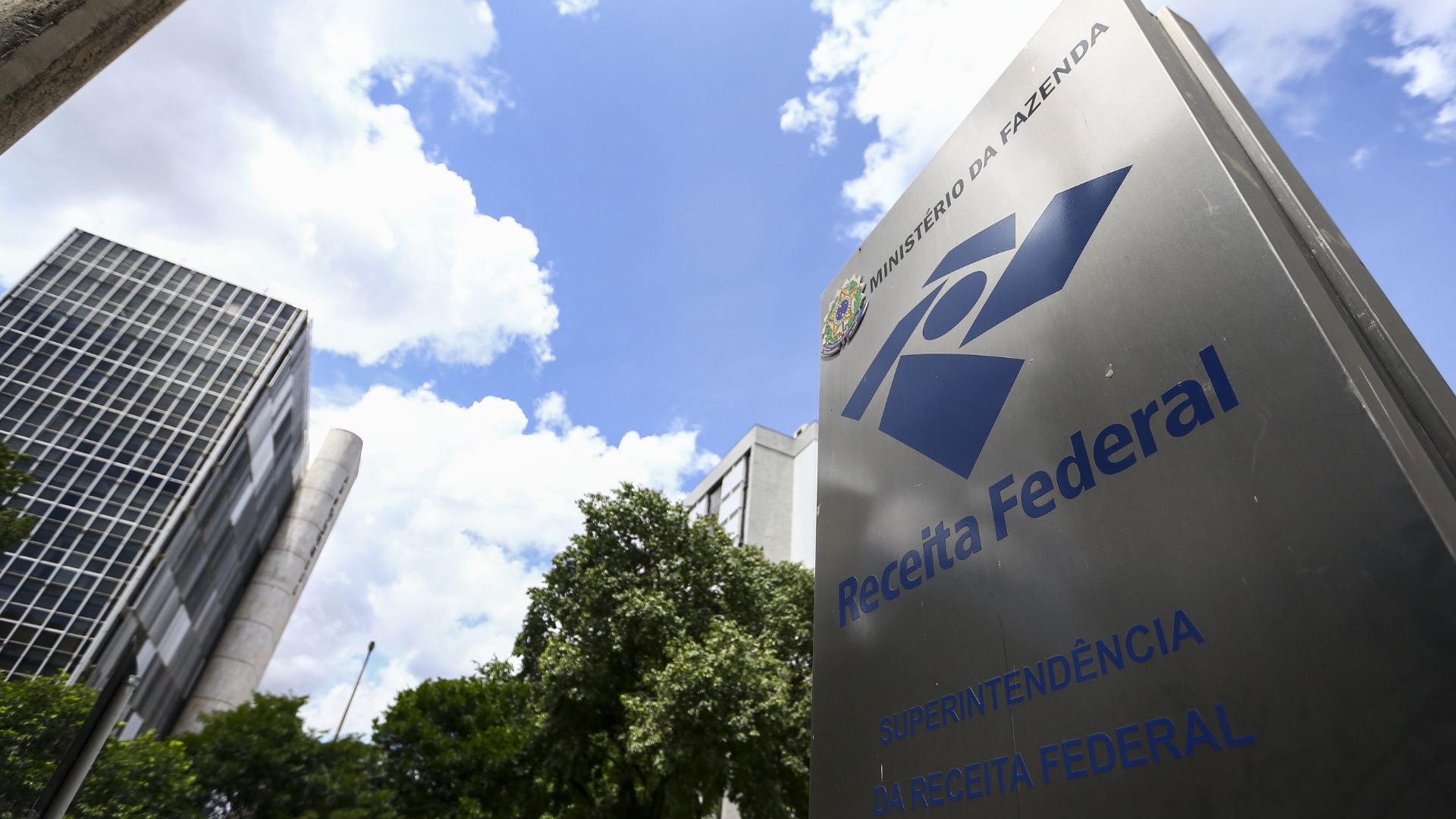
The New Extension from the Federal Revenue Service Establishes Even More Advantageous Conditions for Small Businesses to Renegotiate Debts, Increases Discounts, Flexibilizes Payments, and Creates a Decisive Opportunity for MEIs, Microenterprises, and Small Businesses to Return to Fiscal Regularity Without Immediate Pressure from Sanctions Provided by Law
The Federal Revenue Service announced a new extension of the deadline for joining debt negotiation programs aimed at MEIs (Individual Microentrepreneurs), MEs (Microenterprises), and EPPs (Small Businesses). The information was disclosed by the RFB Ordinance No. 600/2025, published in the Official Gazette, which extends the enrollment until December 30, 2025, offering a last chance for regularization with increased discounts and differentiated conditions.
Furthermore, according to information published by ND Mais, the extension is valid for taxpayers with debts under administrative discussion. This means that even companies that are still contesting amounts with the tax authorities may join the transaction modalities provided in the RFB Notices No. 4/2025 and No. 5/2025, both created to meet different profiles of debt and varying levels of payment capacity.
Special Negotiation Conditions Extend to the Audience Composed of MEIs, MEs, and EPPs
The Federal Revenue Service reiterated that the negotiation programs encompass individuals, MEIs, microenterprises, and small businesses that have debts within the limit of 60 minimum wages. In these cases, the discounts are more generous, and the payment plans have longer terms, allowing companies with lower cash generation capacity to reorganize their accounts without compromising their operations.
-
Electrolux surprises, closes colossal factory and lays off 400 people in a mass dismissal that will have a direct effect later this year, following a cost review, with an impact of R$ 272.5 million and R$ 109 million in cash in Chile.

-
The Lula government is pursuing re-election and is therefore preparing a package with discounts of up to 80% on debts, subsidies for diesel, gas for 15 million, and energy, after reaching 51% disapproval six months before the election.

-
The chamber approves a project that transforms plots of up to 2,000 square meters into official rural properties, allowing thousands of small producers who were invisible to the government to now access credit, tax exemptions, and technical assistance.

-
Factory 52, in the USA, cost over $5 billion, covers 270,000 square meters, and manufactures cutting-edge chips: it was named Project of the Year by the world’s largest engineering magazine, marking the global race for semiconductors.

Another important point of the notices is that they also cover taxpayers with credits in discussion up to R$ 50 million, enabling larger companies to access differentiated conditions based on their financial reality. According to the document, the goal is to encourage fiscal regularization without jeopardizing productive activities still facing the effects of economic slowdown.
This combination of an expanded target audience and flexible rules turns the new deadline into a strategic opportunity for organizations seeking to avoid penalties, additional fines, and restrictions on bidding, financing, or obtaining negative certificates.
The Extension of the Deadline Until December 30, 2025 Reinforces the Urgency for Companies That Need Immediate Fiscal Regularization
Although the new deadline brings relief, experts warn that the extension does not eliminate the risk of future penalties. This is because, after the end of the enrollment period, the Federal Revenue Service will resume more rigorously the collection of tax credits, especially those that are already in an advanced stage of administrative litigation.
As reported by ND Mais, this flexibilization represents an exceptional measure and has been extended until December 30, 2025, allowing thousands of small businesses to avoid entering irreversible delinquency. However, when the final deadline ends, there is no expectation of new extensions — a point that increases the urgency for MEIs, MEs, and EPPs to start the regularization process as soon as possible.
It is important to remember that, even with discounts, debts remain subject to rules of monetary correction and legal interest. Therefore, those who wait until the last minute may face wait times, system instability, and even loss of benefits due to lack of sufficient time for enrollment.
Regularization is Strategic to Ensure Certificates, Avoid Blocks, and Maintain Access to Credit
Enrollment in the programs also allows companies to quickly regain fiscal regularity, an essential requirement for operations such as participating in bids, bank loans, working capital financing, and commercial transactions with suppliers that require updated certificates.
Additionally, delinquent companies may face blocks on their CNPJ and impediments in routine operations, including limitations on the use of the Simples Nacional. For this reason, experts emphasize that this extension should be treated as a rare opportunity and not as a comfortable postponement.
In the current scenario, where small businesses represent a significant portion of the Brazilian economy, incentive measures like this are essential to maintain competitiveness, ensure operational continuity, and avoid job loss.









-

Uma pessoa reagiu a isso.