





 Portuguese
  English
  Spanish
  5 min of reading
  0 comments


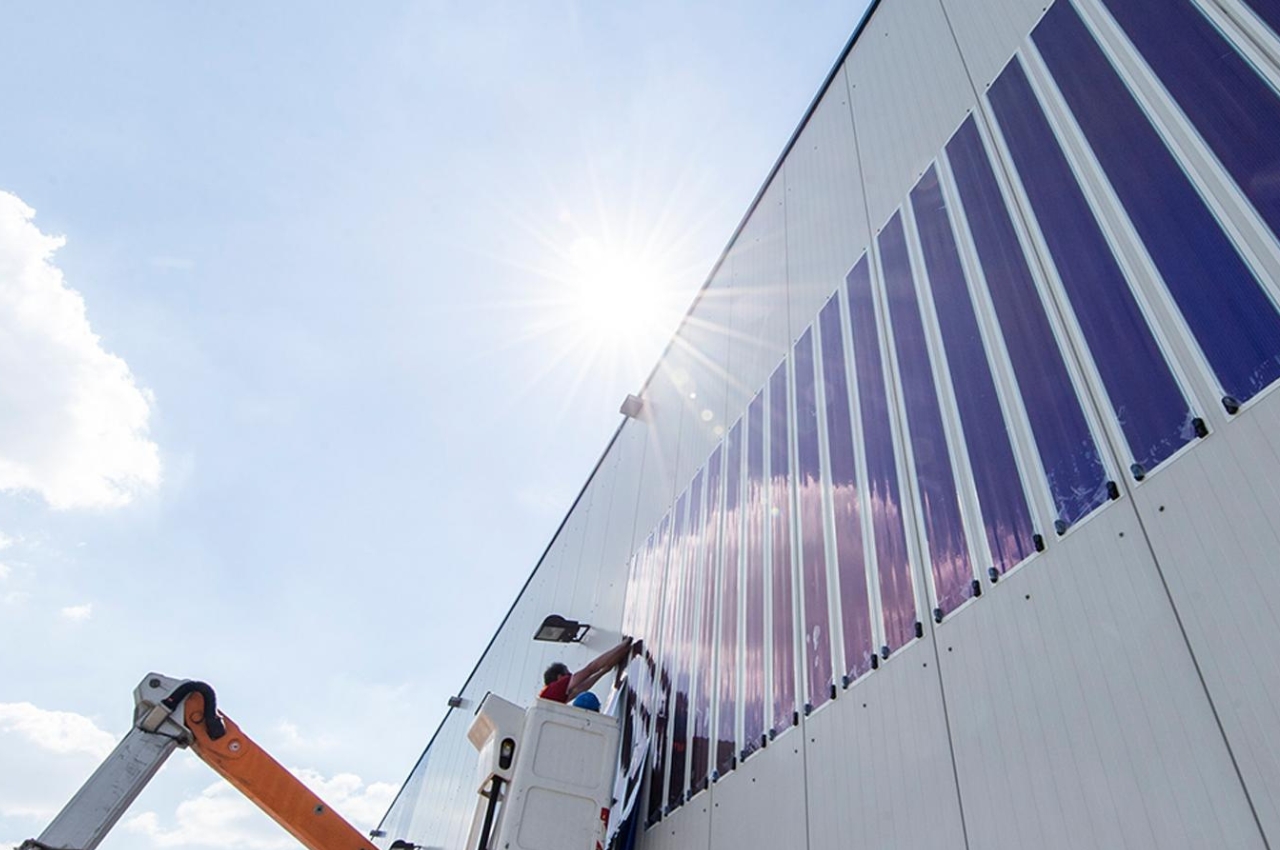
A New Solution Created By A German Startup Allows Generate Clean Electricity In Apartments With A Simple Accessory Applied To The Window Glass. Without Renovations, Wires Or Visible Panels, The Transparent Panel Technology Promises To Take Solar Energy To Windows To A New Level In Urban Use
A German startup is revolutionizing the renewable energy sector with a promising innovation: a simple installation accessory that transforms ordinary windows into efficient sources of solar energy. Utilizing transparent panel technology, this solution promises to generate enough electricity to power household appliances — even a refrigerator — without the need for renovations, wires, or conventional panels.
At a time of global energy transition and rapid urban growth, the company’s proposal stands out as a viable and accessible alternative for millions of people living in apartments, where the installation of traditional photovoltaic systems is limited. The concept, based on solar glass, represents a milestone in utilizing urban surfaces as sustainable micro-generators.
Solar Energy For Windows: Innovative Solution For Urban Areas
Generating solar energy for windows is not a new idea, but recent advances have made it a practical reality. Companies like Heliatek, based in Dresden, and Ubiquitous Energy, in the United States, are at the forefront of developing organic solar films and transparent photovoltaic panels.
-
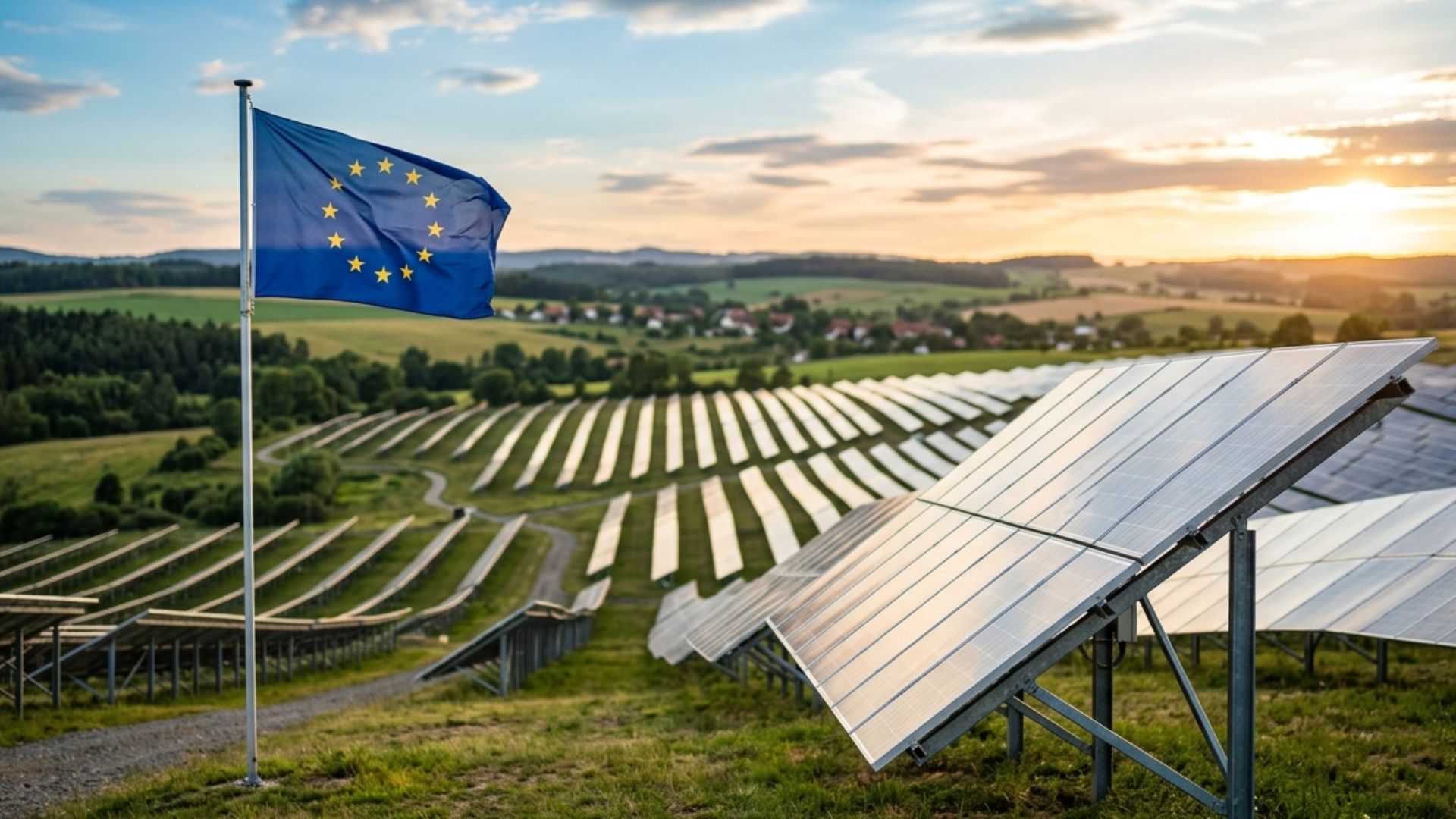
Europe records strong euro economy with solar energy in March and sparks curiosity about which country leads growth that redefines the energy market and reduces costs.
-
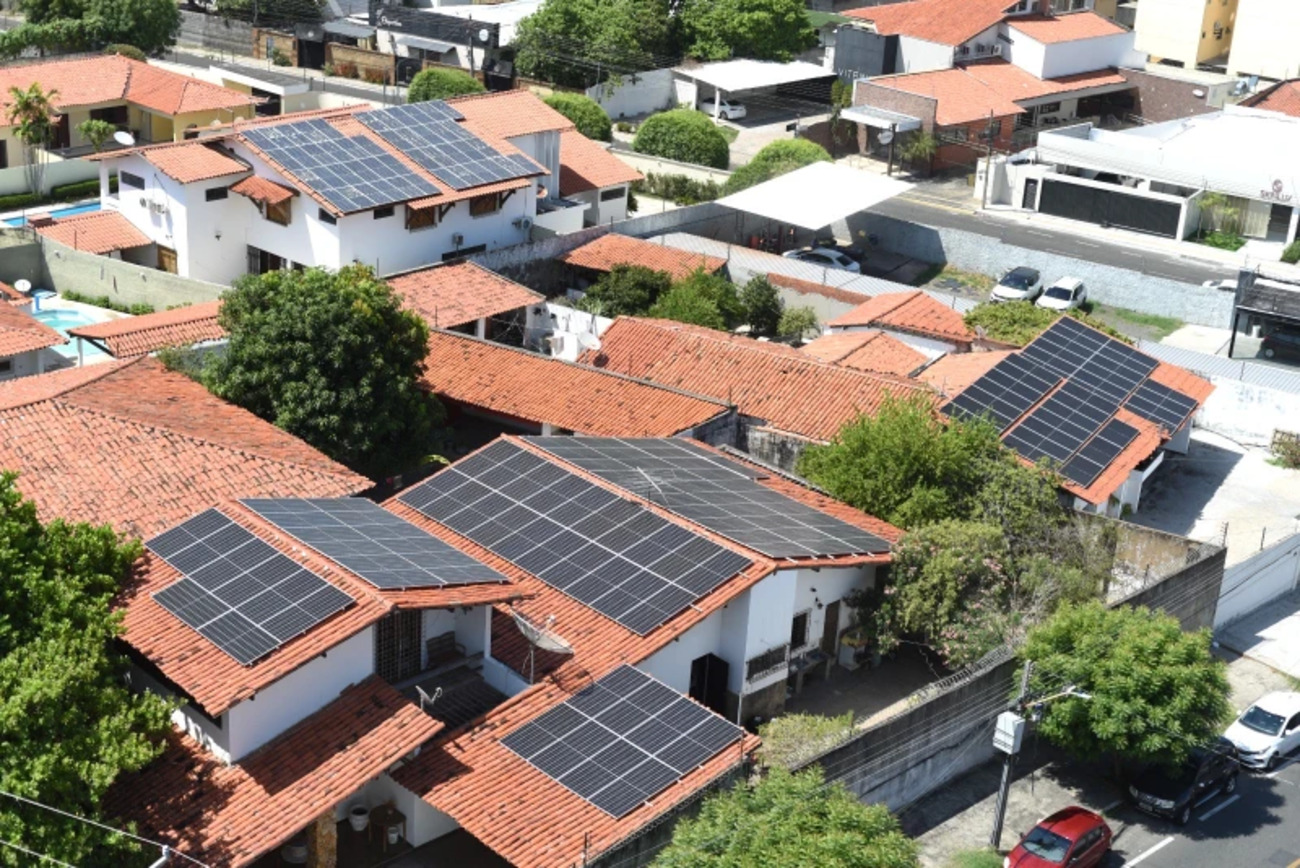
Piauí reaches a historic milestone in energy transition: State records nearly 160,000 households powered by solar energy and leads growth in the Northeast.
-
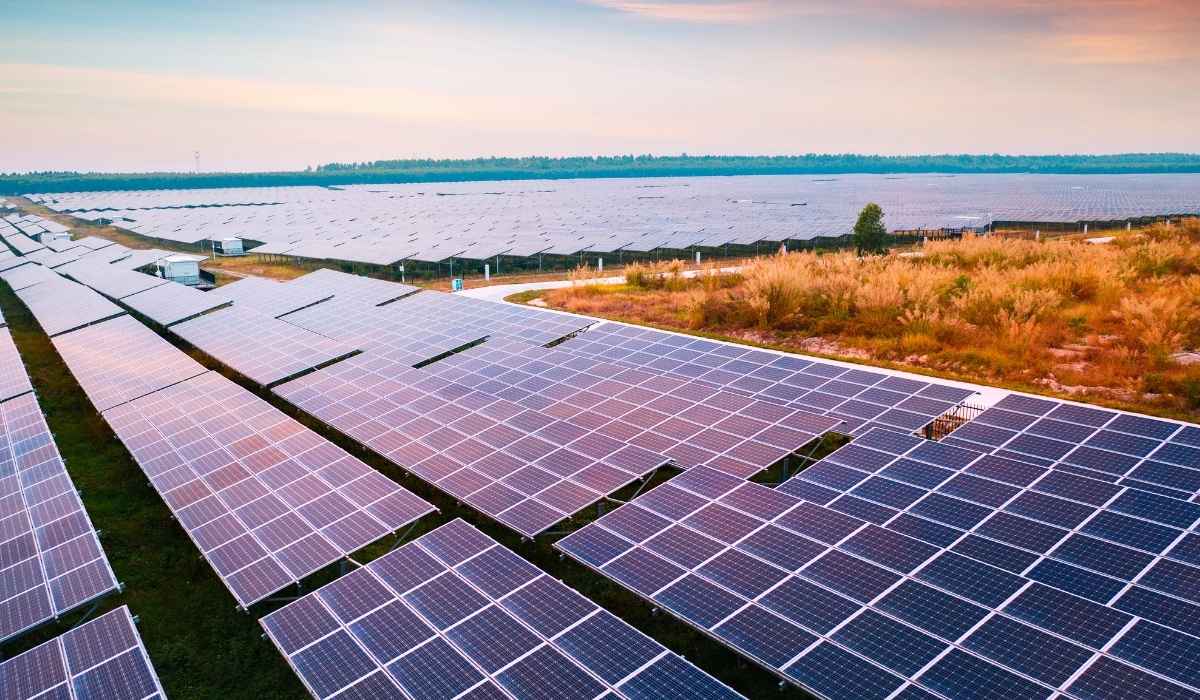
Argentina debuts its first 100% solar-powered highway and transforms an entire road into a showcase of clean energy.

-
Minas Gerais reaches a historic record and surpasses the power of Itaipu, but network costs generate debate: Understand why solar energy in MG impacts the electricity bill of those without panels.


The novelty of the German startup, whose name is still under commercial confidentiality, lies in its simplicity: the product can be directly attached to the inner surface of the window, with adhesive installation and without the need for specialized technicians. Being modular, it is possible to expand the generation capacity according to the available space.
According to the Fraunhofer ISE Institute, a reference in solar research in Germany, current solar glass technologies can already convert between 5% and 10% of incident light into electricity, maintaining more than 70% transparency — making them ideal for residential and commercial buildings.
How Transparent Solar Panel Technology Works
The principle behind the transparent panel is the use of organic photovoltaic materials or ultrathin semiconductors, which absorb specific parts of the solar light spectrum (such as ultraviolet and infrared), allowing visible light to pass through. This ensures that the window remains clear for residents while silently generating energy.

The German startup employs a flexible film made of organic semiconductor compounds, similar to the technology developed by Heliatek — whose energy efficiency has reached 12% in laboratory tests. The film is connected to a microinverter, which converts the generated current into usable electricity for conventional outlets.
This type of apartment solar energy is ideal for supplying small demands, such as charging mobile devices, LED lighting, Wi-Fi routers, or even a low-power refrigerator, depending on solar incidence.
Installation Without Complications: Adaptable Accessory And Plug-And-Play
One of the major differentiators of the technology created by the startup is the elimination of technical obstacles. There is no need to break walls, run wires, or install external inverters. The film adapts to single or double-glazed windows and can be cut to size.
The system features discreet suction cups or special adhesive tapes that secure the accessory to the glass, with plugable connectors directly to a storage unit or outlet. All this without compromising the aesthetics or view of the environment.
For apartments on higher floors, where the installation of conventional panels is unfeasible or requires condo approval, this solution offers a direct route to solar energy for windows, transforming the residence into a micro-source of clean generation.
Market And Growth Of Solar Glass Technologies
The global market for photovoltaic technologies applied to glass is experiencing strong expansion. According to Allied Market Research, the transparent solar panel sector is expected to reach US$ 22 billion by 2032, with an annual growth rate exceeding 15%. In Europe, tax incentives and green energy policies are driving startups and research in this field.
Germany, in particular, is leading the development of urban renewable energy technologies. The German government offers grants for energy-positive buildings — structures that generate more energy than they consume — and projects like the Fraunhofer Center for Silicon Photovoltaics aim to expand the application of solar glass in facades, windows, and roofs.
Additionally, buildings with integrated generation elements (known as BIPV, or Building Integrated Photovoltaics) are on the rise in European urban centers, and products like those from the German startup represent an affordable way to bring this trend to common housing.
Efficiency And Current Limitations Of The Technology
Despite the potential, it is important to recognize the limitations of the current transparent panel. Efficiency is still lower than that of traditional opaque solar panels, which can exceed 20% conversion. However, the differentiator lies in usability in previously unexplored spaces.
In ideal conditions — north or west-facing window, with good direct sunlight — a 1-square-meter installation can generate about 20 to 30 watts per hour. This represents between 100 and 150 Wh per day on average, enough to sustain LED lamps for several hours or maintain the charge of essential devices. With advances in technology and reductions in production costs, efficiency is expected to progressively improve over the coming years.
Apartment Energy And The Sustainable Future Of Cities
In a world where more than 55% of the population lives in urban areas — a number expected to exceed 68% by 2050, according to the UN — decentralized electricity generation solutions are increasingly necessary. Apartment energy systems that do not require structural works are one of the bets for greener and more autonomous cities.
By allowing windows to become sources of energy, this new approach contributes to reducing dependence on traditional electricity grids and alleviates pressure on urban infrastructure. For residents in areas with high rates or energy vulnerability, it is also a cost-saving and energy security alternative.
Additionally, the use of solar energy for windows can be integrated into home automation systems and compact batteries, creating a smart and sustainable energy consumption ecosystem.
German Accessory Could Democratize Urban Solar Energy
The initiative from the German startup represents a promising advance in the intelligent use of urban spaces. By transforming ordinary windows into energy generators, with simple installation and discreet appearance, the technology is well-suited to the reality of millions of people living in apartments who do not have easy access to traditional solar energy.
Although still in the commercial introduction phase, the proposal aligns innovation, sustainability, and practicality, anticipating an increasingly strong trend in the cities of the future: using every square inch to generate clean energy and reduce carbon footprint.
For conscious consumers, building managers, and advocates of distributed energy, the transparent panel developed by the German company could be the missing piece to bring solar glass from research to homes — with real impact on electricity bills, the environment, and urban autonomy.







Seja o primeiro a reagir!