





 English
  Francês
  Alemão
  Italiano
  Japonês
  Norueguês
  Portuguese
  Spanish
  3 min of reading


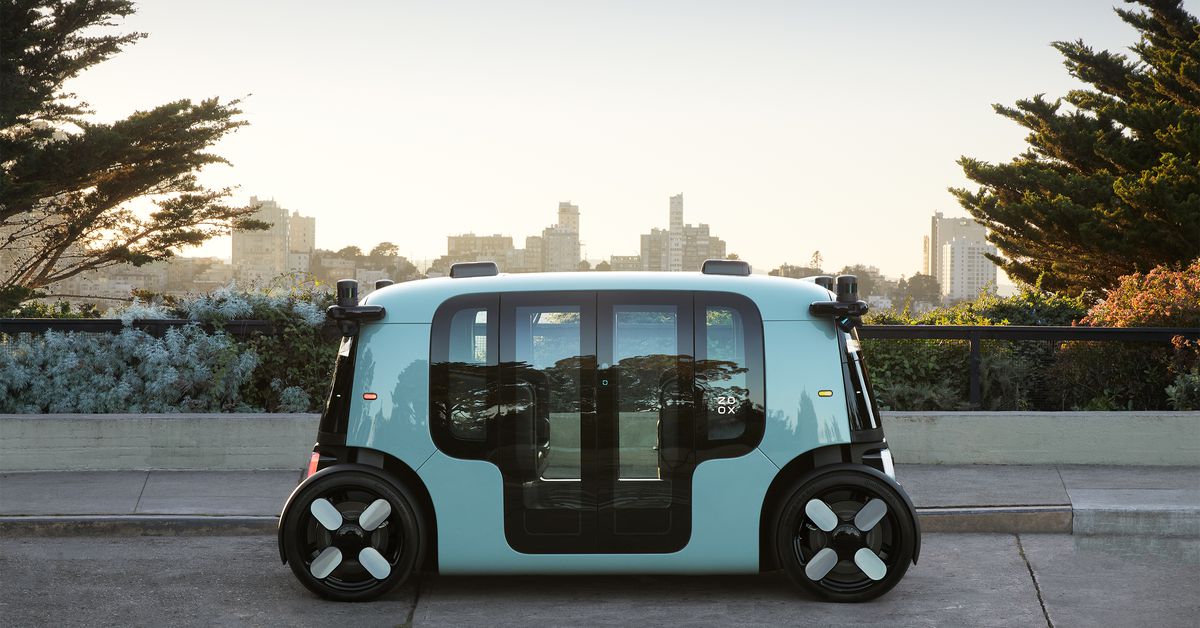
Zoox, a startup owned by Amazon, has revealed its latest project called ‘robotaxi’, an autonomous electric car that could replace taxi drivers in the digital age
Zoox, an autonomous electric vehicle company that Amazon purchased in June, has finally unveiled its robotaxi after six years of twisted and secret prototypes. While it resembles many first-generation autonomous vehicles from automakers and Silicon Valley startups, Zoox’s robotaxi has some standout features.
Related Articles
Amazon’s Autonomous Electric Car: Could It Threaten Taxi Drivers’ Jobs?
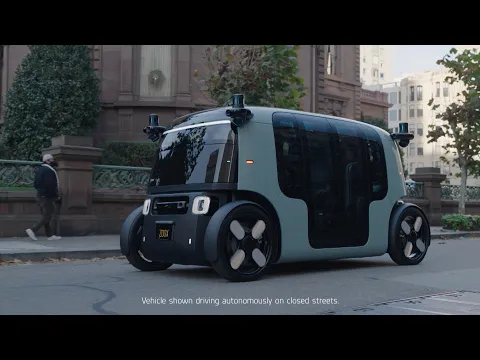

The “carriage-style” autonomous electric car is a fully autonomous four-wheeled vehicle that accommodates up to four people and bears a resemblance to vehicles created by other companies in the space. Measuring just 3.63 meters in length, it falls somewhere between the large and boxy Cruise Origin robotaxi (owned by General Motors) and the delivery-focused robot built by the automaker Nuro.
-
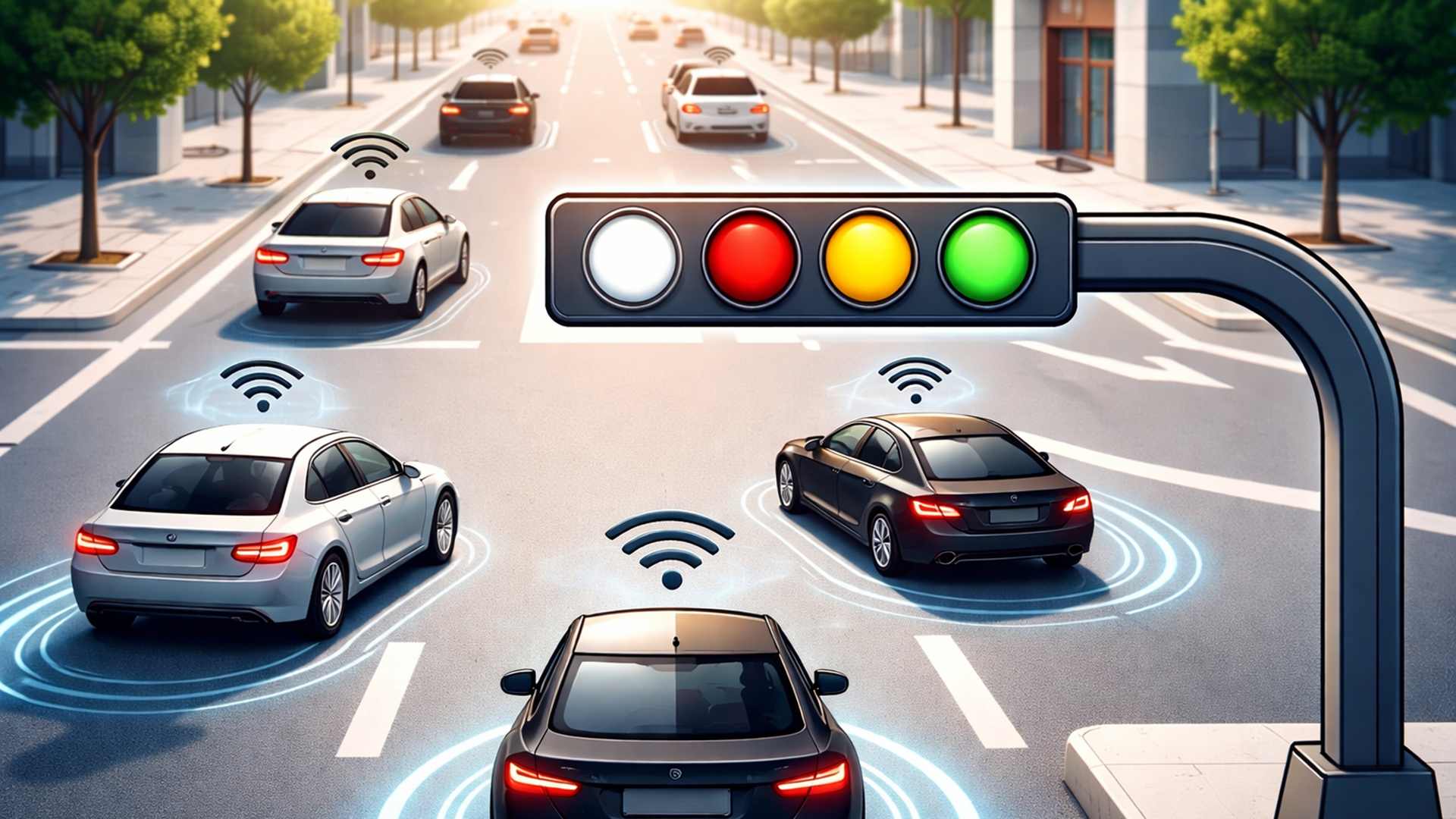
Engineers propose a fourth traffic light for intersections – the change promises to affect crossings, queues, and waiting times.
-
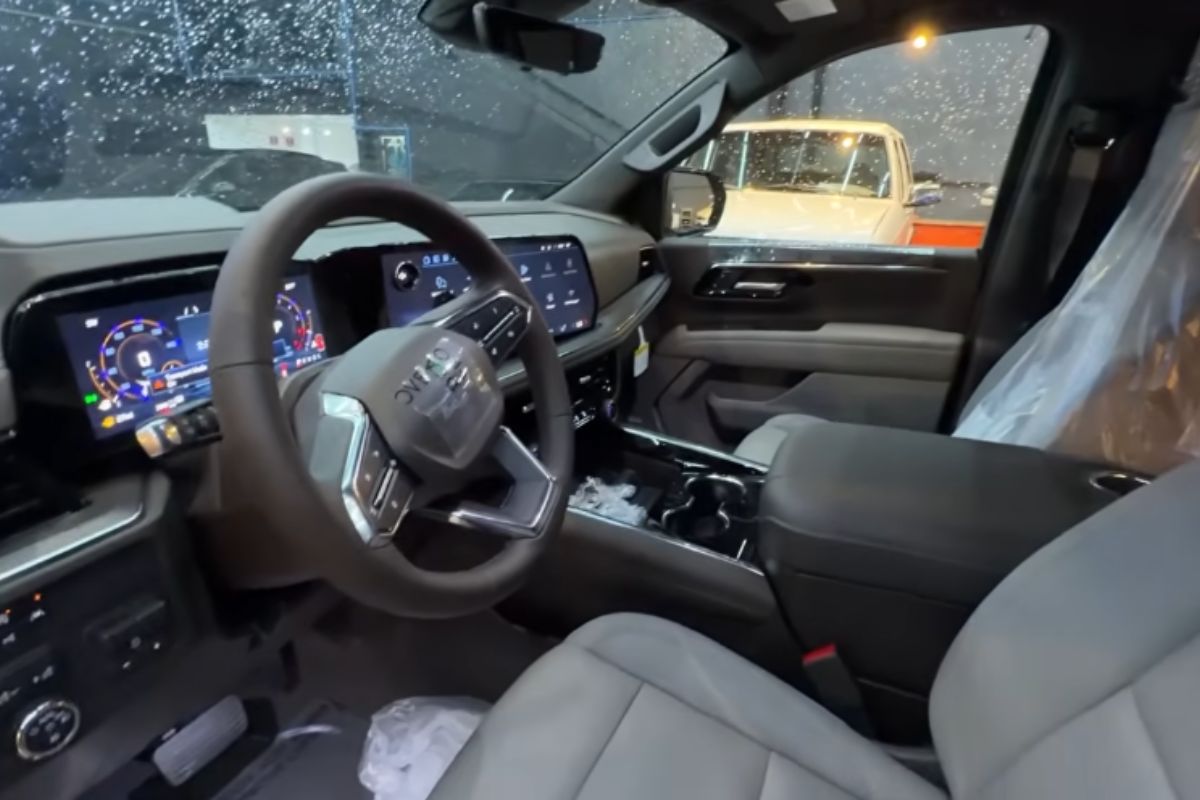
Chevrolet Suburban Z71 lands in Brazil with a V8 engine, off-road design, air suspension, seven seats, and colossal size, a rare version imported for around R$ 1.3 million with luxury and exclusivity.
-
The Chevrolet Onix 1.0 turbo achieves 17.7 km per liter on the highway and ranks among the three most economical cars in Brazil in 2026, alongside two more expensive Toyota hybrids available at dealerships.
-
Little sister of the Hilux: Toyota launches Land Cruiser FJ with 4 radical versions, 2.7 engine with 166 hp and 4×4 traction with locking.
To further differentiate itself, Zoox has spent the past few years working to equip its autonomous electric car with the ability to drive forwards and backwards, and side to side, or “bidirectionally.” Combined with four-wheel steering functionality, Zoox claims that its vehicle will be capable of handling precise maneuvers, such as “tight sidewalk turns” and “complicated inclines.” Zoox also states that its vehicle is the first of its kind capable of traveling at speeds of up to 75 mph, a potential nod to ambitions of one day putting vehicles on the road.

Amazon emphasizes that the purpose of its project is not to put an end to taxi drivers’ jobs, but rather to demonstrate the limits of technology and to become a short-distance ride service through rideshare apps.
Cutting-Edge Technology
Like most early autonomous vehicles, Zoox’s robotaxi is equipped with a lot of safety technology. There is a crown of six LIDAR discs on top, in addition to various sensors and radar cameras. Zoox highlights that this provides a 270-degree field of view at each corner, virtually eliminating blind spots, as well as providing redundancy in the event of a sensor failure. The sensor suite allows the vehicle to see objects up to 150 meters away.
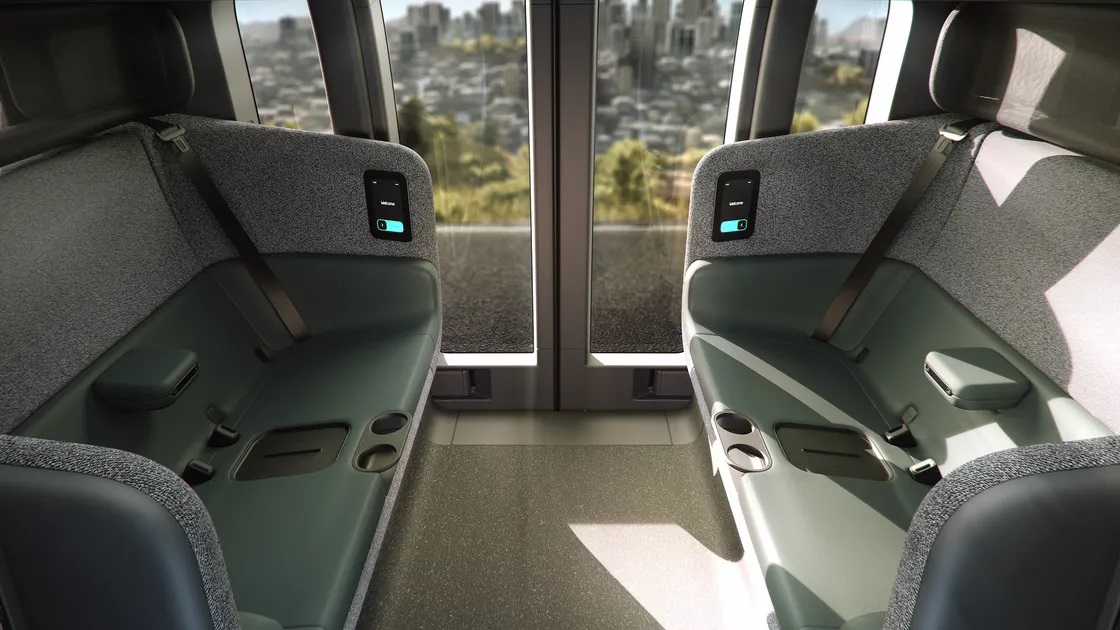
The interior of the vehicle is less high-tech. The cozy inward-facing seats (hence the term “carriage-style”) are surrounded by what appears to be textured fabric. The seats also conceal what the company claims is a radical reworking of how airbags function. There are cup holders and wireless charging mats between the seats. And the ceiling features a starlight pattern, commonly seen in luxury vehicles like the Rolls Royce Ghost. A small touchscreen at each seat is the most advanced technology found inside the vehicle.
Zoox’s Robotaxi Arrives on the Market Equipped with a 133 kWh Battery, More Powerful Than Those in Tesla’s Electric Cars
The robotaxi is powered by a 133 kWh battery, which is slightly larger than the batteries currently powering Tesla’s strongest vehicles. The company points out that the batteries will provide 16 hours of continuous use.
This should be sufficient to help Zoox and Amazon start achieving their collective goal of creating an autonomous ride-hailing service. It is a goal that Zoox has pursued since its founding in 2014 and sought in near theatrical secrecy before stumbling into a public fight with its co-founder and CEO in 2018, leading to his ousting. The company is testing prototypes of its autonomous vehicle in San Francisco and Foster City, California, as well as in Las Vegas, Nevada.








Seja o primeiro a reagir!