The affected unit is Açonorte, located in the Curado neighborhood. Some of those laid off received invitations to transfer to other factories within the group, and those who accept the voluntary severance package will receive three additional salaries and health insurance for six months.
Gerdau confirmed the layoff of 160 workers from the Açonorte unit in Curado, Recife, following an industrial restructuring that alters the factory’s production profile, as reported in August 2026 by the portal ND Mais. This information was released by the Metallurgical Union of Pernambuco and confirmed by the company.
The change does not mean the unit will close. The factory will cease operations in the steelmaking and rolling sectors and will focus on the production of drawn wire, which includes wire mesh, nails, and similar products, while retaining about 450 jobs on site.
What is leaving and what remains at the factory

The alteration impacts the heavier stages of the steelmaking process. Steelmaking is where steel is produced from the melting of scrap or other raw materials, and rolling is where this steel is shaped into bars, profiles, and other formats.
-
Algeria Completes 2,400 km of Highway Across the Sahara After Allocating $2.6 Billion to Project Linking the Mediterranean to West Africa

-
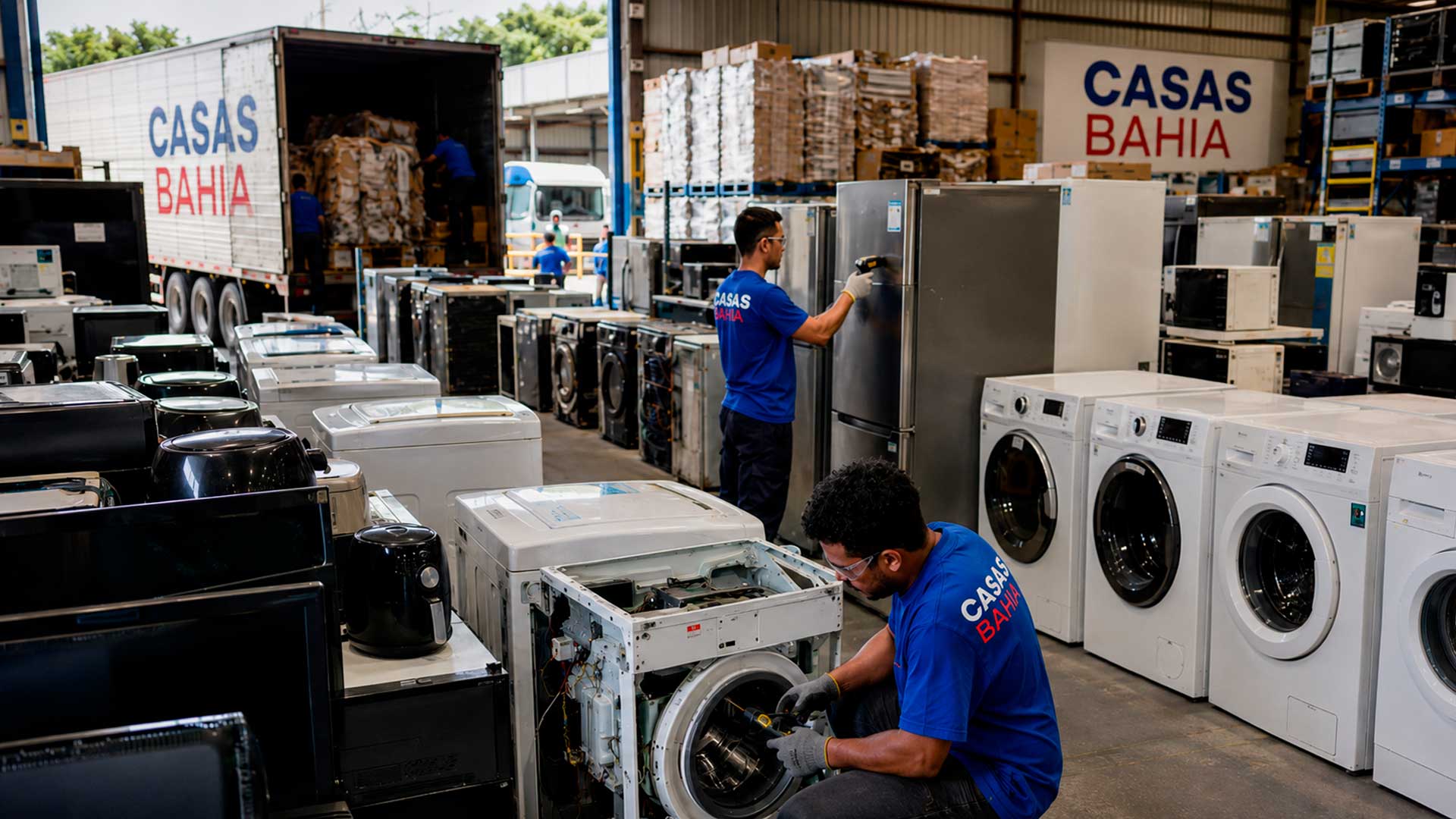
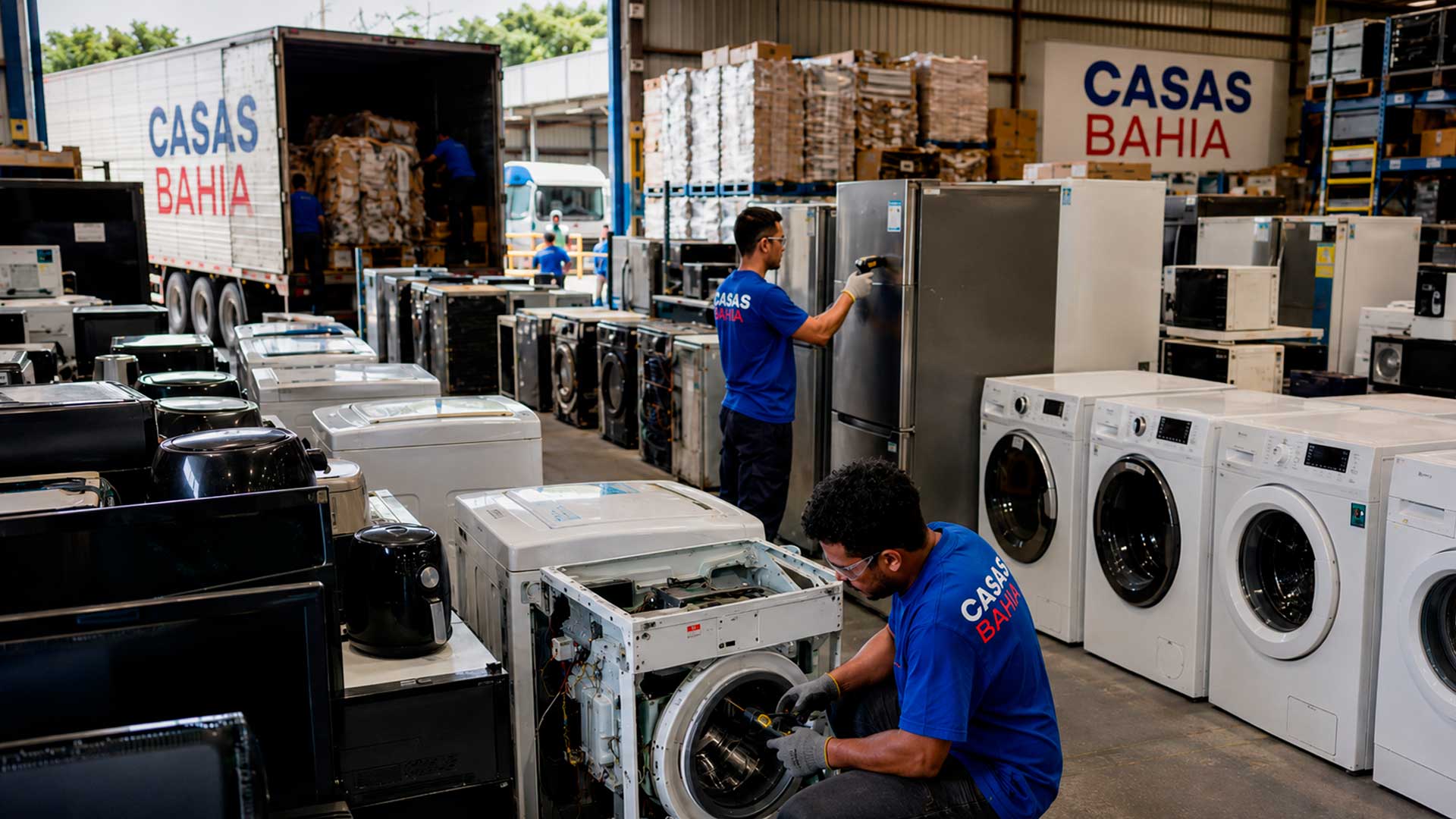
Casas Bahia recovers products that were going to be discarded, reuses 13.2 thousand tons, and avoids R$ 255.6 million in losses with circular economy.

-
Casas Bahia recovers products that were destined for disposal, repurposes 13.2 thousand tons, and avoids R$ 255.6 million in losses through circular economy.
-
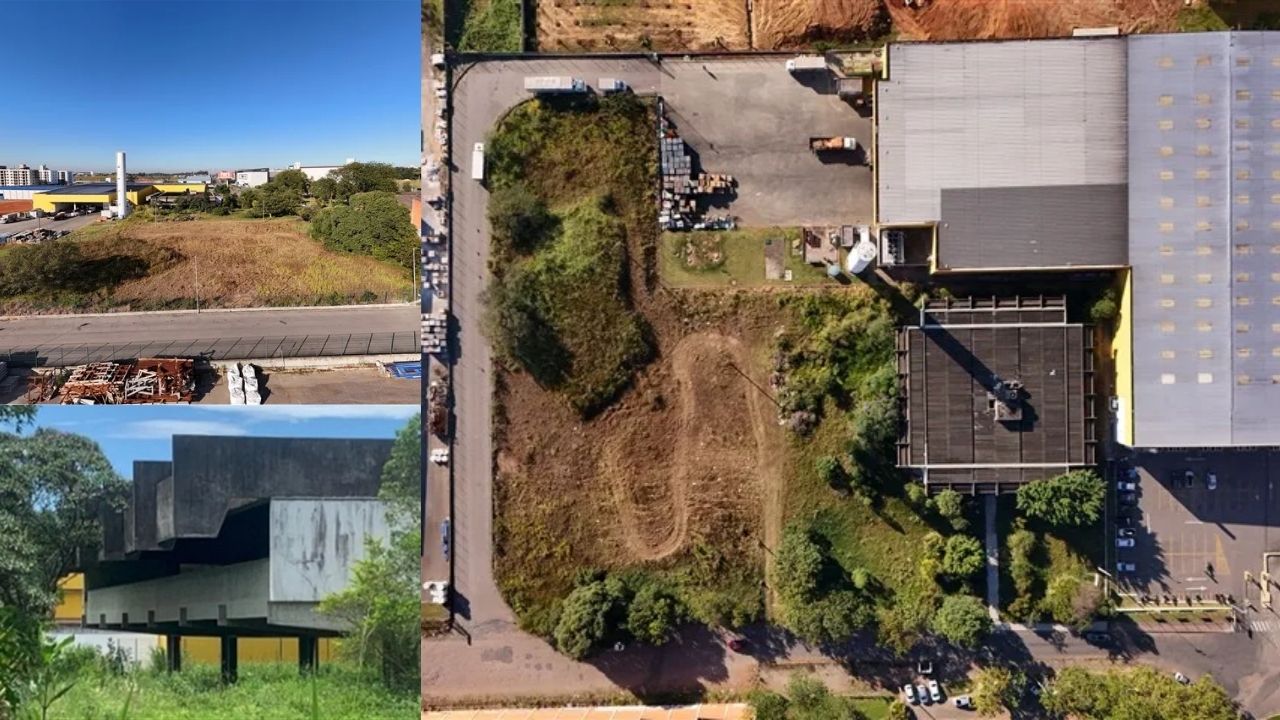
Former headquarters of Santa Catarina ceramics giant goes up for auction again for up to R$ 9.43 million: the 10,700 square meter plot in Criciúma received a discount of almost R$ 1 million after not receiving offers and can be paid in up to 36 installments by Celesc.


According to the union, these two sectors have been suspended, with a complete stoppage of activities, although the plant remains operational.
What remains is the final stage of the chain. Drawing is the process through which steel wire passes through dies that reduce its diameter, resulting in the products the unit will focus on: wire mesh, nails, and other items.
The company’s justification
In a statement, the company described the change as an adjustment to the industrial profile of the unit, rather than a reduction in operations.
The decision was framed as part of a broader strategy involving asset optimization and a review of the business model of mini-mills, smaller plants that operate with electric furnaces and scrap instead of the traditional integrated process.
The declared objective is financial performance. The company claims to be seeking to enhance productivity and profitability of operations and assures that customer service will remain unchanged, additionally stating that it maintains dialogue with employees and union representatives during the process.
What was offered to those laid off
In addition to the severance pay mandated by law and rights guaranteed by the collective bargaining agreement, those affected were offered a voluntary severance plan, with conditions described as special due to the collective nature of the layoffs.
The package includes four items. It consists of three additional nominal salaries, six months of health insurance coverage for the employees and their dependents, professional qualification courses, and job placement assistance.
Not all affected employees have been permanently laid off. Some of the workforce received offers to transfer to other company units, an option that maintains their employment ties but requires relocation.
Union Action
On the morning of Tuesday, the 4th, union leadership visited the plant to talk with workers and provide clarification regarding the layoffs and their repercussions.
The action included the presence of labor and social security attorneys from the organization, who advised the employees during the process.
The union stated that it will continue to monitor the situation. The declared priority is to ensure compliance with the collective agreement and labor laws, with specific attention to groups with guaranteed job stability.
Groups That Cannot Be Laid Off
This aspect deserves detail because it is where disputes often arise in collective layoffs.
The organization named four specific categories: pre-retirees, elected members of the internal accident prevention committee, pregnant employees, and workers suffering illness as a result of their jobs.
All these groups have protections against dismissal for specified periods, either prescribed by law or within collective agreements. Case-by-case verification determines whether a termination is valid or subject to judicial reversal, and it is precisely this oversight that the organization committed to providing.
Those Who Do Not Accept the Plan
There is an alternative for those who do not wish to accept the offered package, and this has also been communicated.
The union stated it will provide legal assistance to employees who decide not to participate in the voluntary dismissal plan.
Choosing between the two options involves individual calculations. Accepting guarantees immediate receipt of the offered conditions; not accepting keeps the possibility of judicial discussion open, with its own deadlines, costs, and uncertainties inherent in any labor lawsuit.
The Weight of a Unit Changing Function
What happened in Curado is not a closure, and this distinction alters the local impact of the announcement.
The plant continues to operate, preserving nearly three-quarters of the previous workforce, and maintains productive activity in the final phase of the steel chain.
What is lost is something different. Steelmaking and rolling require specific technical profiles, trained over years within the industry, and terminating these stages means that these jobs cease to exist at that location, regardless of how many positions remain in the other lines.
What do you think: is a voluntary dismissal plan worth it, or is it better to discuss rights in court? Do you know anyone who has gone through industrial restructuring and had to relocate to keep their job? Share in the comments what you would do in these workers’ shoes.