





 Portuguese
  English
  Spanish
  3 min of reading
  0 comments


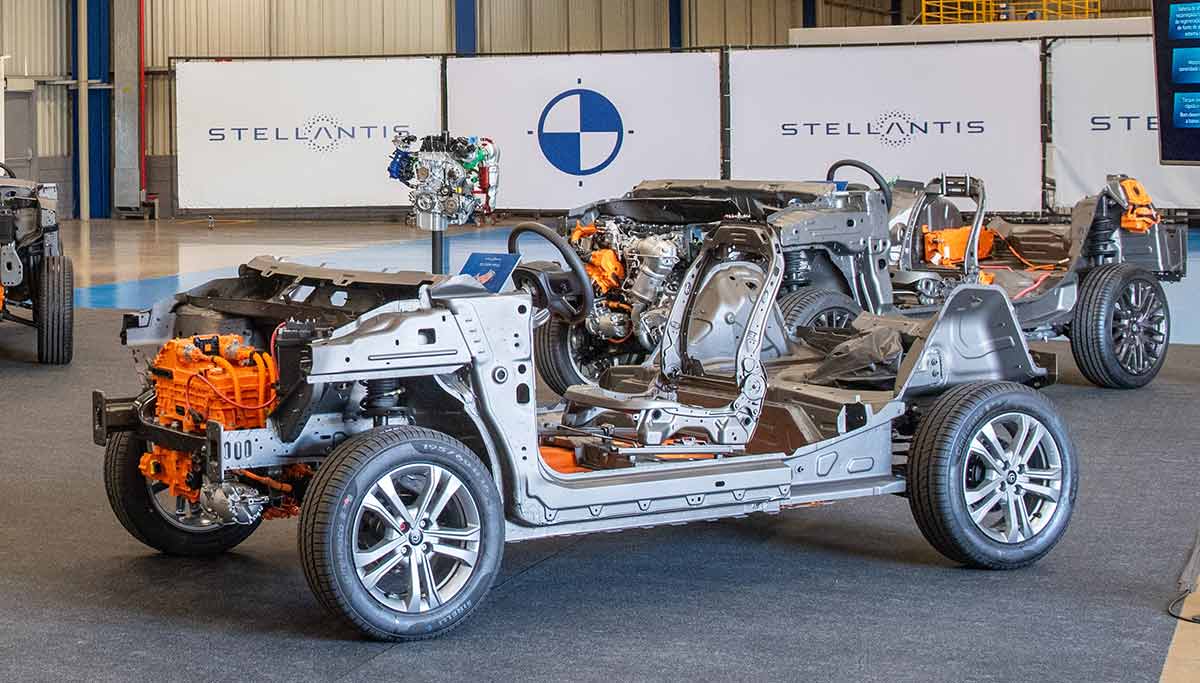
The Next Historic Investment of Stellantis in Brazil Marks a Significant Milestone in the Evolution of the Automotive Market.
Stellantis, one of the giants of the automotive industry, has confirmed plans to make one of the largest investments in the history of the Brazilian automotive market during the year 2024. Carlos Kitagawa, CFO of the group for Latin America, revealed the news during a recent conference organized by AutoData, indicating that details of the ambitious plan will be announced soon.
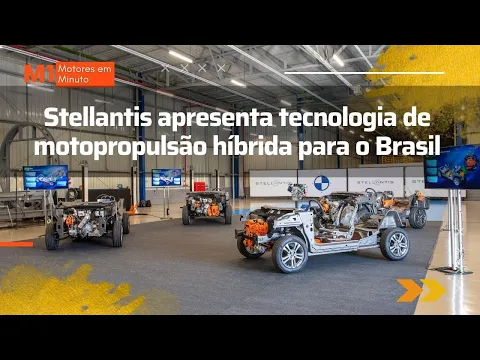
Watch Here a Video with a Brief Summary of Each of the Systems

Strategic Investment in Brazil: Commitment to Global Growth
According to Kitagawa, Stellantis considers Brazil a strategic component in its global growth plan. The company is about to announce the largest investment in the Brazilian automotive industry, highlighting its focus on the decarbonization process as an integral part of this commitment.
-
The car stored for 38 years: when opening the barn door, what appears is breathtaking and looks like a scene from a movie!

-
Fiat works miracles in the Brazilian market, lowers the price of its 0 km hatch to R$ 69,990, reestablishes the model as the cheapest car in the country, and reignites the battle against Kwid and C3.

-
Chevette with cooking gas: How the gas cylinder ends up being used in cars clandestinely and why this makeshift solution can result in leaks, explosions, damaged engines, and seized vehicles.

-
Fiat launches the new 2027 Toro hybrid with 48V, 176 hp, an electric motor of 15.5 hp, a 0.85 kWh battery, up to 7% fuel savings, 8% fewer emissions, and possible exemption from IPVA.

The strategy of Stellantis focuses not only on product innovation but also on optimizing its operations. The Bio-Hybrid platform will be implemented in all the company’s production plants in Brazil, including Porto Real (RJ), Betim (MG), and Goiana (PE). This ensures efficient production in line with global sustainability standards.
Bio-Hybrid Platform: Innovation at the Center of the New Cycle and Revolution in the Brazilian Market Starting in 2024
Within the innovations of the next cycle, Stellantis revealed its focus on the Bio-Hybrid platform. This versatile architecture will be featured in models from various brands within the group and will be compatible with thermal, hybrid, and electric powertrains. The choice of this platform demonstrates Stellantis’ vision regarding sustainability and adaptability to the demands of the Brazilian market.
Stellantis confirmed that the Bio-Hybrid platform will be introduced in models sold in Brazil starting in 2024. This initiative will include three types of hybridization: mild hybrid (MHEV), conventional hybrid (HEV), and plug-in hybrid (PHEV). The ambitious goal is to fully decarbonize Stellantis’ global operations by 2038, with a specific commitment for Brazil to electrify at least 20% of the national portfolio by 2030.
Hybrid Evolution: Impact on the Brazilian Consumer
Although not yet officially confirmed, everything indicates that the mild hybrid (MHEV) system will be the first option available in the Brazilian market. This system, which uses a small electric generator to charge an auxiliary battery, promises a significant fuel economy, ranging from 10% to 20%. This option not only benefits performance but also contributes to environmental sustainability.
The other two sets, conventional hybrid (HEV) and plug-in hybrid (PHEV), offer a broader range of options. Both combine the traditional combustion engine with electric motors and batteries. The PHEV, in particular, allows for plug-in recharging to extend range, providing a fully electric driving mode. This diversified approach aims to meet the needs and preferences of the Brazilian consumer.
Stellantis: Environmental Commitment and National Electrification
The commitment of Stellantis to decarbonization and electrification is reflected in its goal to have at least 20% of its national portfolio electrified by 2030. This commitment not only responds to the demands of the global market but also positions Stellantis as a leader in the transition to more sustainable vehicles in Brazil.
The adoption of the Bio-Hybrid platform and the diversification of hybrid and electric options demonstrate Stellantis’ commitment to innovation and sustainability. Brazilian consumers can look forward not only to technologically advanced vehicles but also to actively contributing to the reduction of carbon footprint. Stellantis positions itself as a pioneer in the transformation towards a cleaner and more efficient automotive future in Brazil.










Seja o primeiro a reagir!